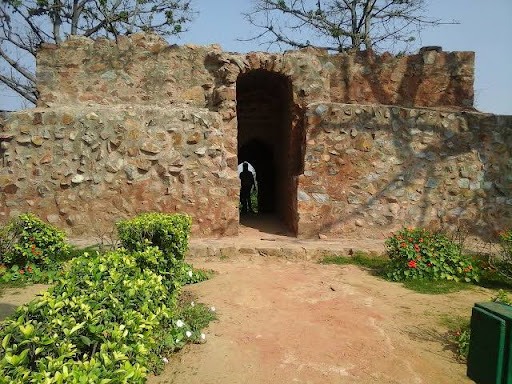
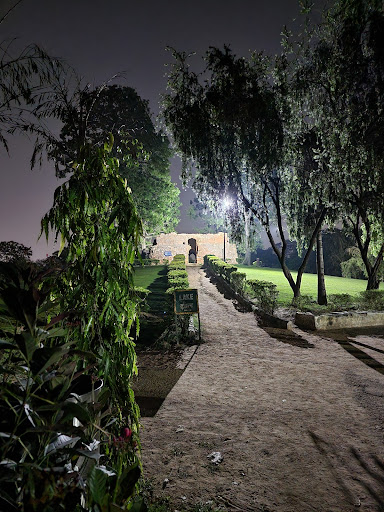
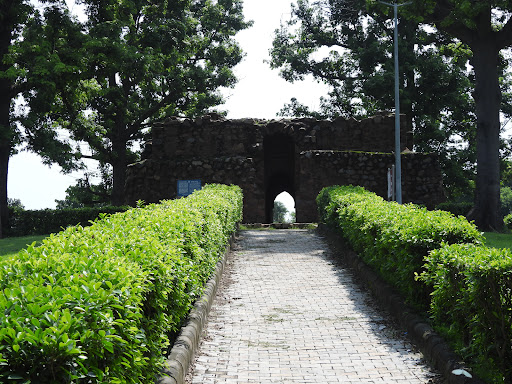
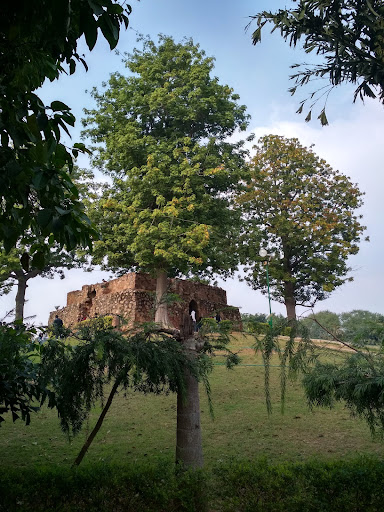
Munda Gumbad things to do, attractions, restaurants, events info and trip planning
Basic Info
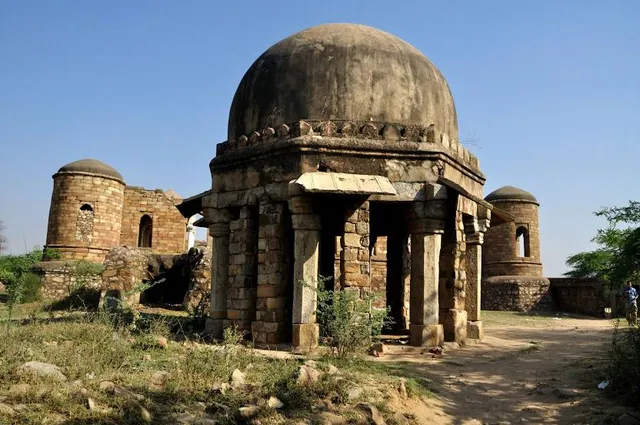
Munda Gumbad
H54R+MM8, Hauz Khas Tank, Hauz Khas Village, Deer Park, Hauz Khas, New Delhi, Delhi 110016, India
4.3(175)
Closed
Save
spot
spot
Ratings & Description
Info
Cultural
Outdoor
Scenic
Off the beaten path
attractions: Hauz Khas District Park, Deer Park Lake, Hauz Khas Fort, Rang art Gallery, The Hidden Hour, Hauz Khas Lake, Hauz Khas Complex, Lokayata Art Gallery, Hauz khas Quila, Hauz khas Village, restaurants: Hauz Khas Social, The Record Room -Best Bar | Best Party Place | Best Pub | Hauz Khas South Delhi, Naivedyam, Cafe Pink Hauz Khas Village, The Tea Room from Blossom Kochhar, Matchbox Pub & Grub, MIABELLA, Barsoom frat House, Coast Café, Lama Kitchen - Himalayan Cook House, local businesses: Deer Park, The Tattoo Shop New Delhi, Rang art Gallery, Chumbak - Home, Gifts & Accessories, Munnu paanwala, Country Collection India | Home Decor Shop in Delhi, All Arts, The Village Gallery, Club 69, Anupam Sweets
 Learn more insights from Wanderboat AI.
Phone
+91 11 2336 5358
Open hoursSee all hours
Fri6 AM - 9:30 PMClosed
Plan your stay

Pet-friendly Hotels in Delhi
Find a cozy hotel nearby and make it a full experience.

Affordable Hotels in Delhi
Find a cozy hotel nearby and make it a full experience.

The Coolest Hotels You Haven't Heard Of (Yet)
Find a cozy hotel nearby and make it a full experience.

Trending Stays Worth the Hype in Delhi
Find a cozy hotel nearby and make it a full experience.
Reviews
Live events
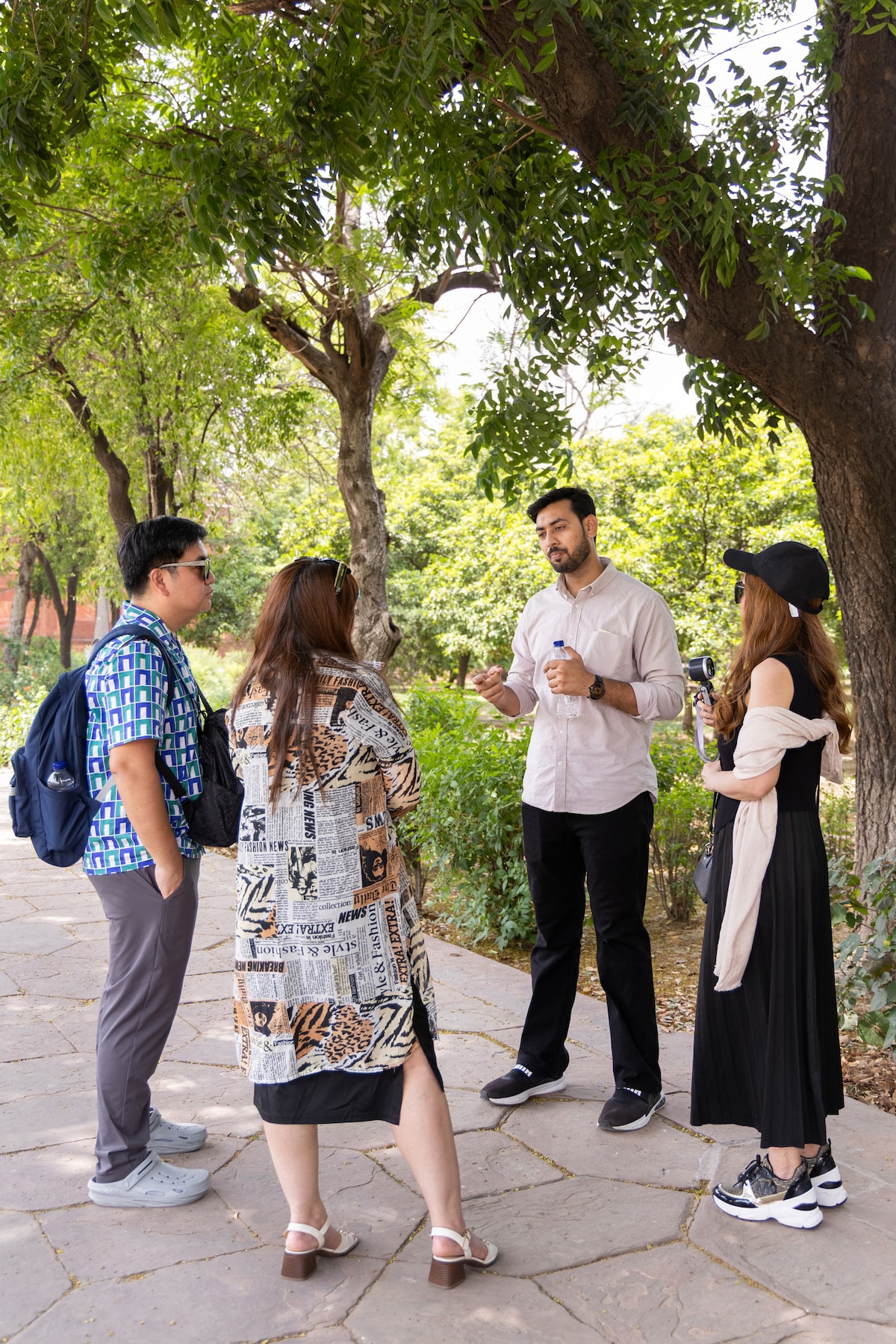
Same Day Taj Mahal & Agra Fort Tour from Delhi
Fri, Feb 27 • 2:30 AM
New Delhi, Delhi, 282001, India
View details
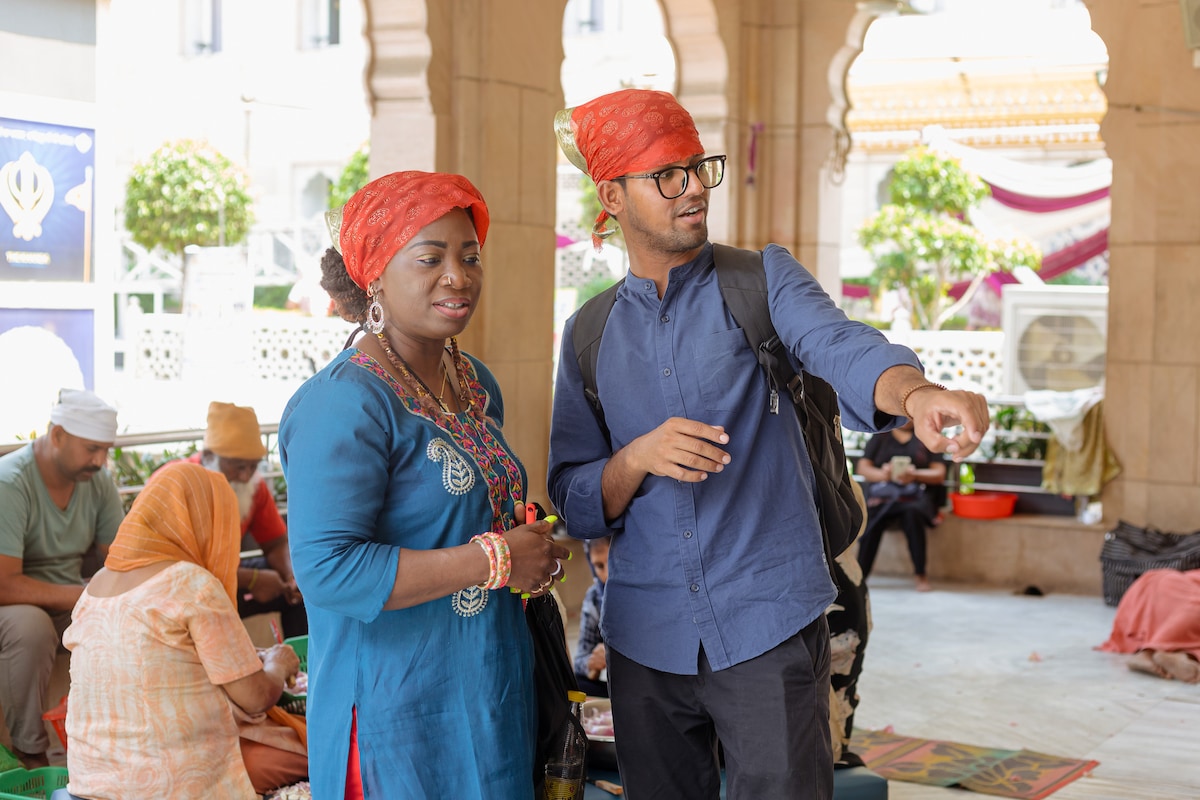
Old Delhis Temple, Rickshaw, Spice Market & Food
Fri, Feb 27 • 11:00 AM
New Delhi, Delhi, 110006, India
View details
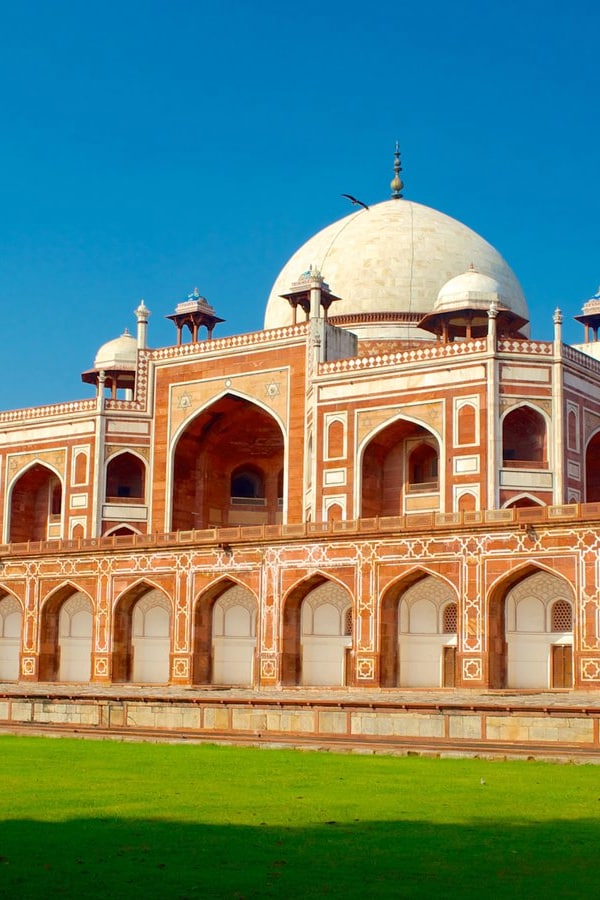
Explore Old and New Delhi’s Monuments with Guide
Fri, Feb 27 • 8:30 AM
New Delhi, Delhi, 110059, India
View details
Nearby attractions of Munda Gumbad
Hauz Khas District Park
Deer Park Lake
Hauz Khas Fort
Rang art Gallery
The Hidden Hour
Hauz Khas Lake
Hauz Khas Complex
Lokayata Art Gallery
Hauz khas Quila
Hauz khas Village
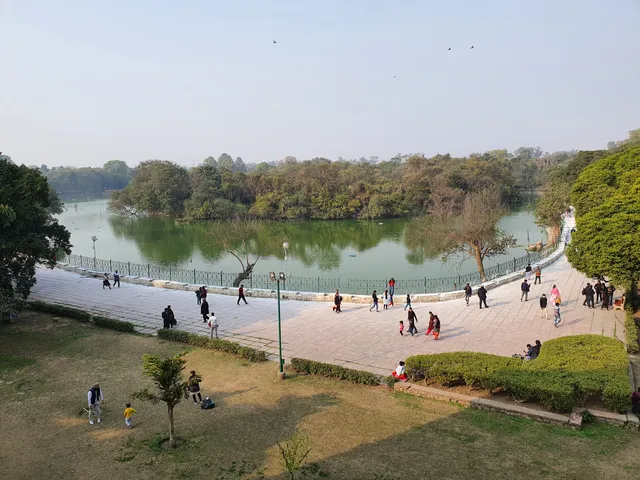
Hauz Khas District Park
4.4
(6.7K)
Closed
Click for details
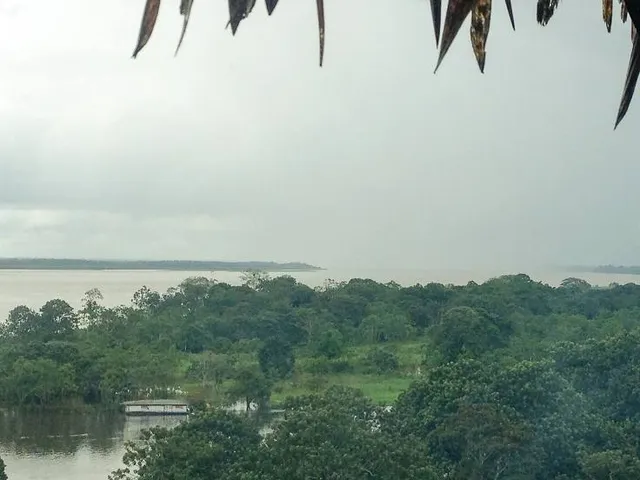
Deer Park Lake
4.3
(1.3K)
Closed
Click for details
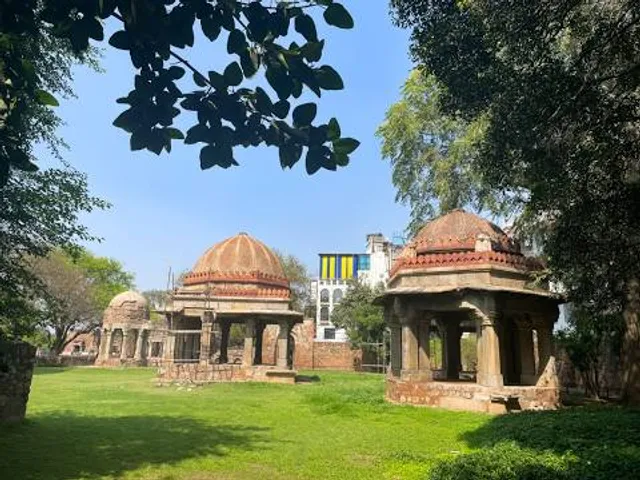
Hauz Khas Fort
4.4
(2.2K)
Closed
Click for details
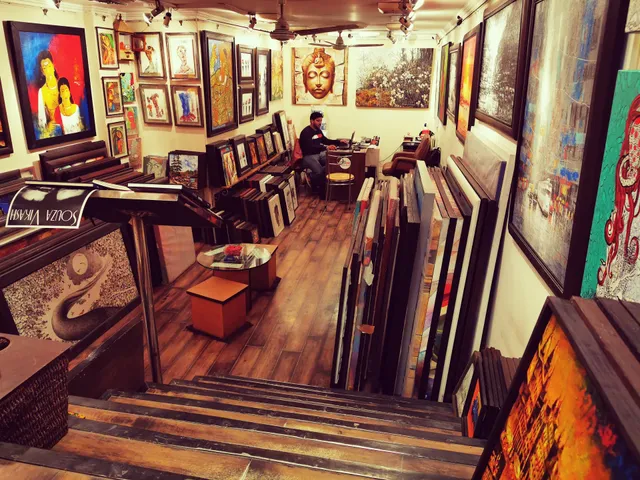
Rang art Gallery
4.8
(125)
Closed
Click for details
Nearby restaurants of Munda Gumbad
Hauz Khas Social
The Record Room -Best Bar | Best Party Place | Best Pub | Hauz Khas South Delhi
Naivedyam
Cafe Pink Hauz Khas Village
The Tea Room from Blossom Kochhar
Matchbox Pub & Grub
MIABELLA
Barsoom frat House
Coast Café
Lama Kitchen - Himalayan Cook House
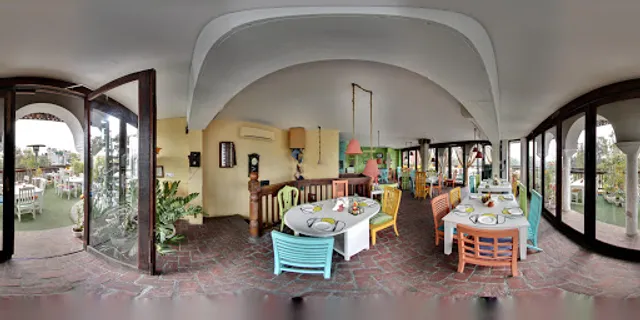
Hauz Khas Social
4.3
(11.5K)
$$$
Closed
Click for details
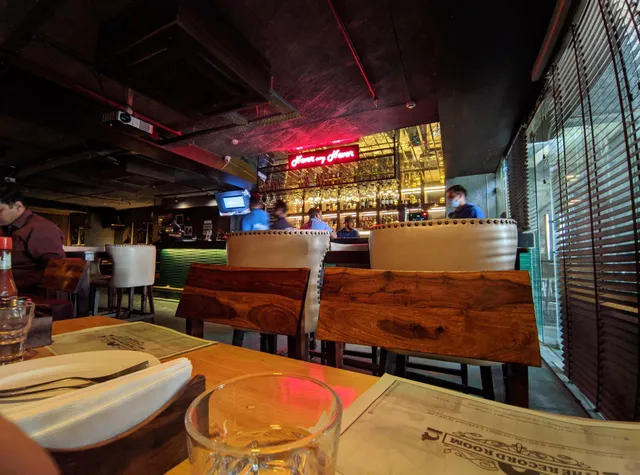
The Record Room -Best Bar | Best Party Place | Best Pub | Hauz Khas South Delhi
4.3
(883)
Closed
Click for details
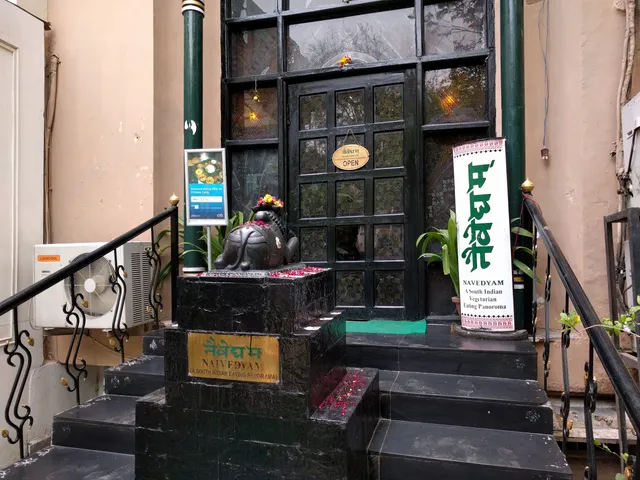
Naivedyam
4.4
(3.1K)
Closed
Click for details
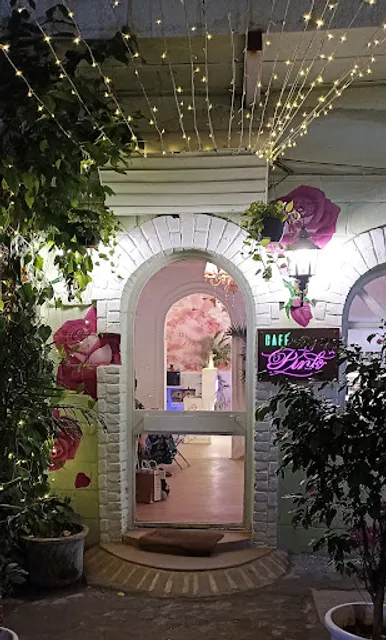
Cafe Pink Hauz Khas Village
4.6
(549)
Closed
Click for details
Nearby local services of Munda Gumbad
Deer Park
The Tattoo Shop New Delhi
Rang art Gallery
Chumbak - Home, Gifts & Accessories
Munnu paanwala
Country Collection India | Home Decor Shop in Delhi
All Arts
The Village Gallery
Club 69
Anupam Sweets
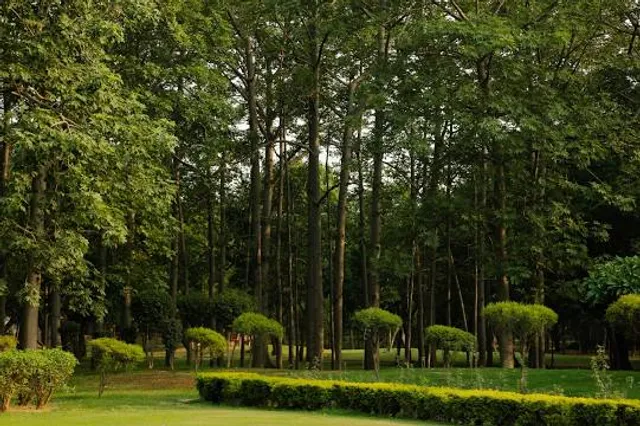
Deer Park
4.4
(2.4K)
Click for details
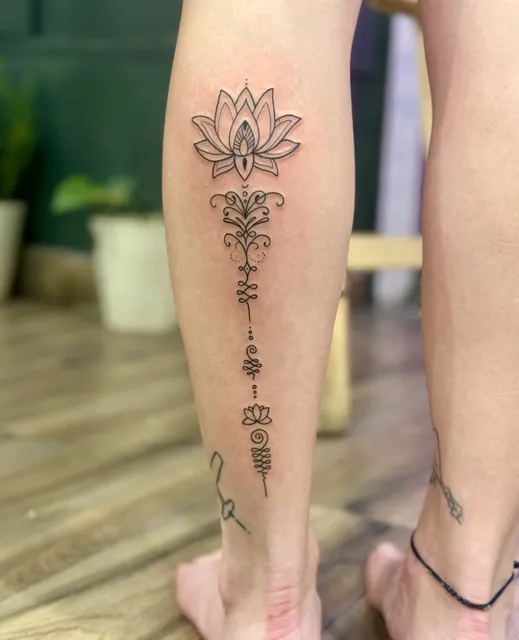
The Tattoo Shop New Delhi
4.9
(588)
Click for details
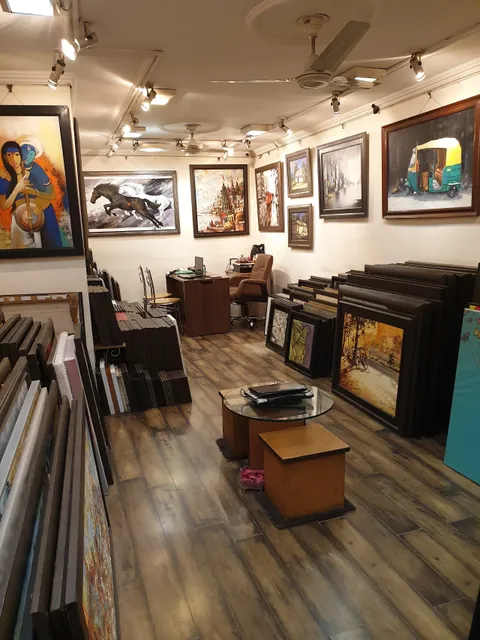
Rang art Gallery
4.9
(89)
Click for details
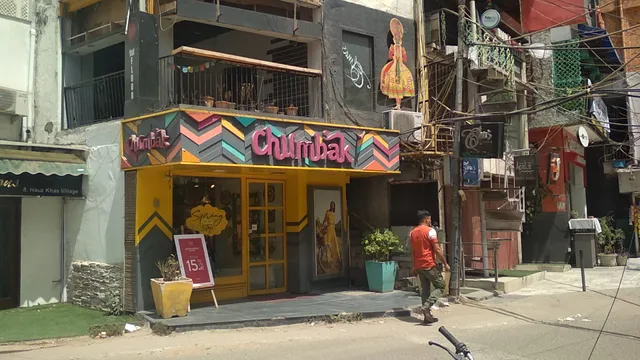
Chumbak - Home, Gifts & Accessories
4.2
(69)
Click for details