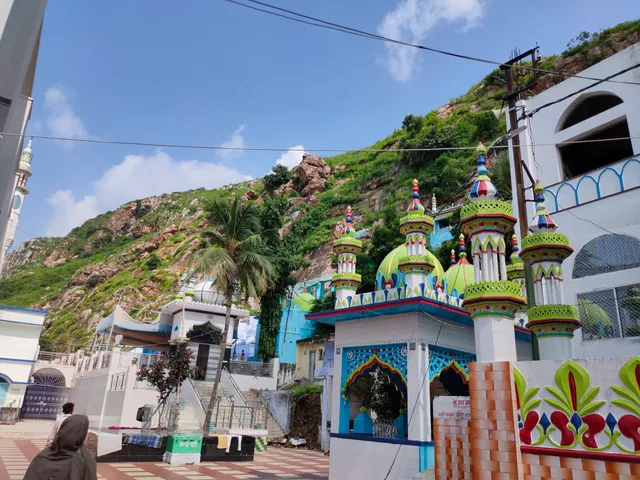
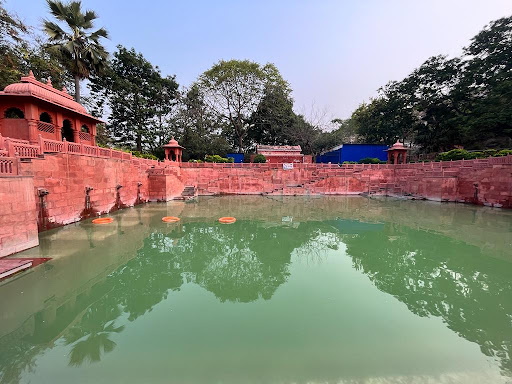
It is located in the Indian state of Bihar about 60 km southeast of the capital Patna. Rajgir is famous for rock-cut caves, forts, Buddhist ruins, shell inscriptions, Hindu and Jain temples and Muslim tombs. The place is well connected to other parts of Bihar and eastern India through railway and roads.
Best Time To Visit
The climate of Rajgir like the other parts of the Gangetic plains is extreme. The summer months from April to July are hot and humid here and the average temperature can reach approximately 45°C and the relative humidity can go up to around 80 percent. Winters are cold with the average night temperature at around 10°C. Normally, the average temperature stays around 20°C. Monsoon touches this region in July/August and continues till September
History
Now a small town, Rajgir was once the capital of the kingdom of the mighty Magadh empire and was known by various names such as Vasumati, Barhdrathpura, Girivraja, Kusagrapura, and Rajgriha. The great Hindu epic Ramayana says that the mythical king Vasu, a son of Lord Brahma, founded this town and named it Vasumati.
Tourists Attractions
Rajgir, though small area wise, is an important pilgrimage center for three of the great religions of India, Hinduism, Buddhism, and Jainism. There are pilgrimage sites of each of these religions in the town.
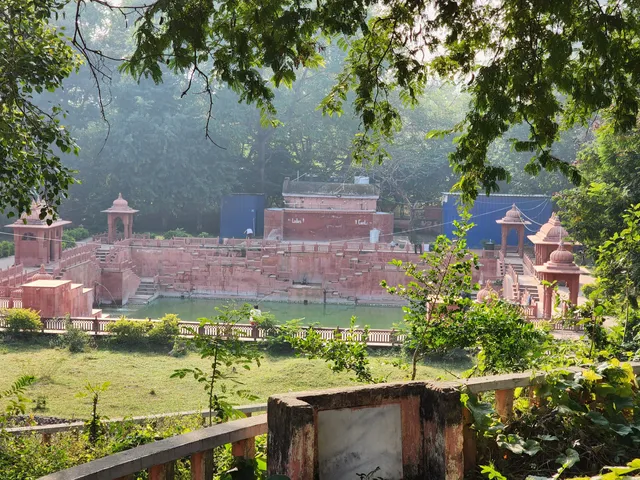
On the Vaibhava hill are the Saptkarni caves where the first Buddhist Council was held. The Saptkarni cave is also the source of the Rajgir hot Sulphur springs that have curative properties and are scared to the Hindu's.
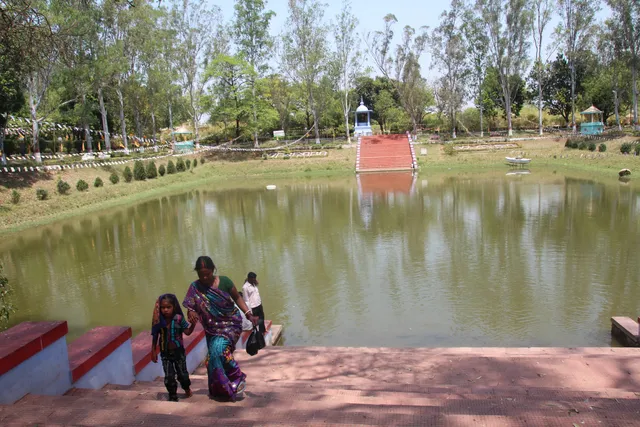
From the foot of the Vaibhava Hill, a staircase leads up to the various temples. Separate bathing places have been organized for men and women and the water comes out from spouts through the Saptadhara or seven streams believed to find their source behind the Saptkarni Caves up in the hills. The hottest of the springs is the Brahmakund with a temperature of 45°C.
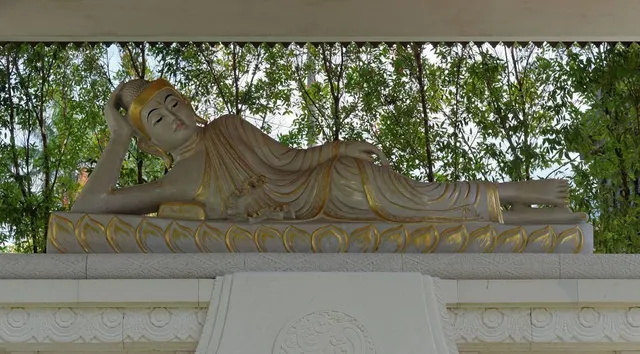
On the Griddhakuta or Vultures Peak, the Buddha set in motion his second Wheel of Law and for three months every year during the rainy season preached his disciples about it. The Buddha Sangh of Japan has constructed a massive modern stupa, the Shanti (peace) stupa at the top of the hill. One can climb up to the top along a bridle path but the aerial chairlift is far more exciting.
Ajatshatru's Fort, built in sixth century BC, is situated around six km from the Rajgir railway station. The fort was. Bimbisara's jail is also situated here where, according to the legends, he was imprisoned by Ajatshatru.
Above the hot springs on the Vaibhava Hill is a rectangular stone sculpted by the forces of nature, which appears to have been used as a watchtower. It later become the resort of hermits and is popularly known as Jarasandha Ki Baithak after the name of the King Jarasandha, a contemporary of Lord Krishna described in the epic Mahabharta.
The Swarna Gufa is around six km from the railway station. It is believed that there is a treasure house of gold still hidden here. It is said that if one can decipher the inscription engraved here, the doors to the golden vaults would open.
Places Around Rajgir
Bodh Gaya, the place where Buddha got enlightenment is around 34 km off Rajgir and connected through a good network of roads. Major tourist attractions here are the Maha Bodhi Temple, the place where under a pipal tree, Buddha got his enlightenment, and monasteries built by different Buddhist countries.
Twelve kilometers from Rajgir is Nalanda, which was a resort for saints and ascetics. It was made into a university in fifth century AD and remained the greatest seat of learning for over 700 years.
Pawapuri is situated some 35 km from Rajgir and believed to be the place where Lord Mahavira died.
Patna, the capital of Bihar and a great historical city is situated around 60 km northeast of Rajgir.
How To Reach
By Air - The nearest airport for Rajgir is Patna. There are regular flights for Delhi, Calcutta, Varanasi, Lucknow, Mumbai, and Katmandu from this airport. The nearest international airport is Calcutta.
By Rail - Rajgir...
Read more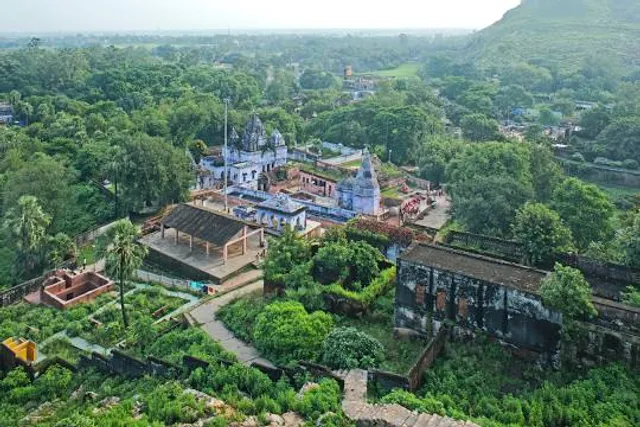
 Learn more insights from Wanderboat AI.