For those with an interest in wildlife and conservation, the Madras Crocodile Bank is a worthwhile and educational destination. It offers a unique opportunity to see a wide array of reptile species, learn about important conservation efforts, and enjoy engaging activities like the night safari. While not a full-day commitment, it is an excellent stop for families traveling along the ECR, especially when combined with other nearby attractions like Mahabalipuram.
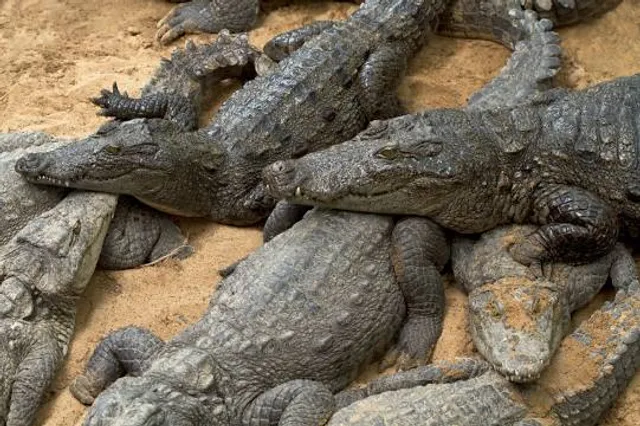
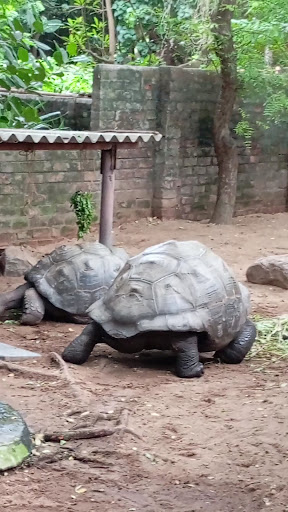
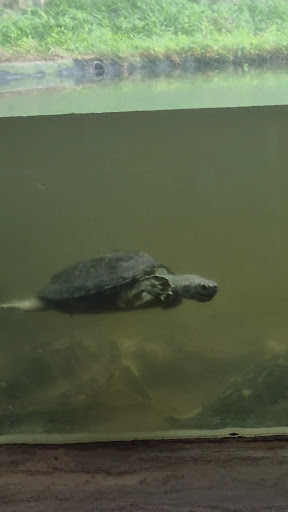
Highlights and attractions Vast reptile collection: The park houses a large collection of reptiles, including over 15 species of crocodiles and alligators from around the world. You can see endangered species like the saltwater crocodile and gharial. Other species: Beyond the crocodilians, the park features a variety of snakes, turtles, tortoises, and lizards. A separate area is dedicated to snakes, including venomous and non-venomous types. Underwater gharial exhibit: A unique feature allows visitors to see a magnificent gharial swimming effortlessly in a large underwater enclosure with other fish and turtles.
Feeding sessions: The park offers feeding demonstrations. On Sunday afternoons, you can witness the feeding of "Jaws III," one of the largest saltwater crocodiles in India. Night safari: For a thrilling experience, the night safari on weekends lets you see the reptiles when they are most active. You are given torches to spot the hundreds of glowing red eyes in the dark. Snake venom extraction: This process is demonstrated by the Irula tribe, providing insight into how venom is collected for producing anti-venom medicines. Guided tours: Knowledgeable guides share interesting stories and facts about the reptiles. Virtual Reality (VR) shows: On weekends and holidays, you can experience VR movies that transport you to the natural habitats of reptiles around the world.
Ideal for children: The Croc Bank is particularly popular with families and school groups, as kids enjoy seeing the reptiles up close in a safe environment. Good for short trips: While some reviewers feel the entry price is high for a relatively short visit, most agree it's a good place to spend an hour or two. Well-maintained enclosures: The enclosures are designed to mimic the animals' natural habitats, allowing for safe and close-up viewing. Amenities: The facility includes a canteen for refreshments, a gift shop for souvenirs, and clean washrooms. However, some older reviews noted that toilets were not well-maintained. Accessibility: Located on the ECR, the park is easily accessible by car, bus, or auto-rickshaw. Paid parking...
Read moreThe Madras Crocodile Bank Trust and Centre for Herpetology is one of the largest reptile zoos in the world. It is spread over eight and a half acres of land and is home to 15 of the 25 species of crocodiles in the world. We give you an opportunity to have an interactive experience with the various denizens at the zoo. Apart from our guided tours we have a wide variety of other activities for all ages that are both informative and fun.
The Madras Crocodile Bank Trust and Centre for Herpetology (or Croc Bank) was the brain child of the legendary Romulus Whitaker and Zai Whitaker along with a handful of like-minded conservation visionaries who began work on the facility in 1976, in a desperate effort to save India’s dwindling crocodilian populations. Today, after several formidable years of cutting edge science and grassroots education, the Croc Bank remains a world leader in the field of frontline conservation and the preservation of natural landscapes.
The Croc Bank currently consists of a large reptile park near Chennai, Southern India, and a couple of field projects. The zoo sees close to half a million visitors per year making it one of the most popular tourist attractions along the famous East Coast Road.
THE MADRAS CROCODILE BANK TRUST & CENTRE FOR HERPETOLOGY By the mid 20th century hunting crocodilians was a lucrative enterprise throughout the tropics, and by the 1970s, along with rivers being dammed and polluted, India’s croc populations had been brought to the brink of extinction. Realizing this fact, the Indian government protected all three species of Indian crocodilians under the Wildlife Protection Act of 1972.
Responding to the need of that time, The Madras Crocodile Bank focussed on the specific goal of securing breeding populations of the 3 species of Indian crocodilians: the mugger (Crocodylus palustris), the saltwater crocodile (Crocodylus porosus) and the rarest of all, the gharial (Gavialis gangeticus).
The Croc Bank was originally designed to be a genetic repository of crocodiles for safekeeping, to protect and multiply until such time when they could be returned to restock their original wild habitats. This action was initially met with tremendous success, but today, release into the wild has stopped due to shrinking wilderness areas and the lack of...
Read moreWe had a positive experience overall at the crocodile Bank. We headed straight to the Irula venom extraction area near the entrance and had an experience of a lifetime. One particular person Mr. Vishnu, explained about the 4 most venomous snakes found in TamilNadu and described the venom extraction process very well. We also witnessed demonstration by him of how Russel Vipers and Spectacled cobras behave when intimidated. He also explained what effect the bites form these top venomous species has on the human body. It's definitely useful information for people who love venturing out in the wild like me. Cons: The minute you park the car, there are lots of hawkers trying to sell cheap stuff or worse ask for food, toys, etc. you have. We happily gave one of our daughter's fav bunny and some biscuits we had but the hawkers didn't stop there, they pestered us and started asking for money, juice, food and what not. It really felt awkward after a point. The crocodile enclosures aren't very well kept, quite murky and stinky (probably lack of flowing water does this). The glass displays of tortoises and rock pythons definitely need some love (cleaning). FYI: We took a pram for our little one, although the path ways were clear, it was hard to navigate with a pram due to the sand. But the place is not huge, so it is very much walkable for toddlers or one can carry their kids easily too. MOSQUITOES!! it's understandable that due to the marsh like enclosures, there's an infestation of mosquitoes especially as you head towards evening. If you're someone prone to mosquito bites, please be prepared for the most mosquito bites of your lives and use some mosquito repellent cream or sprays to keep them away. I can only imagine how satisfying it would've been to have a mosquito bat 😁
Overall great place for a day out with the kids, especially if the weather...
Read more