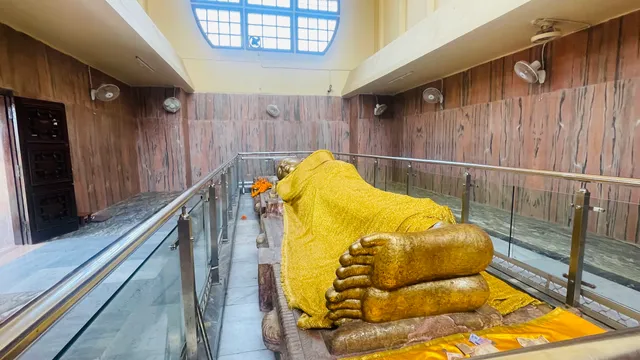
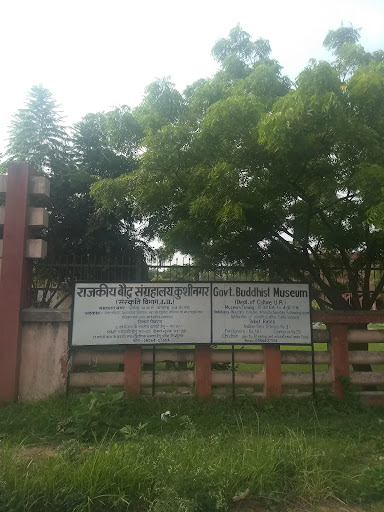
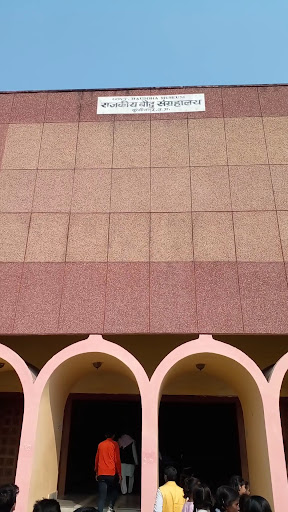
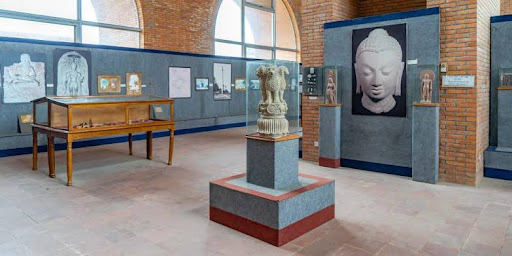
The Buddhist Museum in Kushinagar, India, is a treasure trove of ancient artifacts that offer invaluable insights into the rich history and cultural heritage of Buddhism. Located in close proximity to the revered Parinirvana Stupa, the museum houses a diverse collection of sculptures, pottery, coins, and other archaeological finds that span centuries of Buddhist history. A Glimpse into the Past: The museum's collection primarily comprises artifacts unearthed during excavations conducted in and around Kushinagar. These discoveries shed light on the region's vibrant past, revealing the flourishing of Buddhist art and culture over centuries. The exhibits showcase the evolution of Buddhist iconography, architectural styles, and religious practices, offering visitors a unique glimpse into the lives and beliefs of early Buddhists. Key Highlights of the Museum: Sculptures: The museum boasts a remarkable collection of Buddhist sculptures, ranging from small figurines to life-sized statues. These sculptures depict various deities, including Buddha, Bodhisattvas, and other celestial beings. The intricate craftsmanship and serene expressions of these sculptures are a testament to the artistic prowess of ancient Indian sculptors. Terracotta Art: The museum houses a significant collection of terracotta artifacts, including figurines, pottery, and decorative items. These artifacts provide valuable insights into the daily lives of people living in and around Kushinagar during different historical periods. Coins: The numismatic collection at the museum features a wide range of ancient coins, including those minted during the Kushan and Gupta periods. These coins offer valuable insights into the economic and political history of the region. Architectural Fragments: The museum also displays fragments of ancient structures, including bricks, pillars, and decorative elements. These fragments provide valuable clues about the architectural styles prevalent in Kushinagar during different periods. The Significance of the Museum: The Buddhist Museum in Kushinagar plays a crucial role in preserving and showcasing the rich cultural heritage of Buddhism. It serves as an invaluable resource for scholars, researchers, and students who are interested in learning more about the history and evolution of Buddhism in India. Furthermore, the museum offers a unique opportunity for visitors to connect with the past and gain a deeper understanding of the profound impact of Buddhism on Indian art, culture, and society. The serene ambiance of the museum, coupled with the fascinating exhibits, creates a conducive environment for reflection and contemplation. Beyond the Artifacts: The Buddhist Museum in Kushinagar is not merely a repository of ancient artifacts; it also serves as an important center for cultural exchange and education. The museum regularly organizes workshops, seminars, and exhibitions to promote awareness about Buddhist art, culture, and history. These initiatives help to connect the past with the present and inspire future generations to appreciate and preserve the rich cultural heritage of India. The Museum as a Pilgrimage Site: For Buddhist pilgrims, the museum offers a unique opportunity to deepen their understanding of Buddhist teachings and connect with the spiritual legacy of the past. The artifacts on display offer tangible reminders of the lives and teachings of Buddha and his disciples, inspiring visitors to reflect on their own spiritual journey. Conclusion: The Buddhist Museum in Kushinagar is a must-visit destination for anyone interested in exploring the rich history and cultural heritage of Buddhism. The museum's diverse collection of artifacts provides a unique window into the past, offering valuable insights into the lives, beliefs, and artistic expressions of early Buddhists. As a center for cultural exchange and education, the museum plays a vital role in preserving and promoting the rich cultural heritage of India for generations to come. Additional Insights: The Museum's Role in Education: The...
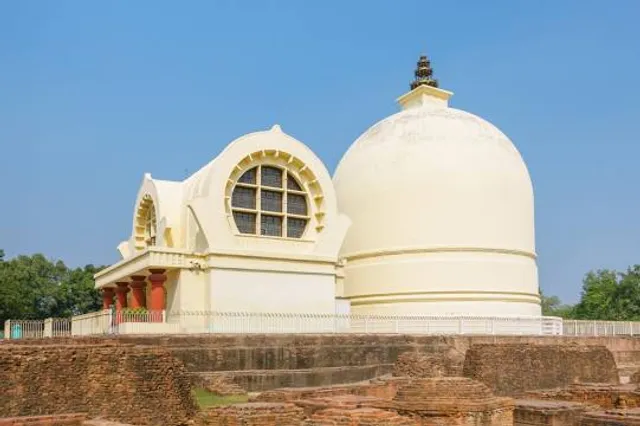
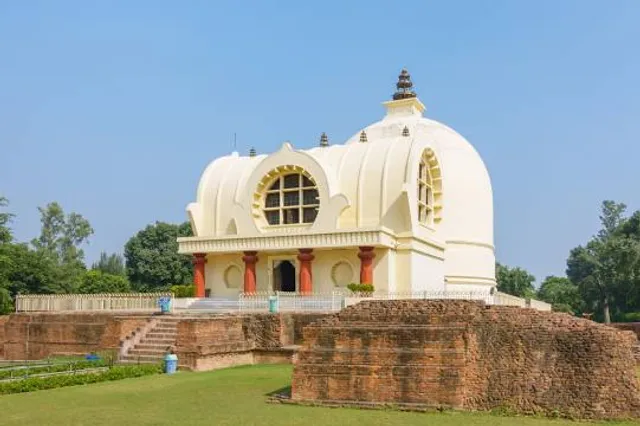
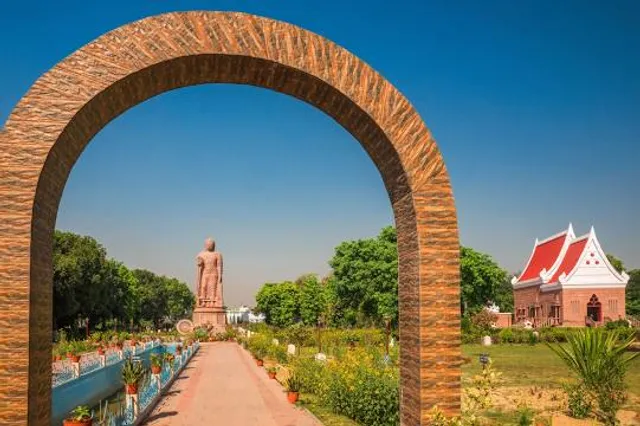
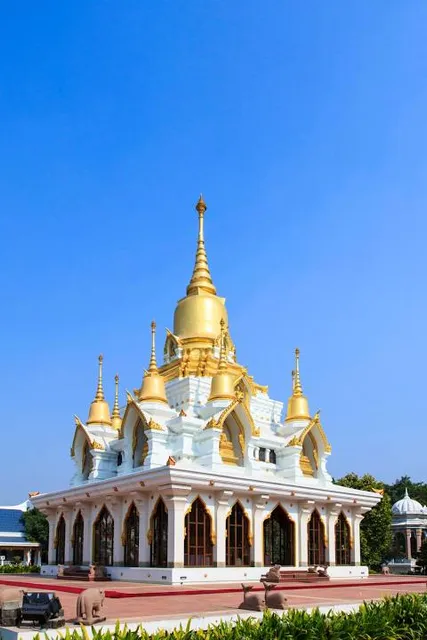
Read moreThe Kushinagar Museum is located near the Indo Japan and Sri Lankan Buddhist Center. The Kushinagar Museum, Kushinagar is the enormous storehouse of critical collectibles like statues, carved panels to other artifacts excavated from the diverse Stupas and monasteries. The Kushinagar Museum, Kushinagar changed into constructed some years back and sooner or later restored in 1992-93. Get a glimpse of the Buddhist icons, architectural stays, bronzes, clay seals and Buddhist Thangkas or banner artwork within the Kushinagar Museum, Kushinagar. From ancient cash of the Mallas to the sculpted image of Lord Buddha, the Kushinagar Museum is one in every of the ideal destinations for the vacationers. There is a Stucco statue of Lord Buddha in the meditation posture within the Kushinagar Museum, Kushinagar. Besides the Kushinagar Museum you can visit the opposite locations on to Kushinagar, Uttar Pradesh. One of the principal Stupas is likewise the Ramabhar Stupa. Another main traveler attraction is the Nirvana Temple. The information say that Lord Buddha exceeded away close to this temple. There is a tall statue of Lord Buddha in the Nirvana temple which is positioned in Kushinagar. The Watt Thai Temple is one of the maximum visited temples in Kushinagar. The Japanese temple is also one of the lovely temples in Uttar Pradesh and the Chinese temple with Oriental layout and decor may even entice the tourists. Weather: Summer 25°C to 40°C...
Read moreIt is dedicated to preserving and showcasing artifacts and exhibits related to the life of Lord Buddha and Buddhist culture. Kushinagar is a significant pilgrimage site for Buddhists as it is believed to be the place where Lord Buddha attained Mahaparinirvana (final nirvana).
Key features of the museum include:
Artifacts and relics related to the history of Buddhism.
Sculptures and statues of Lord Buddha in various poses.
Historical exhibits related to Buddhist sites in Kushinagar and around the world.
Paintings and inscriptions that depict events from the life of Buddha.
The museum offers a spiritual and educational experience for visitors, attracting both pilgrims and history...
Read more