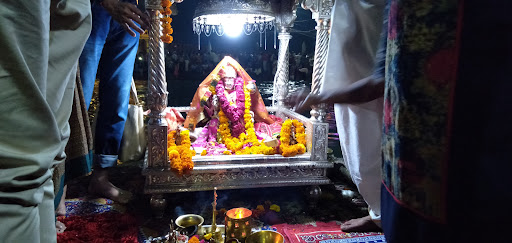
Nestled on the banks of the Ganga Ghat, this ashram is an ideal sanctuary for meditation and spiritual pursuits, offering a serene environment that fosters inner peace and self-discovery. Established in 1944 by Hans Ji Maharaj, the ashram's origins trace back to a profound moment when he witnessed a snake and a mongoose drinking water together at the Ganga Ghat. Inspired by the harmonious energy of the place, he decided to create an ashram here. Today, the sprawling Prem Ashram is managed by Satpal Maharaj Ji and stands as a testament to its founder's vision.
One of the ashram's highlights is the Govardhan Hall, a massive space dedicated to satsang and meditation. As the largest hall in Asia, it spans 6,000 square meters and features a unique single-span design without supporting columns. Encircled by corridors on all four sides, the hall creates an awe-inspiring sense of vastness, capable of accommodating up to 25,000 people. Stepping inside, one feels as though they have entered a boundless, tranquil space.
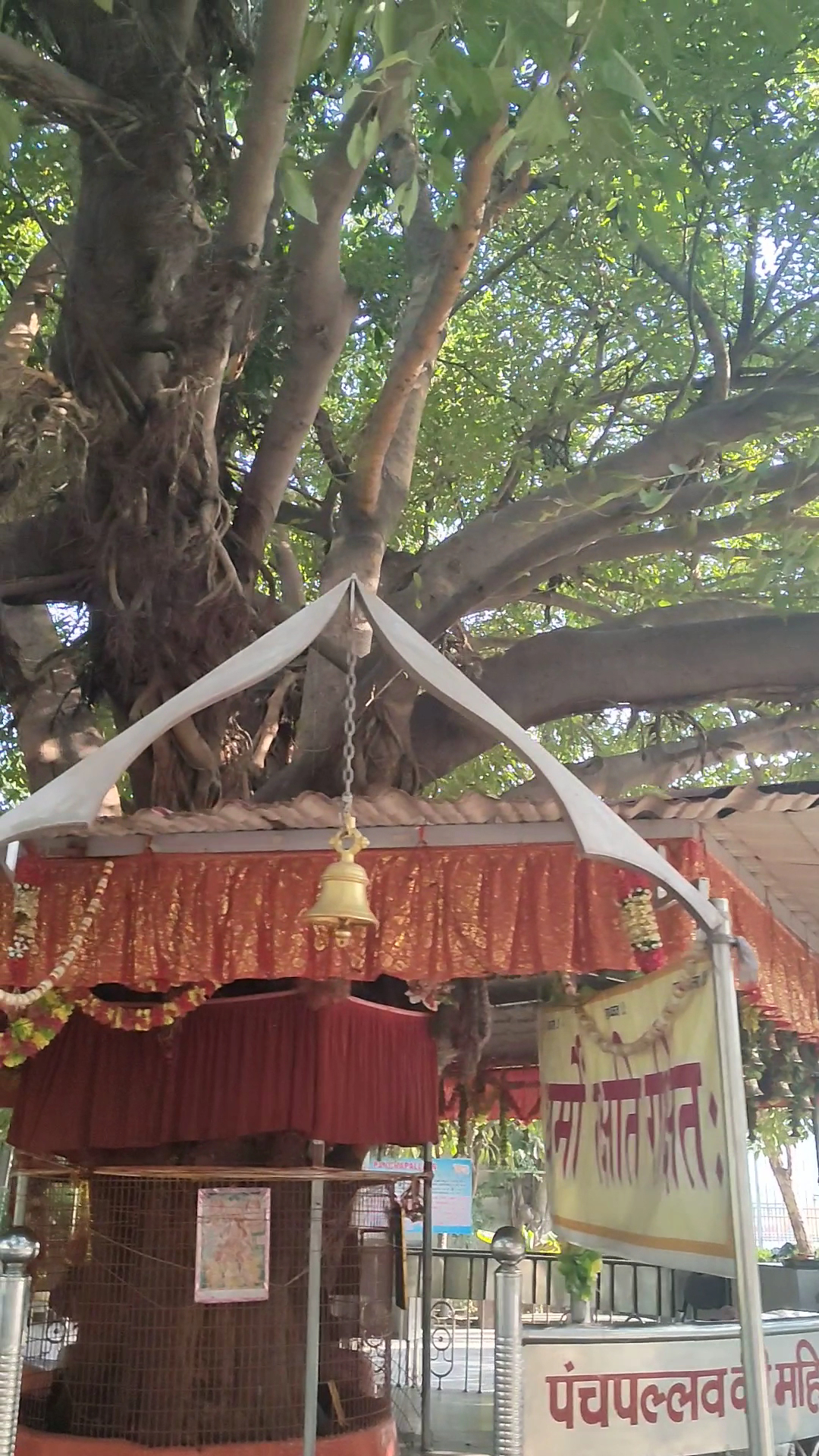
Another notable feature is the sacred Panch Pallav tree, where five different trees—vata, pipal, pakar, mango, and gular—grow together from a single base. The leaves of this ancient tree are considered auspicious and are used in religious rituals. Symbolizing the five senses, the five leaves of Pancha Pallav are placed atop a water vessel during puja, representing the divine feminine energy.
The ashram also boasts a stunning Lord Shiva Fountain, which becomes a mesmerizing sight at night when illuminated with multicolored lights. Additionally, the campus includes well-maintained, three-story restroom (toilet) facilities for men and women, a temple, and lush green lawns dotted with numerous trees, including the sacred Rudraksh tree.
Over time, the area surrounding the ashram has transformed into a bustling, upscale neighborhood with various commercial establishments and showrooms of major brands. Situated at the confluence of Jawalapur, Kankhal, and Haridwar, the ashram remains a peaceful retreat amidst the growing urban landscape.
To ensure transparency and prevent fraud, the ashram does not offer online booking for accommodations. Visitors are encouraged to make arrangements directly through the ashram's...
Read moreShri Prem Nagar Ashram is the premier Ashram established by Shri Hans Ji Maharaj and further developed by Jagat Janani Shri Mata Ji and Shri Satpal Ji Maharaj. Situated on the banks of Ganges, Hardwar is one of the holiest pilgrimage places in India. For thousands of years, it has been the chosen retreat of saints, sages and pilgrims who after retiring from worldly involvement pursued a solitary life of study, meditation & austerity. Shri Prem Nagar Ashram is situated on Jwalapur Road, 3 kilometres from the town of Hardwar, between the major pilgrimage places of Hardwar, Jwalapur and Kankhal. Located as it is between the swiftly-flowing yet serene Ganges and the foothills of the Himalayas, it is an ideal and tranquil setting for spiritual practice. The twin peaks of Chandi Devi and Mansa Devi, capped by temples, are visible from the Ashram. The sounds of nearby temple bells and devotional songs are carried on the morning and evening breezes, mingling with birdsong and augmenting the peaceful and contemplative atmosphere of the Ashram. Founded in 1944 by Yogiraj Satgurudev Shri Hans Ji Maharaj, the building and shaping of Prem Nagar was his and his devotees’ labour of love. When the land was purchased, it was rocky and overgrown with thorny scrub, and its only inhabitants were snakes and scorpions, Yet Shri Hans Ji Maharaj had a vision: “From here to the street, we’ll construct a long driveway bordered by beautiful gardens. We’ll build seven arches along it. Over there we’ll build a huge satsang hall which will be adorned with quotations from the saints and divine Masters of all religions. The driveway gardens will be decorated with fountains, benches and flowerbeds. The pathway itself will have raised borders carrying quotations from saints and scriptures about the spiritual experience, service, love and devotion. Devotees will read them as they walk down the path, and this will purify their minds and prepare them for satsang and meeting the...
Read moreThis Ashram belongs to Satpal Maharaj, a cabinet minister in Uttarakhand Government and located at the heart of the Haridwar. Before he was in Congress party. Satpal Maharaj a spiritual leader and a political figure has many followers specially in Uttarakhand, Uttar Pradesh,Bihar, West Bengal,Odisha. This ashram has a wide territory in which they have facility to stay, to organize a function, a homeopathy clinic etc. This Ashram's illegal encroachment was a matter of dispute for a long time and this causes several fights between Satpal maharaj's followers and oppositon.
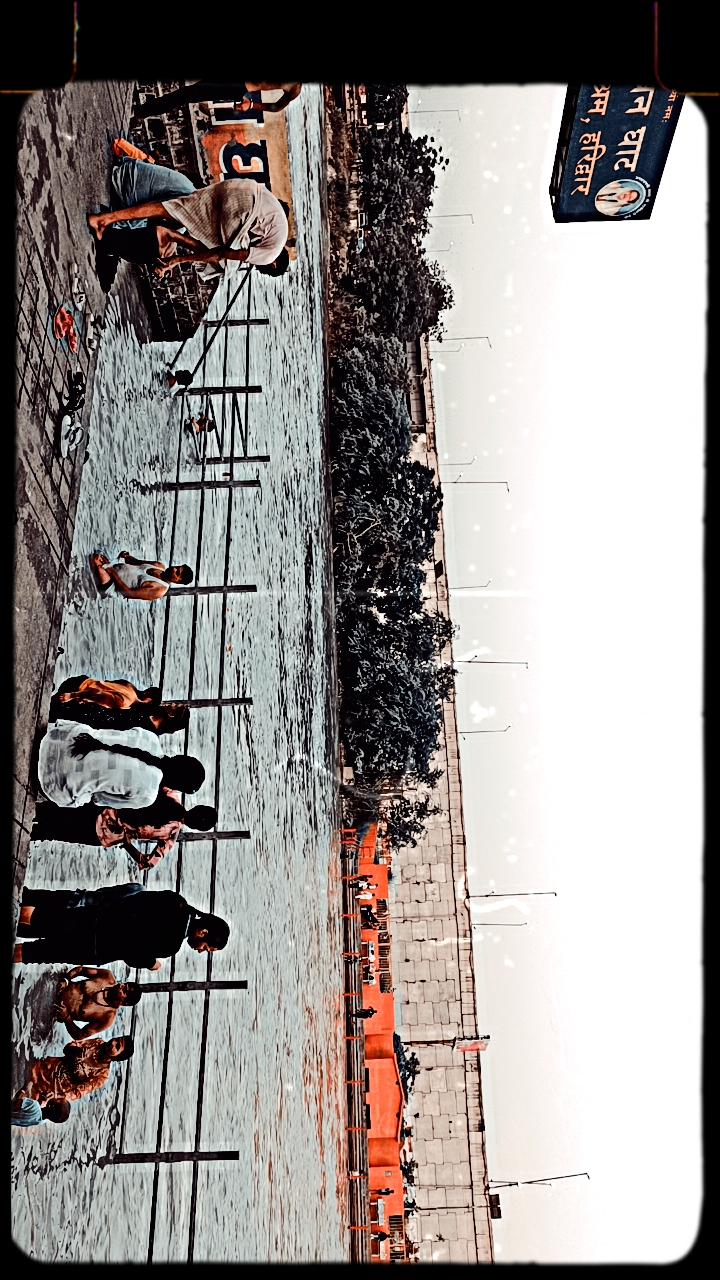
One of the Gate of this Ashram opens at the Haridwar-Jwalapur road(station road) and the opposite one at the Upari Gang Nehar( Ganga Canal) where a big bank is named as Prem Nagar ghat. People use to come at this ghat to take holy bath and to visit as well.
Nearby places:
Chandracharya chowk ,Shankar Ashram, Prem Nagar Ganga bridge , Bhagat singh chowk and Singhdwar are just at walking distance from this place(within 1 Km).
How to go here:
From Delhi, Roorkee, Saharanpur side: Get down at prem nagar bridge from the bus and just walk. From railway station and bus stop: Take an auto direct to prem nagar ashram(10 Rupees). Prem nagar ashram is just on Haridwar-Jwalapur straight road.
How to go at different places from here:-
Ranipur mode, Rishikul, Devpura chowk, Railway station, Bus stop, Shiv murti, Lattarao pul, Main Post office, Mansa devi, Harki paudi ------------ Just opposite to the Ashram gate, you can take three wheeler to go to these places. Fare is 5 INR to 20 INR. All these places. Three wheeler runs maximum upto Main Post office, beyond that if you want to go to Mansa devi and Harki paudi, you can go by rickshaw. Well Mansa devi is at walking distance. All these places are on a single straight road and are at increasing distance order. Like Ranipur mode is nearest and Harki paudi is...
Read more