The Batasia Eco Garden is a serene and picturesque destination in the hill town of Darjeeling, West Bengal, India. Nestled amidst the lush greenery and rolling hills of the Eastern Himalayas, the garden is a harmonious blend of natural beauty and human creativity. It is an exemplary model of sustainable tourism and ecological preservation. With its captivating scenery, rich biodiversity, and cultural significance, Batasia Eco Garden has become a must-visit attraction for travelers seeking tranquility and a deeper connection with nature.
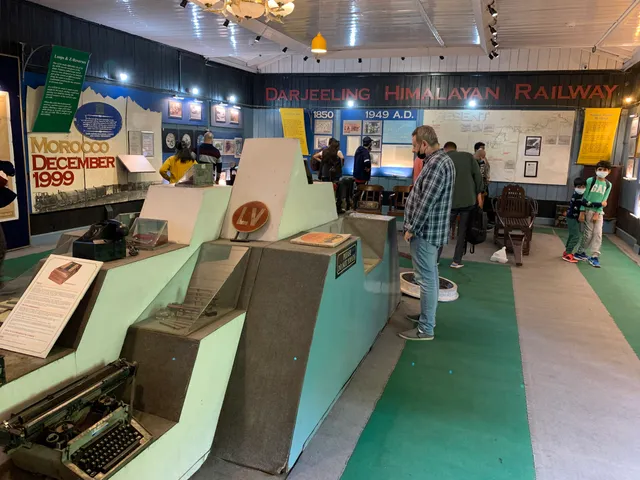
Location and Accessibility Batasia Eco Garden is situated along the Darjeeling Himalayan Railway (DHR), a UNESCO World Heritage Site, approximately 5 kilometers from the main town of Darjeeling. Its location on Hill Cart Road makes it easily accessible by road, and it is often a stopover for tourists heading to other prominent attractions, such as the Tiger Hill sunrise viewpoint. The garden is built around the iconic Batasia Loop, a marvel of engineering where the narrow-gauge toy train takes a spiral loop to descend the steep gradient.
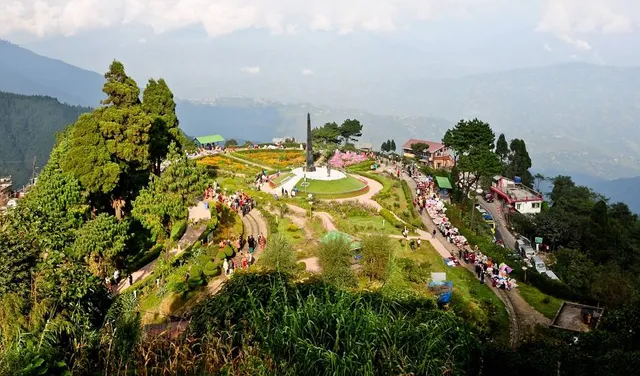
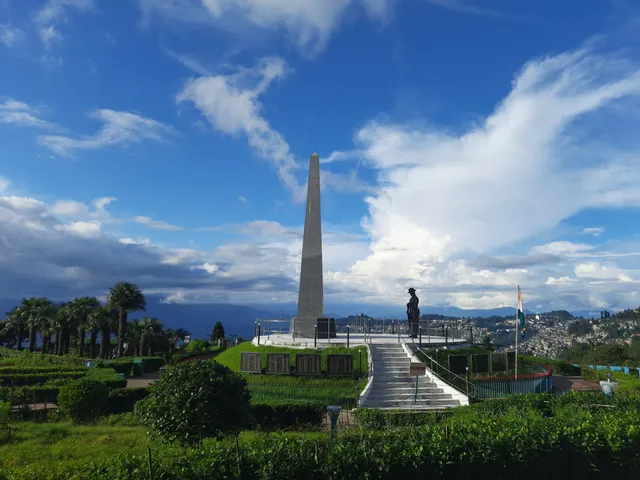
Historical and Cultural Significance The Batasia Loop was constructed in 1919 to overcome the steep incline of the railway track. Over time, the area around it was developed into the Batasia Eco Garden, which showcases Darjeeling’s commitment to preserving its natural and cultural heritage. At the center of the garden stands a War Memorial dedicated to the brave Gorkha soldiers who sacrificed their lives for the nation. This memorial adds a solemn yet inspiring aura to the garden, attracting visitors who come to pay their respects.
Design and Landscape The Batasia Eco Garden is designed to blend seamlessly with the natural contours of the land. It features terraced gardens adorned with vibrant flowers, manicured lawns, and quaint pathways. The garden's layout maximizes the stunning views of the surrounding mountains, including the majestic Kanchenjunga, the third-highest peak in the world. On clear days, visitors are treated to an unparalleled panoramic view of the snow-capped Himalayas.
The garden also includes water features, such as small ponds and fountains, which add to its charm. Benches and shaded gazebos are strategically placed to allow visitors to relax and soak in the beauty of their surroundings. The pathways are lined with indigenous plants and trees, showcasing the region’s rich floral diversity.
Biodiversity and Ecological Importance One of the main highlights of the Batasia Eco Garden is its role in promoting biodiversity and ecological balance. The garden is home to a wide variety of native plant species, including rhododendrons, orchids, and ferns. These plants not only enhance the garden's aesthetic appeal but also support the local ecosystem by providing habitat and food for birds, butterflies, and insects.
The garden also serves as an educational platform, raising awareness about the importance of conserving Himalayan biodiversity. Informational plaques and guided tours educate visitors about the flora and fauna of the region, as well as the challenges posed by climate change and deforestation.
Sustainability and Eco-Tourism Batasia Eco Garden exemplifies sustainable tourism practices. The garden is maintained with eco-friendly methods, such as rainwater harvesting, composting, and organic gardening. These initiatives minimize the ecological footprint of the garden and set a benchmark for other tourist destinations in the region.
The garden also supports the local economy by employing residents and promoting local crafts and products. Souvenir shops at the garden sell handmade items, traditional clothing, and organic tea, providing visitors with an opportunity to contribute to the community while taking home a piece of Darjeeling’s culture.
Attractions and Activities Beyond its natural beauty, the Batasia Eco Garden offers several attractions and activities for visitors of all ages:
War Memorial: The centerpiece of the garden, the War Memorial, is a solemn tribute to the Gorkha...
Read moreBatasia Eco Garden: A Guide
Batasia Eco Garden is a picturesque and serene garden located in Darjeeling, West Bengal, India. It's often associated with the famous Batasia Loop, an engineering marvel of the Darjeeling Himalayan Railway (Toy Train).
Here's a breakdown of what makes Batasia Eco Garden special:
Location and Accessibility:
It is situated at a high altitude in the enchanting hills of Darjeeling, West Bengal.
It's about 3-5 kilometers from Darjeeling town and just below Ghoom station.
You can reach it by walking from Darjeeling town (around 1.5 km from Chowrasta), taking a shared jeep towards Ghum, hiring a cab, or even cycling.
The Darjeeling Toy Train also passes through the Batasia Loop, making a 360-degree turn, and often stops for a short duration, allowing passengers to enjoy the views.
Key Features and Attractions:
Stunning Views: Batasia Eco Garden offers breathtaking panoramic views of the Darjeeling landscape, including the hill town and the majestic, snow-capped Kanchenjunga mountain range (weather permitting). This makes it a popular spot for photographers.
Well-Manicured Gardens: The garden itself is beautifully landscaped with a wide variety of seasonal and perennial flowers, shrubs, and lush greenery. It's a treat for nature lovers. You can find unique species like ginkgo biloba, silver fir, and rhododendrons.
Batasia Loop: The garden encircles the iconic Batasia Loop, a spiral railway track engineered in 1919 to help the toy train negotiate a steep 140-foot descent from Ghoom station. Watching the toy train chug around the loop is a unique experience.
War Memorial: At the center of the Batasia Loop and within the garden stands a poignant War Memorial. This 3-meter-high bronze statue pays tribute to the brave Gorkha soldiers from the Darjeeling Hills who sacrificed their lives for India's independence and in various conflicts.
Eco-friendly Focus: The "Eco Garden" aspect highlights its focus on showcasing local flora and potentially providing information on organic farming and plantations in the region.
Activities and Experience:
Leisurely Walks: Visitors can stroll along winding pathways, enjoying the vibrant flowers and crisp mountain air.
Picnics: It's an excellent spot for picnics amidst the beautiful surroundings.
Photography: The scenic beauty and mountain backdrop make it a perfect place for photography.
Toy Train Viewing: Witnessing the Darjeeling Toy Train complete its 360-degree loop is a major highlight.
Telescopic Views: Some facilities offer telescopes for a closer look at Darjeeling town and the surrounding mountains.
Relaxation and Contemplation: The serene atmosphere makes it a place for relaxation and quiet reflection.
Tips for Visitors:
Visit Early: Go early in the morning for the best views, fewer crowds, and to witness the sunrise over the mountains.
Wear Comfortable Shoes: There are winding paths to explore on foot.
Bring a Camera: You'll want to capture the stunning scenery.
Check Weather: Clear skies are essential for good views of Kanchenjunga.
Entry Fee: There is a small entry fee (around INR 20-50 per person), though toy train ticket holders might be exempt.
Batasia Eco Garden offers a perfect blend of natural beauty, historical significance, and a unique railway experience, making it a must-visit destination...
Read more⭐⭐⭐⭐⭐ (5/5) Stunning Engineering, Serene Garden & Heartfelt Tribute 🇮🇳
Batasia Loop is a breathtaking blend of historical ingenuity, natural beauty, and emotional resonance. Built in 1919 to help the Darjeeling Himalayan Railway manage a steep descent from Ghum, this spiral track is more than just an engineering feat—it’s an unforgettable experience .
Driving here from Darjeeling takes just 15–20 minutes via Hill Cart Road, making it a convenient stop ideally timed for sunrise. Arriving early reveals the loop nestled in a vibrantly landscaped eco‑garden, full of seasonal flowers, rhododendrons, silver firs, tea plants, and rare ginkgo biloba—all maintained organically across ~50,000 sq ft .
The moment you hear the cheerful whistle of the Toy Train as it rounds the double circular track—visible from the garden—it’s pure nostalgia. The train halts at the loop for 10–15 minutes and grants visitors a generous window to wander, photograph, or simply enjoy the sight .
At the heart of this scenic landscape stands a poignant War Memorial (established in 1995), featuring a cenotaph and a 9‑ft bronze statue of a Gorkha soldier. The tribute to brave Gorkha soldiers who sacrificed for the nation adds a deeply moving dimension to the visit .
During my visit, I appreciated the well-timed entrance fee (≈₹20, waived for toy‑train passengers), telescopes for rent (~₹50), and friendly vendors selling souvenirs and warm Darjeeling tea—making the spot perfect for refreshment and reflection .
Pro Tips:
Best visited early morning (5 – 8 AM), especially in spring or autumn, for clear sunlight and unobstructed views of the majestic Kanchenjunga .
Wear comfy walking shoes and layers—the altitude can bring a chill even mid‑day.
Don’t miss dressing up in traditional Nepali or Lepcha attire (₹50) for memorable photos .
Final Thoughts: Batasia Loop isn’t just a photo stop—it’s a living tapestry of engineering brilliance, Himalayan scenery, local culture, and soulful homage. Whether you're a history buff, engineer enthusiast, nature lover, or just in love with Darjeeling’s charm, this loop is an absolute must on...
Read more