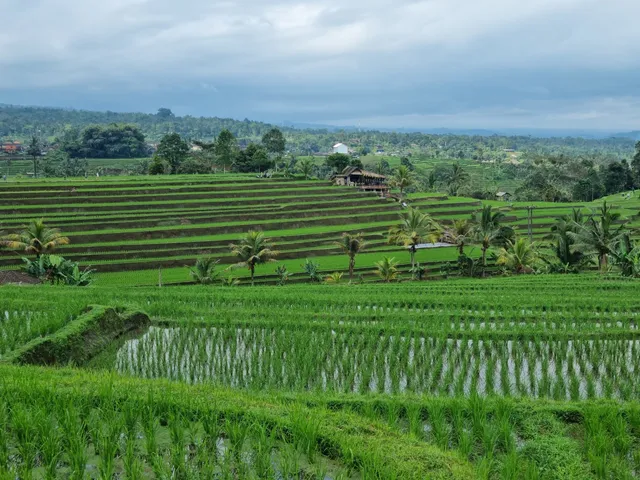
Must visit destination in Bali. The rice terraces are beautiful and well kept. We enjoyed the hiking paths, the majority were paved.
The location was much quieter (through the whole day) and less touristy than the Tegallalang rice terraces we visited for sunrise the day before.
I would recommend a visit to both Tegallalang and Jatiluwih as they are different. However, we preferred the serenity of Jatiluwih; fewer tourists trying to Instagram shots!
We also visited rice terraces in Sideman (I loved Sideman) and Munduk. Jatiluwih is bigger and better for exploring/hiking.
There is a clear map of the hiking tracks available. Some of the tracks were closed/damaged. I explain our experience below.
We got up for sunrise and planned to complete the white route (5KM). We started at the bottom parking when looking at map (parking with the temple picture). We got to point 38 marked on the map to find that the white path had been washed away in a landslide. It was not possible to continue.
This information was not clear to us when we started the trek. I am not sure how far the white route can be trekked if you start at the opposite end?!
We hiked back up the white route with the plan to take the brown (looks orange on the map) route. The brown route is under construction so this was not possible either!
Ended up going back to the red route and taking this across the fields at point 20. We then took the yellow track back to the road (past point 30 on the map). We had planned to take the blue route to the road (passing point 34), but this route was not clearly visible off the yellow route?! We may have missed it, but there was another area closed off due to a smaller landslide, so perhaps this section is also damaged?
We still enjoyed our morning walk and would highly recommend a night in Jatiluwih.
Check images of Jatiluwih when you plan to visit, the rice will change through the seasons. These images were taken at the...
ย ย ย Read moreJatiluwih Rice Terraces: A Peaceful Escape into Baliโs Heart
Jatiluwih Rice Terraces, a UNESCO World Heritage site, offers a breathtaking glimpse into Baliโs agricultural heritage and natural beauty. Situated in the cool highlands of Tabanan Regency, the terraces are a living testament to the islandโs traditional โsubakโ irrigation system, which has sustained these lush landscapes for centuries.
I recently explored the area by taking the Orange Trail, a scenic route that promised panoramic views of the rice paddies. While the map estimated the hike would take 1.5 to 2 hours, I managed to complete it in about 50 minutes, moving at a steady yet relaxed pace. The path winds through vibrant green fields, alongside flowing irrigation channels, and past small huts that dot the terraces. The tranquility of the surroundings was unmatched, and the gentle rustling of the rice plants in the breeze added to the peaceful atmosphere.
What truly stood out to me was the warmth of the local farmers. As I walked, many were busy tending to their crops, but they always took a moment to greet me with a smile or a friendly โhello.โ Their presence made the experience feel authentic and connected, a reminder that these terraces are not just a tourist attraction but a vital part of the local way of life.
While the trail was mostly manageable, some sections were quite slippery, especially where the ground was damp. I would highly recommend wearing proper non-slip shoes to ensure a safe and comfortable walk. The effort is worth it, though, as every turn reveals a new angle of the terraces, each more stunning than the last.
Overall, Jatiluwih Rice Terraces is a must-visit for anyone looking to immerse themselves in Baliโs culture and natural beauty. Whether youโre there for a leisurely hike or simply to soak in the views, itโs an experience that stays with you long...
ย ย ย Read moreThe Jatiluwih rice terraces in Bali are nothing short of breathtaking. Located in the Tabanan Regency, these terraces are a UNESCO World Heritage site, and it's easy to see why.
Landscape and Views Stretching as far as the eye can see, the rice terraces cascade down the slopes of Mount Batukaru. The vibrant green of the rice paddies contrasts beautifully with the blue sky and the distant mountains. The terraces are meticulously maintained, creating a stunning patchwork of varying shades of green.
Cultural Significance Jatiluwih isn't just a feast for the eyes; it's a living example of Bali's traditional Subak irrigation system, which dates back to the 9th century. This system reflects the Balinese philosophy of Tri Hita Karana, which promotes harmony between humans, nature, and the spiritual world.
Activities Visitors can take leisurely walks along the pathways that crisscross the terraces, offering ample opportunities for photography and a chance to immerse themselves in the tranquil surroundings. There's also the option to rent bicycles for a more adventurous exploration.
Local Experience The area is dotted with small villages where you can experience traditional Balinese life. Friendly locals often invite visitors to learn about rice cultivation or to join in on local ceremonies.
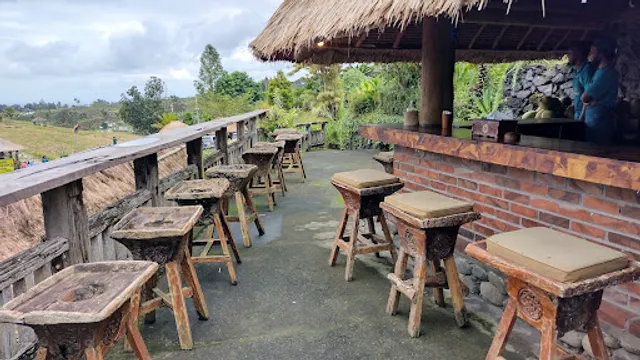
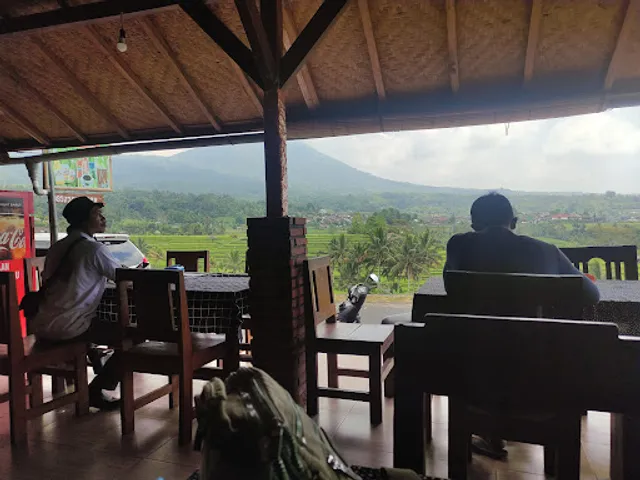
Dining There are several small restaurants and cafรฉs around the area, offering traditional Balinese cuisine. Enjoying a meal with the terraces as your backdrop is an experience not to be missed.
The Jatiluwih rice terraces are a place where nature and culture intertwine, offering a peaceful and enriching experience that stays with you long...
ย ย ย Read more