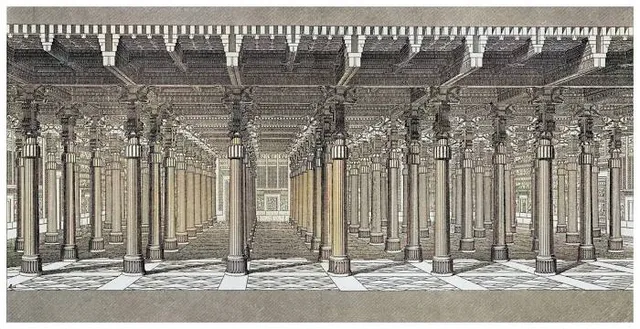
It is a good placeAs a word, "apadāna" (Old Persian𐎠𐎱𐎭𐎠𐎴, masc.) is used to designate a hypostyle hall, i.e., a palace or audience hall of stone construction with columns. The word is rendered in Elamite as ha-ha-da-na and in Babylonian ap-pa-da-an is etymologically ambiguous. It has been compared to the Sanskrit "apadana" ( आपादन) which means 'to arrive at', and also to the Sanskrit apa-dhā ( अपधा) which means "a hide-out or concealment", and the Greek apo-thēkē"storehouse". The word survived into later periods in Iran, as the Parthian 'pdn(y) or 'pdnk(y) "palace", and outside Iran it still survives in several languages as loan-words (including the Arabic fadan, the Armenian aparan-kʿ "palace".)
More precisely, however, this word is the direct ancestor of the medieval and modern architectural term, ayvan/aywan. The Old Persian term 𐎠𐎱𐎭𐎠𐎴, a-pad-an, standing for "unprotected", refers to the fact that the veranda-shaped structure is open to the outside elements on one of its four sides, and thus 'unprotected' / exposed to the natural elements. This is exactly what the Apadana palace has: open (columned) verandas on three sides—a unique feature among all palace buildings at Persepolis. The Parthianand Sasanian architects largely did away with the columns holding up the ceiling of the veranda, replacing them with a barrel vaulting, such as the famous Ayvan of Kisra at Ctesiphon. The later evolution of term into aywan in the post-Islamic architecture that evolved from the old "apadana", refers to both columned (such as the palace of Chehel Sotoun, Isfahan) or barrel vaulted (all the four-aywaned mosques). Like the old Apadana, the new aywans are also verandas: open to the natural elements on one side.
As a modern architectural and archaeological term, the word "apadana" is also used to refer to Urartian hypostyle halls, such as those excavated at Altintepe and Erebuni. These halls predate those from Persia, and it has been proposed that Urartu could be the stylistic origin of the later Persian hypostyle...
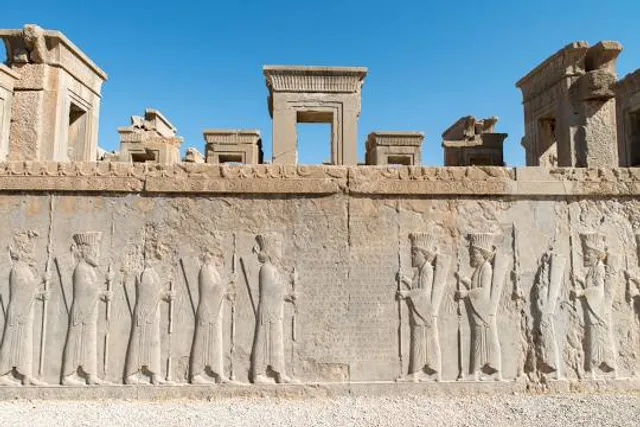
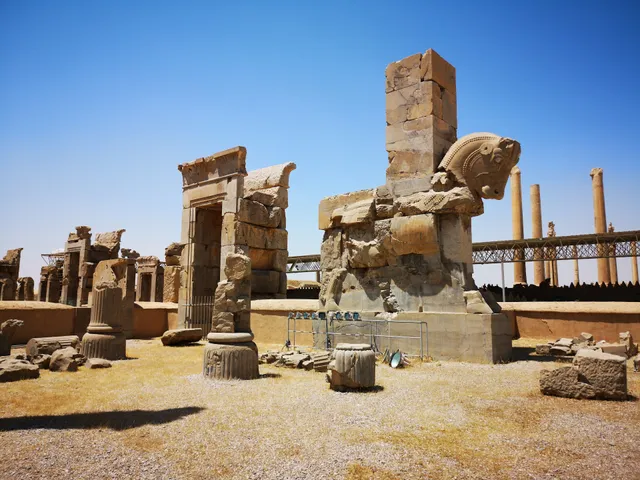
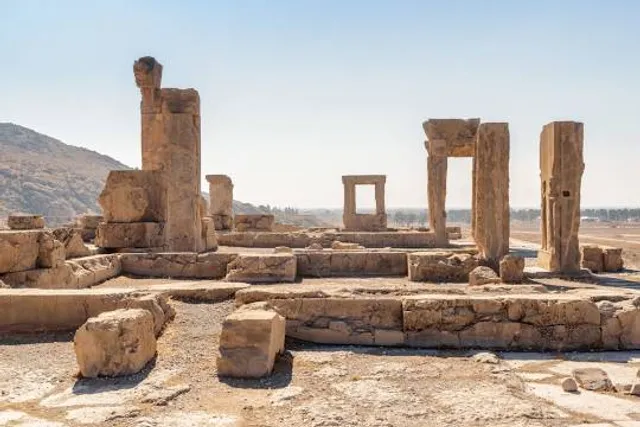
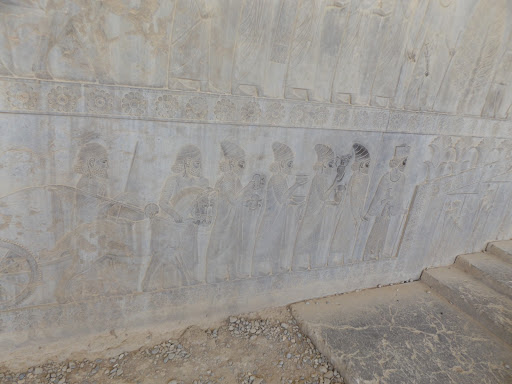
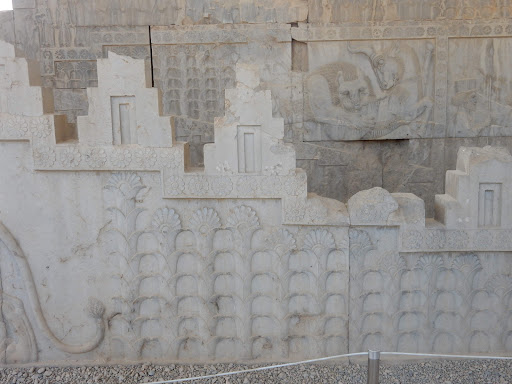
Read moreBy far the largest and most magnificent building is the Apadana, begun by Darius and finished by Xerxes, that was used mainly for great receptions by the kings. Thirteen of its seventy-two columns still stand on the enormous platform to which two monumental stairways, on the north and on the east, give access. They are adorned with rows of beautifully executed reliefs showing scenes from the New Year’s festival and processions of representatives of twenty-three subject nations of the Achaemenid Empire, with court notables and Persians and Medes, followed by soldiers and guards, their horses, and royal chariots. Delegates in their native attire, some completely Persian in style, carry gifts as token of their loyalty and as tribute to the king. These gifts include silver and gold vessels and vases, weapons, woven fabrics, jewelry, and animals from the delegates’ own countries. Although the overall arrangement of scenes seems repetitive, there are marked differences in the designs of garments, headdresses, hair styles, and beards that give each delegation its own distinctive character and make its origin unmistakable. Another means by which the design achieves diversity is by separating various groups or activities with stylized trees or by using these trees alone to form ornamental bands. There is also an intentional usage of patterns and rhythms that, by repeating figures and groups, conveys a grandiose...
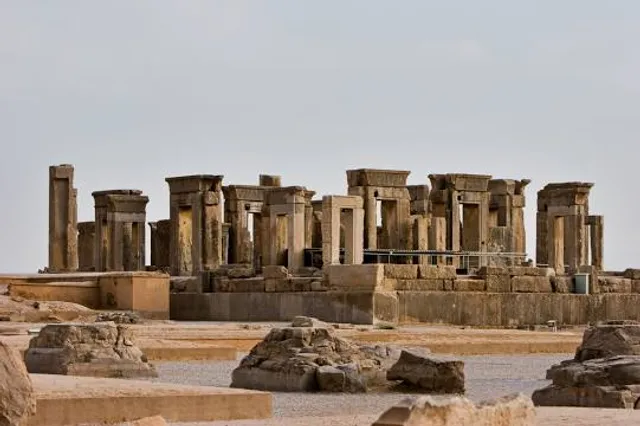
Read moreIl palazzo dell'Apadana o palazzo di Dario e Serse è uno dei palazzi interni di Persepoli. Il palazzo è costituito da una sala centrale rettangolare con 36 colonne e tre portici, nelle direzioni nord, est e ovest (ciascuno con 12 colonne) e quattro torri nei quattro angoli esterni della sala e una serie di stanze di guardia a sud. La costruzione dell'Apadana fu iniziata da Dario il Grande e fu completata al tempo di Serse. Il livello di questo palazzo è di circa tre metri più alto del pavimento del cortile e del pavimento کاخ آپادانا یا کاخ بار داریوش و خشایارشا یکی از کاخهای اندرونی تخت جمشید است. این کاخ مشتمل است بر یک تالار چهارگوش مرکزی با ۳۶ ستون و سه ایوان، در جهتهای شمال، شرق و غرب (هر یک با ۱۲ ستون) و چهار برج در چهار گوشه بیرونی تالار و یک رشته اتاق نگهبانی که در جنوب آن قرار دارند. بنای کاخ آپادانا به دست داریوش بزرگ آغاز شد و در زمان خشایارشا تکمیل گردید. سطح این کاخ به حدود سه متر از کف حیاط آپادانا و کف دروازه همه کشورها بلندتر ساخته شدهاست.در فروردین سال ۱۳۲۰ خ یک قطعه از چنین روکشی را هنگام کوتاه کردن دیوارهای خشتی باستانی در ناحیه اتاقهای جنوبی قصر آپادانا در میان دیوار یافتهاند که اندازه آن ۱۲ در ۳۱ سانتیمتر است و ۲۸۹ گرم وزن دارد و رویش سه گاو بالدار، قلمزنی شدهاست و سوراخهایی بر روی آن تعبیه شده که جای میخهایی را که با آن به در وصلش میکردهاند نشان میدهد. دوتا از این گونه میخها از جنس طلا و به همراه صفحه بود. در سوی جنوب تالار مرکزی آپادانا، دو درگاه قرینه درگاههای شمالی به دهلیزی باز میشد که به انبارها و یک حیاط رواقدار میرسید. نور درون تالار بزرگ مرکزی از طریق دریچههای بزرگی که در دیوارهای شرقی و غربی (هر یک ۶ عدد) و دیوار شمالی (۵ عدد) تعبیه کرده بودند، تأمین میشد دیوار جنوبی پنج تا طاقچه بزرگ داشت.
ساختمان این کاخ کار از دید داریوش بزرگ کاری سترگ و ماندنی بود و به همین سبب او فرمان داد تا نام و نشان خود و ایران (ایرانشهر) را بر چهار خشت زرین و چهار خشت سیمین هریک به طول و عرض ۳۳ سانتینتر و پهنای ۱۵ میلیمتر به سه زبان و خط پارسی باستان، بابلی وایلامی نقر کردند و چهار جعبه سنگی که هر کدام ۴۵ سانتیمتر طول و عرض و ۱۵ سانتیمتر بلندی داشت ساختند و در هر جعبه، یک لوح زرین و یک لوح سیمین به همراه چند سکه، از نوع سکههای ایونیه و لودیه و یونان، که در آن روزگار رواج داشت (در ۵۱۵ پیش از میلاد، هنوز سکههای داریوش، موسم به داریک، یا داریوشی ضرب نشده بود) قرار دادند و در چهار گوشه تالار مرکزی آپادانا، زیر پی دیوار آپادانا، با تخته سنگهایی سنگین مدفون ساختند. دو تا از این جعبهها و گنجینههایشان را در طول روزگار به تاراج بردهاند و جای خالی یکی از آنها در گوشه شمال غربی آپادانا در دل سنگ کوه، آشکار مانده بود. فردریک کرفتر در سال ۱۳۱۳ خ. به بررسی اینجای خالی پرداخت و نتیجه گرفت که باید در سه گوشه آن نیز نمونه آن یافت شود. پس از حفاری گوشهها و در گوشه شمال شرقی و جنوب شرقی جعبهها و گنجینه درون آنها را یافتند و به تهران فرستادند. اکنون یک جفت از لوحهها در موزه ملی ایران نگهداری میشود. روی هر یک از این چهار لوحه، متنی به سه زبان فاسی باستان(۱۰ سطر)، ایلامی (۷ سطر) و بابلی (۸ سطر) به خط میخی کندهاند. متن همه کتیبههای دوازدهگانه، یکسان و ترجمه آن چنین است:
داریوش شاه بزرگ، شاه شاهان، شاه کشورها، پسر ویشتاسپه از تخمة هخامنشی. داریوش شاه گوید: این است کشوری که من دارم. از جایگاه سکاهایی که آنسوی سغد تا برسد به حبشه، از هندوستان تا برسد به لودیه، آن را اهورامزدا، مهست خدایان، به من بخشیدا است. اهورامزدا مرا و این خاندان...
Read more