Gate of All Nations things to do, attractions, restaurants, events info and trip planning
Basic Info
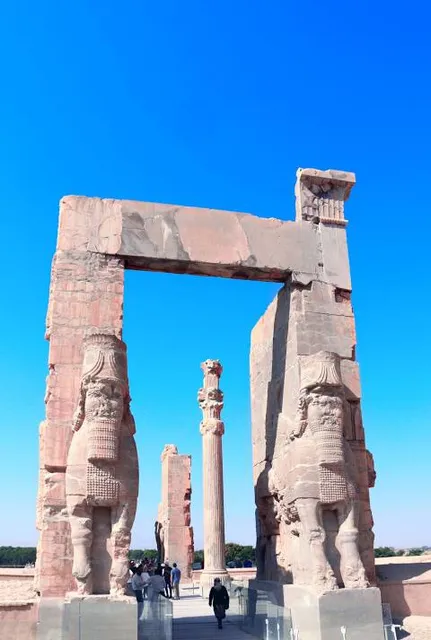
Gate of All Nations
Fars Province, Marvdasht, Shiraz - Persepolis, WVPQ+FJ6, Iran
4.9(143)
Closed
Save
spot
spot
Ratings & Description
Info
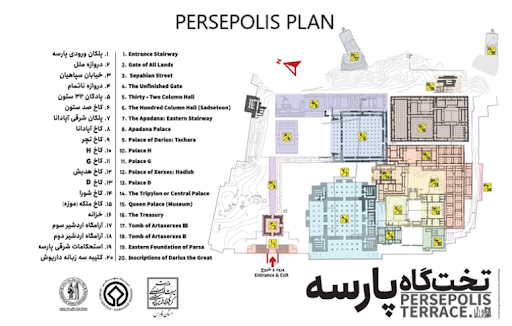
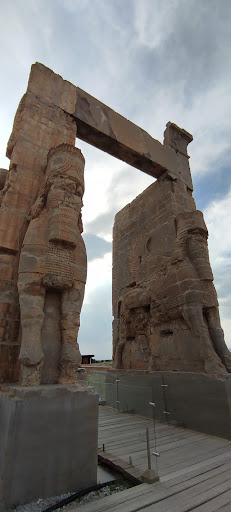
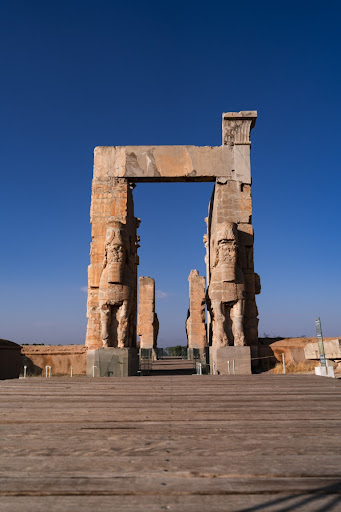
The Gate of All Nations, also known as the Gate of Xerxes, is located in the ruins of the ancient city of Persepolis, Iran. The construction of the Stairs of All Nations and the Gate of All Nations was ordered by the Achaemenid king Xerxes I, the successor of the founder of Persepolis, Darius I the Great.
Cultural
Scenic
Family friendly
attractions: Persepolis, Apadana Palace, Tachar Palace, Hadish Palace, Tomb of Artaxerxes III, Persepolis Park, restaurants: , local businesses: Entrance Gate To Persepolis, (Sadsetoon) The Hundred Column Hall
 Learn more insights from Wanderboat AI.
Phone
+98 71 4334 1556
Open hoursSee all hours
Sun8 a.m. - 6:30 p.m.Closed
Plan your stay

Pet-friendly Hotels in Persepolis
Find a cozy hotel nearby and make it a full experience.

Affordable Hotels in Persepolis
Find a cozy hotel nearby and make it a full experience.

The Coolest Hotels You Haven't Heard Of (Yet)
Find a cozy hotel nearby and make it a full experience.

Trending Stays Worth the Hype in Persepolis
Find a cozy hotel nearby and make it a full experience.
Reviews
Nearby attractions of Gate of All Nations
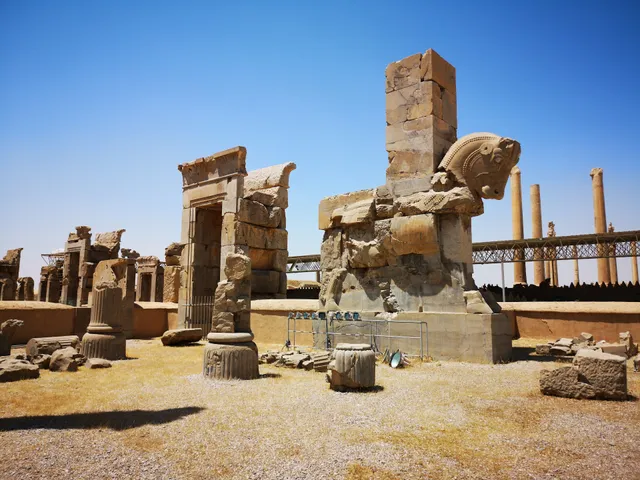
Persepolis
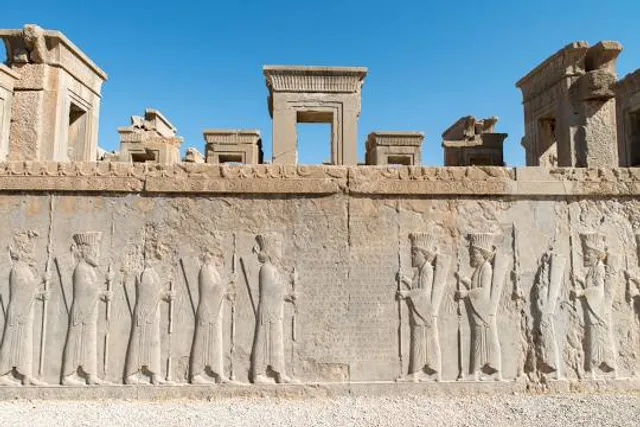
Apadana Palace
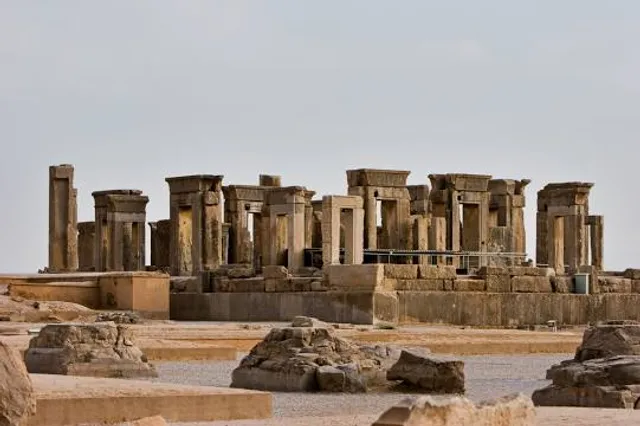
Tachar Palace
Hadish Palace
Tomb of Artaxerxes III
Persepolis Park
Persepolis
4.8
(3K)
Closed
Click for details
Apadana Palace
4.8
(146)
Closed
Click for details
Tachar Palace
5.0
(32)
Closed
Click for details
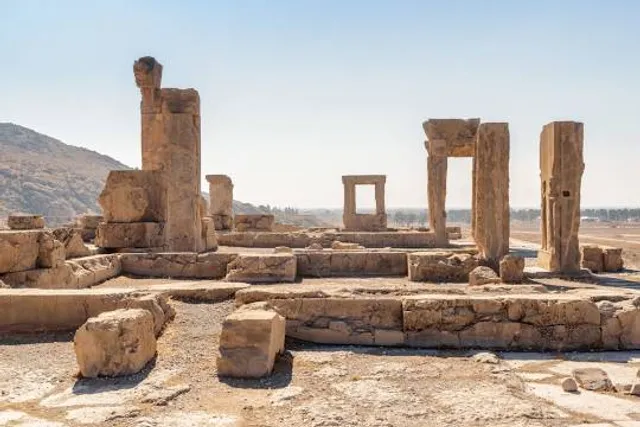
Hadish Palace
4.8
(94)
Closed
Click for details
Nearby local services of Gate of All Nations
Entrance Gate To Persepolis
(Sadsetoon) The Hundred Column Hall
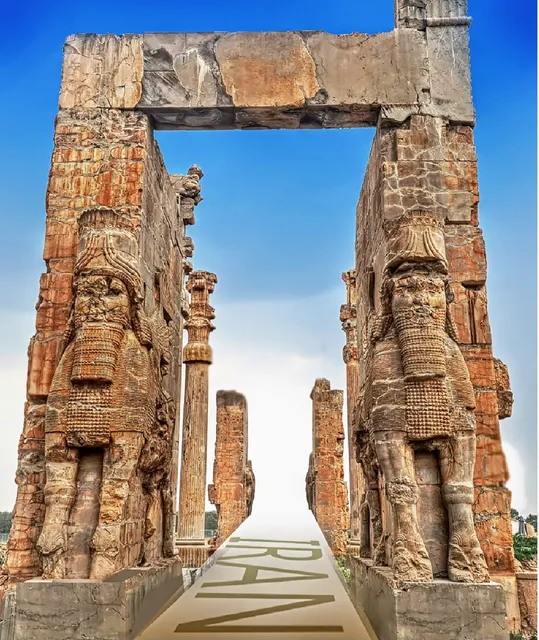
Entrance Gate To Persepolis
4.7
(10)
Click for details
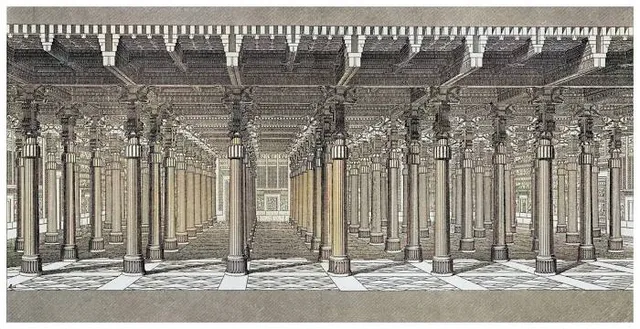
(Sadsetoon) The Hundred Column Hall
4.9
(32)
Click for details