HTML SitemapExplore
logo
Find Things to DoFind The Best Restaurants

Jame' Mosque of Isfahan — Attraction in Isfahan

Name
Jame' Mosque of Isfahan
Description
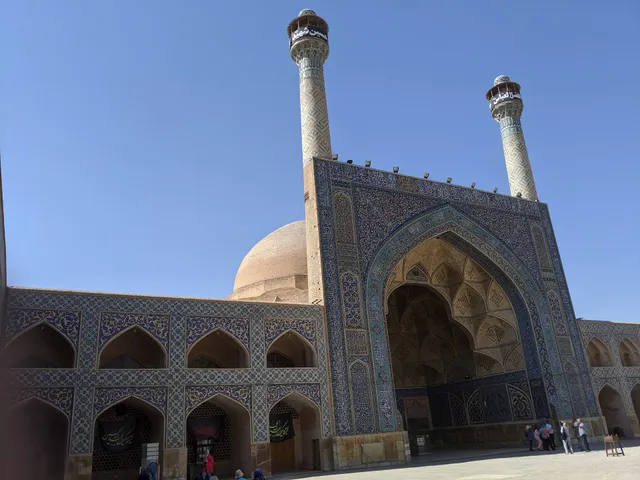
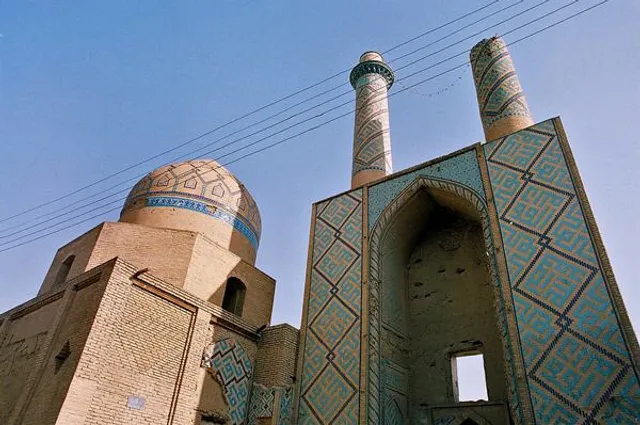
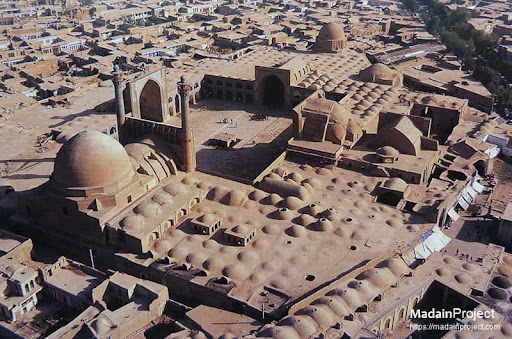
The Jāmeh Mosque of Isfahān or Jāme' Mosque of Isfahān, also known as the Atiq Mosque and the Friday Mosque of Isfahān, is a historic congregational mosque of Isfahan, Iran.
Nearby attractions
Imam Ali Square
Isfahan Province, Isfahan، میدان قیام میدان امام علی، خیابان مجلسی، MM8M+QJM, Iran
Javaheri Historical House
MM9J+VW4, Isfahan, Isfahan Province, Iran
خانه بهشتیان
Isfahan، کوچه شیخ بهایی، MM9M+99H, Iran
Baba Ghassem Mosque
Isfahan Province, Isfahan، اصفهان، خیابان علامه مجلسی،، کوچه بابا قاسم، MMFP+2F5, Iran
Aqa-Noor Mosque
MMCJ+QC9, Isfahan, Isfahan Province, Iran
Imam Ali Mosque
MM8M+555, Isfahan, Isfahan Province, Iran
Imam Zadeh Esmaiel
MM7P+947, Isfahan, Isfahan Province, Iran
Mohammad Jafar Abadei mosque
MM8H+QHV, Isfahan, Isfahan Province, Iran
Moshirolmolk historical house
MM7J+6M2, Isfahan, Isfahan Province, Iran
Darb-e Emam
Isfahan Province, Isfahan, Ebn e Sina، محلهٔ‌ قديمى سنبلستان، مجاور محلهٔ کهنسال دردشت، MM9G+GX3, Iran
Nearby restaurants
Nearby hotels
Related posts
Isfahan's Architectural Masterpieces: A Journey Through Persian Islami【Iran Travel Notes 】Isfahan Jameh Mosque 🕌✨
Keywords
Jame' Mosque of Isfahan tourism.Jame' Mosque of Isfahan hotels.Jame' Mosque of Isfahan bed and breakfast. flights to Jame' Mosque of Isfahan.Jame' Mosque of Isfahan attractions.Jame' Mosque of Isfahan restaurants.Jame' Mosque of Isfahan travel.Jame' Mosque of Isfahan travel guide.Jame' Mosque of Isfahan travel blog.Jame' Mosque of Isfahan pictures.Jame' Mosque of Isfahan photos.Jame' Mosque of Isfahan travel tips.Jame' Mosque of Isfahan maps.Jame' Mosque of Isfahan things to do.
Jame' Mosque of Isfahan things to do, attractions, restaurants, events info and trip planning
Jame' Mosque of Isfahan
IranIsfahan ProvinceIsfahanJame' Mosque of Isfahan

Basic Info

Jame' Mosque of Isfahan

Isfahan Province, Isfahan, Majlesi St, MM9P+V3C, Iran
4.7(505)
Open 24 hours
Save
spot

Ratings & Description

Info

The Jāmeh Mosque of Isfahān or Jāme' Mosque of Isfahān, also known as the Atiq Mosque and the Friday Mosque of Isfahān, is a historic congregational mosque of Isfahan, Iran.

Cultural
Family friendly
Accessibility
attractions: Imam Ali Square, Javaheri Historical House, خانه بهشتیان, Baba Ghassem Mosque, Aqa-Noor Mosque, Imam Ali Mosque, Imam Zadeh Esmaiel, Mohammad Jafar Abadei mosque, Moshirolmolk historical house, Darb-e Emam, restaurants:
logoLearn more insights from Wanderboat AI.
Phone
+98 31 3445 6400
Website
isfahanjamehmosque.com

Plan your stay

hotel
Pet-friendly Hotels in Isfahan
Find a cozy hotel nearby and make it a full experience.

hotel
Affordable Hotels in Isfahan
Find a cozy hotel nearby and make it a full experience.

hotel
The Coolest Hotels You Haven't Heard Of (Yet)
Find a cozy hotel nearby and make it a full experience.

hotel
Trending Stays Worth the Hype in Isfahan
Find a cozy hotel nearby and make it a full experience.

Reviews

Nearby attractions of Jame' Mosque of Isfahan

Imam Ali Square

Javaheri Historical House

خانه بهشتیان

Baba Ghassem Mosque

Aqa-Noor Mosque

Imam Ali Mosque

Imam Zadeh Esmaiel

Mohammad Jafar Abadei mosque

Moshirolmolk historical house

Darb-e Emam
Imam Ali Square

Imam Ali Square

4.3

(480)

Open 24 hours
Click for details
Javaheri Historical House

Javaheri Historical House

4.3

(46)

Open 24 hours
Click for details
خانه بهشتیان

خانه بهشتیان

4.6

(9)

Open 24 hours
Click for details
Baba Ghassem Mosque

Baba Ghassem Mosque

4.8

(14)

Open 24 hours
Click for details
Get the Appoverlay
Get the AppOne tap to find yournext favorite spots!
Wanderboat LogoWanderboat

Your everyday Al companion for getaway ideas

CompanyAbout Us
InformationAI Trip PlannerSitemap
SocialXInstagramTiktokLinkedin
LegalTerms of ServicePrivacy Policy

Get the app

© 2025 Wanderboat. All rights reserved.
logo

Reviews of Jame' Mosque of Isfahan

4.7
(505)
avatar
4.0
5y

Masjid-e-Jāmeh Isfahān (مسجد جامع اصفهان), also known as the Friday Mosque (مسجد جمعه) or the Masjid Jameh Atiq (مسجد جامع عتیق), is the grand, congregational mosque (Jāmeh) of Isfahān city, within Isfahān Province, Iran. The mosque is the result of continual construction, reconstruction, additions and renovations on the site from around 771 to the end of the 20th century.

This is one of the oldest mosques still standing in Iran, and it was built in the four-iwan architectural style, placing four gates face to face. The mosque’s core structure dates primarily from the 11th century when the Seljuk Turks established Isfahan as their capital. Ablution fountain can be seen in the foreground. Under the reign of Malik Shah I (ruled 1072-1092) and his immediate successors, the mosque grew to its current four-iwan design. The mosque has been a UNESCO World Heritage Site since 2012.

Built during the Umayyad dynasty, it is rumored in Isfahan that one of the pillars of this Mosque were personally built by the Caliph in Damascus. Prior to it becoming a Mosque, it is said to have been a house of worship for Zoroastrians. Responding to functional needs of the space, political ambition, religious developments, and changes in taste, over the centuries additions and modifications took place incorporating elements from the Mongols, Muzzafarids, Timurids and Safavids.

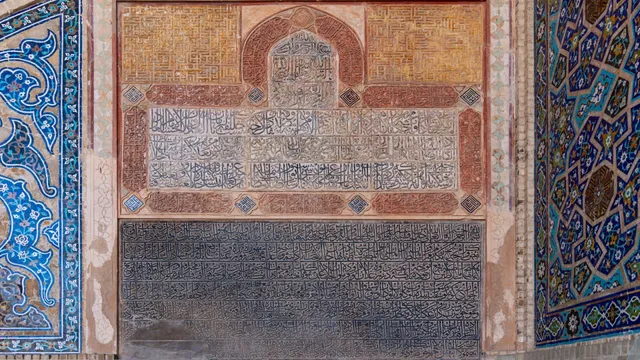
Of the most note is the elaborately carved stucco mihrab commissioned in 1310 by Mongol ruler Oljaytu, located in a side prayer hall built within the western arcade. This part of a building is named Oljaytu Mosque. The exquisite stucco mihrab is adorned with dense Quranic inscriptions and floral designs.

This domed interior was reserved for the use of the ruler and gives access to the main mihrab of the mosque.

The cupolas and piers that form the hypostyle area between the iwans are undated and varied in style, endlessly modified with repairs, reconstructions and additions. Dome soffits (undersides) are crafted in varied geometric designs (inspect) and often include an oculus, a circular opening to the sky. Vaults, sometimes ribbed, offer lighting and ventilation to an otherwise dark space.

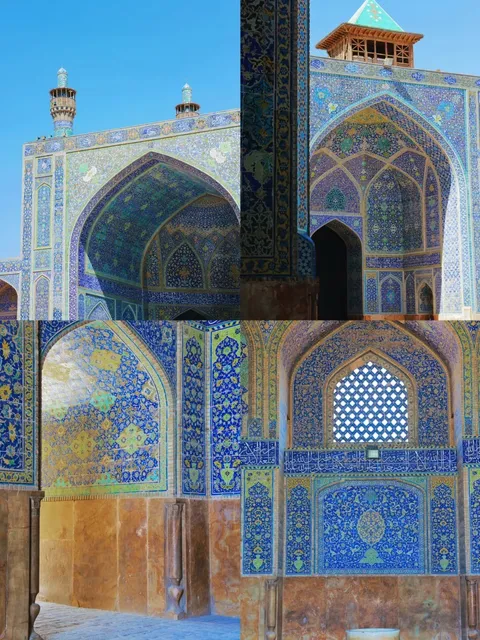
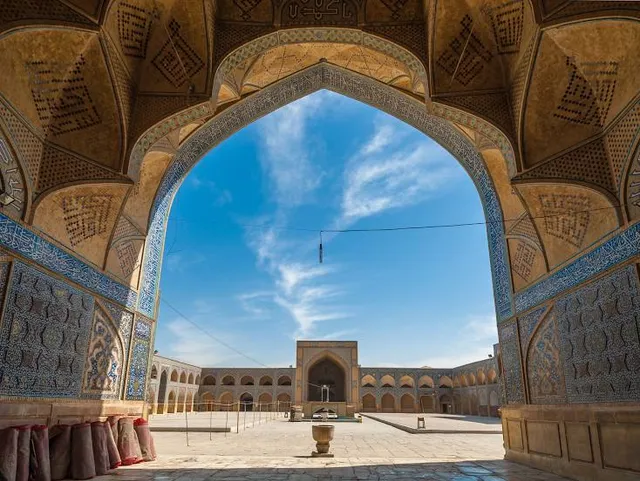
The qibla iwan on the southern side of the mosque was vaulted with muqarnas during the 13th century. The qibla iwan is the only one flanked by two cylindrical minarets. Iwans were also added in stages under the Seljuqs, giving the mosque its current four-iwan form, a type which subsequently became prevalent in Iran and the rest of the Islamic world. Safavid intervention was largely decorative, with the addition of muqarnas, glazed tilework, and minarets flanking the south Qibla iwan.

Linking the four iwans at the center is a large courtyard open to the air, which provides a tranquil space from the hustle and bustle of the city. Brick piers and columns support the roofing system and allow prayer halls to extend away from this central courtyard on each side. The roof of the mosque is a panoply of unusual but charming domes crowning its...

   Read more
avatar
5.0
2y

The Great Mosque of Isfahan or the Friday Mosque, this wonderful and precious monument is of great artistic importance and is one of the most important and oldest religious buildings in Iran and world-famous. This mosque is one of the largest, most mysterious and secret mosques in the Islamic world, the main building was built in the first Islamic centuries on the basis of an ancient building associated with the late Sasanian period. The current appearance of the mosque is mainly associated with one of the relics of the Seljuk era, and the most important development projects were implemented during the Boyuid and Safavid periods. The Great Mosque of Isfahan reflects Byzantine and classical art in the form of a traditional and Islamic building in the Razi architectural style. The mosque contains many buildings, including: a courtyard with four balconies, doors, the Muzaffari madrasa, small domes from the Daylamite era, the dome of Nizam al-Mulk, the dome of Taj al-Mulk, the mihrab of Uljaitu (the most beautiful ornate and inlaid mihrab), and four famous balconies with names inscribed on them. Many people, students and dervishes. Each part of this building represents Islamic architecture in a certain period. The mosque also contains several entrances, each of which connects the mosque to the buildings surrounding it, and we can see all kinds of lines in Persian and Arabic...

   Read more
avatar
4.0
34w

The Imam Mosque of Isfahan, also known as the Masjid-i-Jāmé, is one of the most magnificent and historically significant mosques in Iran. Located in the heart of Isfahan’s UNESCO-listed Naqsh-e Jahan Square, the mosque was constructed between 1611 and 1630 during the Safavid dynasty under the rule of Shah Abbas I.

The mosque is renowned for its stunning architecture, including a large dome, intricate tile work, and beautiful courtyards. The Imam Mosque is an exemplary representation of Islamic architecture from the Safavid period, with elements such as the iconic blue tiles, large prayer halls, and decorative Islamic calligraphy. The mosque’s design also incorporates elements of Persian, Islamic, and Mughal architecture, showcasing the cultural exchange during that time.

One of the most striking features of the mosque is its impressive iwan (arched hall) and its massive central dome, which is known for its excellent acoustics. The structure’s layout is a perfect blend of geometric patterns and Islamic architectural principles.

Today, the Imam Mosque is not only a religious center but also a major tourist attraction, drawing visitors from around the world to admire its beauty and architectural prowess. It remains one of Isfahan’s greatest cultural and...

   Read more
Page 1 of 7
Previous
Next

Posts

Isfahan's Architectural Masterpieces: A Journey Through Persian Islami
Lara EverleighLara Everleigh
Isfahan's Architectural Masterpieces: A Journey Through Persian Islami
【Iran Travel Notes 】Isfahan Jameh Mosque 🕌✨
Emily JohnsonEmily Johnson
【Iran Travel Notes 】Isfahan Jameh Mosque 🕌✨
Jalal Mohamed H M S (Mohammed Jalal)Jalal Mohamed H M S (Mohammed Jalal)
Masjid-e-Jāmeh Isfahān (مسجد جامع اصفهان), also known as the Friday Mosque (مسجد جمعه) or the Masjid Jameh Atiq (مسجد جامع عتیق), is the grand, congregational mosque (Jāmeh) of Isfahān city, within Isfahān Province, Iran. The mosque is the result of continual construction, reconstruction, additions and renovations on the site from around 771 to the end of the 20th century. This is one of the oldest mosques still standing in Iran, and it was built in the four-iwan architectural style, placing four gates face to face. The mosque’s core structure dates primarily from the 11th century when the Seljuk Turks established Isfahan as their capital. Ablution fountain can be seen in the foreground. Under the reign of Malik Shah I (ruled 1072-1092) and his immediate successors, the mosque grew to its current four-iwan design. The mosque has been a UNESCO World Heritage Site since 2012. Built during the Umayyad dynasty, it is rumored in Isfahan that one of the pillars of this Mosque were personally built by the Caliph in Damascus. Prior to it becoming a Mosque, it is said to have been a house of worship for Zoroastrians. Responding to functional needs of the space, political ambition, religious developments, and changes in taste, over the centuries additions and modifications took place incorporating elements from the Mongols, Muzzafarids, Timurids and Safavids. Of the most note is the elaborately carved stucco mihrab commissioned in 1310 by Mongol ruler Oljaytu, located in a side prayer hall built within the western arcade. This part of a building is named Oljaytu Mosque. The exquisite stucco mihrab is adorned with dense Quranic inscriptions and floral designs. This domed interior was reserved for the use of the ruler and gives access to the main mihrab of the mosque. The cupolas and piers that form the hypostyle area between the iwans are undated and varied in style, endlessly modified with repairs, reconstructions and additions. Dome soffits (undersides) are crafted in varied geometric designs (inspect) and often include an oculus, a circular opening to the sky. Vaults, sometimes ribbed, offer lighting and ventilation to an otherwise dark space. The qibla iwan on the southern side of the mosque was vaulted with muqarnas during the 13th century. The qibla iwan is the only one flanked by two cylindrical minarets. Iwans were also added in stages under the Seljuqs, giving the mosque its current four-iwan form, a type which subsequently became prevalent in Iran and the rest of the Islamic world. Safavid intervention was largely decorative, with the addition of muqarnas, glazed tilework, and minarets flanking the south Qibla iwan. Linking the four iwans at the center is a large courtyard open to the air, which provides a tranquil space from the hustle and bustle of the city. Brick piers and columns support the roofing system and allow prayer halls to extend away from this central courtyard on each side. The roof of the mosque is a panoply of unusual but charming domes crowning its hypostyle interior.
See more posts
See more posts
hotel
Find your stay

Pet-friendly Hotels in Isfahan

Find a cozy hotel nearby and make it a full experience.

Isfahan's Architectural Masterpieces: A Journey Through Persian Islami
Lara Everleigh

Lara Everleigh

hotel
Find your stay

Affordable Hotels in Isfahan

Find a cozy hotel nearby and make it a full experience.

Get the Appoverlay
Get the AppOne tap to find yournext favorite spots!
【Iran Travel Notes 】Isfahan Jameh Mosque 🕌✨
Emily Johnson

Emily Johnson

hotel
Find your stay

The Coolest Hotels You Haven't Heard Of (Yet)

Find a cozy hotel nearby and make it a full experience.

hotel
Find your stay

Trending Stays Worth the Hype in Isfahan

Find a cozy hotel nearby and make it a full experience.

Masjid-e-Jāmeh Isfahān (مسجد جامع اصفهان), also known as the Friday Mosque (مسجد جمعه) or the Masjid Jameh Atiq (مسجد جامع عتیق), is the grand, congregational mosque (Jāmeh) of Isfahān city, within Isfahān Province, Iran. The mosque is the result of continual construction, reconstruction, additions and renovations on the site from around 771 to the end of the 20th century. This is one of the oldest mosques still standing in Iran, and it was built in the four-iwan architectural style, placing four gates face to face. The mosque’s core structure dates primarily from the 11th century when the Seljuk Turks established Isfahan as their capital. Ablution fountain can be seen in the foreground. Under the reign of Malik Shah I (ruled 1072-1092) and his immediate successors, the mosque grew to its current four-iwan design. The mosque has been a UNESCO World Heritage Site since 2012. Built during the Umayyad dynasty, it is rumored in Isfahan that one of the pillars of this Mosque were personally built by the Caliph in Damascus. Prior to it becoming a Mosque, it is said to have been a house of worship for Zoroastrians. Responding to functional needs of the space, political ambition, religious developments, and changes in taste, over the centuries additions and modifications took place incorporating elements from the Mongols, Muzzafarids, Timurids and Safavids. Of the most note is the elaborately carved stucco mihrab commissioned in 1310 by Mongol ruler Oljaytu, located in a side prayer hall built within the western arcade. This part of a building is named Oljaytu Mosque. The exquisite stucco mihrab is adorned with dense Quranic inscriptions and floral designs. This domed interior was reserved for the use of the ruler and gives access to the main mihrab of the mosque. The cupolas and piers that form the hypostyle area between the iwans are undated and varied in style, endlessly modified with repairs, reconstructions and additions. Dome soffits (undersides) are crafted in varied geometric designs (inspect) and often include an oculus, a circular opening to the sky. Vaults, sometimes ribbed, offer lighting and ventilation to an otherwise dark space. The qibla iwan on the southern side of the mosque was vaulted with muqarnas during the 13th century. The qibla iwan is the only one flanked by two cylindrical minarets. Iwans were also added in stages under the Seljuqs, giving the mosque its current four-iwan form, a type which subsequently became prevalent in Iran and the rest of the Islamic world. Safavid intervention was largely decorative, with the addition of muqarnas, glazed tilework, and minarets flanking the south Qibla iwan. Linking the four iwans at the center is a large courtyard open to the air, which provides a tranquil space from the hustle and bustle of the city. Brick piers and columns support the roofing system and allow prayer halls to extend away from this central courtyard on each side. The roof of the mosque is a panoply of unusual but charming domes crowning its hypostyle interior.
Jalal Mohamed H M S (Mohammed Jalal)

Jalal Mohamed H M S (Mohammed Jalal)

See more posts
See more posts