HTML SitemapExplore
logo
Find Things to DoFind The Best Restaurants

Ganjali Khan — Attraction in Kerman

Name
Ganjali Khan
Description
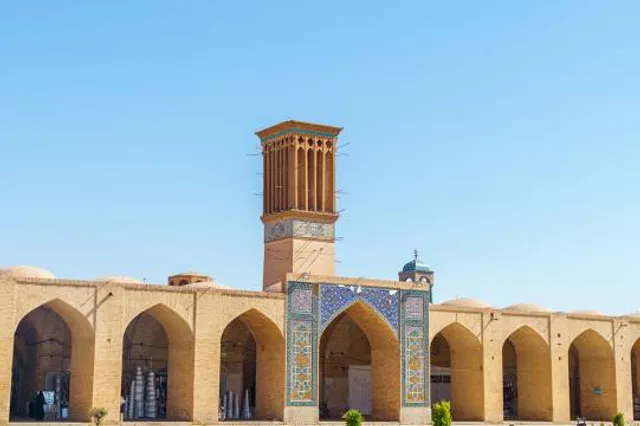
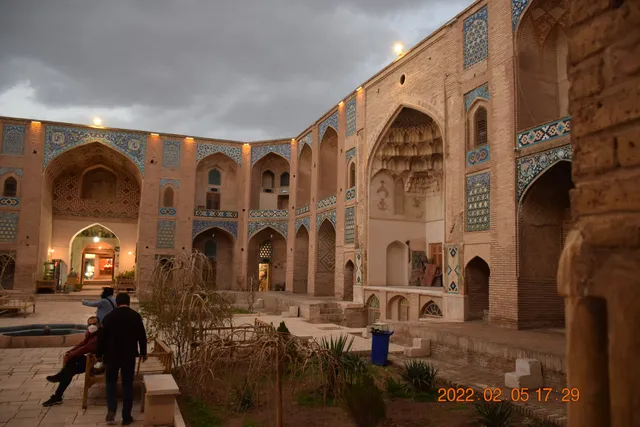
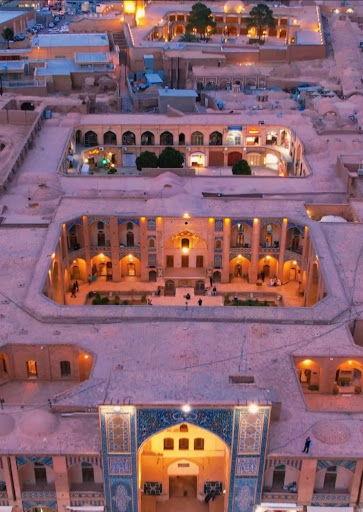
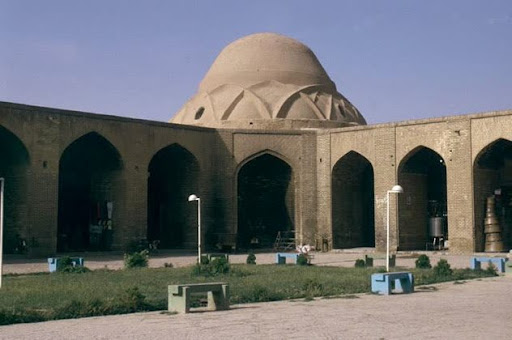
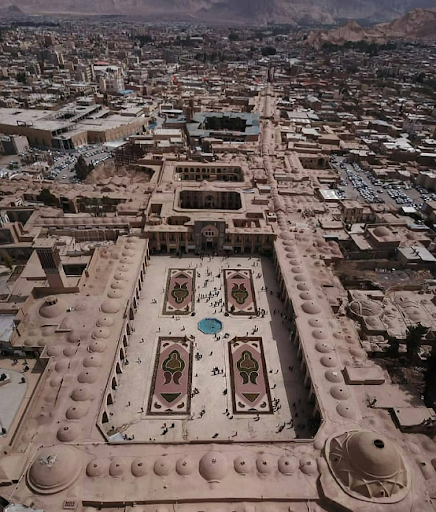
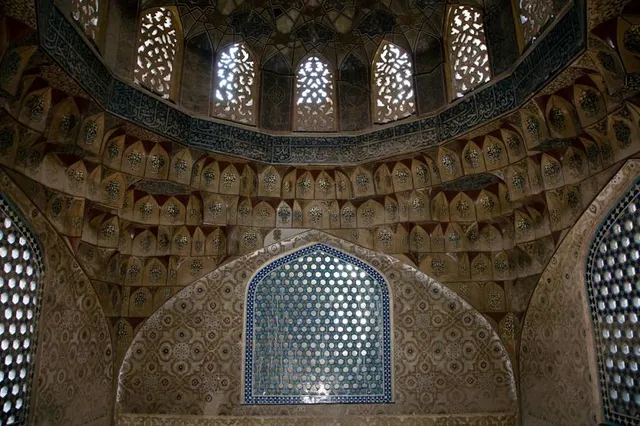
The Ganjali Khan Complex is a Safavid-era building complex, located in the old center of city of Kerman, Iran. The complex is composed of a school, a square, a caravanserai, a bathhouse, an Ab Anbar, a mint, a mosque and a bazaar.
Nearby attractions
Ganjali Khan Bathhouse
73RH+488, Kerman, Iran
Kerman Historical Bazaar
Kerman Province, Kerman، بازار گنجعلی خان، 73RH+8XJ, Iran
Coin Museum - ZarrabKhane GanjAlikhan
73RH+C5H, Kerman, Kerman Province, Iran
Bibi Hayati Museum
73RJ+9C4, Kerman, Kerman Province, Iran
Malek Historical Mosque
Kerman, Kerman Province, Iran
Jame Mosque of Kerman
Kerman Province, Kerman, Shohada Square, 73VM+2RQ, Iran
Khajeh atabak Tomb
Kerman Province, Kerman, Abouhamed St, 73XH+HV9, Iran
Nearby restaurants
Nearby hotels
Related posts
Keywords
Ganjali Khan tourism.Ganjali Khan hotels.Ganjali Khan bed and breakfast. flights to Ganjali Khan.Ganjali Khan attractions.Ganjali Khan restaurants.Ganjali Khan travel.Ganjali Khan travel guide.Ganjali Khan travel blog.Ganjali Khan pictures.Ganjali Khan photos.Ganjali Khan travel tips.Ganjali Khan maps.Ganjali Khan things to do.
Ganjali Khan things to do, attractions, restaurants, events info and trip planning
Ganjali Khan
IranKerman ProvinceKermanGanjali Khan

Basic Info

Ganjali Khan

73RH+CC5, Kerman, Kerman Province, Iran
4.5(143)
Open 24 hours
Save
spot

Ratings & Description

Info

The Ganjali Khan Complex is a Safavid-era building complex, located in the old center of city of Kerman, Iran. The complex is composed of a school, a square, a caravanserai, a bathhouse, an Ab Anbar, a mint, a mosque and a bazaar.

Cultural
Scenic
Family friendly
attractions: Ganjali Khan Bathhouse, Kerman Historical Bazaar, Coin Museum - ZarrabKhane GanjAlikhan, Bibi Hayati Museum, Malek Historical Mosque, Jame Mosque of Kerman, Khajeh atabak Tomb, restaurants:
logoLearn more insights from Wanderboat AI.
Website
miras.kr.ir

Plan your stay

hotel
Pet-friendly Hotels in Kerman
Find a cozy hotel nearby and make it a full experience.

hotel
Affordable Hotels in Kerman
Find a cozy hotel nearby and make it a full experience.

hotel
The Coolest Hotels You Haven't Heard Of (Yet)
Find a cozy hotel nearby and make it a full experience.

hotel
Trending Stays Worth the Hype in Kerman
Find a cozy hotel nearby and make it a full experience.

Reviews

Nearby attractions of Ganjali Khan

Ganjali Khan Bathhouse

Kerman Historical Bazaar

Coin Museum - ZarrabKhane GanjAlikhan

Bibi Hayati Museum

Malek Historical Mosque

Jame Mosque of Kerman

Khajeh atabak Tomb
Ganjali Khan Bathhouse

Ganjali Khan Bathhouse

4.5

(292)

Open 24 hours
Click for details
Kerman Historical Bazaar

Kerman Historical Bazaar

4.4

(131)

Open 24 hours
Click for details
Coin Museum - ZarrabKhane GanjAlikhan

Coin Museum - ZarrabKhane GanjAlikhan

4.3

(36)

Open 24 hours
Click for details
Bibi Hayati Museum

Bibi Hayati Museum

4.7

(22)

Open 24 hours
Click for details
Get the Appoverlay
Get the AppOne tap to find yournext favorite spots!
Wanderboat LogoWanderboat

Your everyday Al companion for getaway ideas

CompanyAbout Us
InformationAI Trip PlannerSitemap
SocialXInstagramTiktokLinkedin
LegalTerms of ServicePrivacy Policy

Get the app

© 2025 Wanderboat. All rights reserved.
logo

Reviews of Ganjali Khan

4.5
(143)
avatar
5.0
1y

Ganj Ali Khan complex is located in the historical center of Kerman city and next to Kerman Grand Bazaar. Ganj Ali Khan, who is one of the famous rulers of the time of Shah Abbas, ruled over Kerman from 1005 to 1034 AH and built many monuments and buildings and tried to settle this area. Among the public buildings left by this famous ruler, Ganj Ali Khan complex in Kerman city and Rabat Zain al-Din (Ganz Ali Khan Caravanserai) on Yazd-Kerman road, Hoz Khan reservoir on Kerman-Mashhad road and a number of aqueducts in Kerman city. A share of the revenue of the collection and aqueducts is given to Astan Quds Razavi. These buildings have suffered irreparable damage during the campaigns of Agha Mohammad Khan.

The area of ​​Ganj Ali Khan complex is 11,000 square meters and the elements of the complex and the year of their construction are: Square 1005 AH. Bazar, 1005 AH. AH, on the south side of Hammam, 1020 AH. AH, on the north side of the mint, on the east side of the school, 1007 AH. AH and Caravanserai 1021 AH. AH, on the west side of the reservoir 1021 A.H., on three sides of the square, there are Ganj Ali Khan markets, which form the copper market and part of the main street. The architect was a part of the collection of Ustad Sultan Mohammad and its founder was Ganj Ali Khan, the ruler of Kerman in the years 1005 to 1029 AH. There were four mosques on the four sides of the square, three of which remained, and the most beautiful of them is the mosque on the eastern side next to the caravanserai, which is considered a museum of decorative arts. The architectural style of this building is Isfahani style. The Ganj Ali Khan complex is a square in the central part of Kerman city, which is located on the edge of the large market, and like the Naqsh Jahan squares in Isfahan or Mirchakhmaq in Yazd, it has gathered some urban elements around it.

Ganj Ali Khan Bazar is located on 3 sides of the square and Ganj Ali Khan Palace is on the other side.

The presence of a bath, water tank, mint, and proximity to markets and four souqs completes this interwoven complex. Brick arches, tiling, green spaces, water ponds and other sights have added to the beauty of this square. The traditional and historical market of Kerman includes many markets from different periods: in this article, from the Safavid period to the Qajar period for...

   Read more
avatar
4.0
17w

Ganjali Khan Complex – A Masterpiece of Persian Urban Architecture in Kerman.

The Ganjali Khan Complex, in the historic city of Kerman, is a magnificent example of Safavid-era urban planning and Persian architecture.

Built in the early 17th century by Ganjali Khan, the governor of Kerman under Shah Abbas I, the complex was designed as a multifunctional civic center that served economic, social, and religious purposes. Its harmonious layout reflects the careful integration of aesthetics and function typical of Persian design.

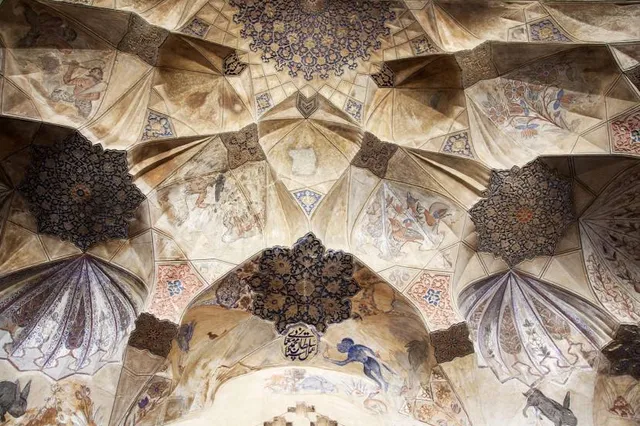
At the heart of the complex lies a large square, modeled after Isfahan’s Naqsh-e Jahan Square, surrounded by key structures such as a caravanserai, a mosque, a bazaar, a bathhouse (hammam), a mint, and a school (madrasa). Each structure demonstrates exquisite Safavid architectural features, including intricate tile-work, frescoes, stucco carvings, and vaulted ceilings. The bathhouse, in particular, is celebrated for its de-tailed wall paintings and elegant interior.

The Ganjali Khan Bazaar, which stretches alongside the square, was once a thriving commercial hub linking Kerman to trade routes across Iran and Central Asia. The mint produced coinage, highlighting the complex’s economic role, while the madrasa provided religious and scholarly education.

Today, the Ganjali Khan Complex stands as a preserved open-air museum, reflecting the vibrant civic life of...

   Read more
avatar
5.0
6y

Ganjali Khan Complex is located downtown in Kerman beside Kerman Grand Bazaar. Ganjali Khan was one of the famous governors of Shah Abbas era who ruled over Kerman from 1005 until 1034 and established numerous monuments and buildings and attempted to the prosperity of the area.

Some of the public buildings that have remained from his time include Ganjali Khan Complex in Kerman and Zeinoding Caravanserai (Ganjali Khan Caravanserai) on Yazd-Kerman Road, Khan Pool on Kerman-Mashhad Road and some aqueducts in Kerman City. A share of the revenue of the complex and aqueducts is given to Astan Qods Razavi. These buildings were irreparably damaged during Aqa Mohammad Khan attacks.

The area of Ganjali Khan Complex is 11000 square meters and it includes a square, bazaar, bath, school, mosque, inn, bank and citren. Ganjali Khan Bazaars are located in three sides of the square and coppersmith bazaar forms the major bazaar order. The architect of the complex was Master Sultan Mohammad Architect Yazdi and its founder was Ganjali Khan, the governor of Kerman during 1005-1029 hijri. There are four mosques at four sides of the square, three of which are remaining and the most elegant mosque is in the eastern side of the inn which is considered a museum of...

   Read more
Page 1 of 7
Previous
Next

Posts

Ok OkOk Ok
Ganj Ali Khan complex is located in the historical center of Kerman city and next to Kerman Grand Bazaar. Ganj Ali Khan, who is one of the famous rulers of the time of Shah Abbas, ruled over Kerman from 1005 to 1034 AH and built many monuments and buildings and tried to settle this area. Among the public buildings left by this famous ruler, Ganj Ali Khan complex in Kerman city and Rabat Zain al-Din (Ganz Ali Khan Caravanserai) on Yazd-Kerman road, Hoz Khan reservoir on Kerman-Mashhad road and a number of aqueducts in Kerman city. A share of the revenue of the collection and aqueducts is given to Astan Quds Razavi. These buildings have suffered irreparable damage during the campaigns of Agha Mohammad Khan. The area of ​​Ganj Ali Khan complex is 11,000 square meters and the elements of the complex and the year of their construction are: Square 1005 AH. Bazar, 1005 AH. AH, on the south side of Hammam, 1020 AH. AH, on the north side of the mint, on the east side of the school, 1007 AH. AH and Caravanserai 1021 AH. AH, on the west side of the reservoir 1021 A.H., on three sides of the square, there are Ganj Ali Khan markets, which form the copper market and part of the main street. The architect was a part of the collection of Ustad Sultan Mohammad and its founder was Ganj Ali Khan, the ruler of Kerman in the years 1005 to 1029 AH. There were four mosques on the four sides of the square, three of which remained, and the most beautiful of them is the mosque on the eastern side next to the caravanserai, which is considered a museum of decorative arts. The architectural style of this building is Isfahani style. The Ganj Ali Khan complex is a square in the central part of Kerman city, which is located on the edge of the large market, and like the Naqsh Jahan squares in Isfahan or Mirchakhmaq in Yazd, it has gathered some urban elements around it. Ganj Ali Khan Bazar is located on 3 sides of the square and Ganj Ali Khan Palace is on the other side. The presence of a bath, water tank, mint, and proximity to markets and four souqs completes this interwoven complex. Brick arches, tiling, green spaces, water ponds and other sights have added to the beauty of this square. The traditional and historical market of Kerman includes many markets from different periods: in this article, from the Safavid period to the Qajar period for you. We explain
Lefteris StamatelatosLefteris Stamatelatos
Ganjali Khan Complex – A Masterpiece of Persian Urban Architecture in Kerman. The Ganjali Khan Complex, in the historic city of Kerman, is a magnificent example of Safavid-era urban planning and Persian architecture. Built in the early 17th century by Ganjali Khan, the governor of Kerman under Shah Abbas I, the complex was designed as a multifunctional civic center that served economic, social, and religious purposes. Its harmonious layout reflects the careful integration of aesthetics and function typical of Persian design. At the heart of the complex lies a large square, modeled after Isfahan’s Naqsh-e Jahan Square, surrounded by key structures such as a caravanserai, a mosque, a bazaar, a bathhouse (hammam), a mint, and a school (madrasa). Each structure demonstrates exquisite Safavid architectural features, including intricate tile-work, frescoes, stucco carvings, and vaulted ceilings. The bathhouse, in particular, is celebrated for its de-tailed wall paintings and elegant interior. The Ganjali Khan Bazaar, which stretches alongside the square, was once a thriving commercial hub linking Kerman to trade routes across Iran and Central Asia. The mint produced coinage, highlighting the complex’s economic role, while the madrasa provided religious and scholarly education. Today, the Ganjali Khan Complex stands as a preserved open-air museum, reflecting the vibrant civic life of Safavid Iran.
ehsan ahmadiehsan ahmadi
Ganjali Khan Complex is located downtown in Kerman beside Kerman Grand Bazaar. Ganjali Khan was one of the famous governors of Shah Abbas era who ruled over Kerman from 1005 until 1034 and established numerous monuments and buildings and attempted to the prosperity of the area. Some of the public buildings that have remained from his time include Ganjali Khan Complex in Kerman and Zeinoding Caravanserai (Ganjali Khan Caravanserai) on Yazd-Kerman Road, Khan Pool on Kerman-Mashhad Road and some aqueducts in Kerman City. A share of the revenue of the complex and aqueducts is given to Astan Qods Razavi. These buildings were irreparably damaged during Aqa Mohammad Khan attacks. The area of Ganjali Khan Complex is 11000 square meters and it includes a square, bazaar, bath, school, mosque, inn, bank and citren. Ganjali Khan Bazaars are located in three sides of the square and coppersmith bazaar forms the major bazaar order. The architect of the complex was Master Sultan Mohammad Architect Yazdi and its founder was Ganjali Khan, the governor of Kerman during 1005-1029 hijri. There are four mosques at four sides of the square, three of which are remaining and the most elegant mosque is in the eastern side of the inn which is considered a museum of decorative arts.
See more posts
See more posts
hotel
Find your stay

Pet-friendly Hotels in Kerman

Find a cozy hotel nearby and make it a full experience.

Ganj Ali Khan complex is located in the historical center of Kerman city and next to Kerman Grand Bazaar. Ganj Ali Khan, who is one of the famous rulers of the time of Shah Abbas, ruled over Kerman from 1005 to 1034 AH and built many monuments and buildings and tried to settle this area. Among the public buildings left by this famous ruler, Ganj Ali Khan complex in Kerman city and Rabat Zain al-Din (Ganz Ali Khan Caravanserai) on Yazd-Kerman road, Hoz Khan reservoir on Kerman-Mashhad road and a number of aqueducts in Kerman city. A share of the revenue of the collection and aqueducts is given to Astan Quds Razavi. These buildings have suffered irreparable damage during the campaigns of Agha Mohammad Khan. The area of ​​Ganj Ali Khan complex is 11,000 square meters and the elements of the complex and the year of their construction are: Square 1005 AH. Bazar, 1005 AH. AH, on the south side of Hammam, 1020 AH. AH, on the north side of the mint, on the east side of the school, 1007 AH. AH and Caravanserai 1021 AH. AH, on the west side of the reservoir 1021 A.H., on three sides of the square, there are Ganj Ali Khan markets, which form the copper market and part of the main street. The architect was a part of the collection of Ustad Sultan Mohammad and its founder was Ganj Ali Khan, the ruler of Kerman in the years 1005 to 1029 AH. There were four mosques on the four sides of the square, three of which remained, and the most beautiful of them is the mosque on the eastern side next to the caravanserai, which is considered a museum of decorative arts. The architectural style of this building is Isfahani style. The Ganj Ali Khan complex is a square in the central part of Kerman city, which is located on the edge of the large market, and like the Naqsh Jahan squares in Isfahan or Mirchakhmaq in Yazd, it has gathered some urban elements around it. Ganj Ali Khan Bazar is located on 3 sides of the square and Ganj Ali Khan Palace is on the other side. The presence of a bath, water tank, mint, and proximity to markets and four souqs completes this interwoven complex. Brick arches, tiling, green spaces, water ponds and other sights have added to the beauty of this square. The traditional and historical market of Kerman includes many markets from different periods: in this article, from the Safavid period to the Qajar period for you. We explain
Ok Ok

Ok Ok

hotel
Find your stay

Affordable Hotels in Kerman

Find a cozy hotel nearby and make it a full experience.

Get the Appoverlay
Get the AppOne tap to find yournext favorite spots!
Ganjali Khan Complex – A Masterpiece of Persian Urban Architecture in Kerman. The Ganjali Khan Complex, in the historic city of Kerman, is a magnificent example of Safavid-era urban planning and Persian architecture. Built in the early 17th century by Ganjali Khan, the governor of Kerman under Shah Abbas I, the complex was designed as a multifunctional civic center that served economic, social, and religious purposes. Its harmonious layout reflects the careful integration of aesthetics and function typical of Persian design. At the heart of the complex lies a large square, modeled after Isfahan’s Naqsh-e Jahan Square, surrounded by key structures such as a caravanserai, a mosque, a bazaar, a bathhouse (hammam), a mint, and a school (madrasa). Each structure demonstrates exquisite Safavid architectural features, including intricate tile-work, frescoes, stucco carvings, and vaulted ceilings. The bathhouse, in particular, is celebrated for its de-tailed wall paintings and elegant interior. The Ganjali Khan Bazaar, which stretches alongside the square, was once a thriving commercial hub linking Kerman to trade routes across Iran and Central Asia. The mint produced coinage, highlighting the complex’s economic role, while the madrasa provided religious and scholarly education. Today, the Ganjali Khan Complex stands as a preserved open-air museum, reflecting the vibrant civic life of Safavid Iran.
Lefteris Stamatelatos

Lefteris Stamatelatos

hotel
Find your stay

The Coolest Hotels You Haven't Heard Of (Yet)

Find a cozy hotel nearby and make it a full experience.

hotel
Find your stay

Trending Stays Worth the Hype in Kerman

Find a cozy hotel nearby and make it a full experience.

Ganjali Khan Complex is located downtown in Kerman beside Kerman Grand Bazaar. Ganjali Khan was one of the famous governors of Shah Abbas era who ruled over Kerman from 1005 until 1034 and established numerous monuments and buildings and attempted to the prosperity of the area. Some of the public buildings that have remained from his time include Ganjali Khan Complex in Kerman and Zeinoding Caravanserai (Ganjali Khan Caravanserai) on Yazd-Kerman Road, Khan Pool on Kerman-Mashhad Road and some aqueducts in Kerman City. A share of the revenue of the complex and aqueducts is given to Astan Qods Razavi. These buildings were irreparably damaged during Aqa Mohammad Khan attacks. The area of Ganjali Khan Complex is 11000 square meters and it includes a square, bazaar, bath, school, mosque, inn, bank and citren. Ganjali Khan Bazaars are located in three sides of the square and coppersmith bazaar forms the major bazaar order. The architect of the complex was Master Sultan Mohammad Architect Yazdi and its founder was Ganjali Khan, the governor of Kerman during 1005-1029 hijri. There are four mosques at four sides of the square, three of which are remaining and the most elegant mosque is in the eastern side of the inn which is considered a museum of decorative arts.
ehsan ahmadi

ehsan ahmadi

See more posts
See more posts