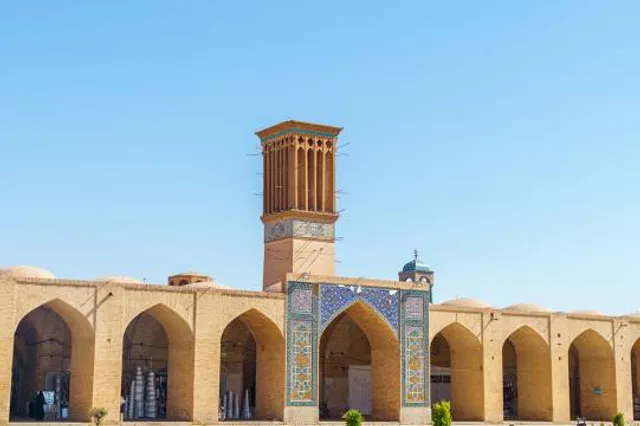
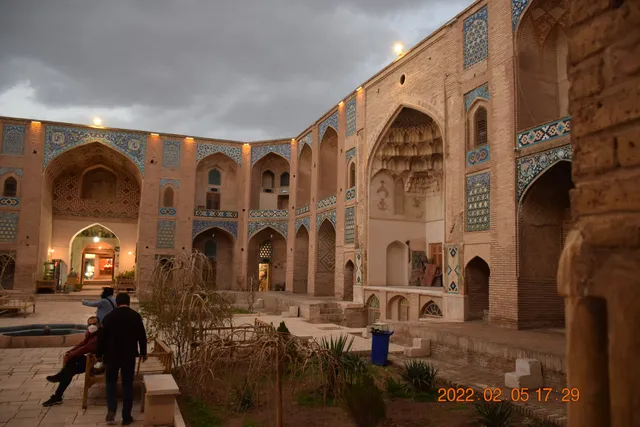
The Kerman Historical Bazaar, also known as the Grand Bazaar of Kerman, is one of Iran’s oldest and most important trading centers, with roots dating back to the Safavid period (16th–17th centuries). Stretching over 1,200 meters, it forms one of the longest and most continuous covered bazaars in Iran. This bustling commercial artery played a vital role in connecting Kerman to major trade routes linking the Persian Gulf, Central Asia, and India.
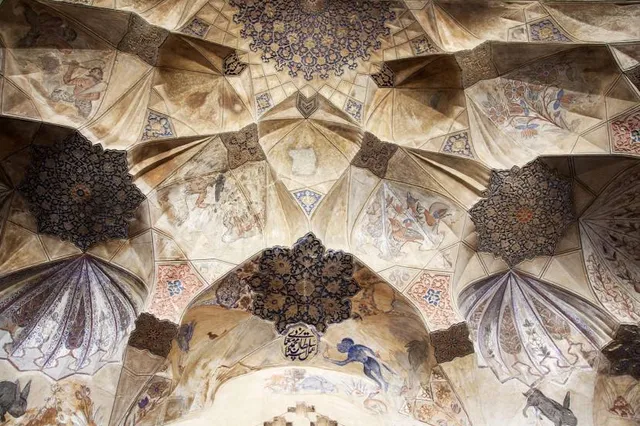
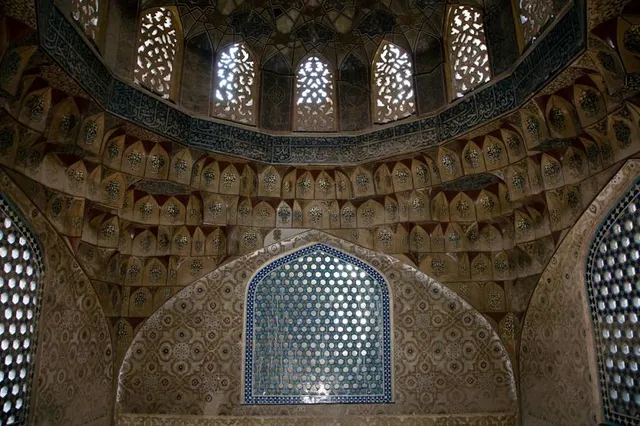
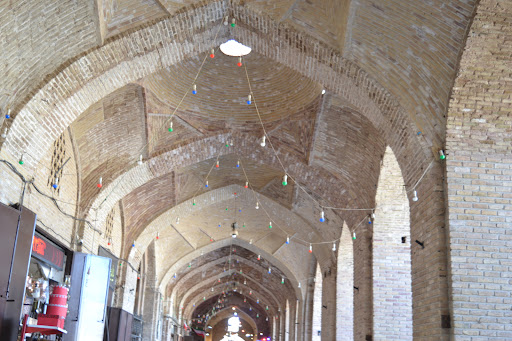
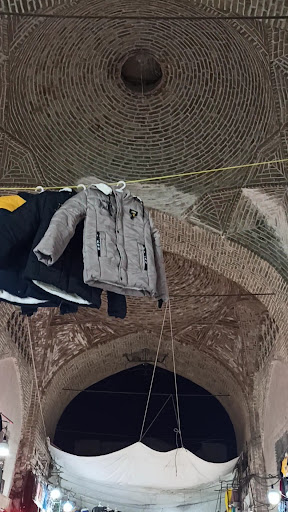
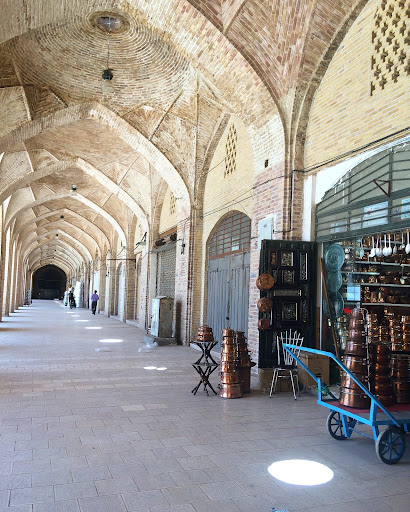
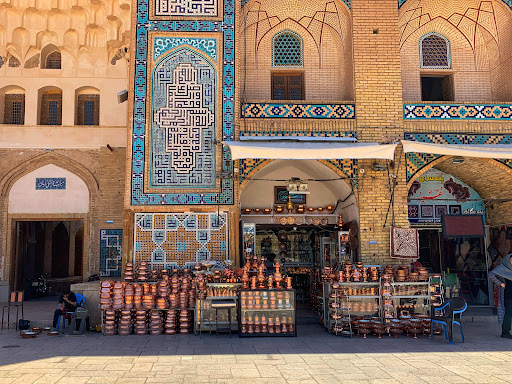
The bazaar is not a single structure but a series of interconnected caravanserais, arcades, mosques, bathhouses, and domed market halls. Each section was traditionally dedicated to a specific craft or product—such as textiles, copperware, spices, or carpets—creating a vibrant network of specialized trade. Its impressive architecture includes vaulted ceilings, decorative tilework, and complex brickwork that both beautify the space and regulate its temperature.
Throughout the centuries, the Kerman Bazaar functioned as a social and cultural hub. It was not only a place of commerce but also of communication, negotiation, and community gatherings. Mosques and theological schools (madrasas) nestled within the bazaar served religious and educational purposes.
Today, the Kerman Historical Bazaar continues to be a lively and authentic marketplace, offering visitors a living experience of Iran’s rich...
Read moreThere is wonderful and very beautiful! The history of the bazaar in Kerman dates back to more than 600 years ago, to the Timurid era and when some people came together and established the optional bazaar as the first foundation of the great bazaar of Kerman. Since then, other parts have been added to it in different historical periods, and finally it has led to the formation of a market, which is considered to be the largest market in the country today.
This valuable complex starts from the east and west of Arg Square and ends at Mirza Reza Kermani Street. And. Has placed in itself. Every time you walk into the market, you experience a strange and different feeling; The coppersmith market is more reminiscent of the antiquity of this place; Mozaffari Bazaar shows the most general aspect of the market, namely the common trade and purchases of people to meet their daily needs; Tourists and those interested in antiquities can be seen in Ganjali Khan Bazaar and Arg. The vast and ancient bazaar of Kerman in the center of the old texture of the city has been remembered with beautiful manifestations from the past, whose architectural features amaze the viewers. According to some experts, Kerman Bazaar is the biggest competitor of Tabriz Bazaar, which was...
Read moreبازار بزرگ کرمان از میدان ارگ شروع و به میدان مشتاقیه ختم میشود. هر بخش از بازار کرمان در زمان یکی از فرمانروایان این شهر ساخته شده و به خاطر برخی ویژگیهایش در ایران منحصربهفرد و دارای شهرت جهانی است. این بازار طولانیترین راسته بازار ایران محسوب میشود و عمدتاً پس از سده هشتم هجری قمری ساخته شدهاست. این اثر در تاریخ ۲۵ اردیبهشت ۱۳۸۰ با شمارهٔ ثبت ۳۸۵۶ بهعنوان یکی از آثار ملی ایران به ثبت رسیدهاست.
بازار مسگری بازار مسگری در حاشیه میدان گنجعلی خان واقع است. در این بازار مغازههایی یافت میشود که محصولات هنرمندانه پرنقش و نگار مسی را ارائه میکنند.
بازار زرگری بازار زرگری که به قیصریه نیز شهرت دارد، شمال- جنوبی است و از گوشه شمال شرقی میدان گنجعلی خان آغاز میشود.
بازار کفاشها بازار کفاشها از انتهای بازار حاجآقا علی شروع و به موازات بازار ابراهیم خان ادامه مییابد و به سرای گلشن ختم میشود؛ و جهت آن شمالی - جنوبی است. این بازار سرپوشیده است. کاروانسرای جر در سمت چپ و کاروانسرای میرزا حسین خان در سمت راست آن واقع شدهاند. تعداد مغازهها و حجرههای آن بیش از ۱۶۰ باب است.
بازار کلاه مالی بازار کلاه مالی کرمان در حد فاصل بازار شمالی میدان گنجعلی خان و بازار کفاشها واقع شده و ۱۳ باب مغازه دارد. در سمت راست این بازار مدرسه گنجعلی خان واقع شدهاست و در سمت چپ آن مجموعه ابراهیم خان و یکی از دربهای کاروانسرای میرزا حسین...
Read more