Sulaymaniyah Museum things to do, attractions, restaurants, events info and trip planning
Basic Info
Sulaymaniyah Museum
Sulaymany museum, Şeqamî Bêxud, Sulaymaniyah, Sulaymaniyah Governorate, Iraq
4.2(234)
Closed
Save
spot
spot
Ratings & Description
Info
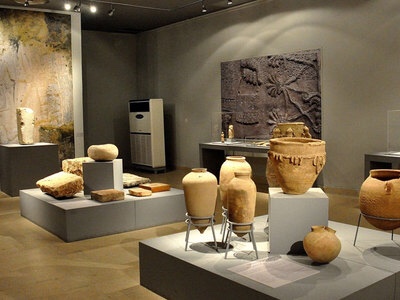
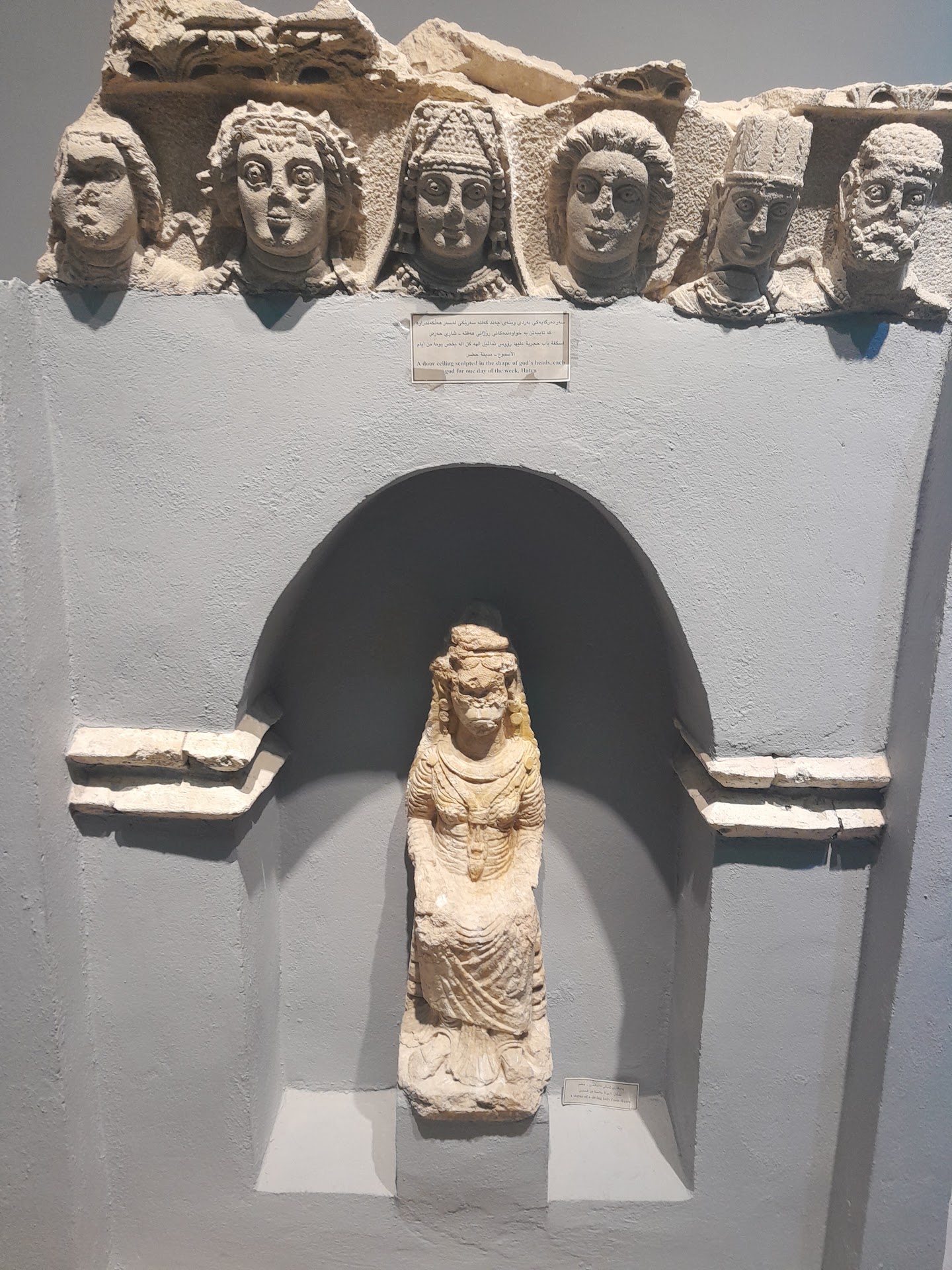
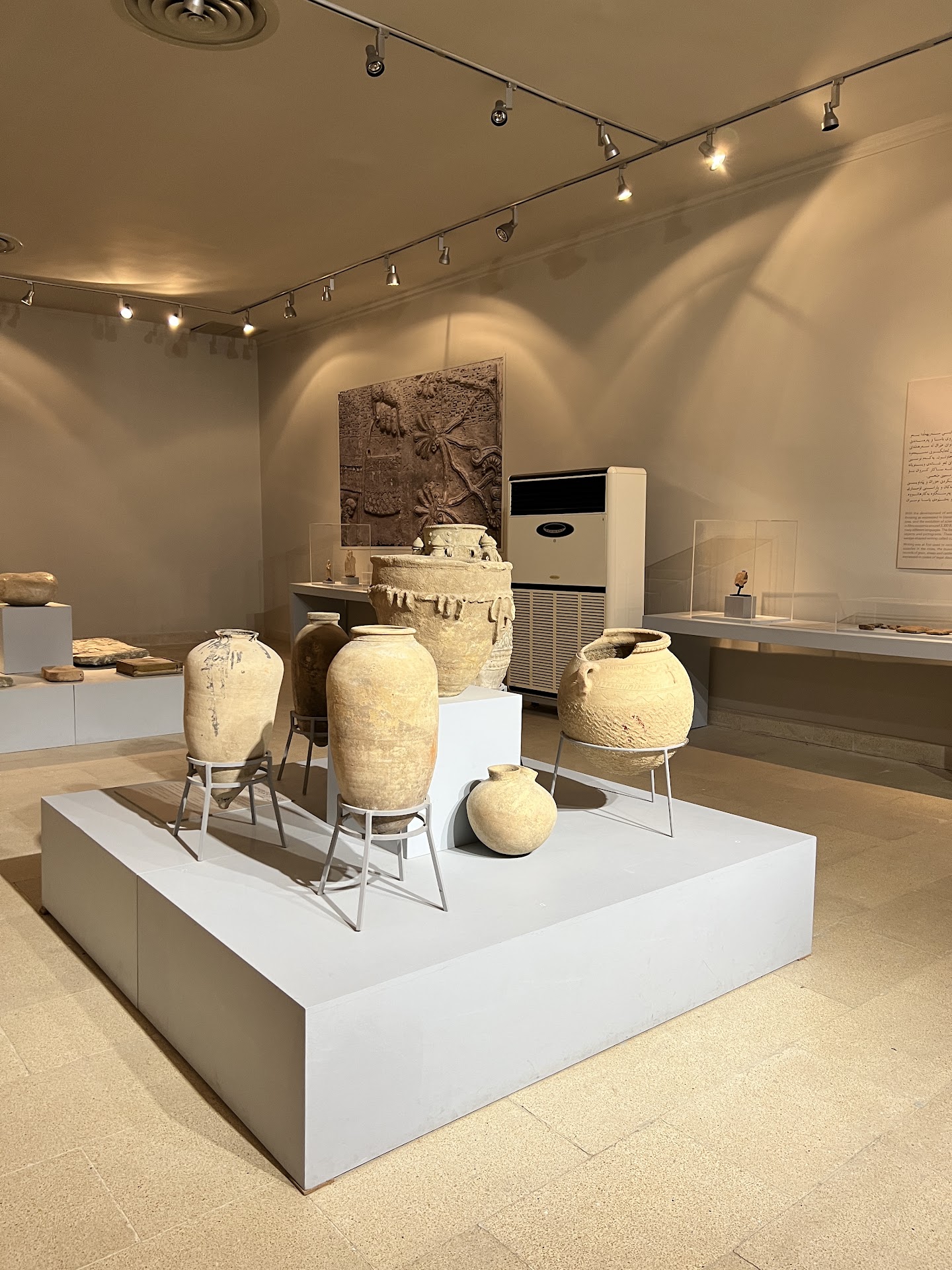
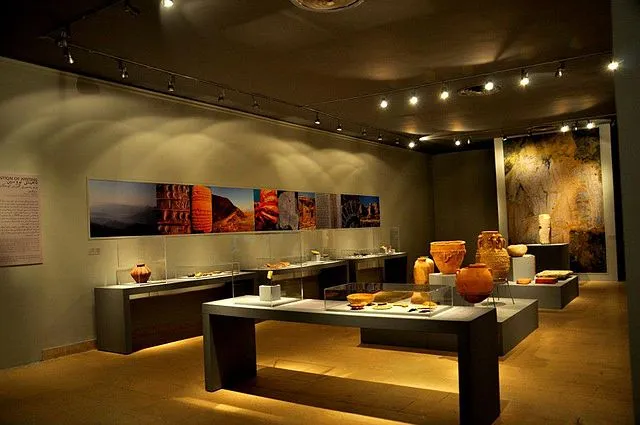
The Sulaymaniyah Museum, or Slemani Museum, is an archeological museum located in Sulaymaniyah in the Kurdistan Region of Iraq. It is the second largest museum in Iraq, after the National Museum of Iraq in Baghdad. It houses artifacts dating from the prehistoric period to the late Islamic and Ottoman periods.
Cultural
Family friendly
Accessibility
attractions: Slemani Public Library, Slemani Public Library, Amna Suraka, Red Museum, Aylan Kurdi Monument, restaurants: Mandela Bistro, View Lounge, Cavalli Restaurant & Cafe, Sbeiy Coffee, local businesses: Azadî Park, Shallaw Mini Market, هەرزان بازاڕی هاوڵاتیان, هەرزان بازاڕی هاوڵاتیان, سيتي ستار
 Learn more insights from Wanderboat AI.
Phone
+964 53 320 0609
Website
slemanimuseum.org
Open hoursSee all hours
Sat8 AM - 5 PMClosed
Plan your stay

Pet-friendly Hotels in Bakrajo subdistrict
Find a cozy hotel nearby and make it a full experience.

Affordable Hotels in Bakrajo subdistrict
Find a cozy hotel nearby and make it a full experience.

The Coolest Hotels You Haven't Heard Of (Yet)
Find a cozy hotel nearby and make it a full experience.

Trending Stays Worth the Hype in Bakrajo subdistrict
Find a cozy hotel nearby and make it a full experience.
Reviews
Nearby attractions of Sulaymaniyah Museum
Slemani Public Library
Slemani Public Library
Amna Suraka, Red Museum
Aylan Kurdi Monument
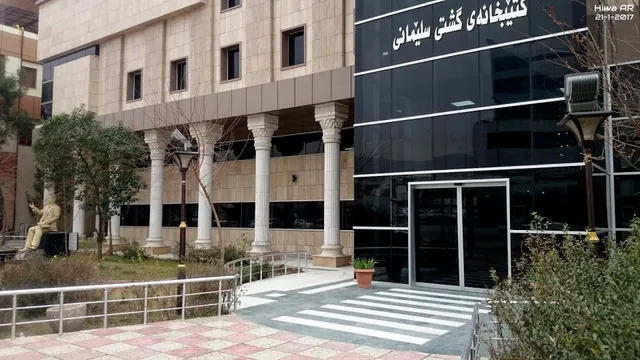
Slemani Public Library
4.3
(24)
Open until 12:00 AM
Click for details
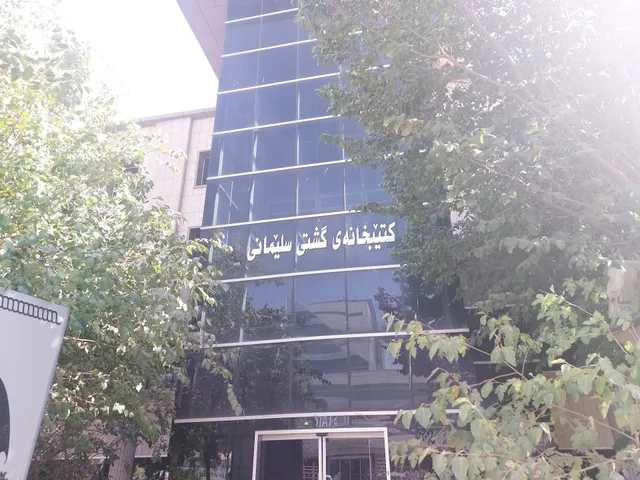
Slemani Public Library
4.3
(25)
Open until 12:00 AM
Click for details
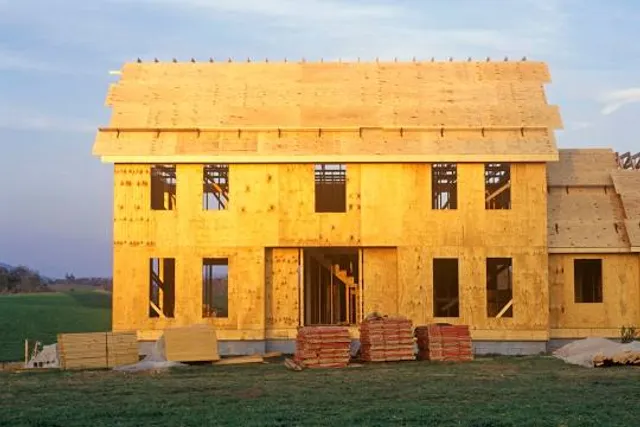
Amna Suraka, Red Museum
4.4
(335)
Open until 12:00 AM
Click for details
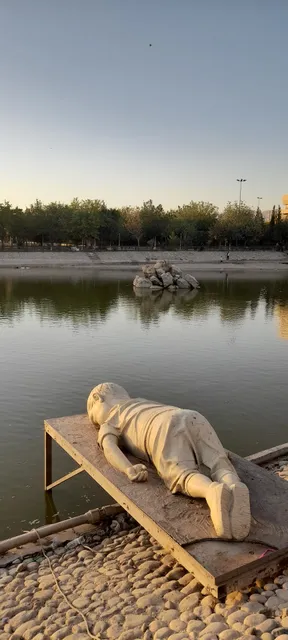
Aylan Kurdi Monument
3.9
(31)
Open until 12:00 AM
Click for details
Nearby restaurants of Sulaymaniyah Museum
Mandela Bistro
View Lounge
Cavalli Restaurant & Cafe
Sbeiy Coffee
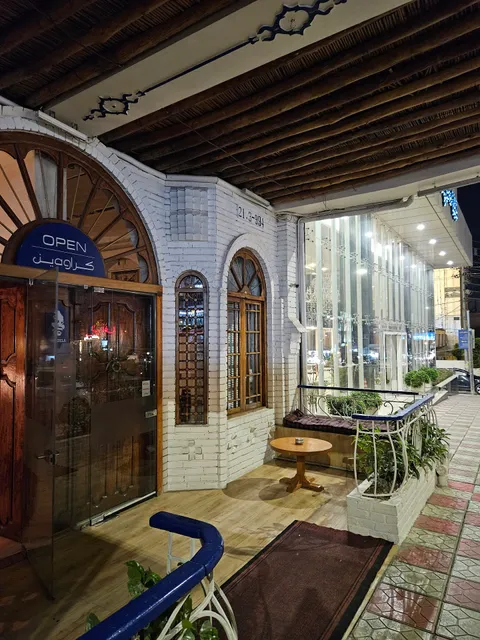
Mandela Bistro
4.1
(187)
Closed
Click for details
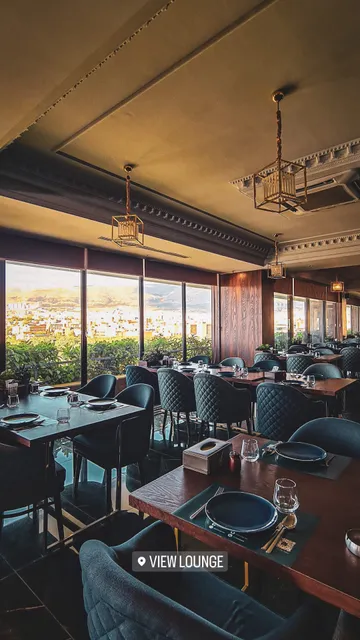
View Lounge
4.0
(131)
Click for details
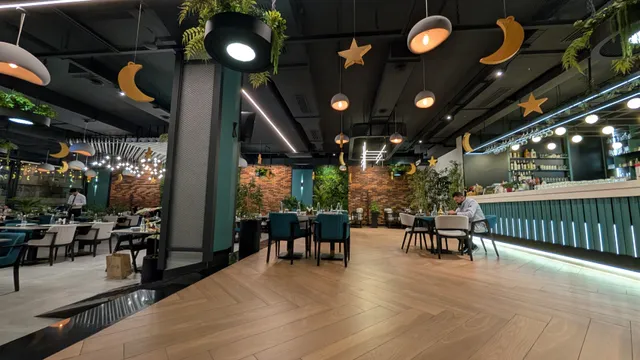
Cavalli Restaurant & Cafe
4.3
(41)
Closed
Click for details
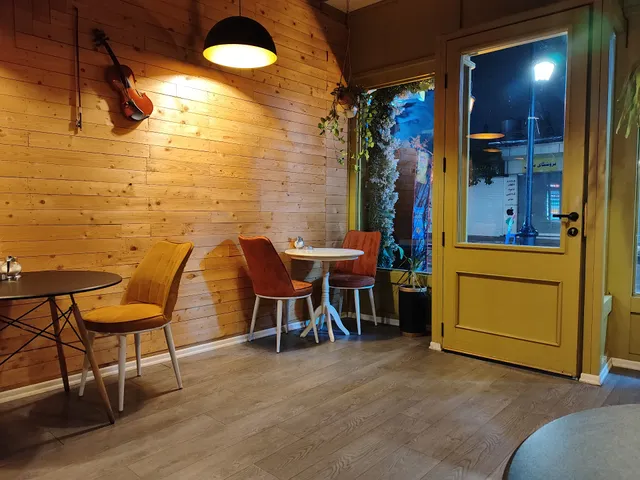
Sbeiy Coffee
4.3
(8)
Click for details
Nearby local services of Sulaymaniyah Museum
Azadî Park
Shallaw Mini Market
هەرزان بازاڕی هاوڵاتیان
هەرزان بازاڕی هاوڵاتیان
سيتي ستار
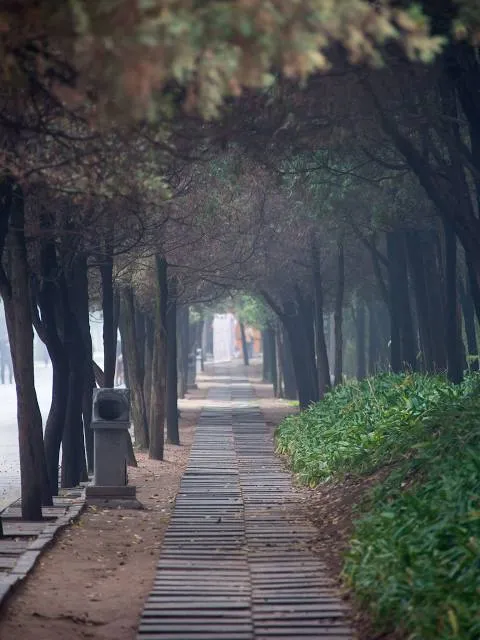
Azadî Park
4.2
(1.6K)
Click for details
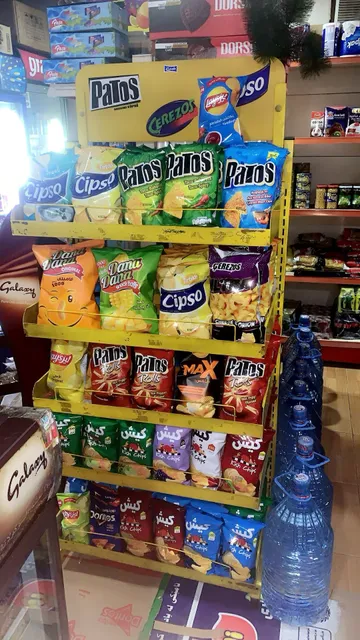
Shallaw Mini Market
3.8
(19)
Click for details
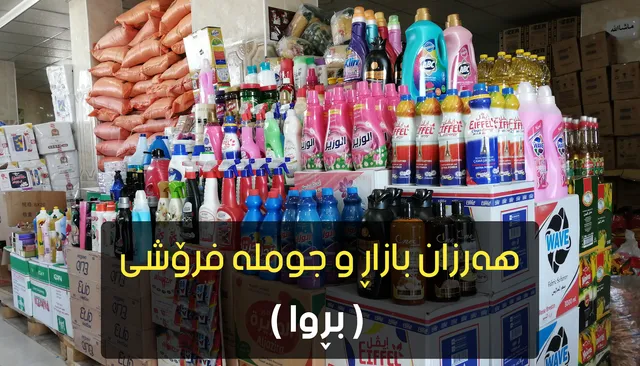
هەرزان بازاڕی هاوڵاتیان
4.0
(11)
Click for details
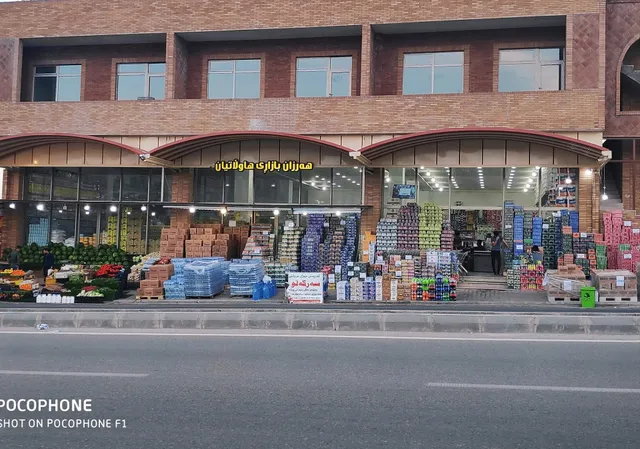
هەرزان بازاڕی هاوڵاتیان
4.0
(11)
Click for details