Hazrat Abbas Alamdar (A.S.)
Hazrat Abbas was the son of Hazrat Ali Ibne Abi Talib. His mother's name was Fatima, who was also known as "Ummul Banin". She was the daughter of Huzam Ibne Khalid, an illustrious person of the Kalb-a tribe, which was distinguished for it chivalry. Hazrat Abbas was born in Medina on 7th Rajab 26 A.H. When the news of his birth reached Hazrat Ali, he prostrated himself on the ground as a token of his humble thanks to Allah. Imam Hussain took the baby in his arms and recited the Azan and Eqamat (call for prayers) in his right and left ears respectively. Then the new-born baby opened his eyes to see the face of Imam Hussain, before looking at anyone else. On the 7th day of his birth, the ceremony of Aqeeqa (which is one of the emphasised sunnats) was performed and Hazrat Ali named him Abbas Hazrat Abbas was a towering and handsome personality. His dauntless courage, supreme confidence and unflinching loyalty earned him many titles. He was called "Qamar-e-Bani Hashim" (the moon of the Hashemites), because of his imposing appearance. His remarkable horsemanship made him "Syed-ul-Forosan" (the chief of horseman). His ability to lead people resulted in his being called "Rais-ul-Shujan" (the leader of the valiant), and the manner in which he sacrificed his life earned him the title "Afzal-ul-Shohada" (the choicest of the martyrs) and "Saqqa" (water carrier), because he sacrificed his life in an effort to procure water for Imam Hussain's children in the tragic battle of Kerbala. He fully lived up to his name Abbas, which in Arabic stands for Lion. Hazrat Ali, who himself was known as the "Lion of God", brought up Hazrat Abbas and ably guided him until he was fourteen years old. The next ten years of Hazrat Abbas's life were spent under the careful eye of Imam Hasan, and the last ten years with Imam Hussain. Thus it was no small wonder that Hazrat Abbas acquired near perfection in so many aspects of life. His gallantry, boldness and courageous outlook were inherited from Hazrat Ali. Imam Hasan taught him patience and tolerance. His lion-hearted loyalty and self-sacrificing nature were the results of his association with Imam Hussain. Imam Jafer Sadiq (A.S.) has said: "I bear witness, O Abbas, that you have reached the zenith of of perfection in the matter of self-resignation, loyalty and obedience. Imam Zain-ul-Abedeen (A.S.) has said: "May Allah shower His blessings on my uncle Abbas. The manner in which he laid down his life for his brother, Imam Hussain, showed supreme self-sacrifice. He fought valiantly to protect Imam Hussain, and it was only after he lost both his arms that he fell. Allah re compensated him by conferring upon him in heaven, two wings to fly with. Verily, the place of Hazrat Abbas before Allah is so high, that all the martyrs will envy him on dooms-day" Hazrat Ali's desire was to ensure that Hazrat Abbas preached the religion of Islam and served the prophet's family. Hazrat Abbas saw his first battle when only eleven. This was the battle of Siffen. One day he appeared fully disguised, masked and armoured, on the battle-field. When Ibn-e-Shasa, a brave and famous Syrian fighter saw the masked person, he asked one of his seven sons to slay him. Instead, the son was quickly put down. Similarly, the other six sons tried to fight this masked warrior, but they all met the same fate. Finally, Ibn-e-Shasa himself came forward and the manner in which he was also beaten, made all the other people stare in disbelief. Then they thought his masked fighter to be Hazrat Ali, and no one dared to come forward and fight. But when Hazrat Abbas removed the mask, people were surprised to note that he was not Hazrat Ali, but instead, the inheritor of Hazrat Ali's gallantry. Hazrat Abbas's devotion, respect and affection for Imam Hussain was so deep, that he used to worship the very ground Imam Hussain walked on. In fact, it is said that he used to apply to his eyes, the dust from Imam Hussain's feet. He detested anyone taking precedence in serving...
Read moreAbbas ibn Ali, often referred to as Abal-fadl Abbas, was the son of Imam Ali ibn Abi Talib and Fatimah bint Hizam, more commonly known as Umm al-Banin. He is a highly revered figure in Shia Islam, known for his courage, loyalty, and unwavering devotion to his half-brother, Imam Hussein, the grandson of the Prophet Muhammad.
Abbas was born in Medina on the 4th of Sha'ban in the year 26 AH (approximately 647 CE). From a young age, he was known for his physical strength and his exceptional skills as a swordsman and warrior. However, what truly distinguished him was his piety and moral character. He was a man of great integrity and humility, earning him the title "Qamar Bani Hashim" (Moon of the Banu Hashim), a testament to his handsome appearance and noble character.
Abbas's most significant role in Islamic history took place during the Battle of Karbala in 61 AH (680 CE). He was the standard-bearer for Imam Hussein's army and served as the commander of his forces. As the siege intensified and the companions of Hussein were systematically killed, Abbas remained steadfast in his commitment.
His most famous act of bravery came when he attempted to retrieve water for the thirsty women and children in Imam Hussein's camp, who were suffering from extreme thirst due to the enemy's blockade of the Euphrates River. With the water skin on his back, he was ambushed and his arms were cut off. Despite his injuries, he continued to fight until he was martyred. His final moments were spent trying to get the water to the camp, a testament to his ultimate loyalty and selflessness
Every year, millions of pilgrims journey to these shrines, especially during Arbaeen, in one of the world’s largest peaceful gatherings, a living testimony that the message of Karbala still inspires hearts across...
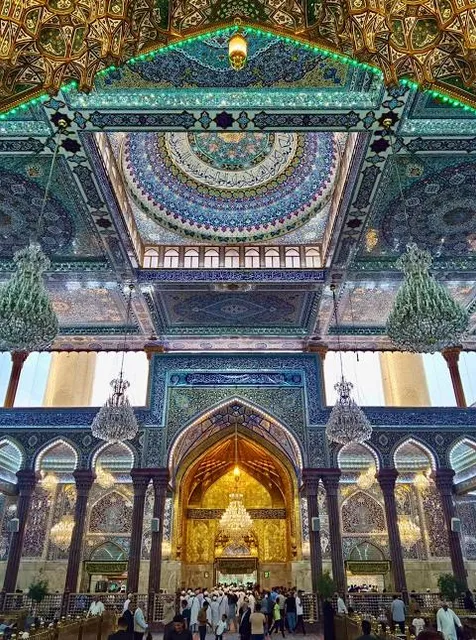
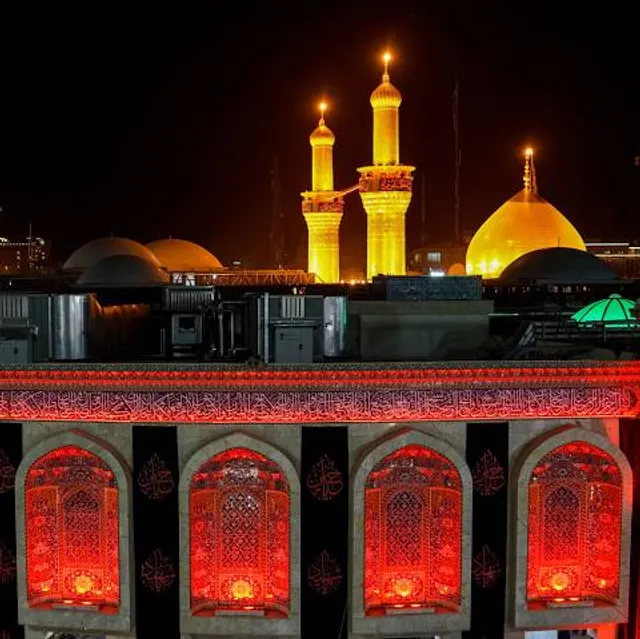
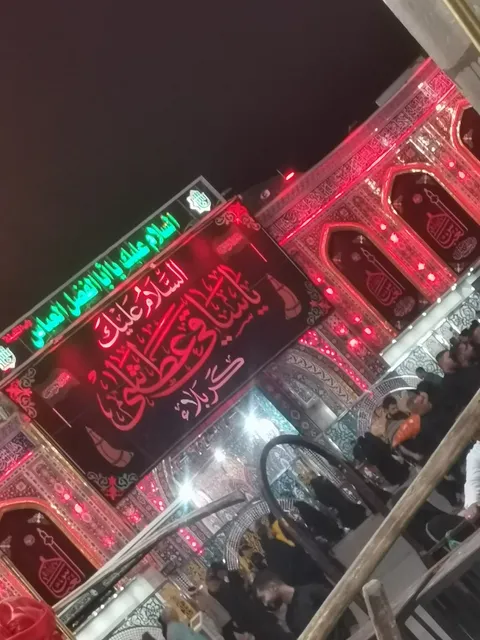
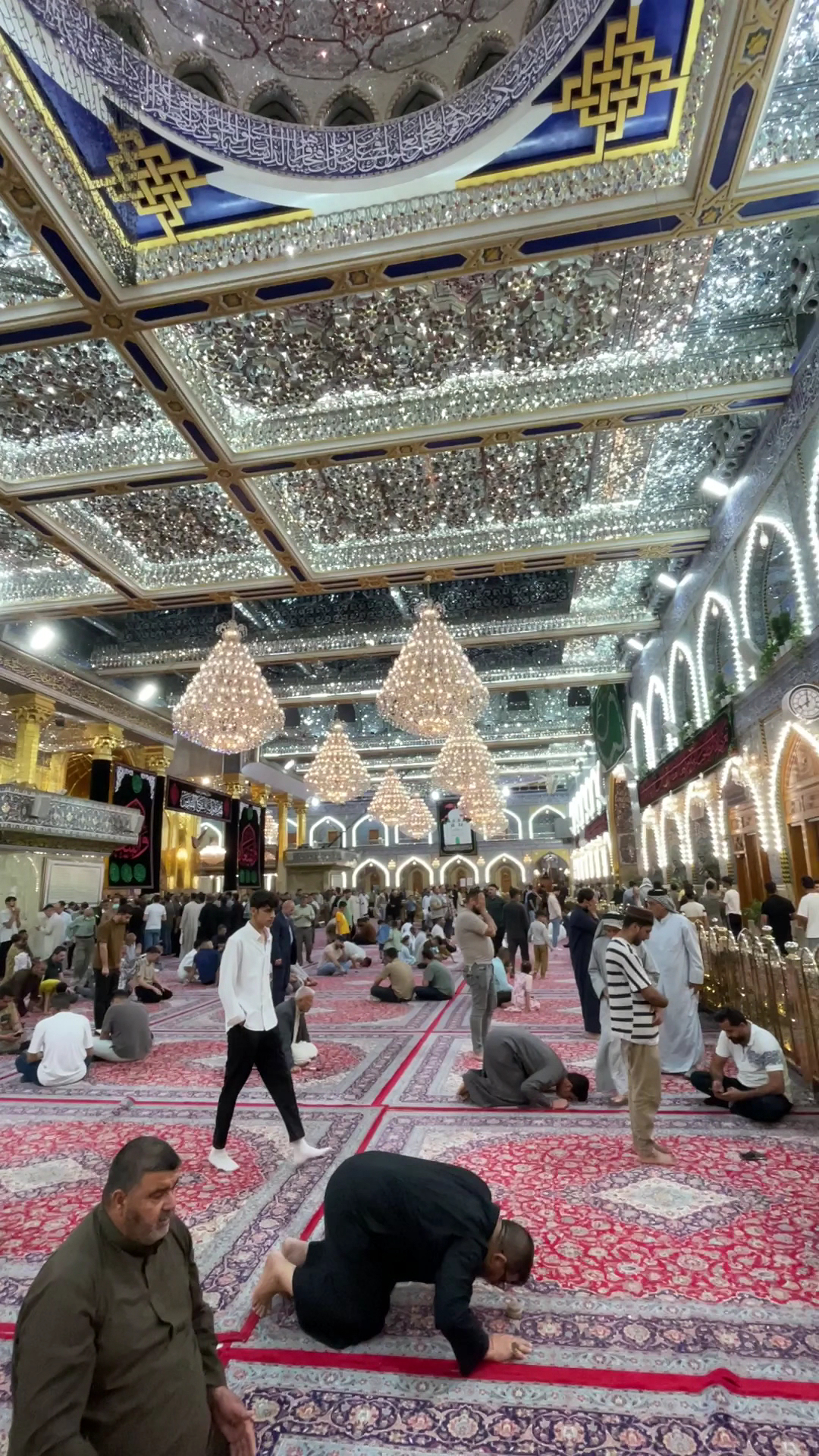
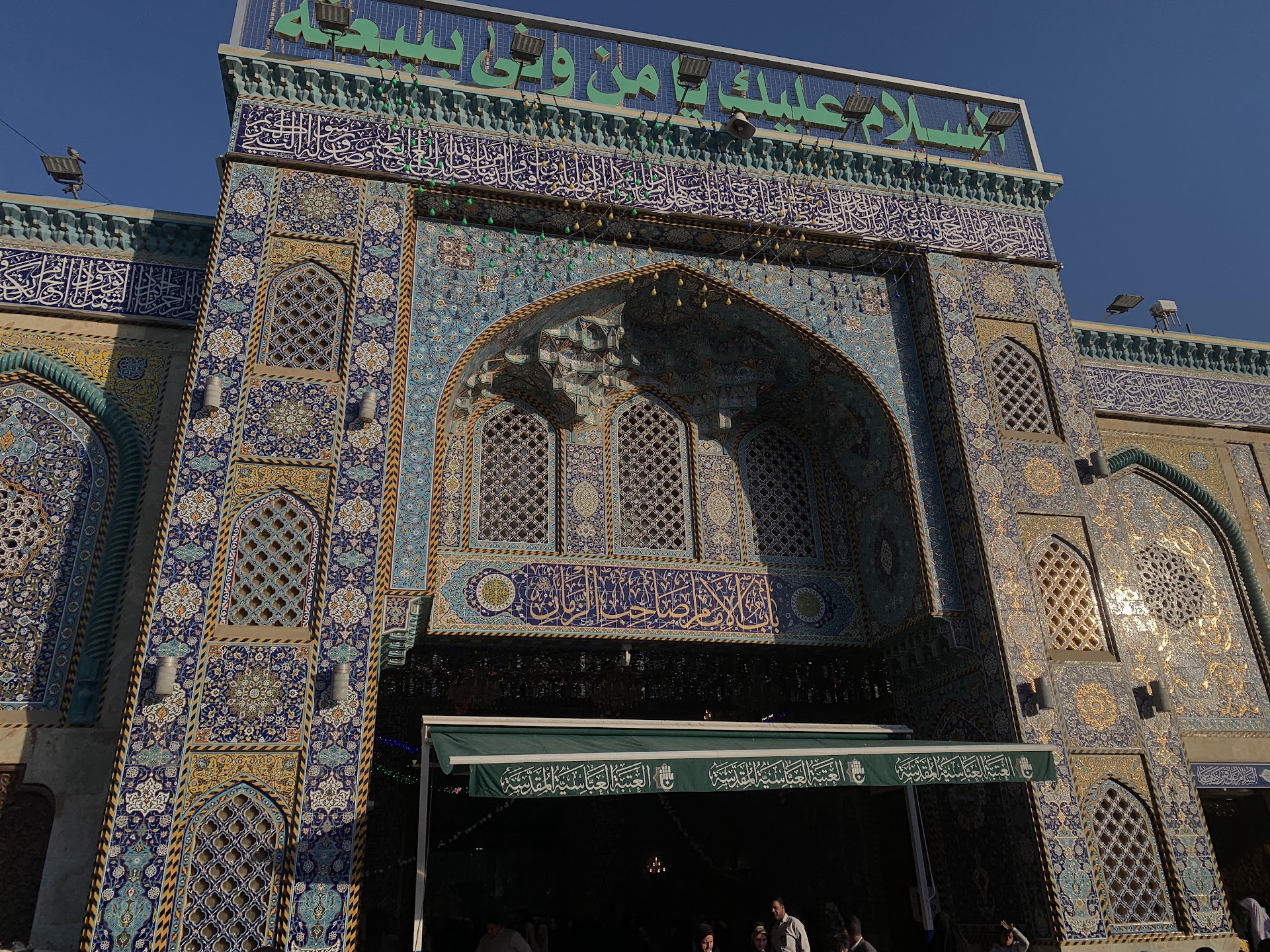
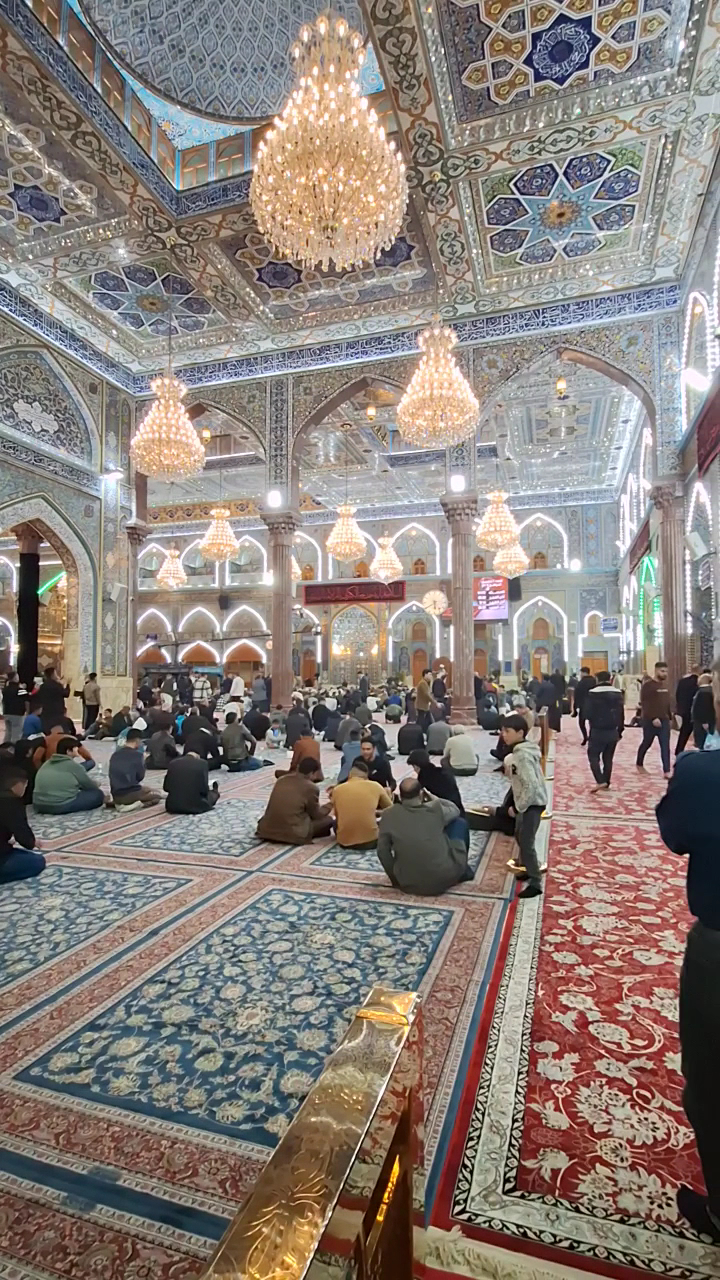
Read moreMaqam of Hazrat Abul Fadl al-Abbas (AS) - The Gate of Fulfilled Wishes and Miracles The shrine of Hazrat Abul Fadl al-Abbas (AS) in Karbala is one of the most revered sites in Shia Islam. Known as Bab al-Hawaij (the "Gate of Fulfilled Wishes"), Hazrat Abbas (AS) is believed to intercede on behalf of the believers, helping them in times of hardship. His unwavering devotion to Imam Hussein (AS) and his selfless sacrifice on the day of Ashura have made him a symbol of loyalty, courage, and service to others.
Many people come to the shrine with hopes of having their prayers and wishes granted, as Hazrat Abul Fadl (AS) is widely regarded for his miraculous intercession. Miracles attributed to Hazrat Abbas (AS) include healing from illness, resolving financial difficulties, and providing protection from harm. Numerous stories have been shared by visitors who have experienced divine intervention after turning to him in times of need.
The Maqam is not only a place of physical proximity to his sacred resting place but also a powerful spiritual sanctuary where people can seek intercession and find comfort. Hazrat Abbas (AS) is known for his ability to grant relief and blessings to those in distress.
Visiting the shrine offers a deep sense of peace and connection to a figure who continues to inspire millions. His role as the Gate of Wishes and his ability to bring about miracles make the Maqam of Hazrat Abul Fadl al-Abbas (AS) a deeply meaningful place for those seeking divine mercy...
Read more