Husayn ibn Ali
For people with similar names, see Hussein bin Ali (disambiguation).
Al-Ḥusayn ibn Ali ibn Abi Talib (Arabic: الحسين ابن علي ابن أبي طالب; 10 October 625 – 10 October 680) (his name is also transliteratedas Husayn ibn 'Alī, Husain, Hussain and Hussein), was a grandson of the Islamic prophet, Muhammad, and son of Ali ibn Abi Talib (the first Shia Imam and the fourth Rashid caliph of Sunni Islam) and Muhammad's daughter, Fatimah. He is an important figure in Islam as he was a member of the Bayṫ (Arabic: بَـيـت, Household) of Muhammad and the Ahl al-Kisā' (Arabic: أَهـل الـكِـسَـاء, People of the Cloak), as well as the third Shia Imam.
Husayn Imam of Muslims
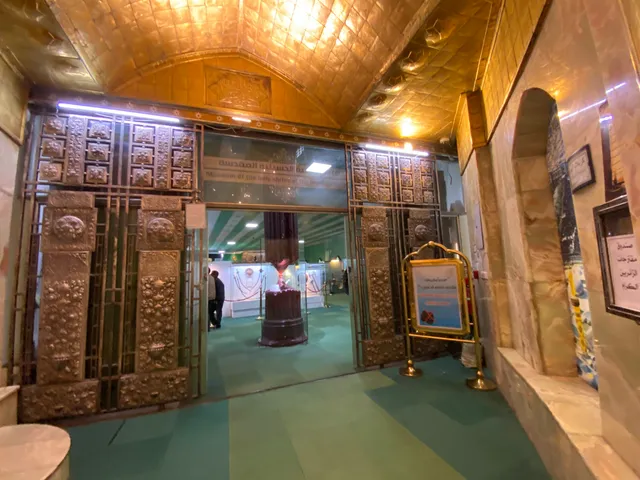
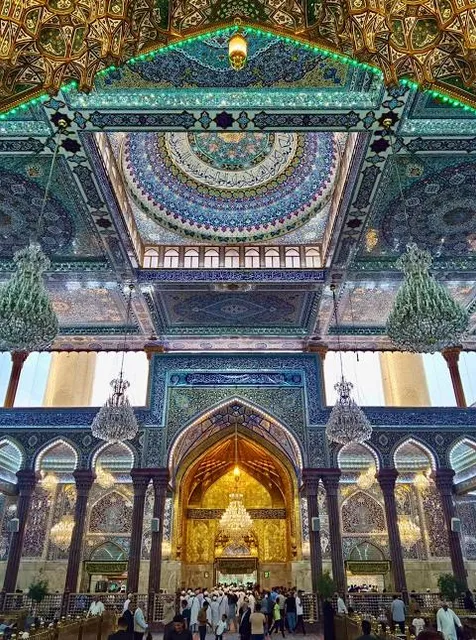
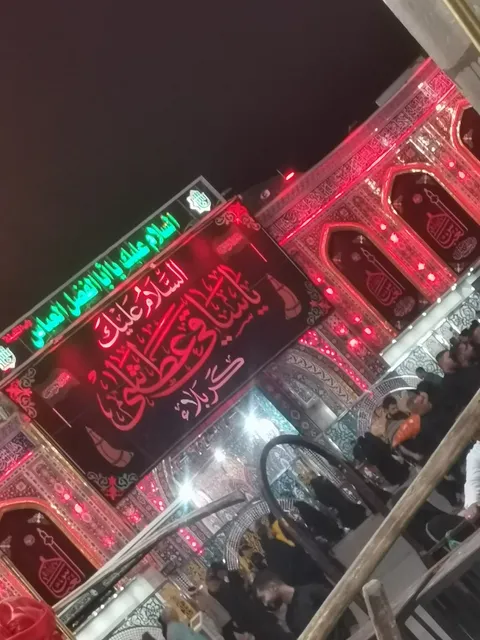
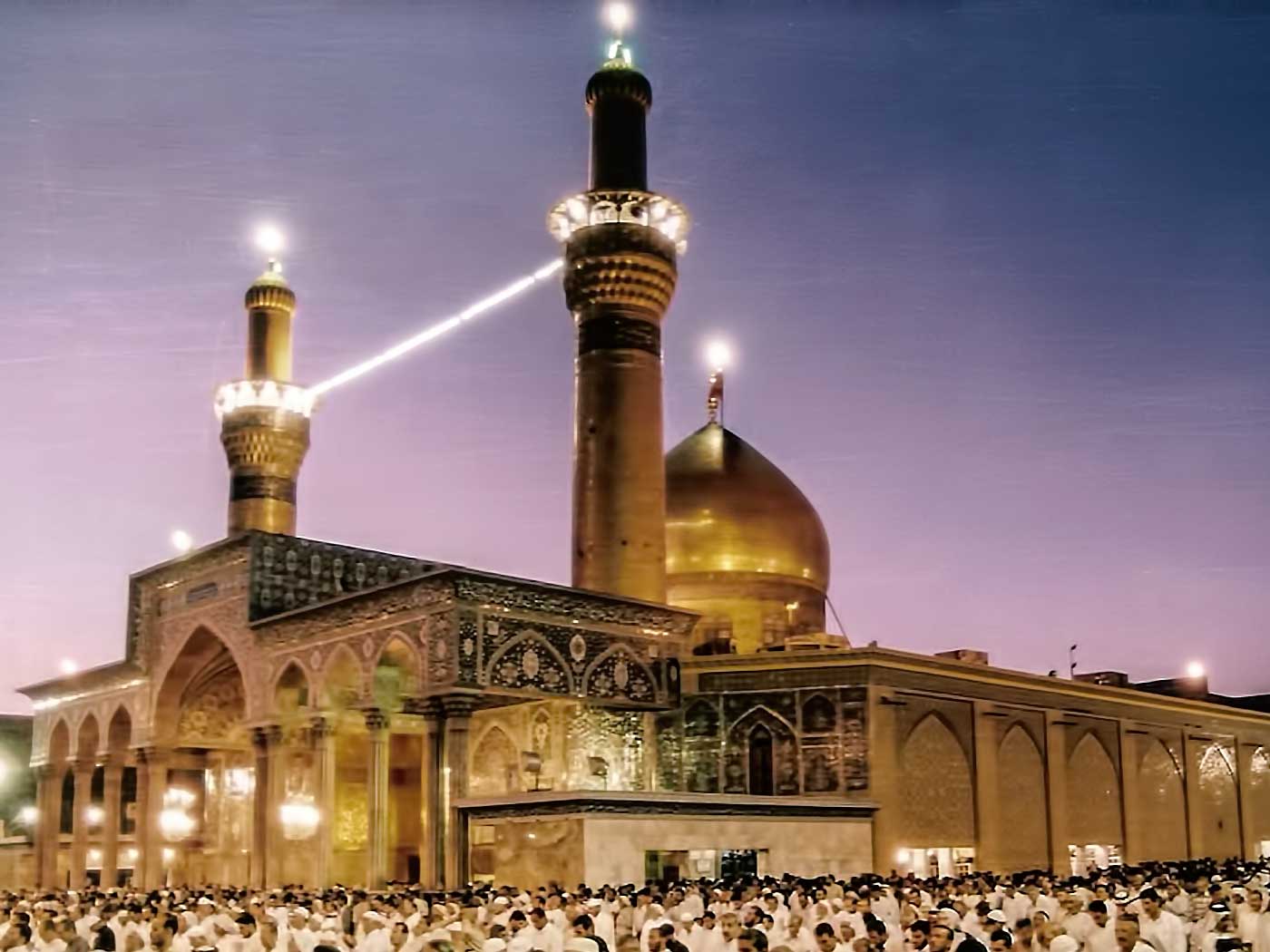
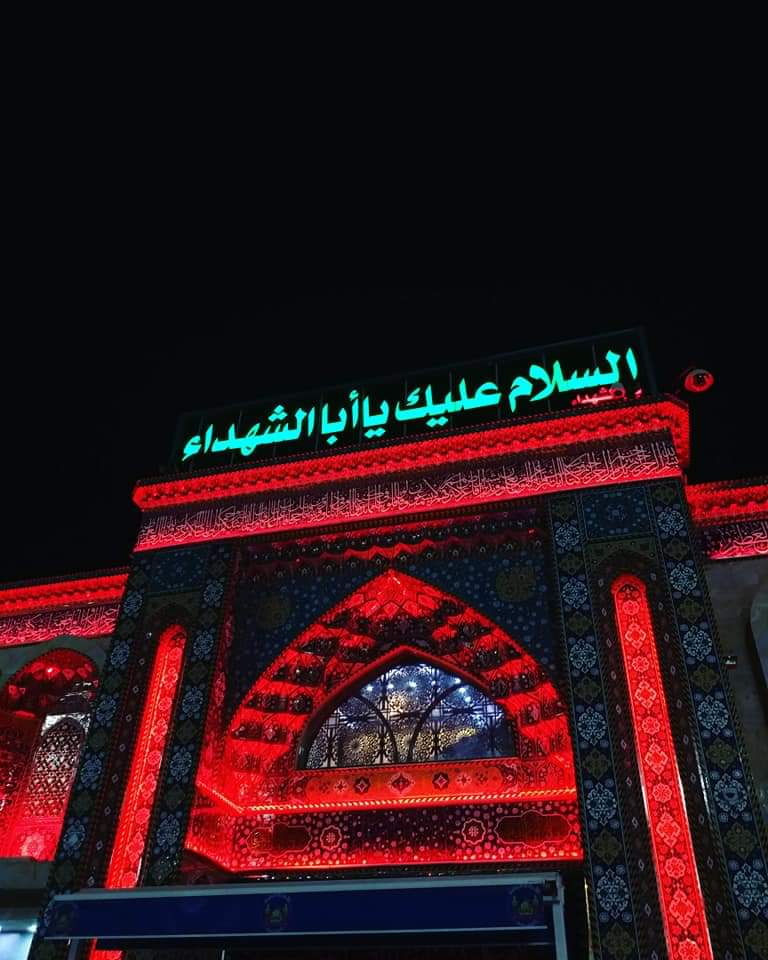
Shrine of Imam Husayn ibn Ali.
Native nameالحسين ابن عليBorn10 October 625 (3 Sha'aban AH 4)1] Medinah, HijazDied10 October 680(aged 55) (10 Muharram AH 61) Karbala, Umayyadsection of MesopotamiaCause of deathBeheaded at the Battle of KarbalaResting placeHis shrine at Karbala, Karbala Governorate, Iraq 32°36′59″N44°1′56.29″EResidenceMedinah, HejazKnown forbeing a grandson of the Islamic prophet Muhammad, the Battle of Karbala, ShiaImamTitle
List
Sayyid al-Shohada (Arabic for Master of martyrs)[2]
ash-Shahīd[3
as-Sibt3
Sayyidu Shabābi Ahlil Jannah3 (Arabic for Leader of the Youth of Paradise)
ar-Rashīd3
at-Tābi li Mardhātillāh3
al-Mubārak3
at-Tayyib3
Sayyidush Shuhadā5 (Arabic for Master of the Martyrs)
al-Wafī3
Üçüncü Ali (Turkish for Third Ali)
TermAC 670–680Predecessor(As Shia Imam) Hasan ibn AliSuccessor(As Shia Imam) Ali Zayn al-AbidinOpponent(s)Yazid ibn MuawiyahSpouse(s)Shahr Banu bint Yazdegerd III (last Sassanid Emperor of Persia) Umme Rubāb Umme Laylā Children
List
'Alī Zayn al-'Ābidīn, Sakīnah (Mother: Shahr Banu)
'Alī al-Akbar, Fāṭimah aṣ-Ṣughrá(Mother: Laylā)
Sukaynah and,
'Alī al-Aṣghar(Mother: Rubāb)
7]Parents
Ali (father)
Fatimah (mother)
Relatives
Family tree of Husayn ibn Ali
List
Muhammad(maternal grandfather)
Hasan (full brother)
Zaynab (full sister)
Umm Kulthum (full sister)
Muhsin (full brother)
Abbas (paternal half-brother)
Abu Talib (paternal grandfather)
Prior to his death, the Umayyad caliphMuawiya appointed his son Yazid as his successor in a clear violation of the Hasan-Muawiya treaty.[8] When Muawiya died in 680 CE, Yazid demanded that Husain pledge allegiance to him. Husain was well-known as the grandson of Muhammad and was an exemplary Muslim; if Husain pledged allegiance to Yazid, who was corrupt, shameless, and tyrannical,[9] it would be seen as legitimizing Yazid's behavior in Islam. Thus, in order to save Islam from Yazid's influence, Husain refused to pledge allegiance to Yazid, even though it meant sacrificing his life. As a consequence, he left Medina, his hometown, to take refuge in Mecca in AH 60.[8 There, the people of Kufah sent letters to him, asking his help and pledging their allegiance to him. So he traveled towards Kufah;8] however, at a place near it known as Karbala, his caravan was intercepted by Yazid's army. He was killed and beheaded in the Battle of Karbala on 10 October 680 (the 10th of Muharram in 61 AH) by Shimr ibn Thil-Jawshan, along with most of his family and companions, including Husayn's six month old son, Ali al-Asghar, with the women and children taken as prisoners.[8 Anger at Husayn's death was turned into a rallying cry that helped undermine the Umayyad caliphate's legitimacy, and ultimately overthrow it by the Abbasid...
Read moreThe Third Imam, Husayn Ibn ‘Ali (as) Second son of Fatima (sa) and ‘Ali (as) Husayn (as) was born on 3rd Shabaan, 4th year of Hijri (10.1.626 AD) When he was born the Holy Prophet was given the news of the birth of his 2nd grandson. He arrived at the house of his daughter, took the little baby in his arms, said the Azan and Iqamah in his ears.
People around the Prophet saw tears in his eyes. Fatimah asked what was the reason for this, he told her that this boy of hers will achieve martyrdom, but consoled her by adding that God will create a nation who will mourn Husayn till the Day of Judgement. Another famous saying of the Prophet at the same time became synonymous with the name of his grandson Husayn.
“Hussian-o-Minni wa Ana Minul Husayn”. Husayn is from me and I am from Husayn. One can explain this Hadith that Husayn, being the grand son of the Prophet was from him biologically. How a grandfather was from his grand son needs to be explained. Prophets of God speak spiritually rather than materially.
He was talking about Islam the Deen he was assigned by God to propagate God’s religion.. He was for Islam and his whole life was for Islam and its establishment on earth. Any break in this mission would subvert this mission which was the purpose of his creation.
The message of the Holy Prophet in this saying was that Husayn will, in some near future save this mission from destruction, hence the very purpose of his being will be saved by the sacrifice of his grandson. He was giving the news of a future occurrence. The story of Karbala’ unfolds.
Shah Usto Husayno Badshah Usto Husayn
Deen Uato Husayno Deen Panah Usto Husayn
Surdad, Nadad Dust Dur Dueste Yazid
Haqqa Ke Benate La Ilah Husto Husayn
Husayn is the king , indeed he is the king of kings,
Husayn is Deen and also the protector of Deen,
He gave his head but not his hand of allegiance in the hand of Yazid.
Indeed he was the founder (Like his grandfather) of the concept of One God.
This quartet of Shah Moinuddin Chishty Ajmeri is the exact meaning of the Hadith of “Husayno Minni” as mentioned above.Imam Husayn (as) has saved Islam from oblivion by offering his timely sacrifice to draw the line of demarcation between Truth and Falsehood, between good and evil, between Right and Wrong, that after this event in Karbala’ in 61 Hijri, no one inside or outside Islam dare to challenge the truth of the Holy Qur’an or try to subvert its meanings.
The story of Karbala’ begins with the birth of Husayn. The Holy Prophet had shown affection and love for his grandson as any grandfather should show,but there was something more positive and profound...
Read moreThe Shrine of Imam Hussein (AS) - A Spiritual Sanctuary in Karbala
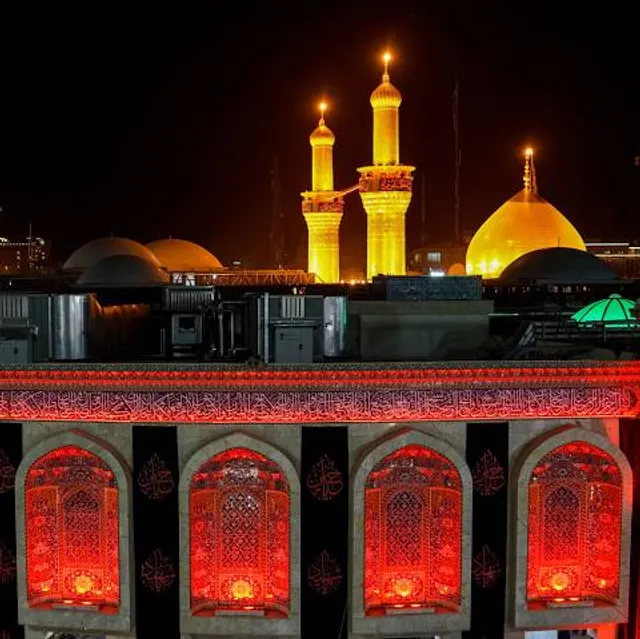
The shrine of Imam Hussein (AS) in Karbala is one of the holiest and most revered places for millions of Muslims, especially Shia. It is the resting place of Imam Hussein (AS), the grandson of Prophet Muhammad (PBUH), who stood against oppression and injustice in the Battle of Karbala and sacrificed his life for truth and justice.
The moment you step into the vicinity of the shrine, a deep sense of spirituality and reverence overwhelms you. The golden dome of the shrine, visible from a distance, symbolizes the greatness of Imam Hussein (AS) and his eternal legacy. Inside the shrine, the atmosphere is both serene and powerful, with the sound of prayers and supplications filling the air, creating a deep emotional and spiritual connection to Imam Hussein (AS).
People from all walks of life, including those of different faiths and backgrounds, find solace and inspiration at the shrine of Imam Hussein (AS). His message of justice, sacrifice, and standing up for truth transcends religious and cultural boundaries. Many individuals from various faiths visit the shrine, drawn to the universal values of love, justice, and compassion embodied by Imam Hussein (AS).
Every year, especially during Arbaeen, millions of people make their way to Karbala to pay homage to Imam Hussein (AS). One of the largest gatherings in the world takes place during this time, when pilgrims walk from Najaf to Karbala, covering a distance of over 80 kilometers. This Arbaeen Pilgrimage is the largest peaceful walk in the world, where people from all around the globe, regardless of their religion, join together to commemorate the sacrifice of Imam Hussein (AS).
Visiting the shrine of Imam Hussein (AS) is not just about honoring a historical figure, but it is a deeply transformative experience that fills the heart with love, peace, and inspiration. Imam Hussein (AS) continues to be a beacon of hope, justice, and resilience for people across the world.
Whether you are a Muslim or not, the message of Imam Hussein (AS) resonates deeply in the hearts of all who seek truth, compassion, and justice. The shrine of Imam Hussein (AS) invites everyone to experience this profound connection and to be moved by the eternal love and sacrifice of...
Read more