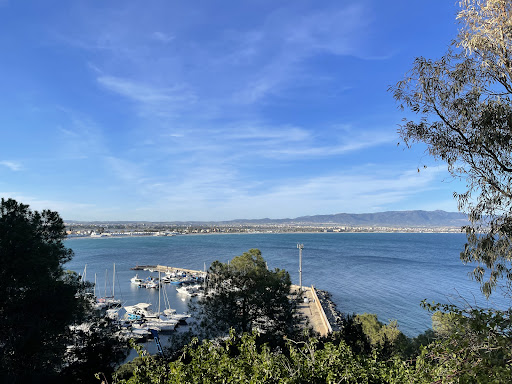
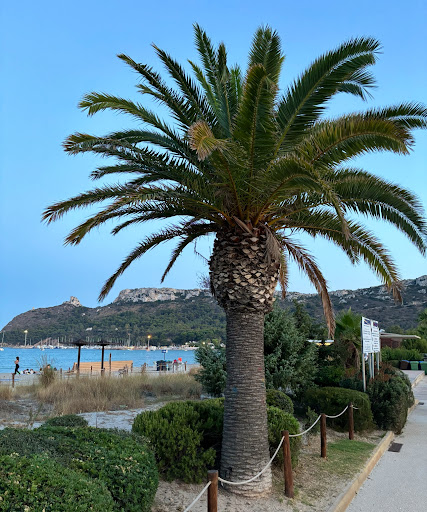
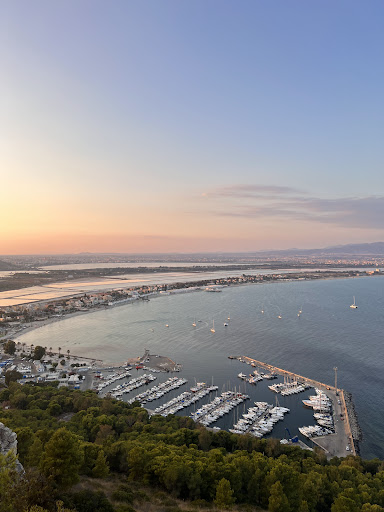
Sella del diavolo things to do, attractions, restaurants, events info and trip planning
Basic Info
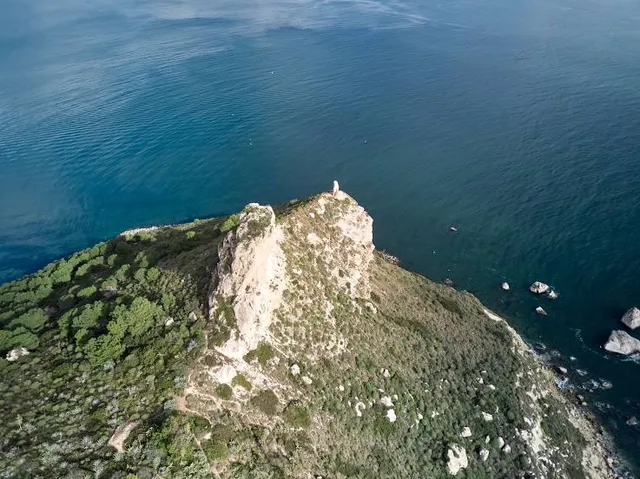
Sella del diavolo
Viale Calamosca, 50, 09126 Cagliari CA, Italy
4.8(800)
Open until 12:00 AM
Save
spot
spot
Ratings & Description
Info
Outdoor
Adventure
Scenic
Pet friendly
attractions: Tempio punico, Torre del Poetto, E-boats Sardinia, Spiaggia di Cala Fighera, restaurants: La Pirata Due La Vendetta, Ristorante Dal Corsaro al mare, Elysium, Ristorante L'Aurora, Nomade Café, Otium, Le Palmette Beach Club, La Paillote, Le Terrazze di Calamosca, local businesses: Sardinia Dream Tour - boat tours
 Learn more insights from Wanderboat AI.
Open hoursSee all hours
TueOpen 24 hoursOpen
Plan your stay

Pet-friendly Hotels in Cagliari
Find a cozy hotel nearby and make it a full experience.

Affordable Hotels in Cagliari
Find a cozy hotel nearby and make it a full experience.

The Coolest Hotels You Haven't Heard Of (Yet)
Find a cozy hotel nearby and make it a full experience.

Trending Stays Worth the Hype in Cagliari
Find a cozy hotel nearby and make it a full experience.
Reviews
Live events

Cagliari pasta cooking class: culurgiones
Tue, Feb 10 • 11:00 AM
09129, Cagliari, Sardinia, Italy
View details
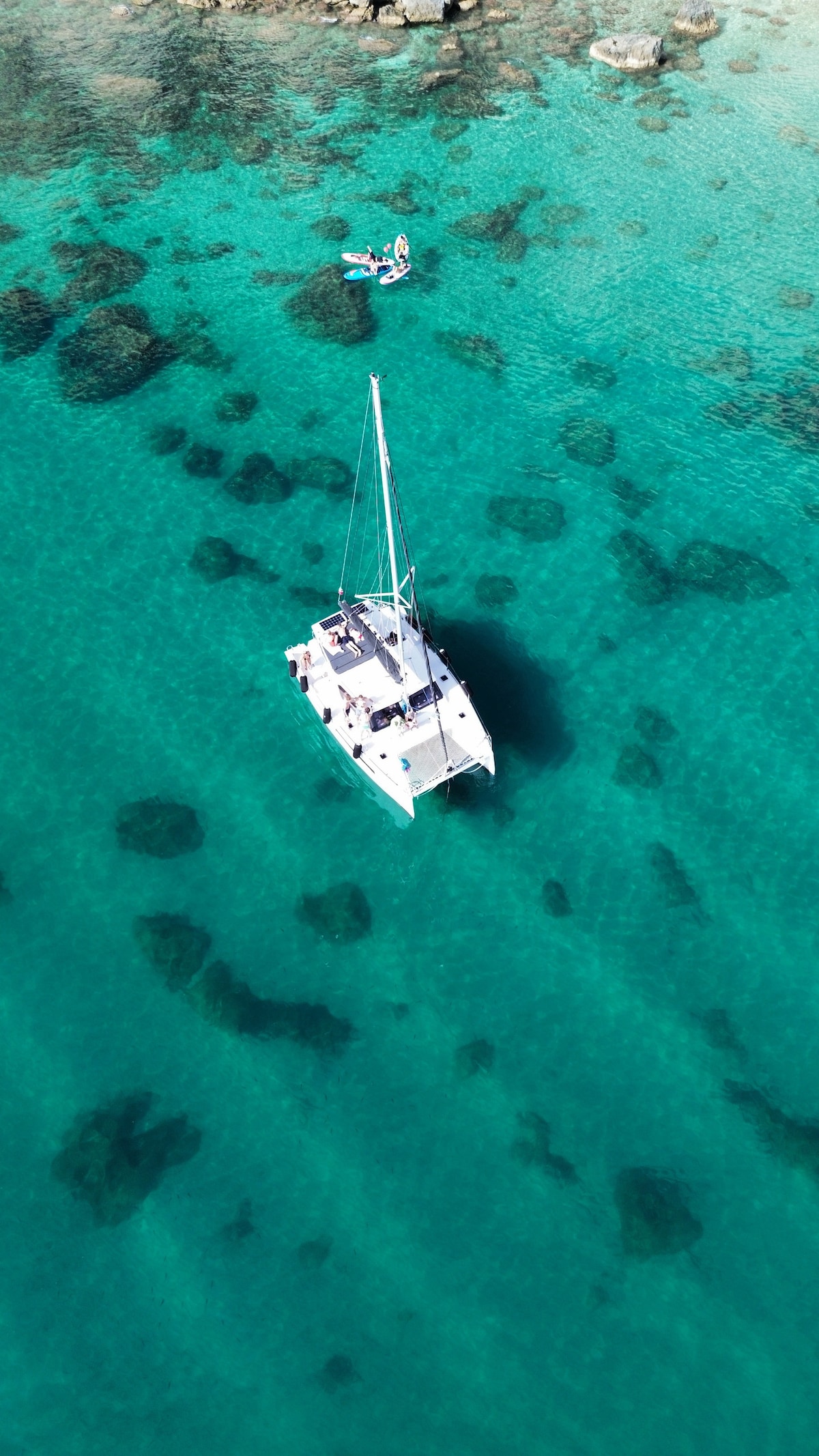
Sail to the Devils Saddle by catamaran
Tue, Feb 10 • 10:00 AM
09125, Cagliari, Sardinia, Italy
View details
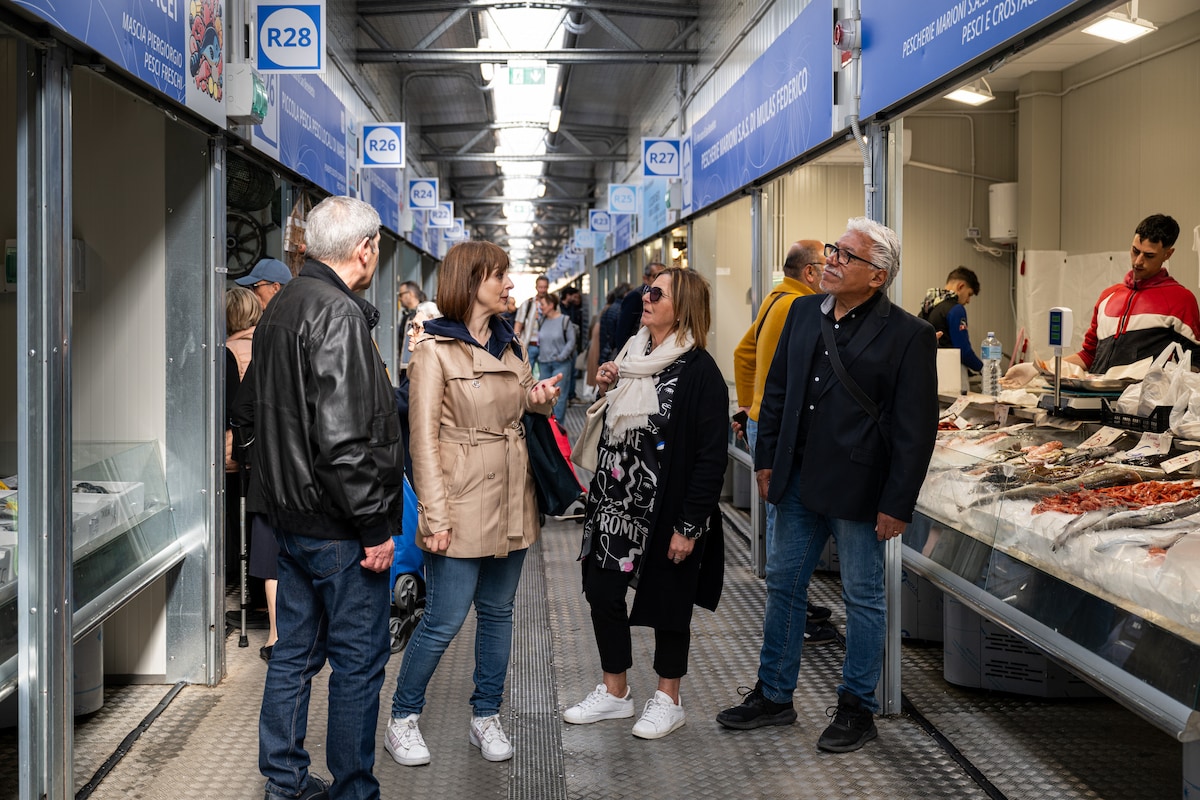
Discover the typical products of the San Benedetto market
Tue, Feb 10 • 10:00 AM
09128, Cagliari, Sardinia, Italy
View details
Nearby attractions of Sella del diavolo
Tempio punico
Torre del Poetto
E-boats Sardinia
Spiaggia di Cala Fighera
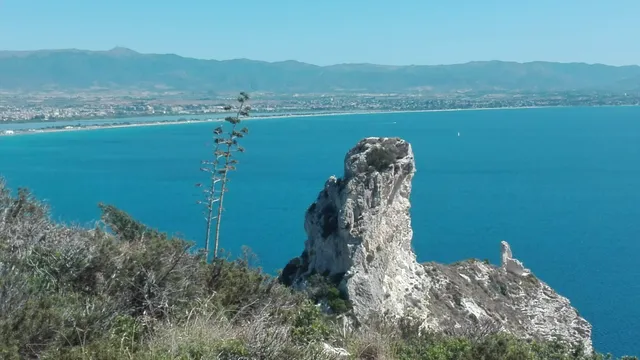
Tempio punico
4.6
(170)
Open until 12:00 AM
Click for details
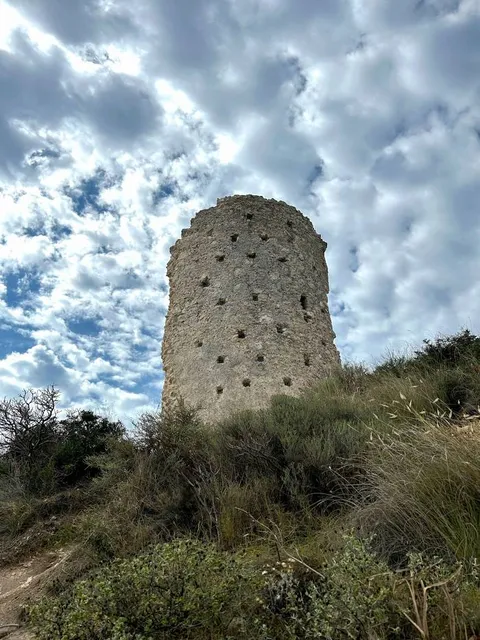
Torre del Poetto
4.8
(132)
Open until 12:00 AM
Click for details

E-boats Sardinia
4.9
(243)
Open 24 hours
Click for details
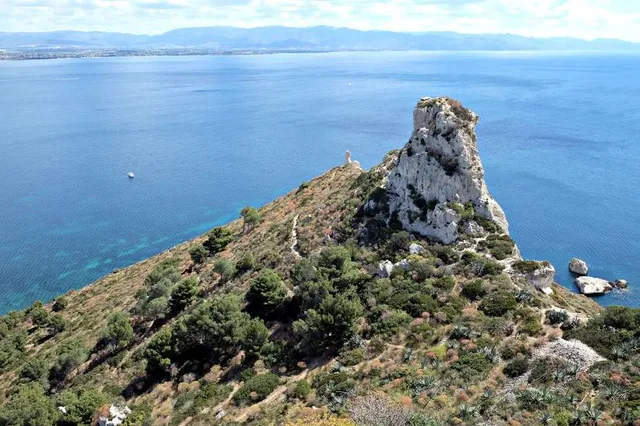
Spiaggia di Cala Fighera
4.6
(554)
Open until 12:00 AM
Click for details
Nearby restaurants of Sella del diavolo
La Pirata Due La Vendetta
Ristorante Dal Corsaro al mare
Elysium
Ristorante L'Aurora
Nomade Café
Otium
Le Palmette Beach Club
La Paillote
Le Terrazze di Calamosca

La Pirata Due La Vendetta
3.8
(281)
$$
Closed
Click for details
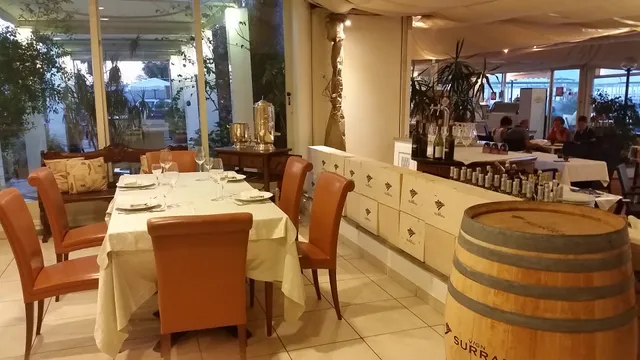
Ristorante Dal Corsaro al mare
3.2
(310)
Open until 12:00 AM
Click for details

Elysium
4.5
(45)
Closed
Click for details
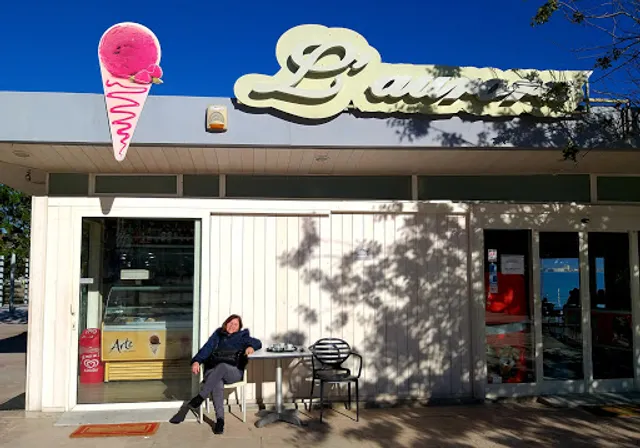
Ristorante L'Aurora
4.0
(818)
Closed
Click for details
Nearby local services of Sella del diavolo
Sardinia Dream Tour - boat tours
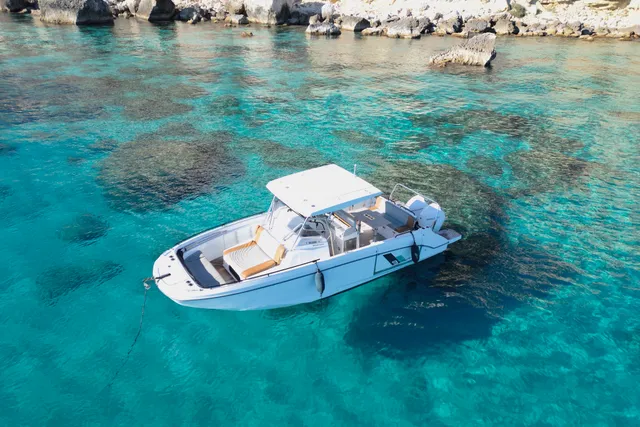
Sardinia Dream Tour - boat tours
5.0
(149)
Click for details