HTML SitemapExplore
Find Things to DoFind The Best Restaurants

Stelvio Pass — Attraction in Comunità montana Alta Valtellina

Name
Stelvio Pass
Description
Nearby attractions
Nearby restaurants
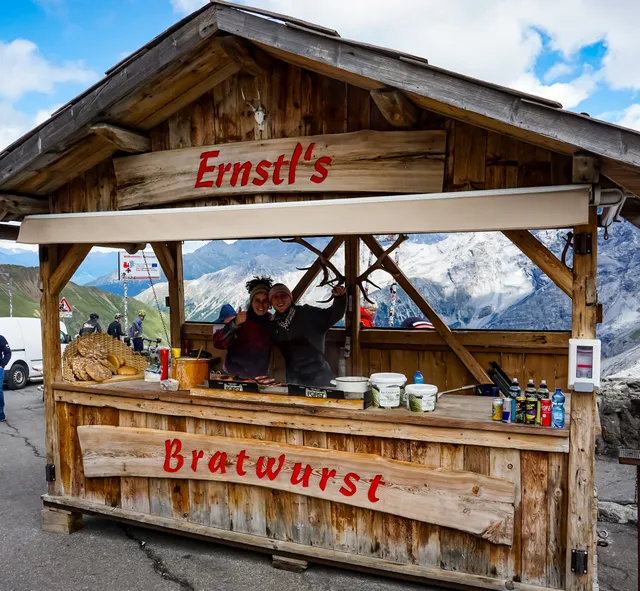
Ernstl's Bratwurst
Strada del Passo dello Stelvio, 6, 39029 Stelvio BZ, Italy
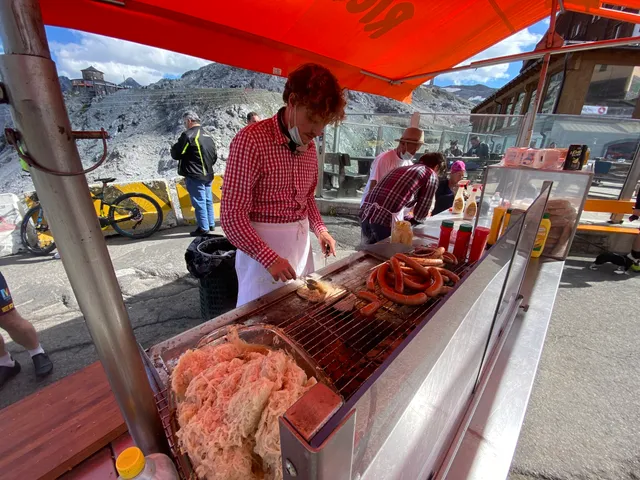
Richards Bratwurst
Passo dello, 39029 Stelvio BZ, Italy
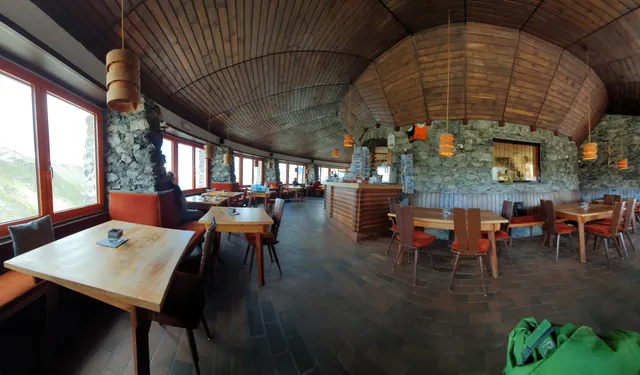
Alpengasthof Tibet Hütte
Stilfserjoch, 10, 39029 Stelvio BZ, Italy
Nearby hotels
Hotel Genziana
Strada del Passo dello Stelvio, 23032 Bormio SO, Italy
Hotel Passo Stelvio
Passo dello Stelvio, 23032 Bormio SO, Italy
Perego
Passo dello Stelvio, 23032 Bormio SO, Italy
Hotel Pirovano Quarto
23032 Bormio, Province of Sondrio, Italy
Hotel Folgore
Strada del Passo dello Stelvio, 23032 Bormio SO, Italy
Rifugio Garibaldi
Località Passo dello Stelvio, m. 2758 slm, 23032 Bormio SO, Italy
Related posts
Keywords
Stelvio Pass tourism.Stelvio Pass hotels.Stelvio Pass bed and breakfast. flights to Stelvio Pass.Stelvio Pass attractions.Stelvio Pass restaurants.Stelvio Pass travel.Stelvio Pass travel guide.Stelvio Pass travel blog.Stelvio Pass pictures.Stelvio Pass photos.Stelvio Pass travel tips.Stelvio Pass maps.Stelvio Pass things to do.
Stelvio Pass things to do, attractions, restaurants, events info and trip planning
Stelvio Pass
ItalyLombardyComunità montana Alta ValtellinaStelvio Pass

Basic Info

Stelvio Pass

39029 Stilfs, Autonomous Province of Bolzano – South Tyrol, Italy
4.8(3.1K)
Open 24 hours
Save
spot

Ratings & Description

Info

Outdoor
Adventure
Scenic
Family friendly
attractions: , restaurants: Ernstl's Bratwurst, Richards Bratwurst, Alpengasthof Tibet Hütte
logoLearn more insights from Wanderboat AI.

Plan your stay

hotel
Pet-friendly Hotels in Comunità montana Alta Valtellina
Find a cozy hotel nearby and make it a full experience.
hotel
Affordable Hotels in Comunità montana Alta Valtellina
Find a cozy hotel nearby and make it a full experience.
hotel
The Coolest Hotels You Haven't Heard Of (Yet)
Find a cozy hotel nearby and make it a full experience.
hotel
Trending Stays Worth the Hype in Comunità montana Alta Valtellina
Find a cozy hotel nearby and make it a full experience.

Reviews

Nearby restaurants of Stelvio Pass

Ernstl's Bratwurst

Richards Bratwurst

Alpengasthof Tibet Hütte

Ernstl's Bratwurst

Ernstl's Bratwurst

4.7

(65)

Click for details
Richards Bratwurst

Richards Bratwurst

4.5

(43)

Click for details
Alpengasthof Tibet Hütte

Alpengasthof Tibet Hütte

4.6

(409)

Click for details
Get the Appoverlay
Get the AppOne tap to find yournext favorite spots!
Wanderboat LogoWanderboat

Your everyday Al companion for getaway ideas

CompanyAbout Us
InformationAI Trip PlannerSitemap
SocialXInstagramTiktokLinkedin
LegalTerms of ServicePrivacy Policy

Get the app

© 2025 Wanderboat. All rights reserved.

Reviews of Stelvio Pass

4.8
(3,105)
avatar
4.0
1y

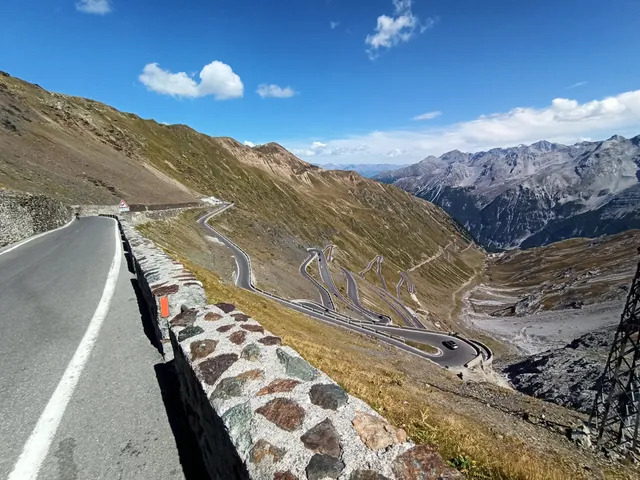
Stelvio Pass, often hailed as the Mecca for motorcyclists, is a ride that every biker should experience at least once in their lifetime. This iconic road, with its hairpin turns and jaw-dropping views, offers an adrenaline rush like no other. The ascent is a test of skill and nerve, with 48 switchbacks that will have you leaning into every curve, your heart racing with every twist and turn.

However, be prepared for the crowds. Stelvio is no secret, and on a sunny day, you might find yourself in a procession of bikes, cars, and the occasional cyclist. The summit, while breathtaking, can feel a bit anticlimactic with its bustling cafes and souvenir shops. It’s more about the journey than the destination here.

Interesting tidbit: Stelvio Pass has been featured in the legendary Giro d’Italia cycling race, challenging even the fittest athletes with its steep inclines. Another fun fact – during World War I, this pass was a strategic military route, adding a touch of historical significance to your ride.

Despite the crowds and the commercial vibe at the top, Stelvio Pass remains a must-visit. The sheer thrill of navigating one of the highest paved roads in the Alps is worth every moment. Just make sure to bring your camera, because the views are out of this world, and you’ll want to relive this epic journey...

   Read more
avatar
5.0
5y

La strada statale omonima che lo attraversa collega Bormio (valle del Braulio, Valtellina) con Prato allo Stelvio (valle di Trafoi, val Venosta), è asfaltata, a due corsie e carrozzabile, e conta ben ottantotto tornanti, di cui quarantotto sul versante altoatesino e quaranta su quello lombardo. Sul versante lombardo, a quota circa 2.500 m, la strada si collega col vicino Giogo di Santa Maria, valico che conduce in territorio svizzero (Cantone dei Grigioni; sebbene la strada attraversi effettivamente un confine internazionale, non è presente alcuna dogana). Su tutti e tre i versanti, i due italiani e quello svizzero, il passo rimane chiuso stagionalmente tra novembre e maggio.

Dalla sommità del passo si diramano diversi percorsi escursionistici, tra cui il sentiero per la Cima Garibaldi (2.843 m s.l.m.) e la strada sterrata che raggiunge il rifugio Pirovano (3.028 m s.l.m.).

Storia Una diligenza presso il passo nel 1881

All'inizio dell'Ottocento si era manifestata la necessità di realizzare una nuova strada, in sostituzione del preesistente sentiero, per collegare la Val Venosta direttamente con Milano (allora territorio austriaco) attraverso la Valtellina.

Il primo progetto fu proposto nel 1812 dall’ingegner Ferranti,che ipotizzò una strada larga 2,7 metri. Nel pieno delle guerre napoleoniche, la proposta non ebbe seguito.

Nel 1818 l'imperatore Francesco II d'Asburgo affidò l'incarico all'ingegnere capo della provincia di Sondrio, Carlo Donegani, esperto d'ingegneria stradale d'alta montagna e già progettista della strada del passo dello Spluga.

I lavori durarono 63 mesi, occupando fino a 2500 persone, e terminarono nel 1825 con una spesa complessiva di circa 2.901.000 fiorini. All'inaugurazione presenziò anche l'imperatore austriaco, e all'ingegner Donegani furono conferite diverse onorificenze.

Il valico era percorso durante tutto l'anno da un servizio di diligenze, rimasto operativo fino al 1915. Nei mesi invernali era necessario un grande lavoro da parte degli spalatori che sgomberavano la strada dalla neve.

Nel 1859, con l'annessione della Lombardia al regno sabaudo, il valico divenne territorio di confine. Gli austriaci costruirono pertanto tre fortificazioni in vari punti della salita dal versante orientale: il forte Gomagoi, il forte Kleinboden e il forte Weisser Knott, facenti parte dello sbarramento Gomagoi. Nei pressi del passo fu eretta invece la fortificazione Goldsee, di cui oggi rimangono solo i resti.

All'epoca, il versante occidentale era percorso dalla strada nazionale 18.

Durante la prima guerra mondiale il passo fu teatro di aspri scontri tra la fanteria austriaca e quella italiana. Terminato il conflitto entrambi i versanti divennero italiani.

Il valico perse gran parte del suo significato strategico di collegamento e ne fu quindi decisa la chiusura invernale.

Nel 1928, con la realizzazione della SS 38 dello Stelvio, l'intero tracciato venne consolidato, ampliato e asfaltato, realizzando una strada carrozzabile a doppio senso di marcia. Al valico è presente un museo sul tema della costruzione della strada. In anni recenti è stata più volte presa in considerazione l'ipotesi di introdurre un pedaggio al fine di investirne i ricavi per valorizzare il territorio, ma la proposta non è stata...

   Read more

avatar
5.0
3y

Stelvio, without doubt the most famous pass across all of the Alps due Top Gear featuring it in 2008.

It is beautiful and is a must do, tick the box bucket list item!

Many people moan or put the Stelvio down, don't be put off!! Find out for yourself and follow my tip below.

It has two sides! The side everyone takes a photo of which looks cool but is actually quite tight, and then the otherside which is actually better to ride or drive.

My advice and this goes for all famous popular passes and particularly the Stelvio is; stay close the night before get up early and be there early! Otherwise you will get stuck behind many cars, cyclists, camper vans and coaches that you cannot overtake. I got there early and had the road to myself, so much so I went up and a couple of times before...

   Read more
Page 1 of 7
Previous
Next

Posts

Tom RobakTom Robak
Stelvio Pass, often hailed as the Mecca for motorcyclists, is a ride that every biker should experience at least once in their lifetime. This iconic road, with its hairpin turns and jaw-dropping views, offers an adrenaline rush like no other. The ascent is a test of skill and nerve, with 48 switchbacks that will have you leaning into every curve, your heart racing with every twist and turn. However, be prepared for the crowds. Stelvio is no secret, and on a sunny day, you might find yourself in a procession of bikes, cars, and the occasional cyclist. The summit, while breathtaking, can feel a bit anticlimactic with its bustling cafes and souvenir shops. It’s more about the journey than the destination here. Interesting tidbit: Stelvio Pass has been featured in the legendary Giro d’Italia cycling race, challenging even the fittest athletes with its steep inclines. Another fun fact – during World War I, this pass was a strategic military route, adding a touch of historical significance to your ride. Despite the crowds and the commercial vibe at the top, Stelvio Pass remains a must-visit. The sheer thrill of navigating one of the highest paved roads in the Alps is worth every moment. Just make sure to bring your camera, because the views are out of this world, and you’ll want to relive this epic journey again and again.
VESPISTADELLABASSAVESPISTADELLABASSA
La strada statale omonima che lo attraversa collega Bormio (valle del Braulio, Valtellina) con Prato allo Stelvio (valle di Trafoi, val Venosta), è asfaltata, a due corsie e carrozzabile, e conta ben ottantotto tornanti, di cui quarantotto sul versante altoatesino e quaranta su quello lombardo. Sul versante lombardo, a quota circa 2.500 m, la strada si collega col vicino Giogo di Santa Maria, valico che conduce in territorio svizzero (Cantone dei Grigioni; sebbene la strada attraversi effettivamente un confine internazionale, non è presente alcuna dogana). Su tutti e tre i versanti, i due italiani e quello svizzero, il passo rimane chiuso stagionalmente tra novembre e maggio. Dalla sommità del passo si diramano diversi percorsi escursionistici, tra cui il sentiero per la Cima Garibaldi (2.843 m s.l.m.) e la strada sterrata che raggiunge il rifugio Pirovano (3.028 m s.l.m.). Storia Una diligenza presso il passo nel 1881 All'inizio dell'Ottocento si era manifestata la necessità di realizzare una nuova strada, in sostituzione del preesistente sentiero, per collegare la Val Venosta direttamente con Milano (allora territorio austriaco) attraverso la Valtellina. Il primo progetto fu proposto nel 1812 dall’ingegner Ferranti,che ipotizzò una strada larga 2,7 metri. Nel pieno delle guerre napoleoniche, la proposta non ebbe seguito. Nel 1818 l'imperatore Francesco II d'Asburgo affidò l'incarico all'ingegnere capo della provincia di Sondrio, Carlo Donegani, esperto d'ingegneria stradale d'alta montagna e già progettista della strada del passo dello Spluga. I lavori durarono 63 mesi, occupando fino a 2500 persone, e terminarono nel 1825 con una spesa complessiva di circa 2.901.000 fiorini. All'inaugurazione presenziò anche l'imperatore austriaco, e all'ingegner Donegani furono conferite diverse onorificenze. Il valico era percorso durante tutto l'anno da un servizio di diligenze, rimasto operativo fino al 1915. Nei mesi invernali era necessario un grande lavoro da parte degli spalatori che sgomberavano la strada dalla neve. Nel 1859, con l'annessione della Lombardia al regno sabaudo, il valico divenne territorio di confine. Gli austriaci costruirono pertanto tre fortificazioni in vari punti della salita dal versante orientale: il forte Gomagoi, il forte Kleinboden e il forte Weisser Knott, facenti parte dello sbarramento Gomagoi. Nei pressi del passo fu eretta invece la fortificazione Goldsee, di cui oggi rimangono solo i resti. All'epoca, il versante occidentale era percorso dalla strada nazionale 18. Durante la prima guerra mondiale il passo fu teatro di aspri scontri tra la fanteria austriaca e quella italiana. Terminato il conflitto entrambi i versanti divennero italiani. Il valico perse gran parte del suo significato strategico di collegamento e ne fu quindi decisa la chiusura invernale. Nel 1928, con la realizzazione della SS 38 dello Stelvio, l'intero tracciato venne consolidato, ampliato e asfaltato, realizzando una strada carrozzabile a doppio senso di marcia. Al valico è presente un museo sul tema della costruzione della strada. In anni recenti è stata più volte presa in considerazione l'ipotesi di introdurre un pedaggio al fine di investirne i ricavi per valorizzare il territorio, ma la proposta non è stata mai attuata.
Billy BurkeBilly Burke
Stelvio, without doubt the most famous pass across all of the Alps due Top Gear featuring it in 2008. It is beautiful and is a must do, tick the box bucket list item! Many people moan or put the Stelvio down, don't be put off!! Find out for yourself and follow my tip below. It has two sides! The side everyone takes a photo of which looks cool but is actually quite tight, and then the otherside which is actually better to ride or drive. My advice and this goes for all famous popular passes and particularly the Stelvio is; stay close the night before get up early and be there early! Otherwise you will get stuck behind many cars, cyclists, camper vans and coaches that you cannot overtake. I got there early and had the road to myself, so much so I went up and a couple of times before it got busy.
See more posts
See more posts
hotel
Find your stay

Pet-friendly Hotels in Comunità montana Alta Valtellina

Find a cozy hotel nearby and make it a full experience.

Stelvio Pass, often hailed as the Mecca for motorcyclists, is a ride that every biker should experience at least once in their lifetime. This iconic road, with its hairpin turns and jaw-dropping views, offers an adrenaline rush like no other. The ascent is a test of skill and nerve, with 48 switchbacks that will have you leaning into every curve, your heart racing with every twist and turn. However, be prepared for the crowds. Stelvio is no secret, and on a sunny day, you might find yourself in a procession of bikes, cars, and the occasional cyclist. The summit, while breathtaking, can feel a bit anticlimactic with its bustling cafes and souvenir shops. It’s more about the journey than the destination here. Interesting tidbit: Stelvio Pass has been featured in the legendary Giro d’Italia cycling race, challenging even the fittest athletes with its steep inclines. Another fun fact – during World War I, this pass was a strategic military route, adding a touch of historical significance to your ride. Despite the crowds and the commercial vibe at the top, Stelvio Pass remains a must-visit. The sheer thrill of navigating one of the highest paved roads in the Alps is worth every moment. Just make sure to bring your camera, because the views are out of this world, and you’ll want to relive this epic journey again and again.
Tom Robak

Tom Robak

hotel
Find your stay

Affordable Hotels in Comunità montana Alta Valtellina

Find a cozy hotel nearby and make it a full experience.

Get the Appoverlay
Get the AppOne tap to find yournext favorite spots!
La strada statale omonima che lo attraversa collega Bormio (valle del Braulio, Valtellina) con Prato allo Stelvio (valle di Trafoi, val Venosta), è asfaltata, a due corsie e carrozzabile, e conta ben ottantotto tornanti, di cui quarantotto sul versante altoatesino e quaranta su quello lombardo. Sul versante lombardo, a quota circa 2.500 m, la strada si collega col vicino Giogo di Santa Maria, valico che conduce in territorio svizzero (Cantone dei Grigioni; sebbene la strada attraversi effettivamente un confine internazionale, non è presente alcuna dogana). Su tutti e tre i versanti, i due italiani e quello svizzero, il passo rimane chiuso stagionalmente tra novembre e maggio. Dalla sommità del passo si diramano diversi percorsi escursionistici, tra cui il sentiero per la Cima Garibaldi (2.843 m s.l.m.) e la strada sterrata che raggiunge il rifugio Pirovano (3.028 m s.l.m.). Storia Una diligenza presso il passo nel 1881 All'inizio dell'Ottocento si era manifestata la necessità di realizzare una nuova strada, in sostituzione del preesistente sentiero, per collegare la Val Venosta direttamente con Milano (allora territorio austriaco) attraverso la Valtellina. Il primo progetto fu proposto nel 1812 dall’ingegner Ferranti,che ipotizzò una strada larga 2,7 metri. Nel pieno delle guerre napoleoniche, la proposta non ebbe seguito. Nel 1818 l'imperatore Francesco II d'Asburgo affidò l'incarico all'ingegnere capo della provincia di Sondrio, Carlo Donegani, esperto d'ingegneria stradale d'alta montagna e già progettista della strada del passo dello Spluga. I lavori durarono 63 mesi, occupando fino a 2500 persone, e terminarono nel 1825 con una spesa complessiva di circa 2.901.000 fiorini. All'inaugurazione presenziò anche l'imperatore austriaco, e all'ingegner Donegani furono conferite diverse onorificenze. Il valico era percorso durante tutto l'anno da un servizio di diligenze, rimasto operativo fino al 1915. Nei mesi invernali era necessario un grande lavoro da parte degli spalatori che sgomberavano la strada dalla neve. Nel 1859, con l'annessione della Lombardia al regno sabaudo, il valico divenne territorio di confine. Gli austriaci costruirono pertanto tre fortificazioni in vari punti della salita dal versante orientale: il forte Gomagoi, il forte Kleinboden e il forte Weisser Knott, facenti parte dello sbarramento Gomagoi. Nei pressi del passo fu eretta invece la fortificazione Goldsee, di cui oggi rimangono solo i resti. All'epoca, il versante occidentale era percorso dalla strada nazionale 18. Durante la prima guerra mondiale il passo fu teatro di aspri scontri tra la fanteria austriaca e quella italiana. Terminato il conflitto entrambi i versanti divennero italiani. Il valico perse gran parte del suo significato strategico di collegamento e ne fu quindi decisa la chiusura invernale. Nel 1928, con la realizzazione della SS 38 dello Stelvio, l'intero tracciato venne consolidato, ampliato e asfaltato, realizzando una strada carrozzabile a doppio senso di marcia. Al valico è presente un museo sul tema della costruzione della strada. In anni recenti è stata più volte presa in considerazione l'ipotesi di introdurre un pedaggio al fine di investirne i ricavi per valorizzare il territorio, ma la proposta non è stata mai attuata.
VESPISTADELLABASSA

VESPISTADELLABASSA

hotel
Find your stay

The Coolest Hotels You Haven't Heard Of (Yet)

Find a cozy hotel nearby and make it a full experience.

hotel
Find your stay

Trending Stays Worth the Hype in Comunità montana Alta Valtellina

Find a cozy hotel nearby and make it a full experience.

Stelvio, without doubt the most famous pass across all of the Alps due Top Gear featuring it in 2008. It is beautiful and is a must do, tick the box bucket list item! Many people moan or put the Stelvio down, don't be put off!! Find out for yourself and follow my tip below. It has two sides! The side everyone takes a photo of which looks cool but is actually quite tight, and then the otherside which is actually better to ride or drive. My advice and this goes for all famous popular passes and particularly the Stelvio is; stay close the night before get up early and be there early! Otherwise you will get stuck behind many cars, cyclists, camper vans and coaches that you cannot overtake. I got there early and had the road to myself, so much so I went up and a couple of times before it got busy.
Billy Burke

Billy Burke

See more posts
See more posts