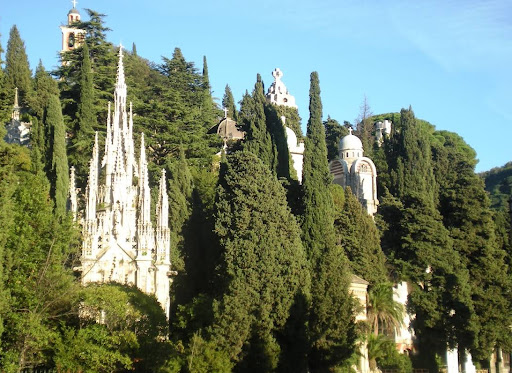
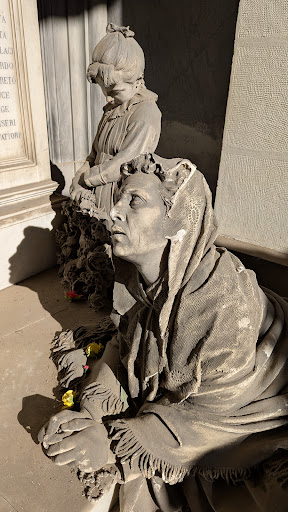
Monumental Cemetery of Staglieno things to do, attractions, restaurants, events info and trip planning

Basic Info
Monumental Cemetery of Staglieno
Piazzale Giovanni Battista Resasco, 2, 16137 Genova GE, Italy
4.5(303)
Open until 5:00 PM
Save
spot
spot
Ratings & Description
Info
The Cimitero monumentale di Staglieno is an extensive monumental cemetery located on a hillside in the district of Staglieno of Genoa, Italy, famous for its monumental sculpture. Covering an area of more than a square kilometre, it is one of the largest cemeteries in Europe.
Cultural
Outdoor
Scenic
attractions: , restaurants: Trattoria da Aldo, Sushi Yakido, Pizzeria Margherita, Forno 900 di Ambra Aloisio, Bar Giorgia, Dado Pizzeria Gourmet, Jolly Bar, Pizzeria Fior di Pizza, Panificio Pasticceria LA CIABATTINA, Leo Pizza, local businesses: Top Store, Stosa Store Genova Est - Lormani Mario & C. S.A.S., La Nani Pattern, Tassiano Arredamenti Srl, Museo dell'Acqua e del Gas
 Learn more insights from Wanderboat AI.
Phone
+39 010 557 6400
Website
staglieno.comune.genova.it
Open hoursSee all hours
Sat7:30 AM - 5 PMOpen
Plan your stay

Pet-friendly Hotels in Genoa
Find a cozy hotel nearby and make it a full experience.

Affordable Hotels in Genoa
Find a cozy hotel nearby and make it a full experience.

The Coolest Hotels You Haven't Heard Of (Yet)
Find a cozy hotel nearby and make it a full experience.

Trending Stays Worth the Hype in Genoa
Find a cozy hotel nearby and make it a full experience.
Reviews
Live events
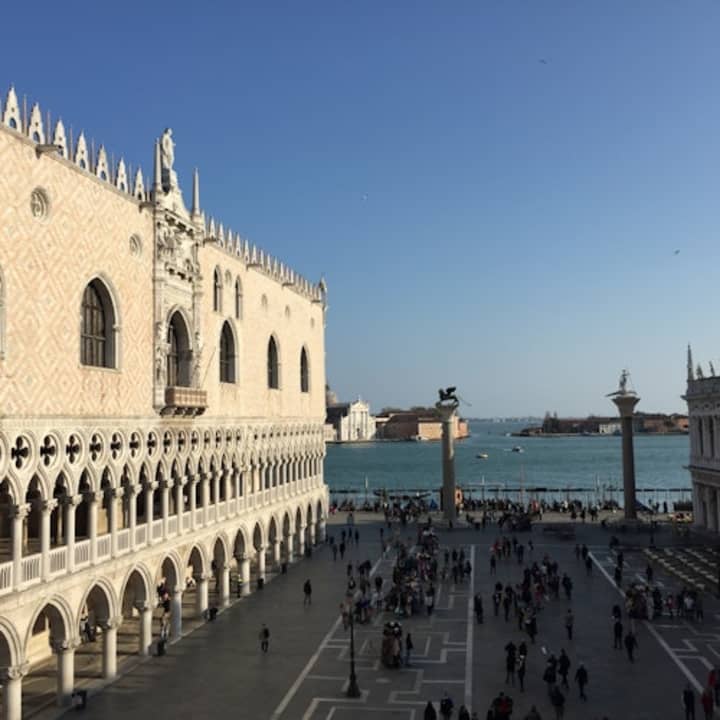
Palazzo Ducale: biglietto con accesso rapido
Sat, Feb 21 • 9:00 AM
Piazza Giacomo Matteotti, 9, Genova GE, Italia, 16123
View details

Zaza Cafè - liventalk
Sat, Feb 21 • 8:00 PM
26R Via della Pigna 16138 Genova
View details

Presentazione delle associazioni studentesche
Tue, Feb 24 • 2:30 PM
1 Via Montallegro 16145 Genova
View details
Nearby restaurants of Monumental Cemetery of Staglieno
Trattoria da Aldo
Sushi Yakido
Pizzeria Margherita
Forno 900 di Ambra Aloisio
Bar Giorgia
Dado Pizzeria Gourmet
Jolly Bar
Pizzeria Fior di Pizza
Panificio Pasticceria LA CIABATTINA
Leo Pizza
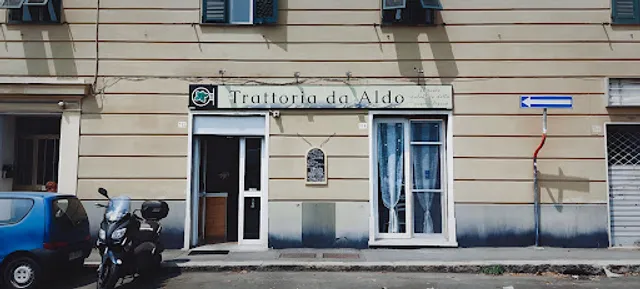
Trattoria da Aldo
4.7
(99)
Open until 12:00 AM
Click for details

Sushi Yakido
4.7
(22)
Open until 2:40 PM
Click for details
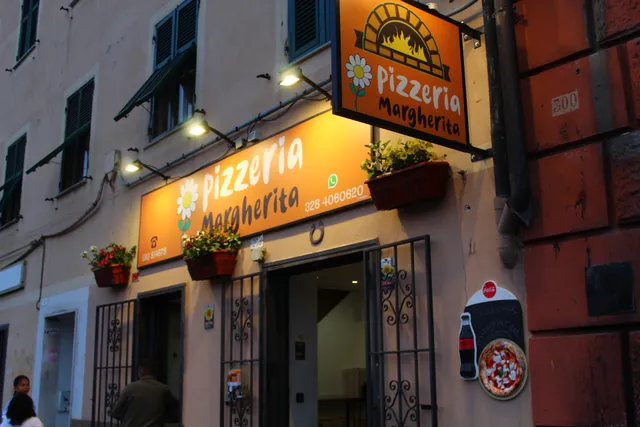
Pizzeria Margherita
4.3
(71)
Closed
Click for details
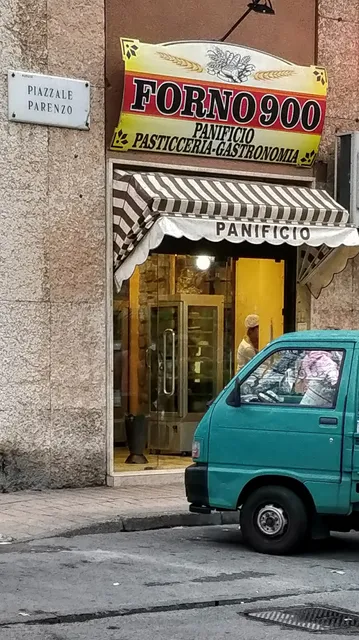
Forno 900 di Ambra Aloisio
4.2
(131)
$$
Open until 7:30 PM
Click for details
Nearby local services of Monumental Cemetery of Staglieno
Top Store
Stosa Store Genova Est - Lormani Mario & C. S.A.S.
La Nani Pattern
Tassiano Arredamenti Srl
Museo dell'Acqua e del Gas

Top Store
3.9
(475)
Click for details
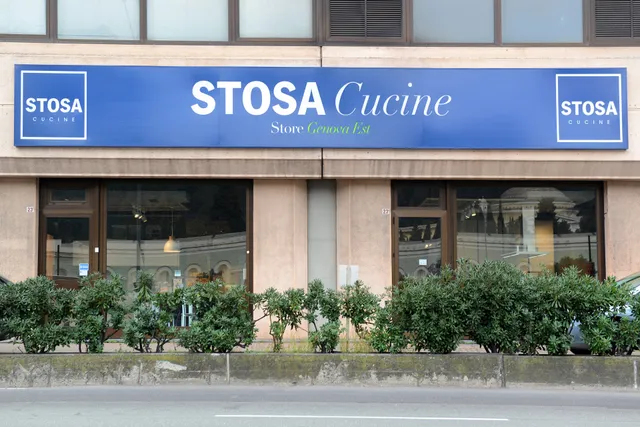
Stosa Store Genova Est - Lormani Mario & C. S.A.S.
4.1
(10)
Click for details

La Nani Pattern
5.0
(8)
Click for details
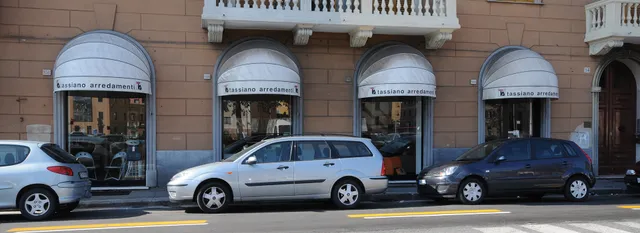
Tassiano Arredamenti Srl
4.3
(33)
Click for details