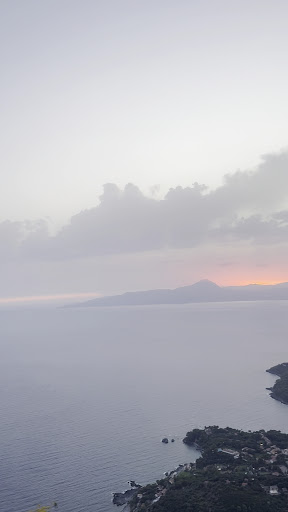
Statue of Christ the Redeemer things to do, attractions, restaurants, events info and trip planning
Basic Info
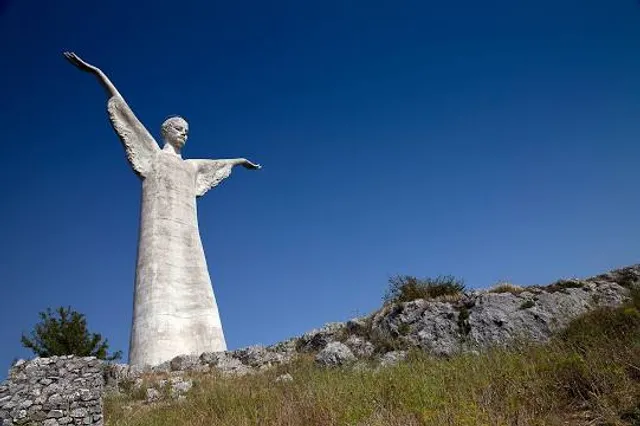
Statue of Christ the Redeemer
Monte San Biagio, 85046 Maratea PZ, Italy
4.7(3.7K)
Open until 12:00 AM
Save
spot
spot
Ratings & Description
Info
Christ The Redeemer is an Art Deco statue of Jesus Christ in Rio de Janeiro, Brazil, created by French sculptor Paul Landowski and built by Brazilian engineer Heitor da Silva Costa, in collaboration with French engineer Albert Caquot. Romanian sculptor Gheorghe Leonida sculpted the face.
Cultural
Outdoor
Accessibility
attractions: Basilica di San Biagio, Palazzo De Lieto, Torre Filocaio, restaurants: La Merenderia, La Taverna di Zu Cicco, Rossofermo Risto pub, La bella Lucania RistoBottega, La Caffetteria, Taverna Rovita, Caffe' E Dolcezze Di Laprea, La Parada del Mar, Rolling Steaks, Ristorante Pizzeria La Torre, local businesses: Monte San Biagio
 Learn more insights from Wanderboat AI.
Phone
+39 0973 877797
Website
vivilemuse.it
Open hoursSee all hours
ThuOpen 24 hoursOpen
Plan your stay

Pet-friendly Hotels in Maratea
Find a cozy hotel nearby and make it a full experience.

Affordable Hotels in Maratea
Find a cozy hotel nearby and make it a full experience.

The Coolest Hotels You Haven't Heard Of (Yet)
Find a cozy hotel nearby and make it a full experience.

Trending Stays Worth the Hype in Maratea
Find a cozy hotel nearby and make it a full experience.
Reviews
Nearby attractions of Statue of Christ the Redeemer
Basilica di San Biagio
Palazzo De Lieto
Torre Filocaio
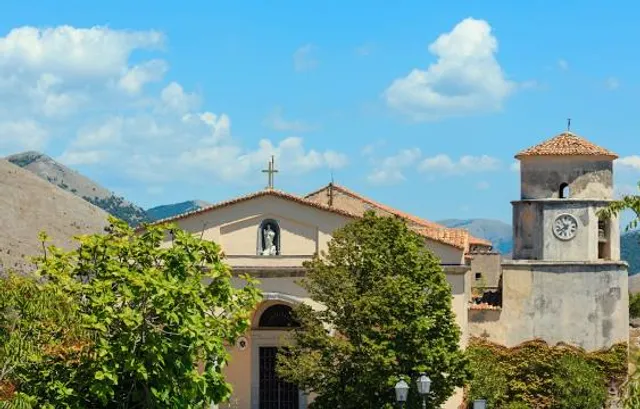
Basilica di San Biagio
4.6
(176)
Open 24 hours
Click for details
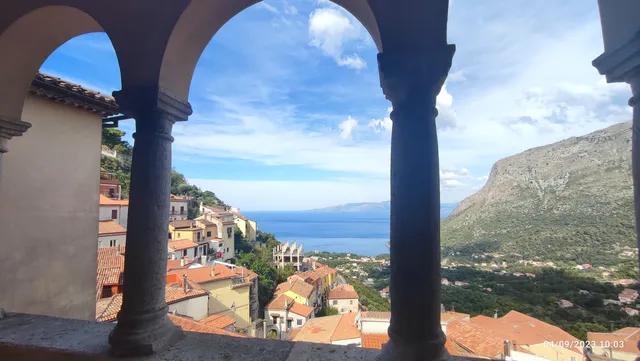
Palazzo De Lieto
4.4
(19)
Open 24 hours
Click for details
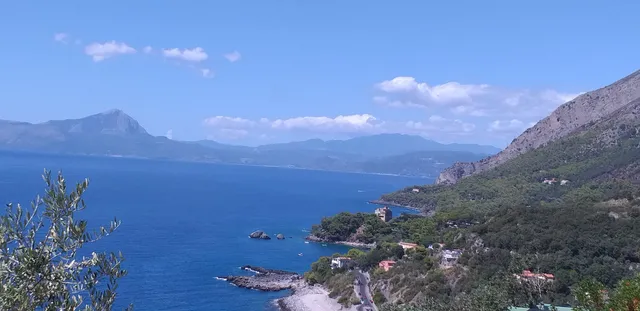
Torre Filocaio
4.3
(9)
Open until 12:00 AM
Click for details
Nearby restaurants of Statue of Christ the Redeemer
La Merenderia
La Taverna di Zu Cicco
Rossofermo Risto pub
La bella Lucania RistoBottega
La Caffetteria
Taverna Rovita
Caffe' E Dolcezze Di Laprea
La Parada del Mar
Rolling Steaks
Ristorante Pizzeria La Torre
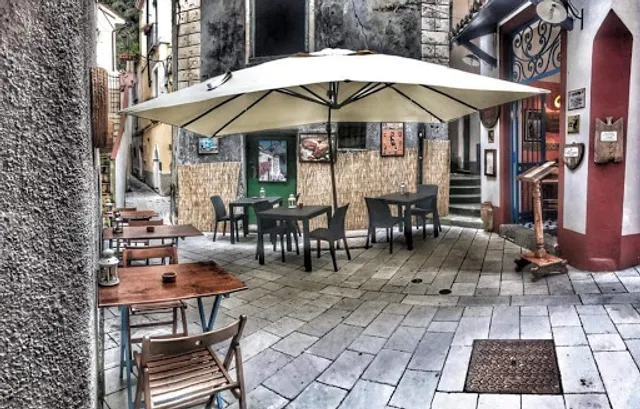
La Merenderia
4.1
(142)
Click for details
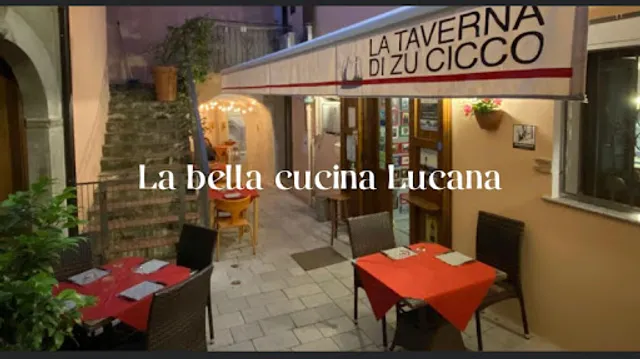
La Taverna di Zu Cicco
4.0
(327)
Click for details
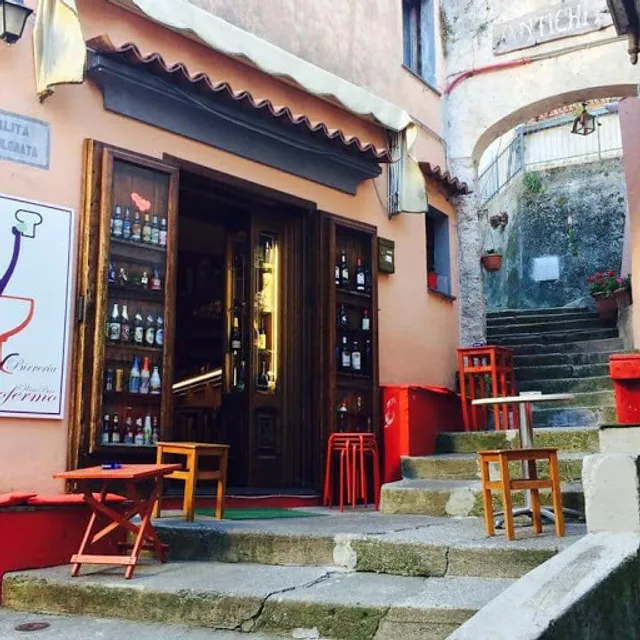
Rossofermo Risto pub
4.0
(137)
Open until 12:00 AM
Click for details
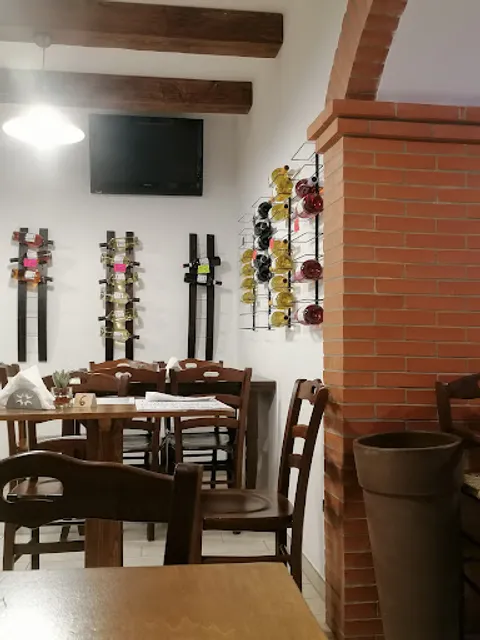
La bella Lucania RistoBottega
4.4
(100)
Closed
Click for details
Nearby local services of Statue of Christ the Redeemer
Monte San Biagio
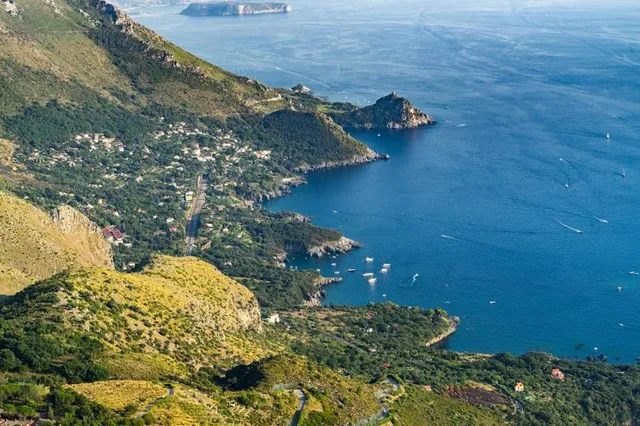
Monte San Biagio
4.5
(24)
Click for details