Fontanelle Cemetery things to do, attractions, restaurants, events info and trip planning
Basic Info
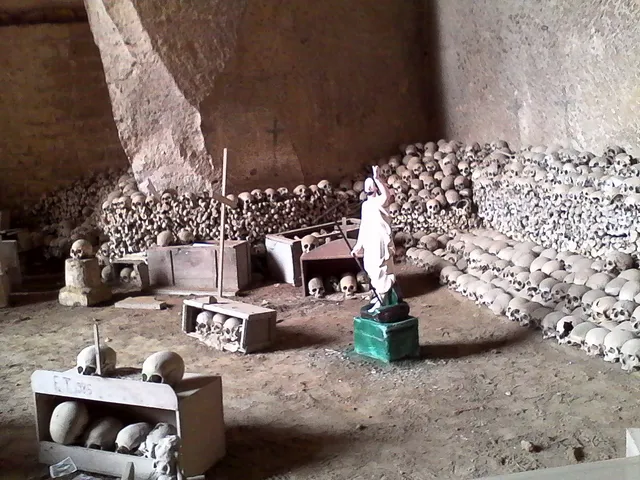
Fontanelle Cemetery
Via Fontanelle, 80, 80136 Napoli NA, Italy
4.3(330)
Open 24 hours
Save
spot
spot
Ratings & Description
Info
Cultural
attractions: Zoé Animal Yoga, Catacombe di San Gaudioso, Villa Partenope Luxury Events, Casa Morra - Archivio d'Arte Contemporanea, Parco del Poggio, Museo di Napoli - Collezione Gaetano Bonelli, Museo dello Scudillo, Il Sabba - Wine shop, restaurants: Cantina del Gallo, Pizzeria Del Re di Cristian Del Re, Allu Burger - Griglia in tutte le salse, Starita, Gran Caffè Le Rondinelle, Marchese, Iberico Taberna Española, I Due Re, La Cucchiarella Della Nonna, Antica Cucina Napoletana, local businesses: Eté Smarty, Farmacia F. Cifariello, Dolce Pc, Mastracchio Il Pasticciere, Farmacia Internazionale sas, Farmacia Aristonfarma, Basilica of Saint Mary of Healthcare, StronGames, Taverna del Gargoyle, Don Cake
 Learn more insights from Wanderboat AI.
Phone
+39 081 795 6160
Website
comune.napoli.it
Plan your stay

Pet-friendly Hotels in Naples
Find a cozy hotel nearby and make it a full experience.

Affordable Hotels in Naples
Find a cozy hotel nearby and make it a full experience.

The Coolest Hotels You Haven't Heard Of (Yet)
Find a cozy hotel nearby and make it a full experience.

Trending Stays Worth the Hype in Naples
Find a cozy hotel nearby and make it a full experience.
Reviews
Live events
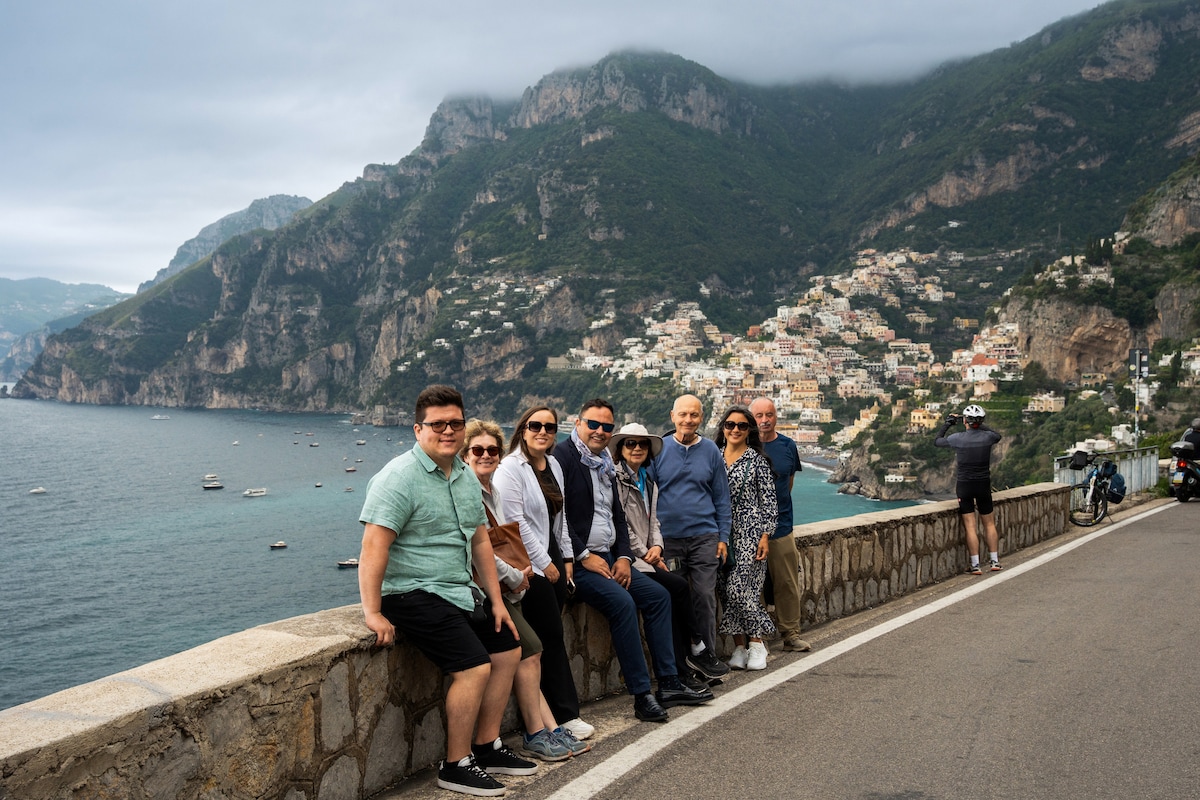
Discover the Amalfi Coast
Thu, Feb 12 • 9:00 AM
80142, Naples, Campania, Italy
View details
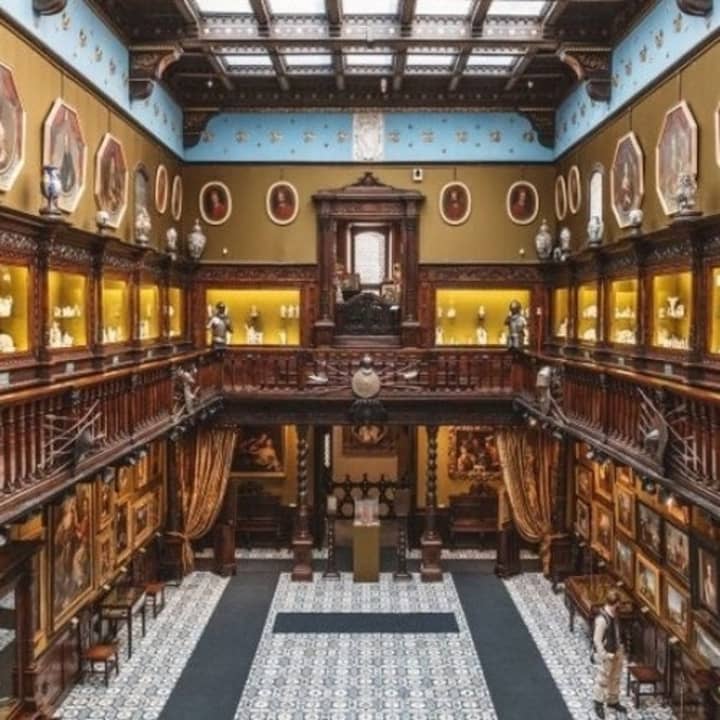
Visita la Cappella di San Gennaro, il Museo del Tesoro e il Museo Filangieri
Thu, Feb 12 • 9:30 AM
Via Duomo, 149, Napoli, 80138
View details

CARNEVALE AL TENNIS CLUB NAPOLI
Thu, Feb 12 • 8:00 PM
Viale Anton Dohrn 80122 Napoli
View details
Nearby attractions of Fontanelle Cemetery
Zoé Animal Yoga
Catacombe di San Gaudioso
Villa Partenope Luxury Events
Casa Morra - Archivio d'Arte Contemporanea
Parco del Poggio
Museo di Napoli - Collezione Gaetano Bonelli
Museo dello Scudillo
Il Sabba - Wine shop

Zoé Animal Yoga
5.0
(56)
Open until 5:00 PM
Click for details
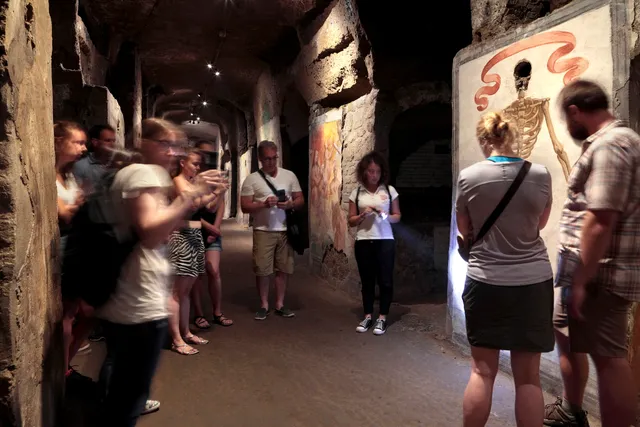
Catacombe di San Gaudioso
4.8
(2.7K)
Open until 12:00 AM
Click for details

Villa Partenope Luxury Events
4.4
(406)
Closed
Click for details
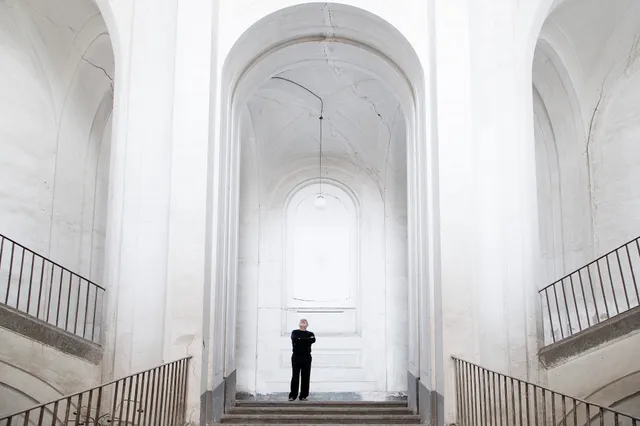
Casa Morra - Archivio d'Arte Contemporanea
4.5
(88)
Open until 6:30 PM
Click for details
Nearby restaurants of Fontanelle Cemetery
Cantina del Gallo
Pizzeria Del Re di Cristian Del Re
Allu Burger - Griglia in tutte le salse
Starita
Gran Caffè Le Rondinelle
Marchese
Iberico Taberna Española
I Due Re
La Cucchiarella Della Nonna
Antica Cucina Napoletana
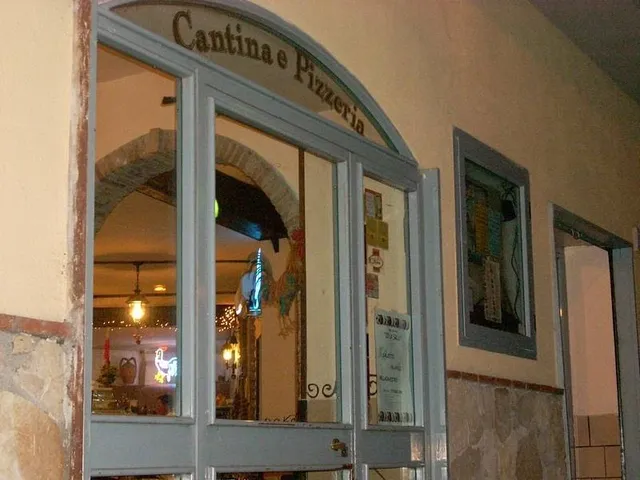
Cantina del Gallo
4.4
(829)
Closed
Click for details
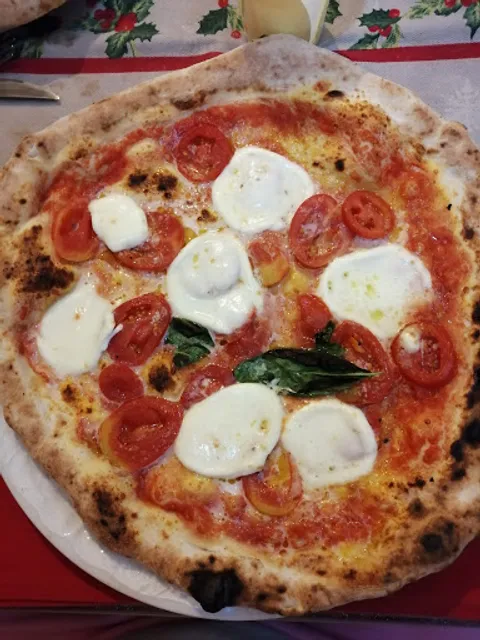
Pizzeria Del Re di Cristian Del Re
4.3
(122)
Open until 3:00 PM
Click for details
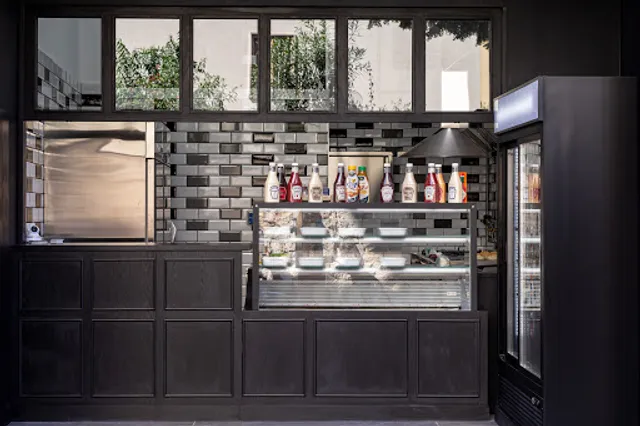
Allu Burger - Griglia in tutte le salse
4.7
(44)
Closed
Click for details
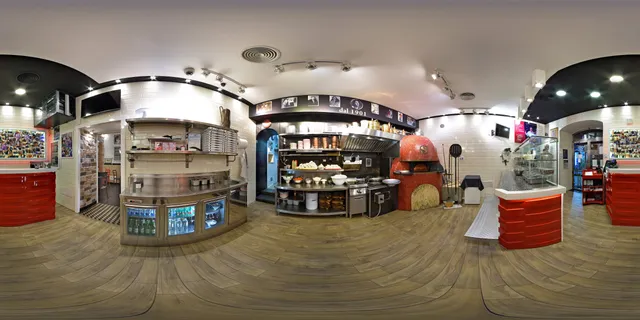
Starita
4.6
(5.6K)
Closed
Click for details
Nearby local services of Fontanelle Cemetery
Eté Smarty
Farmacia F. Cifariello
Dolce Pc
Mastracchio Il Pasticciere
Farmacia Internazionale sas
Farmacia Aristonfarma
Basilica of Saint Mary of Healthcare
StronGames
Taverna del Gargoyle
Don Cake

Eté Smarty
4.4
(11)
Click for details
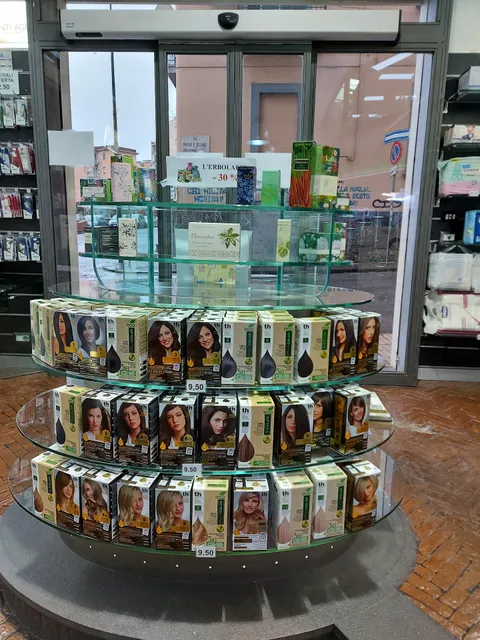
Farmacia F. Cifariello
4.7
(21)
Click for details
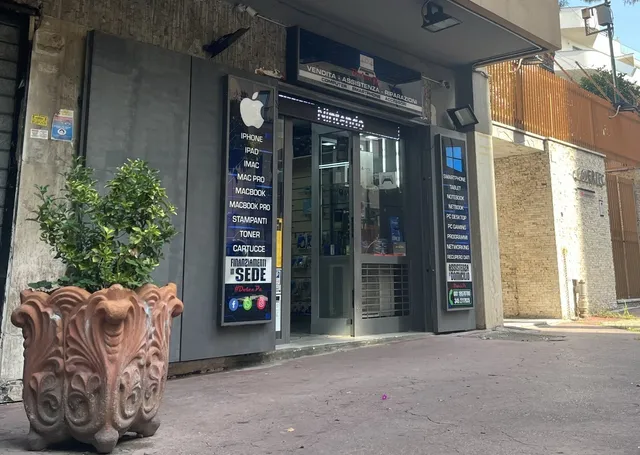
Dolce Pc
4.9
(134)
Click for details
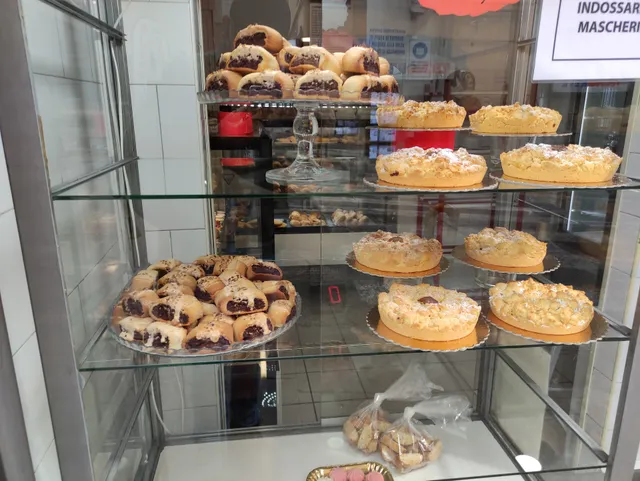
Mastracchio Il Pasticciere
4.5
(39)
Click for details


The hit list

Plan your trip with Wanderboat
Welcome to Wanderboat AI, your AI search for local Eats and Fun, designed to help you explore your city and the world with ease.
Powered by Wanderboat AI trip planner.