HTML SitemapExplore
logo
Find Things to DoFind The Best Restaurants

Cuma Archaeological Park — Attraction in Pozzuoli

Name
Cuma Archaeological Park
Description
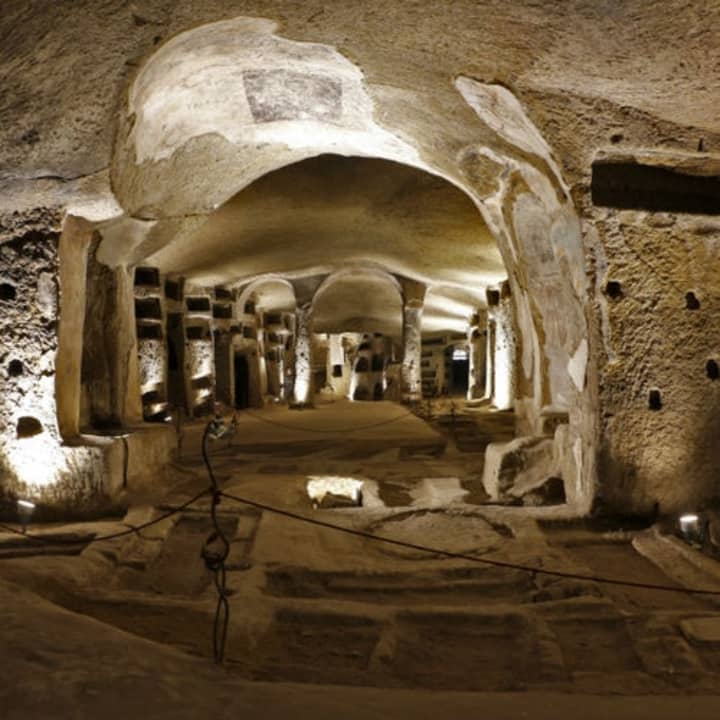
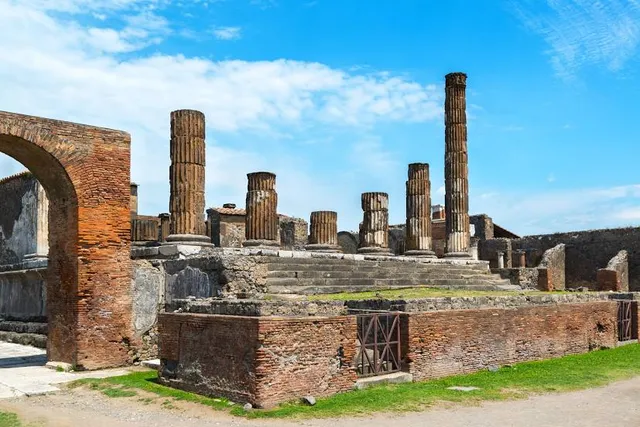
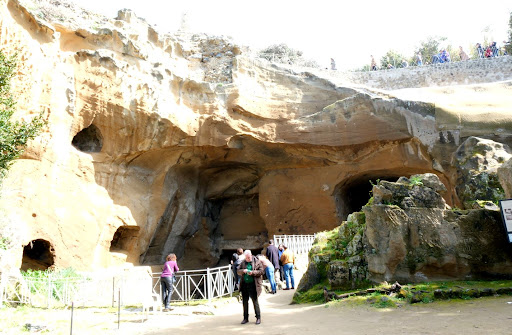
Cumae was the first ancient Greek colony of Magna Graecia on the mainland of Italy, founded by settlers from Euboea in the 8th century BC and soon became one of the strongest colonies.
Nearby attractions
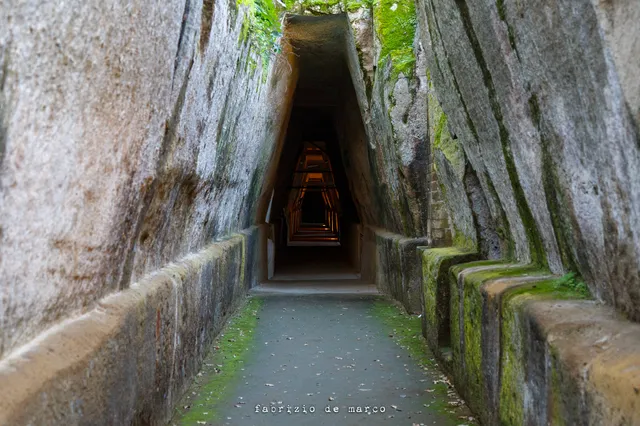
Antro della Sibilla
SP 164, 1, 80070 Pozzuoli NA, Italy
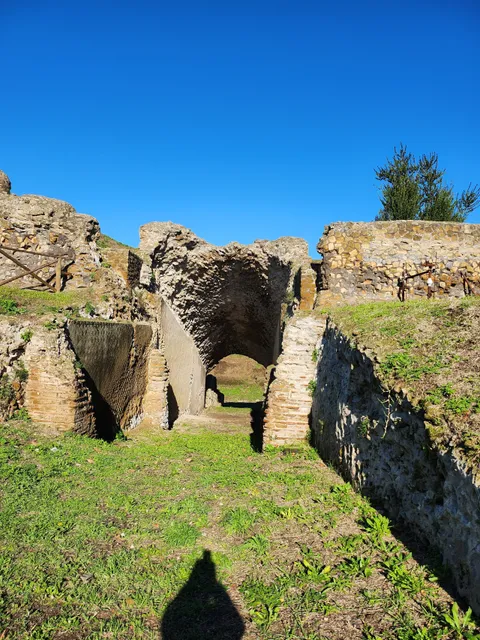
Anfiteatro Cumano
Via Monte di Cuma 3, 80070 Cuma, Bacoli NA, Italy
Nearby restaurants
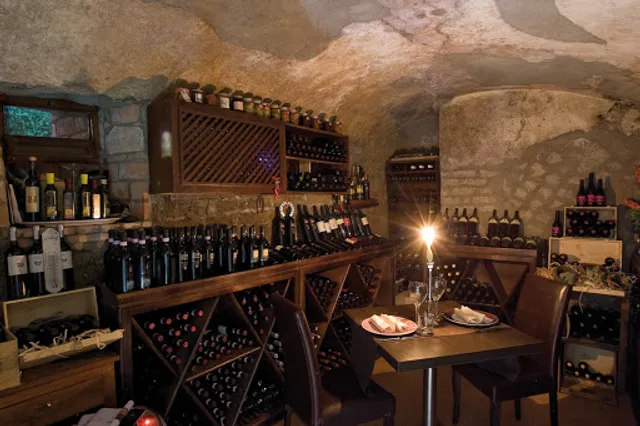
Vinaria - Esperienze di gusto
SP 164, 3, 80078 Pozzuoli NA, Italy
Tenuta Giordano
Via Arco Felice Vecchio, 73, 80078 Pozzuoli NA, Italy
Ristorante Il Grottino Verde
Via Cuma, 308, 80070 Bacoli NA, Italy
Magic Castle
Via Licola Cuma, 110, 80078 Pozzuoli NA, Italy
Nearby hotels
Lemontree House Bacoli
Via Cuma, 338, 80070 Bacoli NA, Italy
Related posts
Keywords
Cuma Archaeological Park tourism.Cuma Archaeological Park hotels.Cuma Archaeological Park bed and breakfast. flights to Cuma Archaeological Park.Cuma Archaeological Park attractions.Cuma Archaeological Park restaurants.Cuma Archaeological Park travel.Cuma Archaeological Park travel guide.Cuma Archaeological Park travel blog.Cuma Archaeological Park pictures.Cuma Archaeological Park photos.Cuma Archaeological Park travel tips.Cuma Archaeological Park maps.Cuma Archaeological Park things to do.
Cuma Archaeological Park things to do, attractions, restaurants, events info and trip planning
Cuma Archaeological Park
ItalyCampaniaPozzuoliCuma Archaeological Park

Basic Info

Cuma Archaeological Park

SP 164, 1, 80078 Pozzuoli NA, Italy
4.5(1.0K)
Closed
Save
spot

Ratings & Description

Info

Cumae was the first ancient Greek colony of Magna Graecia on the mainland of Italy, founded by settlers from Euboea in the 8th century BC and soon became one of the strongest colonies.

Cultural
Outdoor
Family friendly
attractions: Antro della Sibilla, Anfiteatro Cumano, restaurants: Vinaria - Esperienze di gusto, Tenuta Giordano, Ristorante Il Grottino Verde, Magic Castle
logoLearn more insights from Wanderboat AI.
Phone
+39 081 854 3060
Website
pafleg.cultura.gov.it
Open hoursSee all hours
Sun9 AM - 4:15 PMClosed

Plan your stay

hotel
Pet-friendly Hotels in Pozzuoli
Find a cozy hotel nearby and make it a full experience.
hotel
Affordable Hotels in Pozzuoli
Find a cozy hotel nearby and make it a full experience.
hotel
The Coolest Hotels You Haven't Heard Of (Yet)
Find a cozy hotel nearby and make it a full experience.
hotel
Trending Stays Worth the Hype in Pozzuoli
Find a cozy hotel nearby and make it a full experience.

Reviews

Nearby attractions of Cuma Archaeological Park

Antro della Sibilla

Anfiteatro Cumano

Antro della Sibilla

Antro della Sibilla

4.6

(498)

Open 24 hours
Click for details
Anfiteatro Cumano

Anfiteatro Cumano

4.4

(46)

Closed
Click for details

Things to do nearby

Naples Street Food Tour with a Local Expert
Mon, Dec 8 • 11:00 AM
80138, Naples, Campania, Italy
View details
Neapolitan pizza lesson with appetizer and drink
Mon, Dec 8 • 11:00 AM
80139, Naples, Campania, Italy
View details
Discover the Amalfi Coast
Mon, Dec 8 • 9:00 AM
80142, Naples, Campania, Italy
View details

Nearby restaurants of Cuma Archaeological Park

Vinaria - Esperienze di gusto

Tenuta Giordano

Ristorante Il Grottino Verde

Magic Castle

Vinaria - Esperienze di gusto

Vinaria - Esperienze di gusto

4.7

(20)

$$

Click for details
Tenuta Giordano

Tenuta Giordano

4.8

(44)

Click for details
Ristorante Il Grottino Verde

Ristorante Il Grottino Verde

4.0

(192)

Click for details
Magic Castle

Magic Castle

3.9

(110)

$

Click for details
Get the Appoverlay
Get the AppOne tap to find yournext favorite spots!
Wanderboat LogoWanderboat

Your everyday Al companion for getaway ideas

CompanyAbout Us
InformationAI Trip PlannerSitemap
SocialXInstagramTiktokLinkedin
LegalTerms of ServicePrivacy Policy

Get the app

© 2025 Wanderboat. All rights reserved.
logo

Reviews of Cuma Archaeological Park

4.5
(1,018)
avatar
5.0
2y

Of the "big five" oracular sites in antiquity, Cumae is perhaps the least well known (the other four were Delphi, Didyma, Dodona, and Siwa). Spelled "Cuma" in Italian, like all the surrounding Napoli area Cumae was originally settled by Greek colonists during the 9th and 8th centuries BC -- in fact, Cumae may have been the first of the Greek colonies in Italy. The prophetess at Cumae was known as Sybil and is most famous for offering books of prophecy to the king of Rome. As the story is told by Lucius Tarquinius Superbus, she offered nine books, today known as the Sibylline Prophecies, for a pretty penny which the Roman king at first refused to pay. So she destroyed three of the books and then offered the remaining six for the same price. Again the king refused to pay, so she destroyed three more of the books and offered the last three for the same amount, at which point the desperate king finally gave in and paid up. Just how the Sybil operated her prophecies through the centuries is not well known since they were generally spontaneous, although Virgil (who lived 70 to 19 BC) wrote that she operated from a cave and was "the mouthpiece of Apollo." It is likely Virgil personally visited Sybil at Cumae since he had a villa close by. It was not until the early 20th century that this current location was identified with the Sybil since prior to that a cave adjacent to Lake Avernus was thought to be her oracular location. The so-called Temple of Jove atop the acropolis affords sweeping views; the acropolis is also where remains from the rather large Temple of Apollo are located. Going downhill to the shoreline there is said to be scant remains from a Temple of Isis, but I did not visit that. Cumae makes for a beautiful daytrip, including historically fascinating ruins, lovely vistas, not overly dense with tour bus crowds (at least when I was there in springtime), and what I considered to be extremely pleasant hiking throughout the historical site. In all likelihood visitors to beautiful Cumae will be staying in Naples, so be advised that getting there using public transportation can be a challenge. Reaching its nearest town, Fusaro, using the Cumana Railway is easy enough, but the last 2½ miles going north from Fusaro to the ancient site of Cumae requires use of the public bus service, which didn't run very frequently when I visited. In Fusaro the bus stops in front of Tabacheria Illiano Di Lubrano Lavadera (tobacco shop) on the Viale Carlo Vanvitelli, and the friendly owner of that shop is a great guy to meet; he speaks English after having lived in North Carolina for a few years. Or you could just hoof it by walking north on Via Fusaro, which is not physically demanding from a terrain perspective (all roadway and minimal inclines). I did it in reverse, walking back to Fusaro train station by foot in lieu of waiting for the bus in the sun at Cumae. However, please note that along several stretches there are no sidewalks and it seems every Italian driver wants to be Mario Andretti, so the feeling of pedestrian safety is not ever-present. That said, I rather admire Italian drivers because they are quite adept at negotiating tight quarters and avoiding collisions, so I wasn't particularly worried about my safety. Cumae may not be the primary reason an American or British tourist visits Italy, but it definitely should be included on your itinerary if you will be in Naples. Ideally, an excursion to Cumae would be combined with a visit to the ruins at Baiae (Baia), and that would best be accomplished by renting a car or similar. As always, plan ahead by ensuring these sites are open the day of your intended visit. ...

   Read more
avatar
5.0
4y

So glad I went! What an experience This place is highly underrated. Such a pity. In its own way, this place is no less than Pompeii!

If you are looking for a place that is beautiful, serene, breathtaking views, history and grace. Here is the place to be.

The direction to getting there are not the best at all. Managed to find it since we were in the area. I can understand that it can be a bit hard for people coming from other areas. Parking place is perfect. Right outside the entrance.

As of date 1-11-2021 We paid 4 euros per adult. Kids were free.

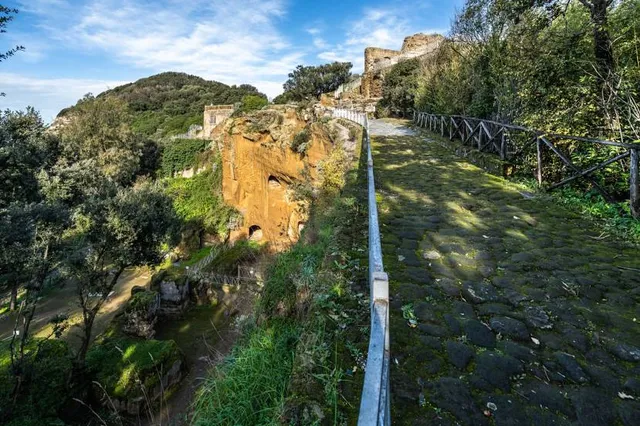
Like all archaeological sites, this place has its charms. Upon entering you can feel that you are in a different time zone. The super high cliffs. Large arches in cave entrances. Mini alcoves. I don't want to spoil it for the people who haven't been there yet. So I will keep the details shorts. Amazing tress and the view from the top....I don't have words. Beach, countryside, Greek and Roman architectural beauty all in one.

At the very top, there was a very knowledgeable security officer, who happily gave us a tour and background story of the place.

Left very enlightened,...

   Read more
avatar
5.0
4y

BELLISSIMO Il Parco Archeologico di Cuma nasce nel 1927 nel corso delle grandi campagne di scavo, eseguite nei primi decenni del ‘900 sotto la direzione di A. Maiuri, che misero in luce gli edifici principali dell’acropoli. Da quel momento sono state condotte numerose ricerche e campagne di scavo, che hanno arricchito notevolmente le conoscenze relative al sito e consentito un notevole ampliamento della superficie demaniale del Parco, oggi pari a ca. 50 ettari.

L’area attualmente visitabile è costituita dall’acropoli, che racchiude l’Antro della Sibilla alle pendici della collina, poi salendo sulla rocca la Torre Bizantina con il Belvedere, la Terrazza Inferiore, tradizionalmente denominata Tempio di Apollo, e la Terrazza Superiore sulla sommità del Monte di Cuma, denominata Tempio di Giove.

L’area della città bassa allo stato attuale è interessata da lavori di valorizzazione ed è visitabile solo in via straordinaria in occasione di eventi o manifestazioni culturali. I monumenti della città bassa sono il Foro, le Terme del Foro, la Crypta Romana, l’Abitato, la Porta Mediana, la Necropoli Monumentale.

Antro della Sibilla L’Antro della Sibilla è forse il monumento più famoso del Parco Archeologico di Cuma. Le ricerche archeologiche interpretano il monumento come galleria militare scavata nel tufo a protezione del costone sud-occidentale dell’acropoli in età sannitica, tra la fine del IV e gli inizi del III sec. a.C. Inizialmente di forma trapezoidale, in seguito, in età romana, assume la forma attuale con un abbassamento del piano di calpestio. La galleria ha dei bracci trasversali nei quali sono ricavate alcune cisterne, che raccoglievano le acque piovane attraverso un sistema di canalizzazione. In età paleocristiana la cosiddetta camera terminale fu riutilizzata come luogo di culto e le cisterne come luogo di sepoltura.

La definizione di Antro della Sibilla si deve a Maiuri che nel 1932 scavò il monumento in nome della affannosa ricerca dei luoghi descritti da Virgilio che si protraeva da molti secoli. La galleria offre la corrispondenza di alcuni elementi con i versi che alludono a un luogo misterioso e oscuro con “cento porte” dalle quali il vento faceva turbinare le foglie su cui la Sibilla scriveva i responsi. E’ dotata infatti di numerose aperture laterali da cui entra la luce, che l’archeologo volle associare alle “cento bocche”. Inoltre, la camera terminale presenta tre piccoli vani che ben si prestano all’interpretazione di stanze oracolari.

Benché non possa corrispondere al celebre Antro, il monumento ha goduto di una fama incontrastata, che lo ha reso noto in tutto il mondo e che attrae visitatori da ogni parte, per la meravigliosa suggestione che crea la forma peculiare della galleria insieme ai giochi di luce delle...

   Read more
Page 1 of 7
Previous
Next

Posts

Jab MyarmJab Myarm
Of the "big five" oracular sites in antiquity, Cumae is perhaps the least well known (the other four were Delphi, Didyma, Dodona, and Siwa). Spelled "Cuma" in Italian, like all the surrounding Napoli area Cumae was originally settled by Greek colonists during the 9th and 8th centuries BC -- in fact, Cumae may have been the first of the Greek colonies in Italy. The prophetess at Cumae was known as Sybil and is most famous for offering books of prophecy to the king of Rome. As the story is told by Lucius Tarquinius Superbus, she offered nine books, today known as the Sibylline Prophecies, for a pretty penny which the Roman king at first refused to pay. So she destroyed three of the books and then offered the remaining six for the same price. Again the king refused to pay, so she destroyed three more of the books and offered the last three for the same amount, at which point the desperate king finally gave in and paid up. Just how the Sybil operated her prophecies through the centuries is not well known since they were generally spontaneous, although Virgil (who lived 70 to 19 BC) wrote that she operated from a cave and was "the mouthpiece of Apollo." It is likely Virgil personally visited Sybil at Cumae since he had a villa close by. It was not until the early 20th century that this current location was identified with the Sybil since prior to that a cave adjacent to Lake Avernus was thought to be her oracular location. The so-called Temple of Jove atop the acropolis affords sweeping views; the acropolis is also where remains from the rather large Temple of Apollo are located. Going downhill to the shoreline there is said to be scant remains from a Temple of Isis, but I did not visit that. Cumae makes for a beautiful daytrip, including historically fascinating ruins, lovely vistas, not overly dense with tour bus crowds (at least when I was there in springtime), and what I considered to be extremely pleasant hiking throughout the historical site. In all likelihood visitors to beautiful Cumae will be staying in Naples, so be advised that getting there using public transportation can be a challenge. Reaching its nearest town, Fusaro, using the Cumana Railway is easy enough, but the last 2½ miles going north from Fusaro to the ancient site of Cumae requires use of the public bus service, which didn't run very frequently when I visited. In Fusaro the bus stops in front of Tabacheria Illiano Di Lubrano Lavadera (tobacco shop) on the Viale Carlo Vanvitelli, and the friendly owner of that shop is a great guy to meet; he speaks English after having lived in North Carolina for a few years. Or you could just hoof it by walking north on Via Fusaro, which is not physically demanding from a terrain perspective (all roadway and minimal inclines). I did it in reverse, walking back to Fusaro train station by foot in lieu of waiting for the bus in the sun at Cumae. However, please note that along several stretches there are no sidewalks and it seems every Italian driver wants to be Mario Andretti, so the feeling of pedestrian safety is not ever-present. That said, I rather admire Italian drivers because they are quite adept at negotiating tight quarters and avoiding collisions, so I wasn't particularly worried about my safety. Cumae may not be the primary reason an American or British tourist visits Italy, but it definitely should be included on your itinerary if you will be in Naples. Ideally, an excursion to Cumae would be combined with a visit to the ruins at Baiae (Baia), and that would best be accomplished by renting a car or similar. As always, plan ahead by ensuring these sites are open the day of your intended visit. Entry fee was €5.
Luigi CicatielloLuigi Cicatiello
BELLISSIMO Il Parco Archeologico di Cuma nasce nel 1927 nel corso delle grandi campagne di scavo, eseguite nei primi decenni del ‘900 sotto la direzione di A. Maiuri, che misero in luce gli edifici principali dell’acropoli. Da quel momento sono state condotte numerose ricerche e campagne di scavo, che hanno arricchito notevolmente le conoscenze relative al sito e consentito un notevole ampliamento della superficie demaniale del Parco, oggi pari a ca. 50 ettari. L’area attualmente visitabile è costituita dall’acropoli, che racchiude l’Antro della Sibilla alle pendici della collina, poi salendo sulla rocca la Torre Bizantina con il Belvedere, la Terrazza Inferiore, tradizionalmente denominata Tempio di Apollo, e la Terrazza Superiore sulla sommità del Monte di Cuma, denominata Tempio di Giove. L’area della città bassa allo stato attuale è interessata da lavori di valorizzazione ed è visitabile solo in via straordinaria in occasione di eventi o manifestazioni culturali. I monumenti della città bassa sono il Foro, le Terme del Foro, la Crypta Romana, l’Abitato, la Porta Mediana, la Necropoli Monumentale. Antro della Sibilla L’Antro della Sibilla è forse il monumento più famoso del Parco Archeologico di Cuma. Le ricerche archeologiche interpretano il monumento come galleria militare scavata nel tufo a protezione del costone sud-occidentale dell’acropoli in età sannitica, tra la fine del IV e gli inizi del III sec. a.C. Inizialmente di forma trapezoidale, in seguito, in età romana, assume la forma attuale con un abbassamento del piano di calpestio. La galleria ha dei bracci trasversali nei quali sono ricavate alcune cisterne, che raccoglievano le acque piovane attraverso un sistema di canalizzazione. In età paleocristiana la cosiddetta camera terminale fu riutilizzata come luogo di culto e le cisterne come luogo di sepoltura. La definizione di Antro della Sibilla si deve a Maiuri che nel 1932 scavò il monumento in nome della affannosa ricerca dei luoghi descritti da Virgilio che si protraeva da molti secoli. La galleria offre la corrispondenza di alcuni elementi con i versi che alludono a un luogo misterioso e oscuro con “cento porte” dalle quali il vento faceva turbinare le foglie su cui la Sibilla scriveva i responsi. E’ dotata infatti di numerose aperture laterali da cui entra la luce, che l’archeologo volle associare alle “cento bocche”. Inoltre, la camera terminale presenta tre piccoli vani che ben si prestano all’interpretazione di stanze oracolari. Benché non possa corrispondere al celebre Antro, il monumento ha goduto di una fama incontrastata, che lo ha reso noto in tutto il mondo e che attrae visitatori da ogni parte, per la meravigliosa suggestione che crea la forma peculiare della galleria insieme ai giochi di luce delle aperture laterali.
Ale GalavottiAle Galavotti
Actually in this archaeological site you have more to imagine than to see. Anyway the Sibilla's cave is well worth the visit. You'll walk along a unique pentagonal corridor, imagining all the ancients waiting they turn to have their future uncovered. On the bottom of the cave there is also a special echo that should have made more terrifing her spells. Climbing a little hill you I'll have the opportunity to see the ruins of three temples, apollo, diana and jupiter. The ruins of the three temples are not so well preserved. The temple of Diana (the god of huting, and full moon) was bilt in a special way as to allow the light of the first full moon of august to light the statue of Diana. Try to spare a bit of energy to reach the temple of jupiter on the top. From the top the view from a little terrace of the golf is breath taking.
See more posts
See more posts
hotel
Find your stay

Pet-friendly Hotels in Pozzuoli

Find a cozy hotel nearby and make it a full experience.

Of the "big five" oracular sites in antiquity, Cumae is perhaps the least well known (the other four were Delphi, Didyma, Dodona, and Siwa). Spelled "Cuma" in Italian, like all the surrounding Napoli area Cumae was originally settled by Greek colonists during the 9th and 8th centuries BC -- in fact, Cumae may have been the first of the Greek colonies in Italy. The prophetess at Cumae was known as Sybil and is most famous for offering books of prophecy to the king of Rome. As the story is told by Lucius Tarquinius Superbus, she offered nine books, today known as the Sibylline Prophecies, for a pretty penny which the Roman king at first refused to pay. So she destroyed three of the books and then offered the remaining six for the same price. Again the king refused to pay, so she destroyed three more of the books and offered the last three for the same amount, at which point the desperate king finally gave in and paid up. Just how the Sybil operated her prophecies through the centuries is not well known since they were generally spontaneous, although Virgil (who lived 70 to 19 BC) wrote that she operated from a cave and was "the mouthpiece of Apollo." It is likely Virgil personally visited Sybil at Cumae since he had a villa close by. It was not until the early 20th century that this current location was identified with the Sybil since prior to that a cave adjacent to Lake Avernus was thought to be her oracular location. The so-called Temple of Jove atop the acropolis affords sweeping views; the acropolis is also where remains from the rather large Temple of Apollo are located. Going downhill to the shoreline there is said to be scant remains from a Temple of Isis, but I did not visit that. Cumae makes for a beautiful daytrip, including historically fascinating ruins, lovely vistas, not overly dense with tour bus crowds (at least when I was there in springtime), and what I considered to be extremely pleasant hiking throughout the historical site. In all likelihood visitors to beautiful Cumae will be staying in Naples, so be advised that getting there using public transportation can be a challenge. Reaching its nearest town, Fusaro, using the Cumana Railway is easy enough, but the last 2½ miles going north from Fusaro to the ancient site of Cumae requires use of the public bus service, which didn't run very frequently when I visited. In Fusaro the bus stops in front of Tabacheria Illiano Di Lubrano Lavadera (tobacco shop) on the Viale Carlo Vanvitelli, and the friendly owner of that shop is a great guy to meet; he speaks English after having lived in North Carolina for a few years. Or you could just hoof it by walking north on Via Fusaro, which is not physically demanding from a terrain perspective (all roadway and minimal inclines). I did it in reverse, walking back to Fusaro train station by foot in lieu of waiting for the bus in the sun at Cumae. However, please note that along several stretches there are no sidewalks and it seems every Italian driver wants to be Mario Andretti, so the feeling of pedestrian safety is not ever-present. That said, I rather admire Italian drivers because they are quite adept at negotiating tight quarters and avoiding collisions, so I wasn't particularly worried about my safety. Cumae may not be the primary reason an American or British tourist visits Italy, but it definitely should be included on your itinerary if you will be in Naples. Ideally, an excursion to Cumae would be combined with a visit to the ruins at Baiae (Baia), and that would best be accomplished by renting a car or similar. As always, plan ahead by ensuring these sites are open the day of your intended visit. Entry fee was €5.
Jab Myarm

Jab Myarm

hotel
Find your stay

Affordable Hotels in Pozzuoli

Find a cozy hotel nearby and make it a full experience.

Get the Appoverlay
Get the AppOne tap to find yournext favorite spots!
BELLISSIMO Il Parco Archeologico di Cuma nasce nel 1927 nel corso delle grandi campagne di scavo, eseguite nei primi decenni del ‘900 sotto la direzione di A. Maiuri, che misero in luce gli edifici principali dell’acropoli. Da quel momento sono state condotte numerose ricerche e campagne di scavo, che hanno arricchito notevolmente le conoscenze relative al sito e consentito un notevole ampliamento della superficie demaniale del Parco, oggi pari a ca. 50 ettari. L’area attualmente visitabile è costituita dall’acropoli, che racchiude l’Antro della Sibilla alle pendici della collina, poi salendo sulla rocca la Torre Bizantina con il Belvedere, la Terrazza Inferiore, tradizionalmente denominata Tempio di Apollo, e la Terrazza Superiore sulla sommità del Monte di Cuma, denominata Tempio di Giove. L’area della città bassa allo stato attuale è interessata da lavori di valorizzazione ed è visitabile solo in via straordinaria in occasione di eventi o manifestazioni culturali. I monumenti della città bassa sono il Foro, le Terme del Foro, la Crypta Romana, l’Abitato, la Porta Mediana, la Necropoli Monumentale. Antro della Sibilla L’Antro della Sibilla è forse il monumento più famoso del Parco Archeologico di Cuma. Le ricerche archeologiche interpretano il monumento come galleria militare scavata nel tufo a protezione del costone sud-occidentale dell’acropoli in età sannitica, tra la fine del IV e gli inizi del III sec. a.C. Inizialmente di forma trapezoidale, in seguito, in età romana, assume la forma attuale con un abbassamento del piano di calpestio. La galleria ha dei bracci trasversali nei quali sono ricavate alcune cisterne, che raccoglievano le acque piovane attraverso un sistema di canalizzazione. In età paleocristiana la cosiddetta camera terminale fu riutilizzata come luogo di culto e le cisterne come luogo di sepoltura. La definizione di Antro della Sibilla si deve a Maiuri che nel 1932 scavò il monumento in nome della affannosa ricerca dei luoghi descritti da Virgilio che si protraeva da molti secoli. La galleria offre la corrispondenza di alcuni elementi con i versi che alludono a un luogo misterioso e oscuro con “cento porte” dalle quali il vento faceva turbinare le foglie su cui la Sibilla scriveva i responsi. E’ dotata infatti di numerose aperture laterali da cui entra la luce, che l’archeologo volle associare alle “cento bocche”. Inoltre, la camera terminale presenta tre piccoli vani che ben si prestano all’interpretazione di stanze oracolari. Benché non possa corrispondere al celebre Antro, il monumento ha goduto di una fama incontrastata, che lo ha reso noto in tutto il mondo e che attrae visitatori da ogni parte, per la meravigliosa suggestione che crea la forma peculiare della galleria insieme ai giochi di luce delle aperture laterali.
Luigi Cicatiello

Luigi Cicatiello

hotel
Find your stay

The Coolest Hotels You Haven't Heard Of (Yet)

Find a cozy hotel nearby and make it a full experience.

hotel
Find your stay

Trending Stays Worth the Hype in Pozzuoli

Find a cozy hotel nearby and make it a full experience.

Actually in this archaeological site you have more to imagine than to see. Anyway the Sibilla's cave is well worth the visit. You'll walk along a unique pentagonal corridor, imagining all the ancients waiting they turn to have their future uncovered. On the bottom of the cave there is also a special echo that should have made more terrifing her spells. Climbing a little hill you I'll have the opportunity to see the ruins of three temples, apollo, diana and jupiter. The ruins of the three temples are not so well preserved. The temple of Diana (the god of huting, and full moon) was bilt in a special way as to allow the light of the first full moon of august to light the statue of Diana. Try to spare a bit of energy to reach the temple of jupiter on the top. From the top the view from a little terrace of the golf is breath taking.
Ale Galavotti

Ale Galavotti

See more posts
See more posts