HTML SitemapExplore
logo
Find Things to DoFind The Best Restaurants

Aurelian Walls — Attraction in Rome

Name
Aurelian Walls
Description
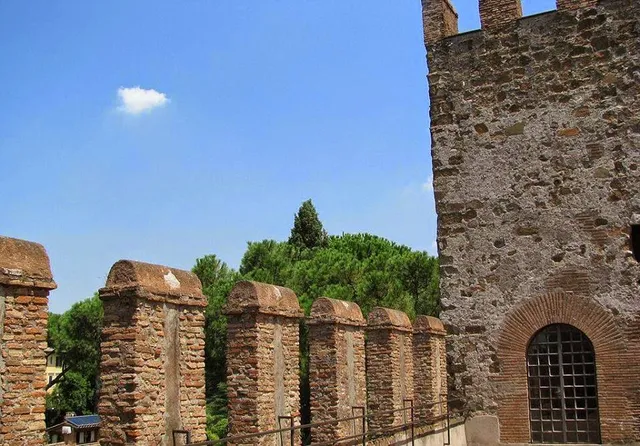
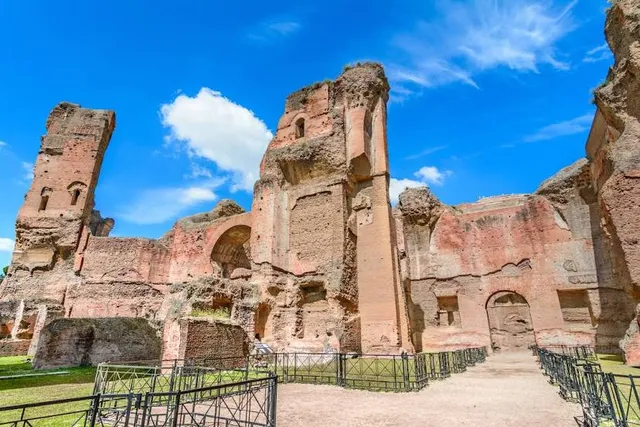
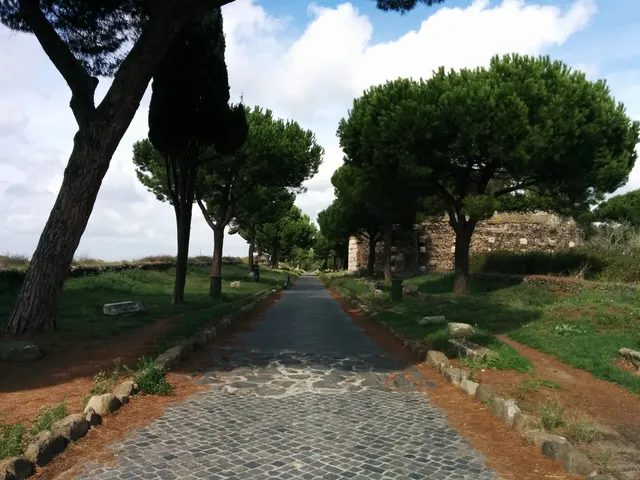
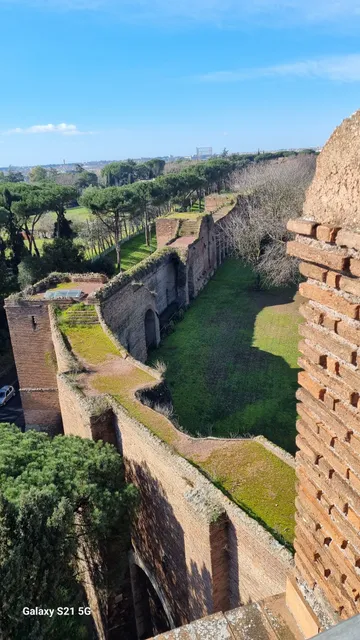
The Aurelian Walls are a line of city walls built between 271 AD and 275 AD in Rome, Italy, during the reign of the Roman Emperor Aurelian. They superseded the earlier Servian Wall built during the 4th century BC.
Nearby attractions
Museo delle Mura
Via di Porta San Sebastiano, 18, 00179 Roma RM, Italy
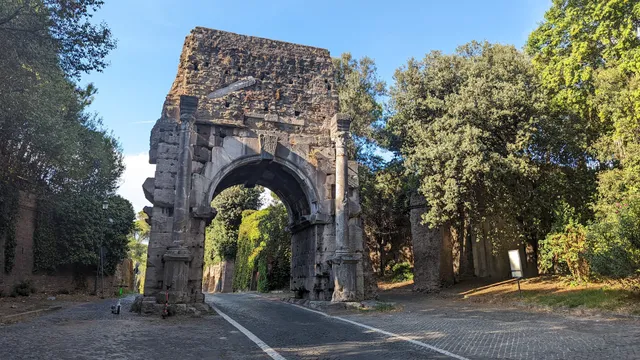
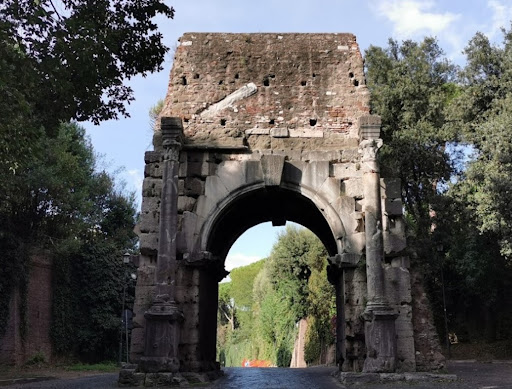
Arch of Drusus
Arch of Drusus, Via di Porta San Sebastiano, 13A, 00179 Roma RM, Italy
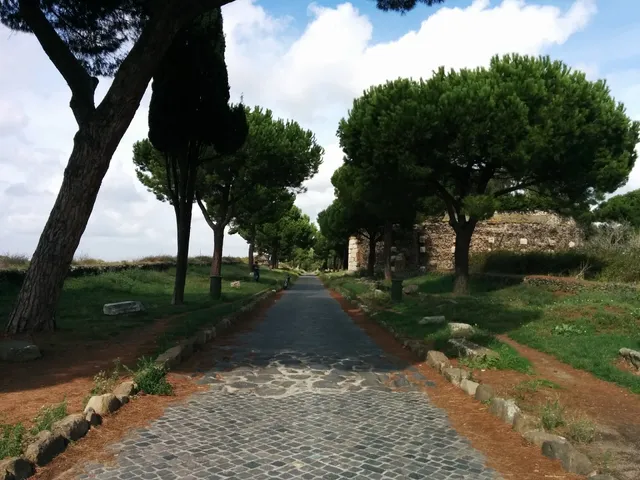
Parco Regionale dell'Appia Antica
Via Appia Antica, 42, 00178 Roma RM, Italy
Baths of Caracalla
Viale delle Terme di Caracalla, 00153 Roma RM, Italy
Contemporary Cluster
Via Odoardo Beccari, 8/10 - 12, 00154 Roma RM, Italy
Terme di Caracalla
Viale delle Terme di Caracalla, 52, 00153 Roma RM, Italy
Nearby restaurants
Ristorante Montarozzo
Ingresso principale su, Via Appia Antica, 4, 00179 Roma RM, Italy
Caffè Ninì Bistrot
Via Latina, 23/A, 00179 Roma RM, Italy
Solum Ristorante | Circo Massimo
Via Appia Antica, 16, 00179 Roma RM, Italy
Osteria 22quattro
Via Vetulonia, 52, 00183 Roma RM, Italy
Ristorante Hungry Scholars
Via Latina, 43b, 00179 Roma RM, Italy
Osteria Controvento
Via Populonia, 19, 00183 Roma RM, Italy
Sabores Latino
Via Latina, 43B, 00179 Roma RM, Italy
Pizzeria al Campo
Via Lusitania, 24, 00183 Roma RM, Italy
Domenico
Via Satrico, 21, 00183 Roma RM, Italy
Da Roberto e Loretta
Via Saturnia, 18, 00183 Roma RM, Italy
Nearby hotels
Hotel Cilicia
Via Cilicia, 7, 00179 Roma RM, Italy
B&B delle Camerie
Via Cameria, 10, 00179 Roma RM, Italy
Porta Latina Suite
Via Latina, 25, 00179 Roma RM, Italy
Hotel San Giovanni
Via Licia, 7, 00183 Roma RM, Italy
Domus Mirabile
Via Vetulonia, 39/a, 00183 Roma RM, Italy
La Presentosa Elegant Full Apartment San Giovanni Roma
Via Pompei, 21, 00183 Roma RM, Italy
Casa San Giuseppe
Via Iberia, 27, 00183 Roma RM, Italy
Roma Suite Epiro
Piazza Epiro, 12, 00183 Roma RM, Italy
Rome Lux House guest rooms
Via Pompei, 17, 00183 Roma RM, Italy
Unique Luxury Stay
Third Floor, Left Side, Via Acaia, 61, 00183 Roma RM, Italy
Related posts
Keywords
Aurelian Walls tourism.Aurelian Walls hotels.Aurelian Walls bed and breakfast. flights to Aurelian Walls.Aurelian Walls attractions.Aurelian Walls restaurants.Aurelian Walls travel.Aurelian Walls travel guide.Aurelian Walls travel blog.Aurelian Walls pictures.Aurelian Walls photos.Aurelian Walls travel tips.Aurelian Walls maps.Aurelian Walls things to do.
Aurelian Walls things to do, attractions, restaurants, events info and trip planning
Aurelian Walls
ItalyLazioRomeAurelian Walls

Basic Info

Aurelian Walls

Via di Porta San Sebastiano, 18, 00179 Roma RM, Italy
4.6(950)
Open 24 hours
Save
spot

Ratings & Description

Info

The Aurelian Walls are a line of city walls built between 271 AD and 275 AD in Rome, Italy, during the reign of the Roman Emperor Aurelian. They superseded the earlier Servian Wall built during the 4th century BC.

Cultural
Outdoor
Accessibility
attractions: Museo delle Mura, Arch of Drusus, Parco Regionale dell'Appia Antica, Baths of Caracalla, Contemporary Cluster, Terme di Caracalla, restaurants: Ristorante Montarozzo, Caffè Ninì Bistrot, Solum Ristorante | Circo Massimo, Osteria 22quattro, Ristorante Hungry Scholars, Osteria Controvento, Sabores Latino, Pizzeria al Campo, Domenico, Da Roberto e Loretta
logoLearn more insights from Wanderboat AI.

Plan your stay

hotel
Pet-friendly Hotels in Rome
Find a cozy hotel nearby and make it a full experience.

hotel
Affordable Hotels in Rome
Find a cozy hotel nearby and make it a full experience.

hotel
The Coolest Hotels You Haven't Heard Of (Yet)
Find a cozy hotel nearby and make it a full experience.

hotel
Trending Stays Worth the Hype in Rome
Find a cozy hotel nearby and make it a full experience.

Reviews

Nearby attractions of Aurelian Walls

Museo delle Mura

Arch of Drusus

Parco Regionale dell'Appia Antica

Baths of Caracalla

Contemporary Cluster

Terme di Caracalla

Museo delle Mura

Museo delle Mura

4.5

(339)

Open 24 hours
Click for details
Arch of Drusus

Arch of Drusus

4.7

(74)

Open 24 hours
Click for details
Parco Regionale dell'Appia Antica

Parco Regionale dell'Appia Antica

4.6

(981)

Open 24 hours
Click for details
Baths of Caracalla

Baths of Caracalla

4.6

(9.4K)

Open until 7:15 PM
Click for details

Things to do nearby

Catacombs: The Coolest Underground Tour in Rome
Sat, Dec 6 • 10:00 AM
00147, Rome, Lazio, Italy
View details
Pasta-making class, wine tasting and dinner
Fri, Dec 5 • 3:30 PM
00044, Frascati, Lazio, Italy
View details
Pasta and Pizza cooking class with wine and more
Sun, Dec 7 • 10:30 AM
00142, Rome, Lazio, Italy
View details

Nearby restaurants of Aurelian Walls

Ristorante Montarozzo

Caffè Ninì Bistrot

Solum Ristorante | Circo Massimo

Osteria 22quattro

Ristorante Hungry Scholars

Osteria Controvento

Sabores Latino

Pizzeria al Campo

Domenico

Da Roberto e Loretta

Ristorante Montarozzo

Ristorante Montarozzo

4.0

(412)

$$

Click for details
Caffè Ninì Bistrot

Caffè Ninì Bistrot

4.3

(187)

Click for details
Solum Ristorante | Circo Massimo

Solum Ristorante | Circo Massimo

3.6

(208)

Click for details
Osteria 22quattro

Osteria 22quattro

4.5

(462)

Click for details
Get the Appoverlay
Get the AppOne tap to find yournext favorite spots!

The hit list

restaurant
Best 10 Restaurants to Visit in Rome
February 12 · 5 min read
attraction
Best 10 Attractions to Visit in Rome
February 12 · 5 min read
Rome

Plan your trip with Wanderboat

Welcome to Wanderboat AI, your AI search for local Eats and Fun, designed to help you explore your city and the world with ease.

Powered by Wanderboat AI trip planner.
Wanderboat LogoWanderboat

Your everyday Al companion for getaway ideas

CompanyAbout Us
InformationAI Trip PlannerSitemap
SocialXInstagramTiktokLinkedin
LegalTerms of ServicePrivacy Policy

Get the app

© 2025 Wanderboat. All rights reserved.
logo

Reviews of Aurelian Walls

4.6
(950)
avatar
5.0
1y

The Aurelian Walls, or Mura Aureliane in Italian, are a significant ancient fortification located in Rome, Italy. Constructed between AD 271 and 275 during the reign of Emperor Aurelian, these walls were designed to protect the city from external threats and reflect the empire’s military and architectural prowess.

Stretching approximately 19 kilometers (12 miles) around the city, the Aurelian Walls enclosed an area of about 1,400 hectares (3,460 acres). The walls are notable for their massive scale and robust construction, including a series of towers, gates, and bastions. They were built using brick-faced concrete and featured defensive structures such as the Porta Praenestina and the Porta Tiburtina.

The Aurelian Walls were a critical element of Rome’s defense system during the later years of the Roman Empire. Although they were largely superseded by the later medieval fortifications, the walls remained an important symbol of Rome's military strength.

Today, sections of the Aurelian Walls are well-preserved and can be visited by tourists. They offer valuable insights into the defensive strategies of ancient Rome and continue to be an important historical landmark...

   Read more
avatar
5.0
1y

Рим был военной сверхдержавой. Более чем через тысячу лет после основания он был на пике своего могущества. Для контроля и защиты огромной территории требовалась большая армия. Но для пополнения армии не хватало местных рекрутов. Римская империя была построена на спинах солдат. И в основном они были иностранными. Это были варвары, которых Рим нанимал, обещая им лучшую жизнь. Если вспомнить, какими были окраины империи, то возможность стать римским гражданином казалась очень привлекательной. Франки, галлы, готы и кельты. Лишь некоторые из племён, призванных в армию империи. Кто угодно мог быть в самом сердце Рима. Эта основа скрепляла Римскую империю. Однако столичный император рисковал с такой стратегией. В конечном итоге Рим создал своих собственных врагов, потому что, с одной стороны, они должны были помочь защитить империю. Рим нуждался в наёмниках. С другой стороны, эти люди могли разжечь восстание. В 260-ом году племена франков и германцев подняли восстание, посеяв хаос. Десять лет спустя вандалы опустошали римские территории. Они угрожали столице. Теперь Рим должен был защитить себя. Риму не нужны были стены вот уже почти 700 лет. Он был под защитой. Рим охраняли легионы. Не было необходимости в укреплениях. Вдруг им нужны стены, и они начинают их строить, и за пять лет они построили стену длиной 19 км. В их отчаянной спешке римляне строили стену со всем, что могли взять в руки. Можно увидеть здесь кусочек облачения какого-то древнего памятника римлянину, он был снесён и встроен в стену, потому что времени терять было нельзя. Несмотря на свою бессистемную конструкцию, стены представляют собой защитный щит. 10 метров высотой и 4 метра толщиной, они отражали атаки диких варваров. Но в 408-ом году к воротам крепости прибывает прежде лояльное германское племя. Вестготы. Стенам города предстояла проверка на прочность. Вестготы осознавали слабость и возможности Рима, как и его богатство — одну из самых ярких достопримечательностей. Кто вторгнется в Рим и разграбит его, сделает то, чего никто другой не делал. Это величайшая награда древности. В течение двух лет вестготы неоднократно осаждали город. Какое-то время Рим мог выстоять. Но постепенно давление внутри нарастало. Был голод, мор, на улицах лежали трупы. Это было время отчаяния. Наконец, 24 августа 410-ого года, варвары сломали ворота. Повсюду полыхали пожары. Варвары грабили город три дня. Рим пал. До 410-ого там хоть и бывали трудности, но всё же он был непобедим. Всё ещё неповреждённые стены защищали город от захватчиков. И вдруг миф о Риме разбился вдребезги. Неприкосновенный город, сердце империи было захвачено внешним врагом, врагом-варваром. Теперь враги Рима знали, что его можно победить. Пришёл конец этой древней державы. Рим стал жертвой восстания...

   Read more
avatar
5.0
1y

The Aurelian Walls are a line of city walls built between 271 AD and 275 AD in Rome, Italy, during the reign of the Roman Emperor Aurelian. They superseded the earlier Servian Wall built during the 4th century BC. The walls enclosed all the seven hills of Rome plus the Campus Martius and, on the right bank of the Tiber, the Trastevere district. The river banks within the city limits appear to have been left unfortified, although they were fortified along the Campus Martius. The size of the entire enclosed area is 1,400 hectares (3,500 acres). The wall cut through populated areas: in reality the city at the time embraced 2,400 hectares (5,900 acres). Pliny the Elder in the first century AD suggested that the densely populated areas, extrema tectorum ("the limits of the roofed areas") extended 2.8 kilometres (1.7 mi) from the Golden Milestone in the Forum (Natural...

   Read more
Page 1 of 7
Previous
Next

Posts

Pong LenisPong Lenis
The Aurelian Walls are a line of city walls built between 271 AD and 275 AD in Rome, Italy, during the reign of the Roman Emperor Aurelian. They superseded the earlier Servian Wall built during the 4th century BC. The walls enclosed all the seven hills of Rome plus the Campus Martius and, on the right bank of the Tiber, the Trastevere district. The river banks within the city limits appear to have been left unfortified, although they were fortified along the Campus Martius. The size of the entire enclosed area is 1,400 hectares (3,500 acres). The wall cut through populated areas: in reality the city at the time embraced 2,400 hectares (5,900 acres). Pliny the Elder in the first century AD suggested that the densely populated areas, extrema tectorum ("the limits of the roofed areas") extended 2.8 kilometres (1.7 mi) from the Golden Milestone in the Forum (Natural History 3.67).
Carlos Roberto MinossiCarlos Roberto Minossi
Durante o século III, Roma passou por um processo de grande expansão em seus territórios, entretanto permaneceu muito tempo sem construir edificações e defesas nos novos territórios conquistados, isso ficou evidente quando tribos bárbaras cruzaram as fronteiras da Germânia e o exército romano teve que ser mobilizado para o combate, expondo a vulnerabilidade da região, então o Imperador Aureliano ordenou a construção de uma muralha, cujo projeto foi o maior realizado por Roma depois de muitas décadas e que foi construído entre 271 e 275 d.C., o projeto contemplou a incorporação de vários edifícios já existentes, visando acelerar o processo e diminuir os gastos, sua extensão era de aproximadamente 19 quilômetros e servia para proteger uma área de cerca de 13,7 quilômetros quadrados. Os muros foram construídos com concreto, recobertos por tijolos e as paredes eram muito solidas, com 3,5 metros de espessura por oito metros de altura, possuindo uma torre de vigia e defesa a cada 30 metros, no século V, a altura da muralha foi dobrada para 16 metros e segundo a história, o complexo tinha na época 383 torres e 18 portões de acesso, atrás das muralhas uma grande área foi preparada para dar passagem às sentinelas e para permitir que as defesas fossem reforçadas em caso de necessidade. A curiosidade é que o imperador Aureliano nem chegou a ver a muralha pronta, pois faleceu antes do fim da sua construção, também muito se questiona sobre a real efetividade da Muralha Aureliana, tendo em vista que a área coberta era muito pequena em relação ao território conquistado, mas acredita-se que ela servia mais como uma forma de desencorajar a tática dos bárbaros em suas tentativas de sitiar cidades e que o maior benefício da muralha foi o fortalecimento político de Aureliano, que através da obra deu uma demonstração pública do seu poder. Durante os séculos, as muralhas resistiram a muitos ataques e só foram derrubadas em 1870, quando os bersaglieri do Reino da Itália conquistaram Roma, mas ainda há uma grande parte da Muralha Aureliana intacta e em bom estado de conservação, a muralha é considerada um dos mais importantes pontos turísticos da Itália e atualmente conta com o Museu da Muralha, que oferece informações sobre a construção e a utilização da muralha na defesa do Império Romano.
Stefano ManzoStefano Manzo
Le “Mura Aureliane” sono nella loro interezza il più grande monumento di Roma, e la storia della loro origine parte da lontano; infatti dopo che per la terza volta i barbari avevano invaso Roma, si pensò di realizzare in tutta fretta una monumentale opera architettonica in difesa della città. La Cinta, nella sua prima versione, fu realizzata in quattro anni nel III secolo d.C., per affrettarne la costruzione, vennero inclusi nelle mura edifici già esistenti (per circa il 10%), come ad esempio la Piramide Cestia e la Porta Maggiore, inoltre per limitarne i costi legati agli espropri dei terreni, si cercò di utilizzare il più possibile quelli demaniali. Le dimensioni per l’epoca erano ciclopiche, oltre 18 km di lunghezza, a protezione di un’area di oltre 1.000 ettari, le porte principali anche in seguito ai vari rifacimenti arrivarono a 18. Ancora oggi, anche se in molti punti sono andate distrutte o sono state aggiunte ulteriori aperture per agevolare la scorrevolezza del traffico, si presentano mediamente in buono stato, per oltre un secolo questa opera difensiva, bastò a contenere gli assalti dei nemici, che all’epoca non particolarmente attrezzati a superare un ostacolo così imponente, con la minaccia sempre più pressante dei barbari, la cinta fu rinforzata innalzandola, in alcuni casi fino a 15 metri e ristrutturando le torri di difesa, il problema più importante era che le porte restarono sempre un punto debole per i tradimenti, esempio quello del VI secolo, dove i Goti poterono entrare dalla porta Asinaria. Comunque per molti secoli, anche dopo la caduta dell’impero e la salita al potere temporale del Papato, le mura continuarono ad avere un ruolo difensivo per la città, fino alla famosa impresa del 1870, con l’apertura di una breccia da parte dei Bersaglieri presso Porta Pia, che costituì il capitolo finale per l’Unità d’Italia. Ancora oggi è visibile sul muro una palla di cannone utilizzata, nell’occasione, dall'esercito italiano nell’assedio. Per conoscere meglio questa gigantesca opera consiglio la visita al Museo delle Mura, presso Porta San Sebastiano, dove è possibile visitare la torre il camminamento e viverne dall’interno l’atmosfera.
See more posts
See more posts
hotel
Find your stay

Pet-friendly Hotels in Rome

Find a cozy hotel nearby and make it a full experience.

The Aurelian Walls are a line of city walls built between 271 AD and 275 AD in Rome, Italy, during the reign of the Roman Emperor Aurelian. They superseded the earlier Servian Wall built during the 4th century BC. The walls enclosed all the seven hills of Rome plus the Campus Martius and, on the right bank of the Tiber, the Trastevere district. The river banks within the city limits appear to have been left unfortified, although they were fortified along the Campus Martius. The size of the entire enclosed area is 1,400 hectares (3,500 acres). The wall cut through populated areas: in reality the city at the time embraced 2,400 hectares (5,900 acres). Pliny the Elder in the first century AD suggested that the densely populated areas, extrema tectorum ("the limits of the roofed areas") extended 2.8 kilometres (1.7 mi) from the Golden Milestone in the Forum (Natural History 3.67).
Pong Lenis

Pong Lenis

hotel
Find your stay

Affordable Hotels in Rome

Find a cozy hotel nearby and make it a full experience.

Get the Appoverlay
Get the AppOne tap to find yournext favorite spots!
Durante o século III, Roma passou por um processo de grande expansão em seus territórios, entretanto permaneceu muito tempo sem construir edificações e defesas nos novos territórios conquistados, isso ficou evidente quando tribos bárbaras cruzaram as fronteiras da Germânia e o exército romano teve que ser mobilizado para o combate, expondo a vulnerabilidade da região, então o Imperador Aureliano ordenou a construção de uma muralha, cujo projeto foi o maior realizado por Roma depois de muitas décadas e que foi construído entre 271 e 275 d.C., o projeto contemplou a incorporação de vários edifícios já existentes, visando acelerar o processo e diminuir os gastos, sua extensão era de aproximadamente 19 quilômetros e servia para proteger uma área de cerca de 13,7 quilômetros quadrados. Os muros foram construídos com concreto, recobertos por tijolos e as paredes eram muito solidas, com 3,5 metros de espessura por oito metros de altura, possuindo uma torre de vigia e defesa a cada 30 metros, no século V, a altura da muralha foi dobrada para 16 metros e segundo a história, o complexo tinha na época 383 torres e 18 portões de acesso, atrás das muralhas uma grande área foi preparada para dar passagem às sentinelas e para permitir que as defesas fossem reforçadas em caso de necessidade. A curiosidade é que o imperador Aureliano nem chegou a ver a muralha pronta, pois faleceu antes do fim da sua construção, também muito se questiona sobre a real efetividade da Muralha Aureliana, tendo em vista que a área coberta era muito pequena em relação ao território conquistado, mas acredita-se que ela servia mais como uma forma de desencorajar a tática dos bárbaros em suas tentativas de sitiar cidades e que o maior benefício da muralha foi o fortalecimento político de Aureliano, que através da obra deu uma demonstração pública do seu poder. Durante os séculos, as muralhas resistiram a muitos ataques e só foram derrubadas em 1870, quando os bersaglieri do Reino da Itália conquistaram Roma, mas ainda há uma grande parte da Muralha Aureliana intacta e em bom estado de conservação, a muralha é considerada um dos mais importantes pontos turísticos da Itália e atualmente conta com o Museu da Muralha, que oferece informações sobre a construção e a utilização da muralha na defesa do Império Romano.
Carlos Roberto Minossi

Carlos Roberto Minossi

hotel
Find your stay

The Coolest Hotels You Haven't Heard Of (Yet)

Find a cozy hotel nearby and make it a full experience.

hotel
Find your stay

Trending Stays Worth the Hype in Rome

Find a cozy hotel nearby and make it a full experience.

Le “Mura Aureliane” sono nella loro interezza il più grande monumento di Roma, e la storia della loro origine parte da lontano; infatti dopo che per la terza volta i barbari avevano invaso Roma, si pensò di realizzare in tutta fretta una monumentale opera architettonica in difesa della città. La Cinta, nella sua prima versione, fu realizzata in quattro anni nel III secolo d.C., per affrettarne la costruzione, vennero inclusi nelle mura edifici già esistenti (per circa il 10%), come ad esempio la Piramide Cestia e la Porta Maggiore, inoltre per limitarne i costi legati agli espropri dei terreni, si cercò di utilizzare il più possibile quelli demaniali. Le dimensioni per l’epoca erano ciclopiche, oltre 18 km di lunghezza, a protezione di un’area di oltre 1.000 ettari, le porte principali anche in seguito ai vari rifacimenti arrivarono a 18. Ancora oggi, anche se in molti punti sono andate distrutte o sono state aggiunte ulteriori aperture per agevolare la scorrevolezza del traffico, si presentano mediamente in buono stato, per oltre un secolo questa opera difensiva, bastò a contenere gli assalti dei nemici, che all’epoca non particolarmente attrezzati a superare un ostacolo così imponente, con la minaccia sempre più pressante dei barbari, la cinta fu rinforzata innalzandola, in alcuni casi fino a 15 metri e ristrutturando le torri di difesa, il problema più importante era che le porte restarono sempre un punto debole per i tradimenti, esempio quello del VI secolo, dove i Goti poterono entrare dalla porta Asinaria. Comunque per molti secoli, anche dopo la caduta dell’impero e la salita al potere temporale del Papato, le mura continuarono ad avere un ruolo difensivo per la città, fino alla famosa impresa del 1870, con l’apertura di una breccia da parte dei Bersaglieri presso Porta Pia, che costituì il capitolo finale per l’Unità d’Italia. Ancora oggi è visibile sul muro una palla di cannone utilizzata, nell’occasione, dall'esercito italiano nell’assedio. Per conoscere meglio questa gigantesca opera consiglio la visita al Museo delle Mura, presso Porta San Sebastiano, dove è possibile visitare la torre il camminamento e viverne dall’interno l’atmosfera.
Stefano Manzo

Stefano Manzo

See more posts
See more posts