Greek Theater things to do, attractions, restaurants, events info and trip planning
Basic Info
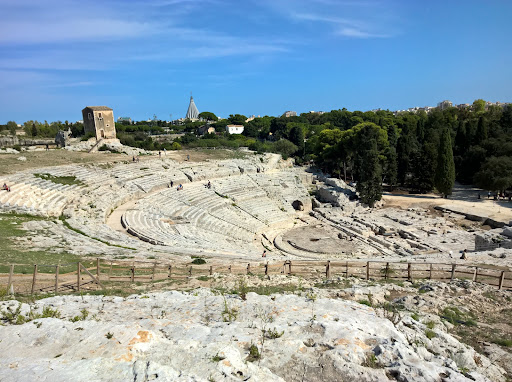
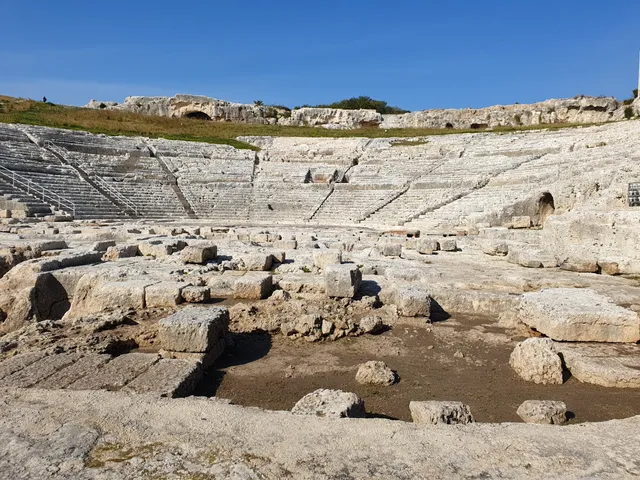
Greek Theater
Via Luigi Bernabò Brea, 96100 Siracusa SR, Italy
4.5(4.8K)
Closed

tickets
Save
spot
spot
Ratings & Description
Info
Cultural
Outdoor
Family friendly
attractions: Ear of Dionysius, Tecnoparco Museo di Archimede, Neapolis Archaeological Park, Grotta dei Cordari, Latomie del Paradiso, Grotta del Salnitro, Syracuse Roman Amphitheater, Altar of Hiero II, Piscina Romana, Church of Saint Nicolò 'ai Cordari', restaurants: Teatro Greco Cafè, Ai Grani Antichi Osteria Siciliana Pizzeria, MOMENTO Ristorante, MOMENTO Caffetteria, Koala Pub, Panificio Grotticelle di S.I.R. Srl, Panineria Da Domenico, Braceria Aretusa, Braceria Aretusa, SICULISH HERE AND NOW, local businesses: Tennis Club Match Ball | Tennis & Padel, PADEL ZONE SIRACUSA, Angolo Del Papiro, KEYOK - Centro Duplicazione Chiavi Auto - Siracusa, Pentauto PEUGEOT, Euromaster Oddo Pneumatici, Tartaruga, La Barbieria Siracusana, Allianz di Siracusa Agenzia Tine', VETERINARY CLINIC aretusea of PANTANO STEFANO
 Learn more insights from Wanderboat AI.
Phone
+39 0931 489511
Website
comune.siracusa.it
Open hoursSee all hours
Sat8:30 AM - 3:30 PMClosed
Plan your stay

Pet-friendly Hotels in Syracuse
Find a cozy hotel nearby and make it a full experience.

Affordable Hotels in Syracuse
Find a cozy hotel nearby and make it a full experience.

The Coolest Hotels You Haven't Heard Of (Yet)
Find a cozy hotel nearby and make it a full experience.

Trending Stays Worth the Hype in Syracuse
Find a cozy hotel nearby and make it a full experience.
Reviews
Live events
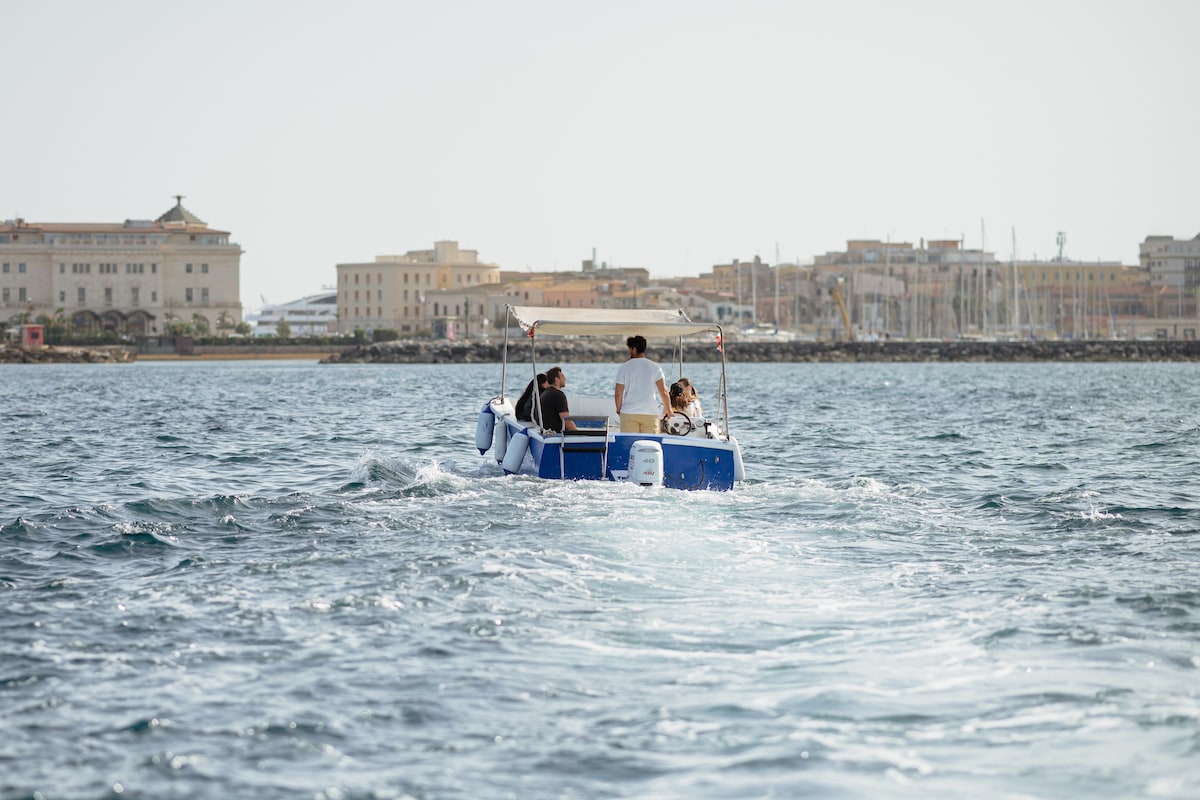
Explore marine caves and syracuse
Sat, Feb 28 • 10:00 AM
96100, Syracuse, Sicily, Italy
View details
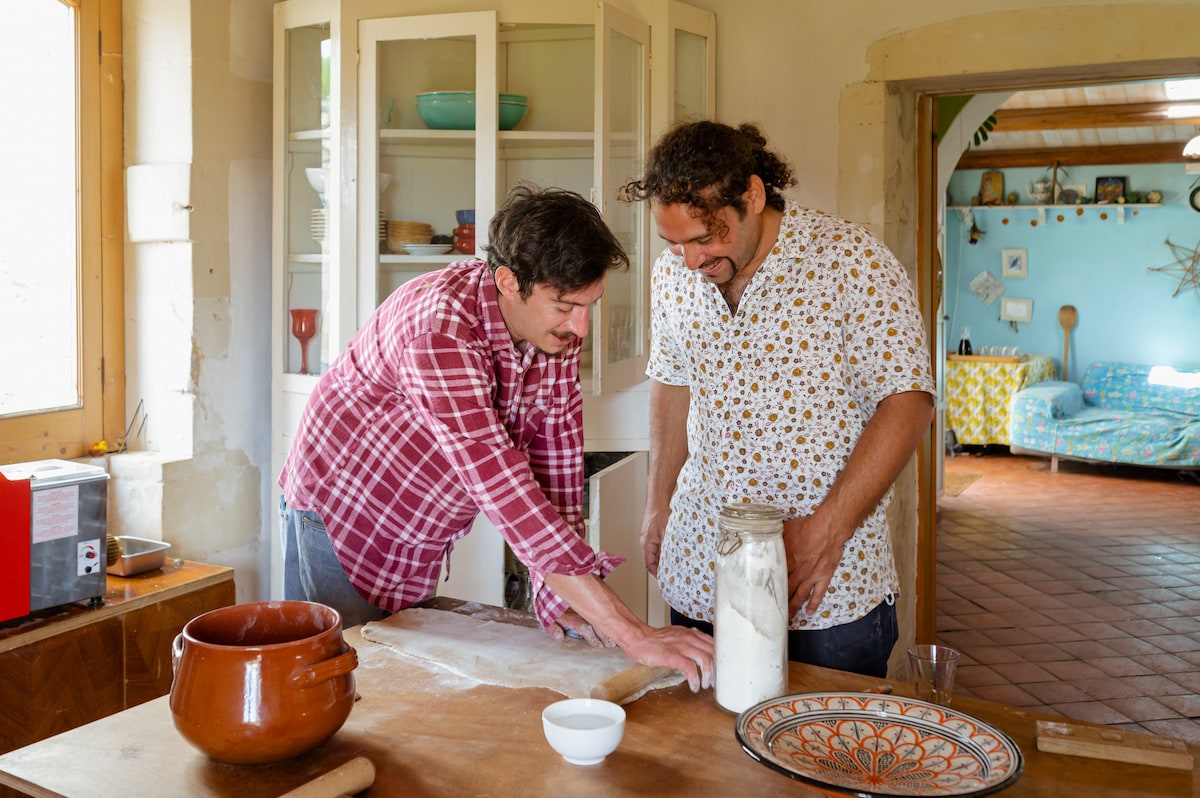
Slowlife Family Farm Cook With Us - Farm To Table
Tue, Mar 3 • 9:30 AM
96017, Noto, Sicily, Italy
View details
Nearby attractions of Greek Theater
Ear of Dionysius
Tecnoparco Museo di Archimede
Neapolis Archaeological Park
Grotta dei Cordari
Latomie del Paradiso
Grotta del Salnitro
Syracuse Roman Amphitheater
Altar of Hiero II
Piscina Romana
Church of Saint Nicolò 'ai Cordari'
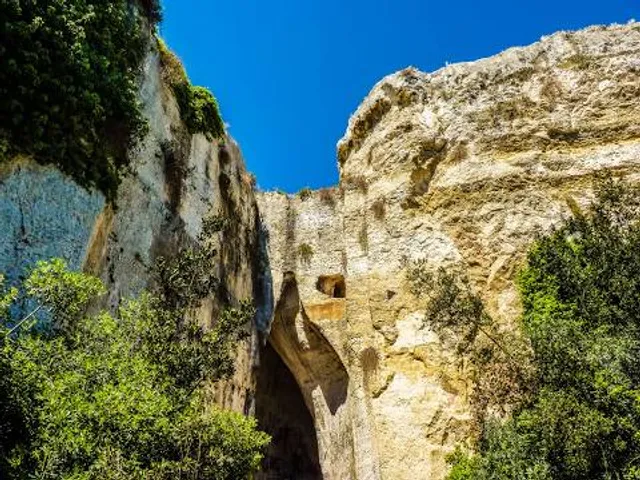
Ear of Dionysius
4.6
(4.6K)
Closed
Click for details
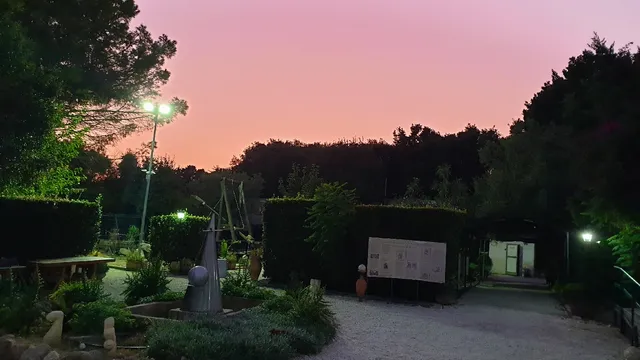
Tecnoparco Museo di Archimede
4.7
(802)
Closed
Click for details
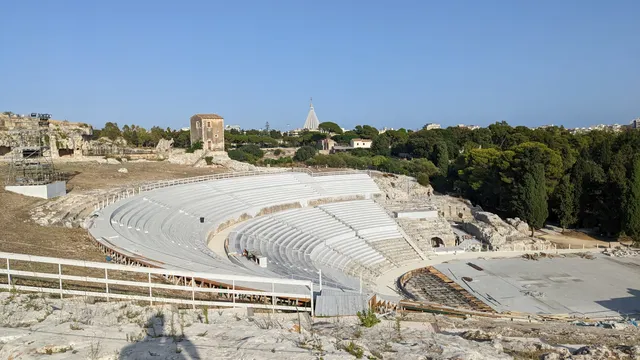
Neapolis Archaeological Park
4.3
(9.3K)
Closed
Click for details
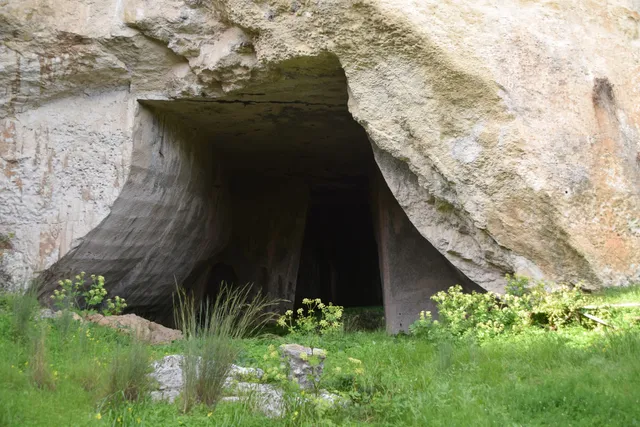
Grotta dei Cordari
4.1
(88)
Closed
Click for details
Nearby restaurants of Greek Theater
Teatro Greco Cafè
Ai Grani Antichi Osteria Siciliana Pizzeria
MOMENTO Ristorante
MOMENTO Caffetteria
Koala Pub
Panificio Grotticelle di S.I.R. Srl
Panineria Da Domenico
Braceria Aretusa
Braceria Aretusa
SICULISH HERE AND NOW
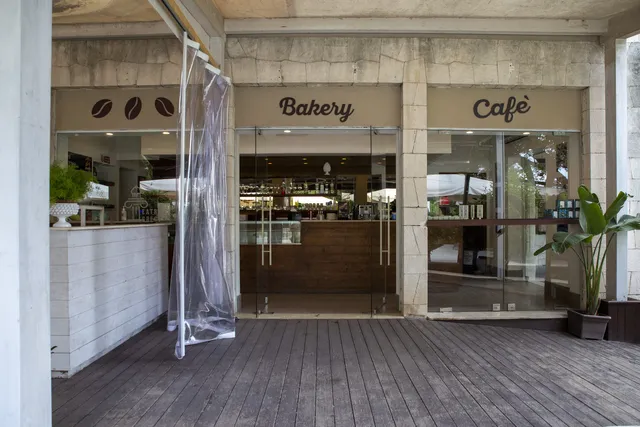
Teatro Greco Cafè
4.2
(325)
Closed
Click for details
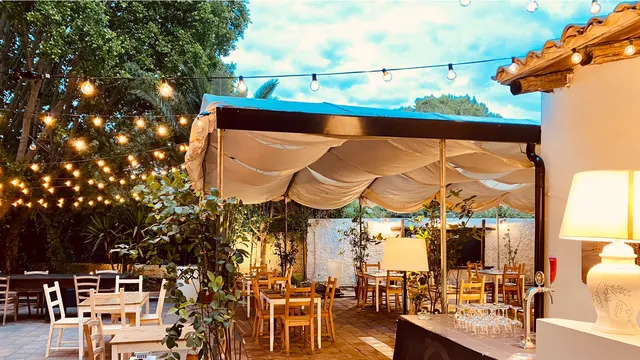
Ai Grani Antichi Osteria Siciliana Pizzeria
4.1
(378)
Closed
Click for details
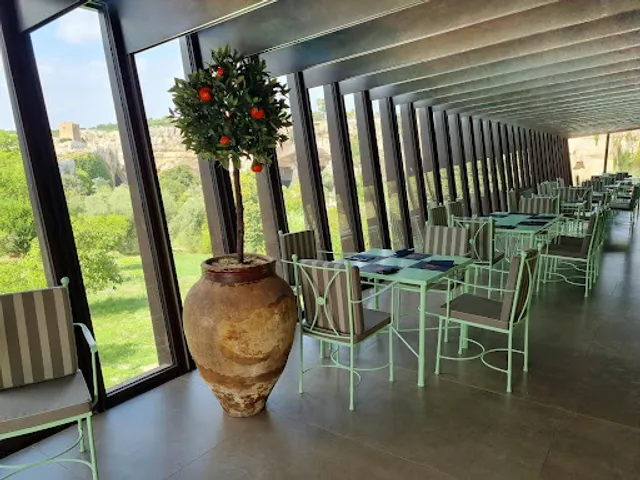
MOMENTO Ristorante
4.8
(105)
Click for details
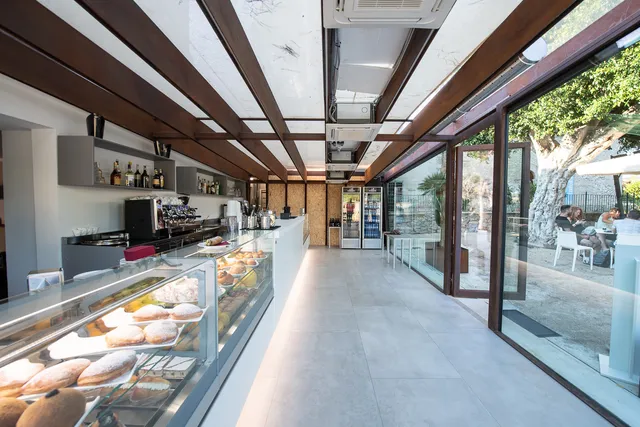
MOMENTO Caffetteria
3.1
(84)
Closed
Click for details
Nearby local services of Greek Theater
Tennis Club Match Ball | Tennis & Padel
PADEL ZONE SIRACUSA
Angolo Del Papiro
KEYOK - Centro Duplicazione Chiavi Auto - Siracusa
Pentauto PEUGEOT
Euromaster Oddo Pneumatici
Tartaruga
La Barbieria Siracusana
Allianz di Siracusa Agenzia Tine'
VETERINARY CLINIC aretusea of PANTANO STEFANO

Tennis Club Match Ball | Tennis & Padel
4.3
(111)
Click for details

PADEL ZONE SIRACUSA
4.7
(54)
Click for details
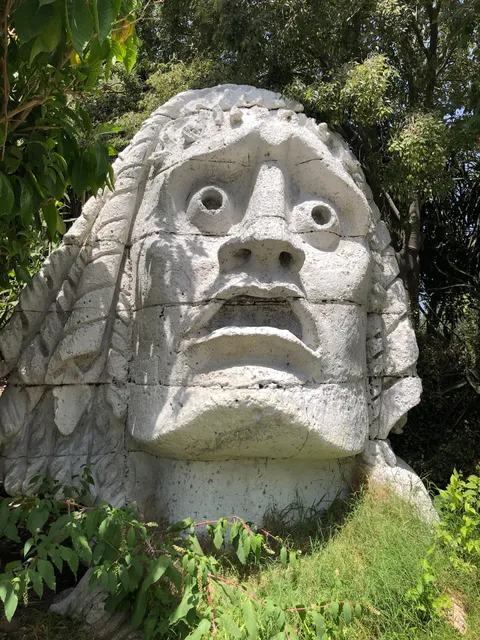
Angolo Del Papiro
4.6
(144)
Click for details

KEYOK - Centro Duplicazione Chiavi Auto - Siracusa
4.8
(440)
Click for details