Syracuse Roman Amphitheater things to do, attractions, restaurants, events info and trip planning
Basic Info
Syracuse Roman Amphitheater
Via Luigi Bernabò Brea, 14, 96100 Siracusa SR, Italy
4.2(897)
Open 24 hours

tickets
Save
spot
spot
Ratings & Description
Info
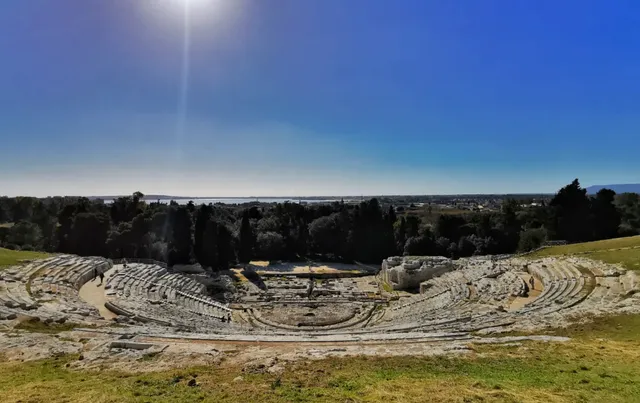
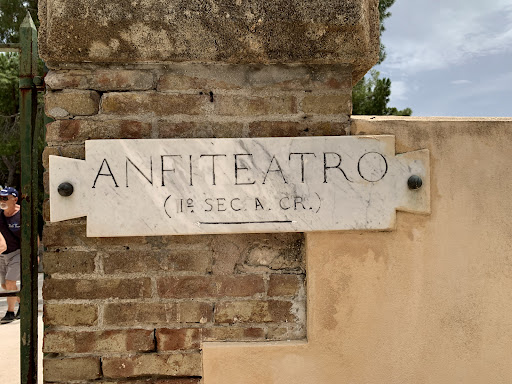
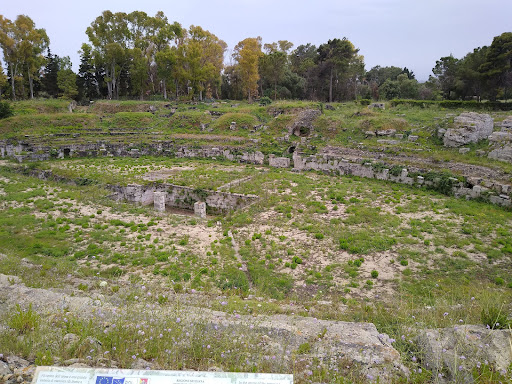
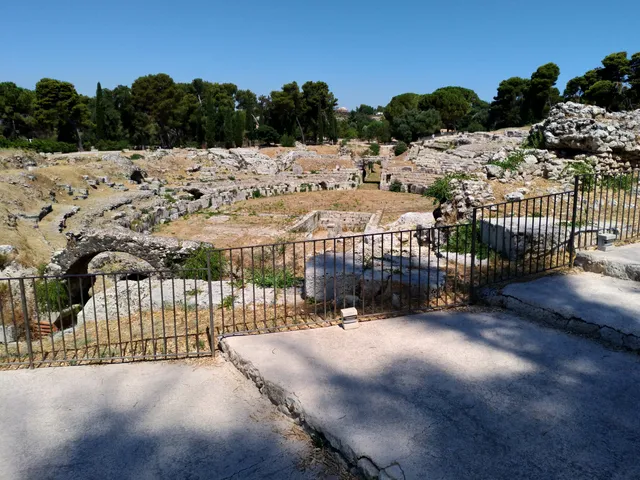
The Roman amphitheatre of Syracuse is one of the best preserved structures in the city of Syracuse, Sicily, from the early Imperial period.
Cultural
Scenic
Family friendly
Accessibility
attractions: Neapolis Archaeological Park, Ear of Dionysius, Greek Theater, Altar of Hiero II, Tecnoparco Museo di Archimede, Latomie del Paradiso, Church of Saint Nicolò 'ai Cordari', Basilica Santuario Madonna delle Lacrime, Catacomba di San Giovanni, Grotta dei Cordari, restaurants: MOMENTO Ristorante, MOMENTO Caffetteria, Panineria Da Domenico, Ai Grani Antichi Osteria Siciliana Pizzeria, Teatro Greco Cafè, Agathòs Ristorante Pizzeria Bistrot Siracusa, SICULISH HERE AND NOW, Pasticceria Bar Leonardi, Il Trancio Pizzeria e Friggitoria, Agorà La Cantina, local businesses: Beez store Siracusa piazza Adda, ASSISTENZA AUTORIZZATA SAMSUNG AUDIO/VIDEO DI@ELECTRONICS, Santuario de la Virgen de las Lágrimas, Cannolo Terapia, Bar Splendor, Angolo Del Papiro, Catacumbas de San Juan, Mondo Camerette, Gioielleria Conigliaro Giovanni, Mariagrazia Fangano Dottore Commercialista Consulente del lavoro
 Learn more insights from Wanderboat AI.
Phone
+39 0931 489511
Website
regione.sicilia.it
Plan your stay

Pet-friendly Hotels in Syracuse
Find a cozy hotel nearby and make it a full experience.

Affordable Hotels in Syracuse
Find a cozy hotel nearby and make it a full experience.

The Coolest Hotels You Haven't Heard Of (Yet)
Find a cozy hotel nearby and make it a full experience.

Trending Stays Worth the Hype in Syracuse
Find a cozy hotel nearby and make it a full experience.
Reviews
Live events
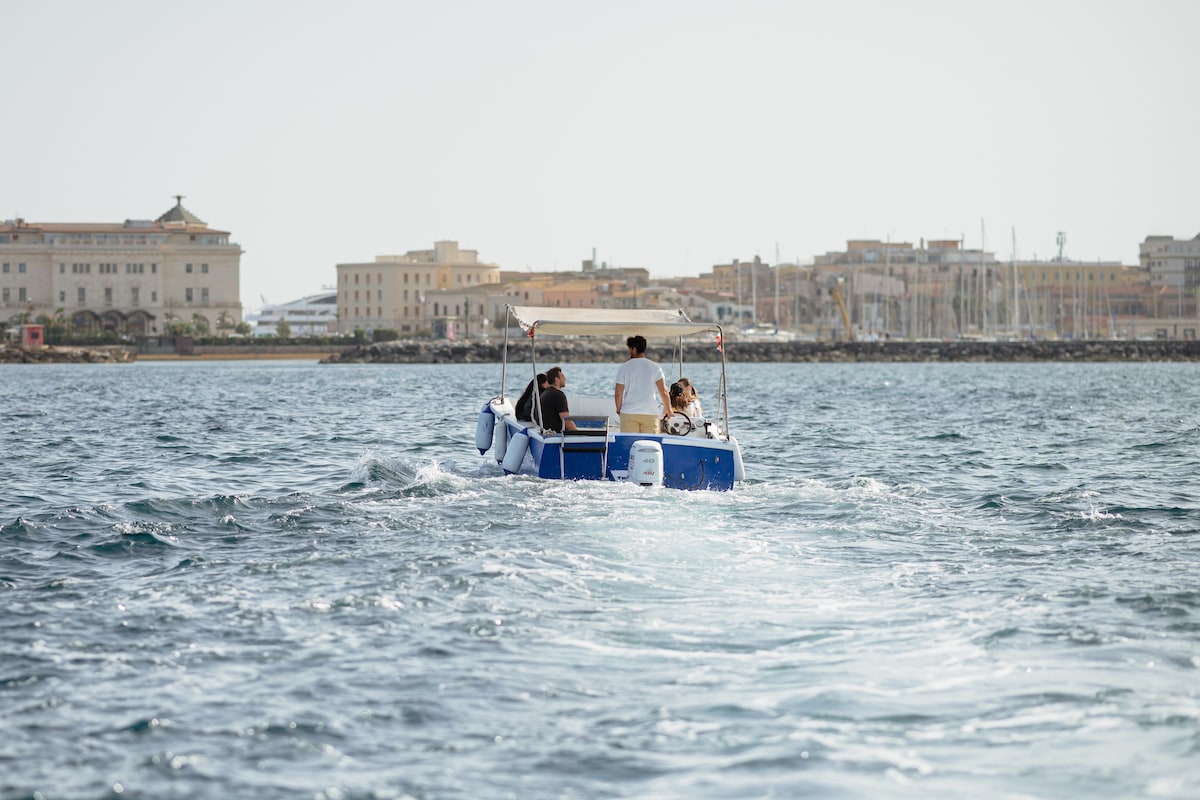
Explore marine caves and syracuse
Thu, Feb 26 • 10:00 AM
96100, Syracuse, Sicily, Italy
View details
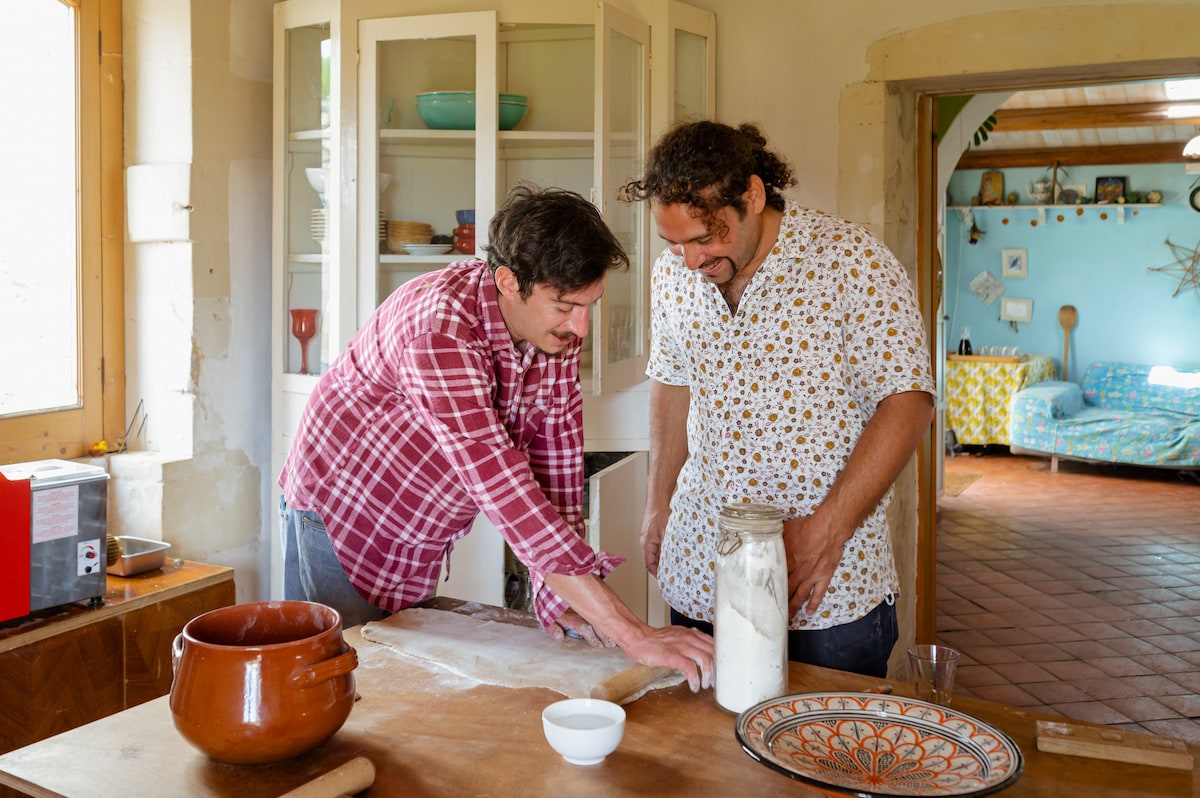
Slowlife Family Farm Cook With Us - Farm To Table
Tue, Mar 3 • 9:30 AM
96017, Noto, Sicily, Italy
View details
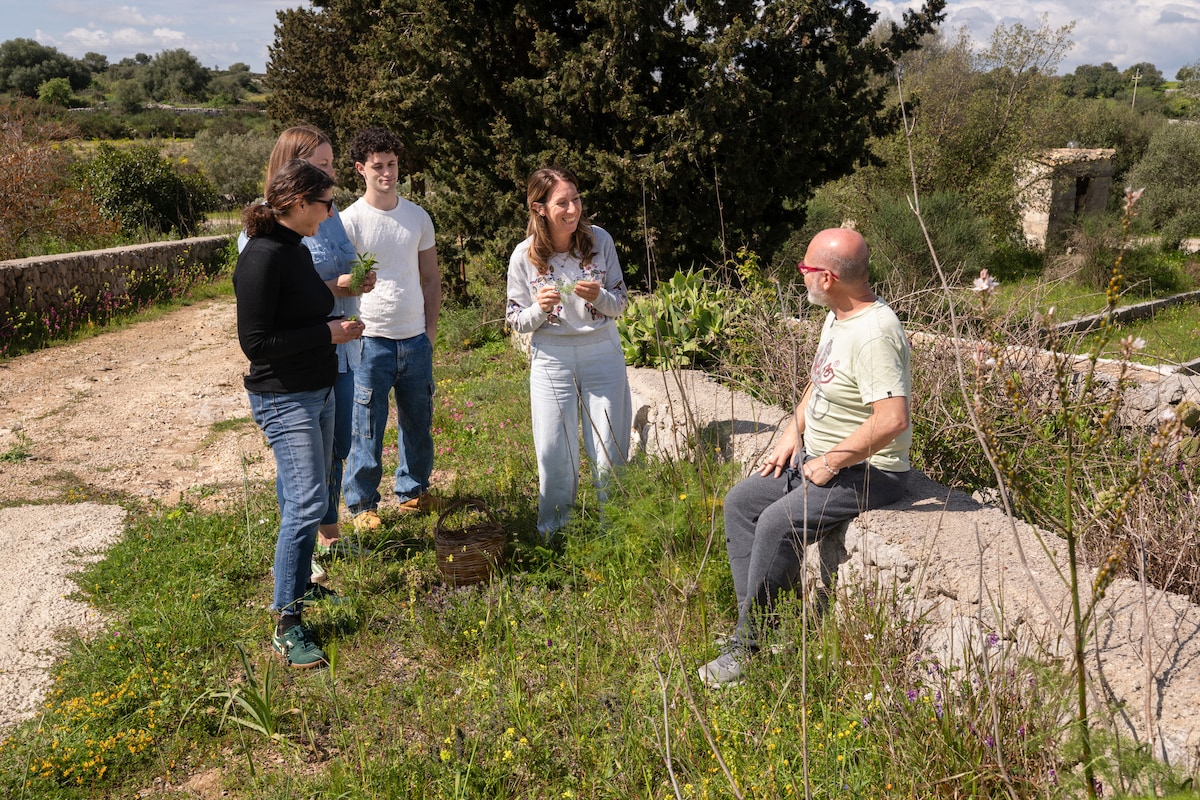
Experience the authentic Sicily
Fri, Feb 27 • 10:30 AM
96017, Noto, Sicilia, Italy
View details
Nearby attractions of Syracuse Roman Amphitheater
Neapolis Archaeological Park
Ear of Dionysius
Greek Theater
Altar of Hiero II
Tecnoparco Museo di Archimede
Latomie del Paradiso
Church of Saint Nicolò 'ai Cordari'
Basilica Santuario Madonna delle Lacrime
Catacomba di San Giovanni
Grotta dei Cordari
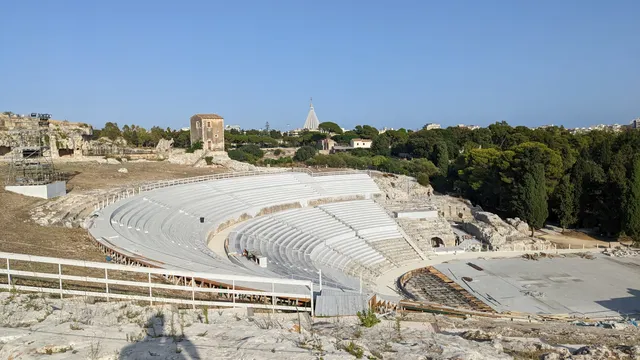
Neapolis Archaeological Park
4.3
(9.1K)
Closed
Click for details
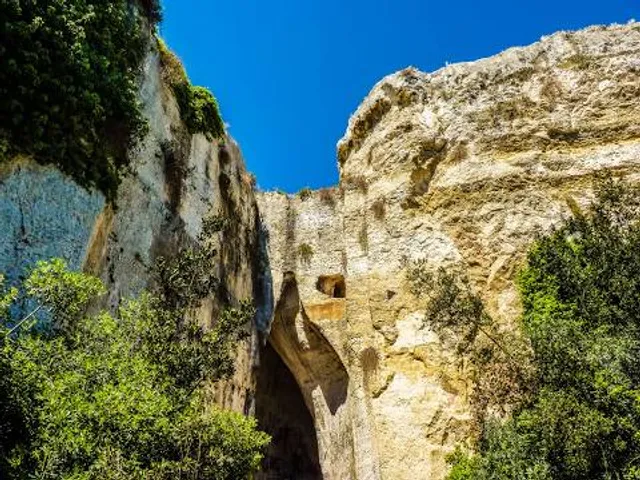
Ear of Dionysius
4.6
(4.6K)
Closed
Click for details
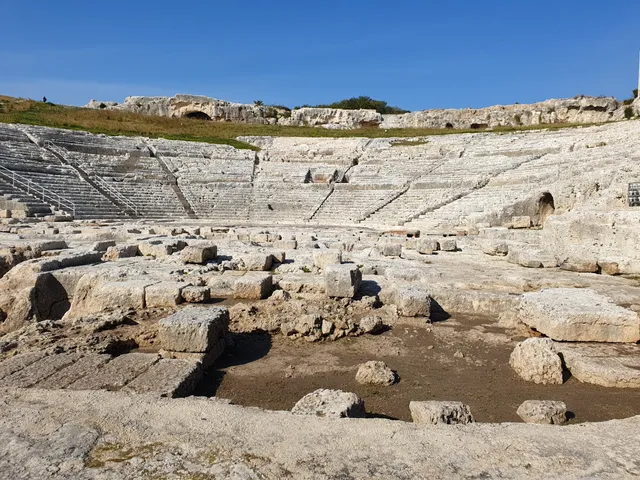
Greek Theater
4.5
(5K)
Closed
Click for details
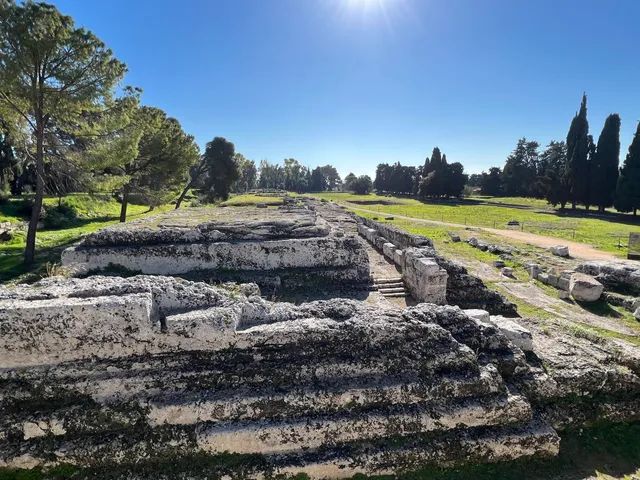
Altar of Hiero II
4.2
(94)
Closed
Click for details
Nearby restaurants of Syracuse Roman Amphitheater
MOMENTO Ristorante
MOMENTO Caffetteria
Panineria Da Domenico
Ai Grani Antichi Osteria Siciliana Pizzeria
Teatro Greco Cafè
Agathòs Ristorante Pizzeria Bistrot Siracusa
SICULISH HERE AND NOW
Pasticceria Bar Leonardi
Il Trancio Pizzeria e Friggitoria
Agorà La Cantina
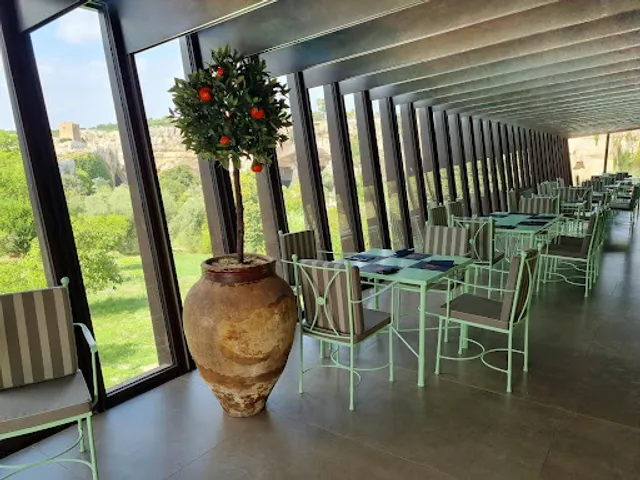
MOMENTO Ristorante
4.8
(106)
Click for details
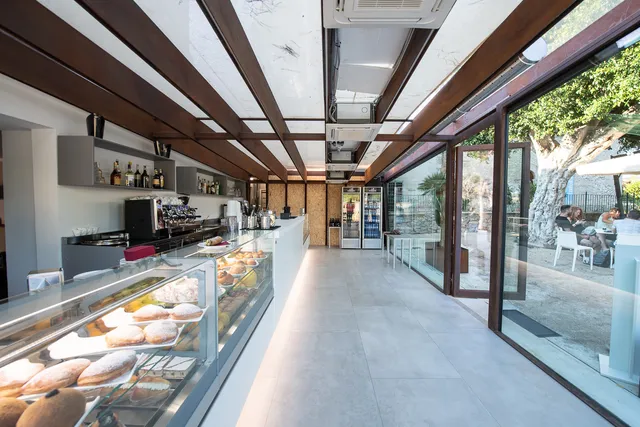
MOMENTO Caffetteria
3.1
(84)
Closed
Click for details
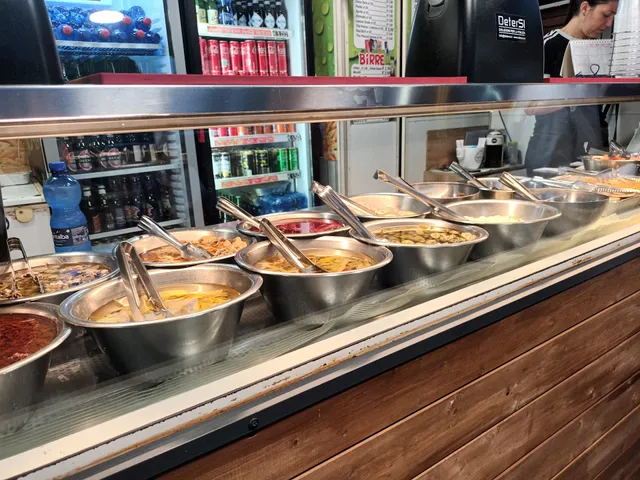
Panineria Da Domenico
4.6
(156)
$
Open until 3:00 AM
Click for details
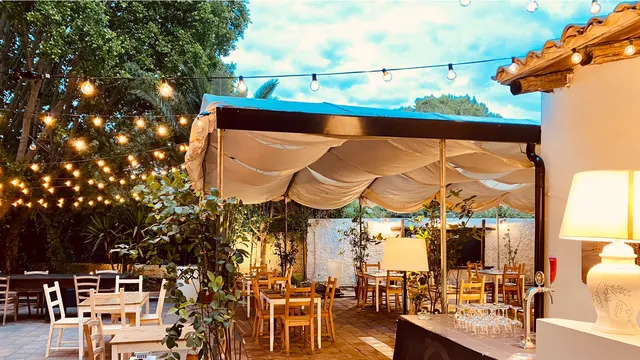
Ai Grani Antichi Osteria Siciliana Pizzeria
4.1
(376)
$
Closed
Click for details
Nearby local services of Syracuse Roman Amphitheater
Beez store Siracusa piazza Adda
ASSISTENZA AUTORIZZATA SAMSUNG AUDIO/VIDEO DI@ELECTRONICS
Santuario de la Virgen de las Lágrimas
Cannolo Terapia
Bar Splendor
Angolo Del Papiro
Catacumbas de San Juan
Mondo Camerette
Gioielleria Conigliaro Giovanni
Mariagrazia Fangano Dottore Commercialista Consulente del lavoro
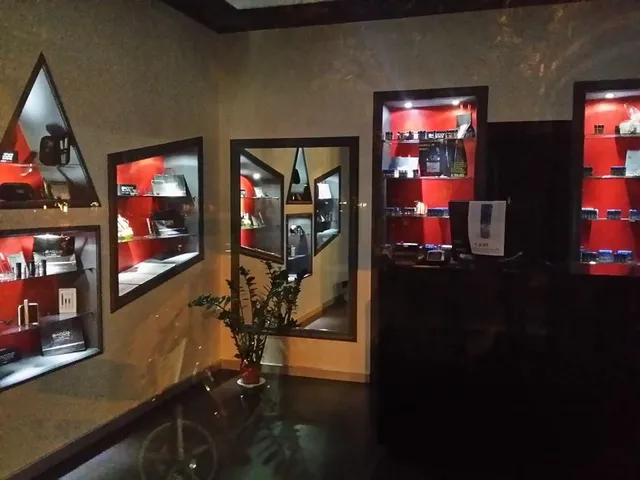
Beez store Siracusa piazza Adda
4.8
(144)
Click for details
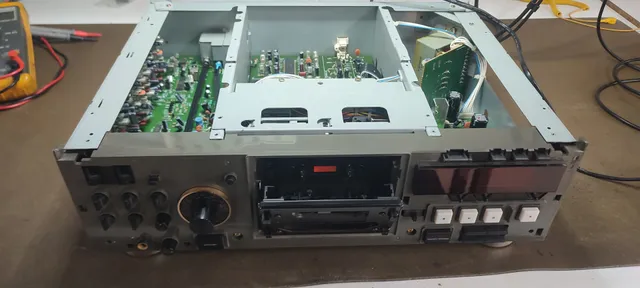
ASSISTENZA AUTORIZZATA SAMSUNG AUDIO/VIDEO DI@ELECTRONICS
4.8
(106)
Click for details
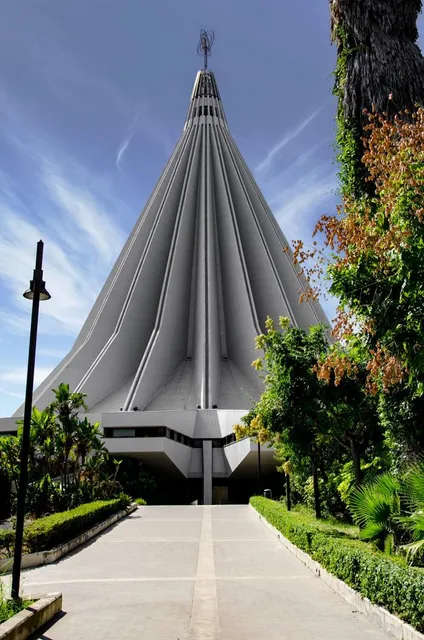
Santuario de la Virgen de las Lágrimas
4.5
(2.5K)
Click for details

Cannolo Terapia
4.6
(220)
Click for details