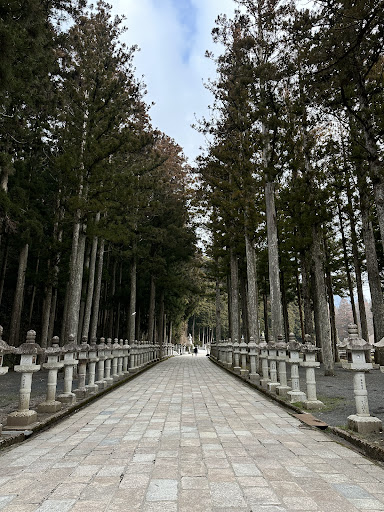
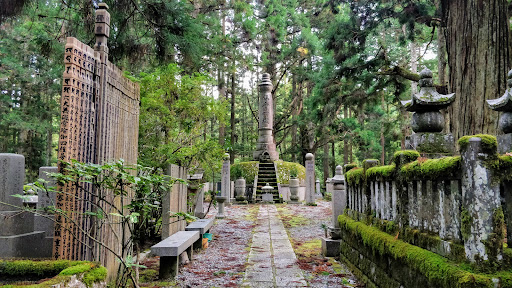
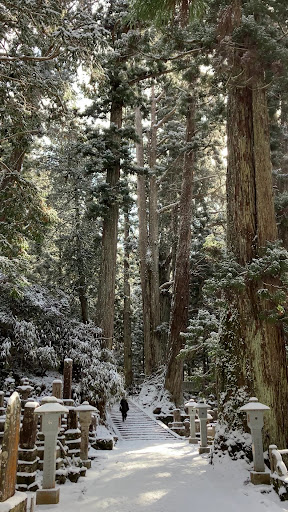
Okunoin Cemetery things to do, attractions, restaurants, events info and trip planning
Basic Info
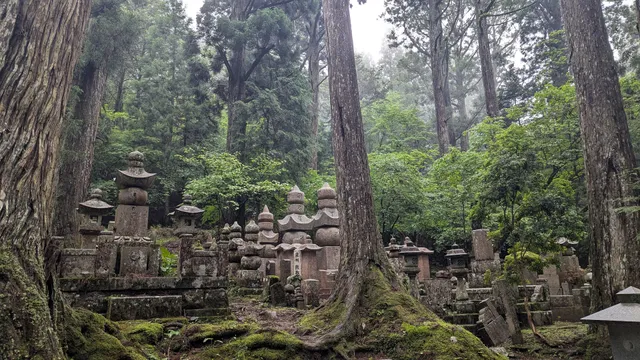
Okunoin Cemetery
Japan, 〒648-0211 Wakayama, Ito District, Koya, Koyasan, 奥の院
4.8(218)
Open until 12:00 AM
Save
spot
spot
Ratings & Description
Info
Cultural
Scenic
Outdoor
Family friendly
attractions: Kongobu-ji Okuno-in, Mausoleum of Great Master Kobo Daishi (Buddhist monk Kūkai), Torodo (Lantern Hall), Koyasan Ski Area, Koyasan Forest Park, restaurants: Koyasan Washoku Dining Hachiyo, Wafu-ramen Miyama, Restaurant Youryu, フォレストブルー, 中の橋会館, Tempu Terrace, vegan café waira tequila ikora, かすうどんの河内屋, local businesses: O-kesho Jizo Buddha, Mitsugondo, Oku-no-In, Sugatami-no-Ido Well, 汗かき地蔵, Kongobu-ji Okuno-in Gokusho (Daily Offering Hall), Grave of Daimyo Oda Nobunaga, Mizumukejizo
 Learn more insights from Wanderboat AI.
Phone
+81 736-56-2002
Website
koyasan.or.jp
Open hoursSee all hours
SunOpen 24 hoursOpen
Plan your stay

Pet-friendly Hotels in Koya
Find a cozy hotel nearby and make it a full experience.

Affordable Hotels in Koya
Find a cozy hotel nearby and make it a full experience.

The Coolest Hotels You Haven't Heard Of (Yet)
Find a cozy hotel nearby and make it a full experience.

Trending Stays Worth the Hype in Koya
Find a cozy hotel nearby and make it a full experience.
Reviews
Live events
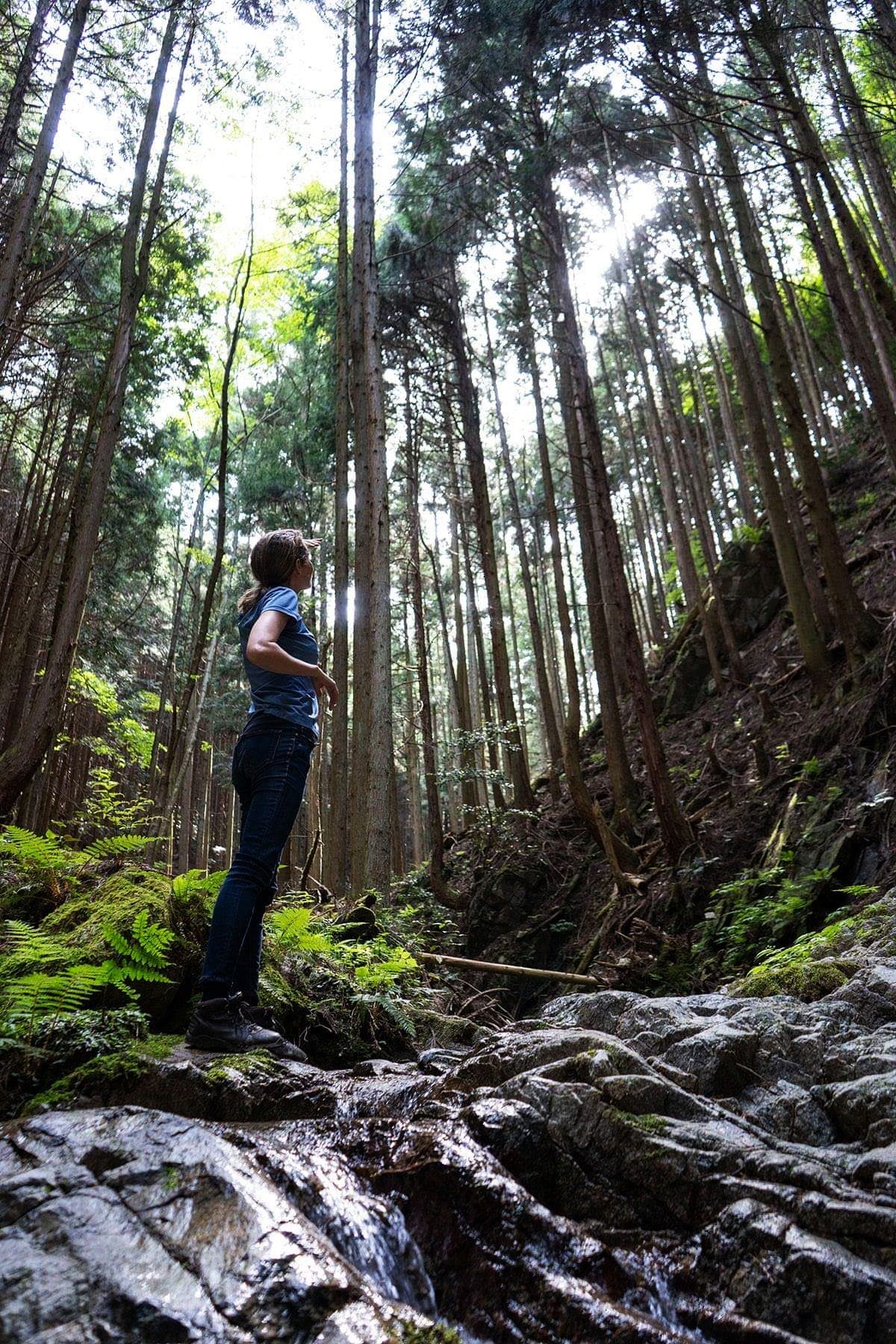
Osaka mountain hike and trout fishing
Wed, Feb 25 • 8:45 AM
586-0015, Osaka, Kawachinagano, Japan
View details
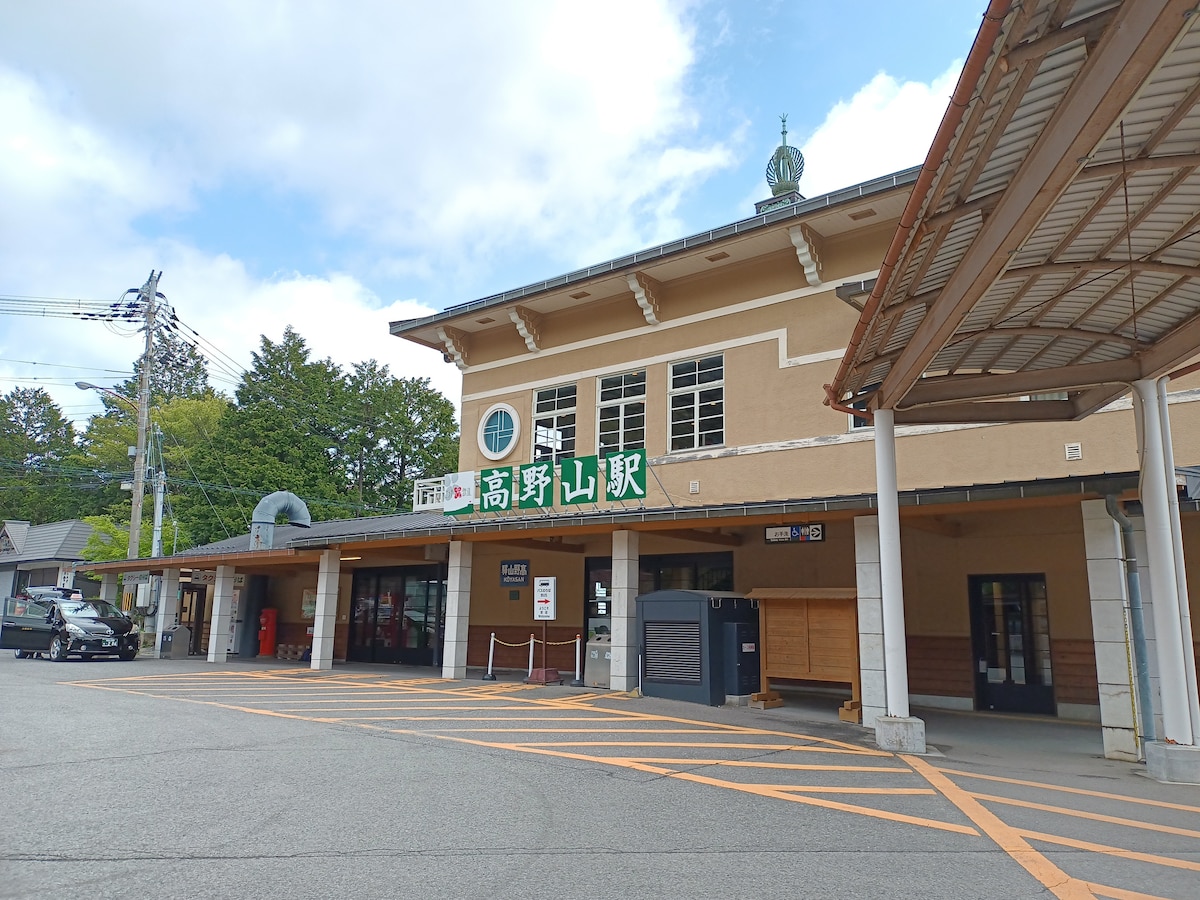
Tour to learn more about the World Heritage Site Koyasan
Sun, Feb 22 • 9:30 AM
648-0211, Wakayama, Koya, Ito District, Japan
View details
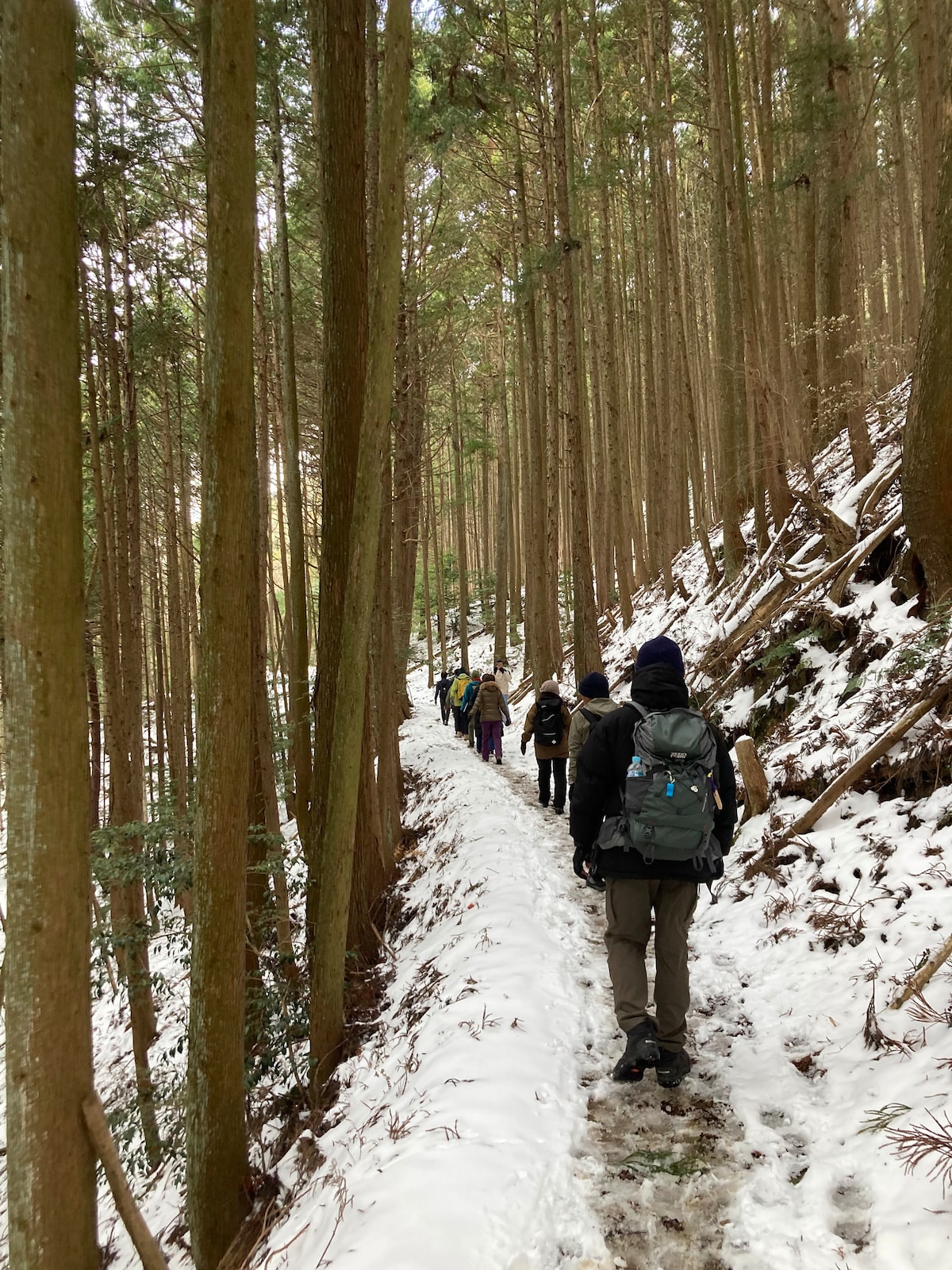
Discover Hidden Treasures In Wakayama
Sun, Feb 22 • 10:00 AM
648-0151, Wakayama, Kudoyama, Ito District, Japan
View details
Nearby attractions of Okunoin Cemetery
Kongobu-ji Okuno-in
Mausoleum of Great Master Kobo Daishi (Buddhist monk Kūkai)
Torodo (Lantern Hall)
Koyasan Ski Area
Koyasan Forest Park
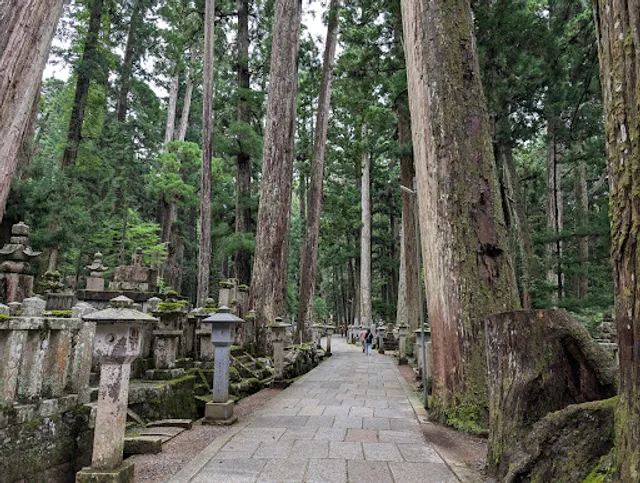
Kongobu-ji Okuno-in
4.7
(3.5K)
Open until 12:00 AM
Click for details
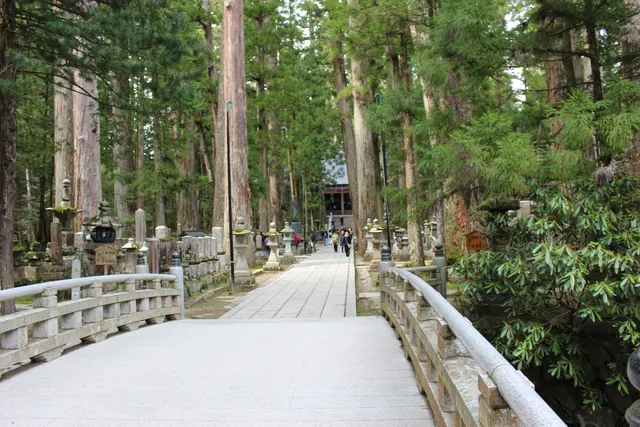
Mausoleum of Great Master Kobo Daishi (Buddhist monk Kūkai)
4.8
(224)
Open until 12:00 AM
Click for details
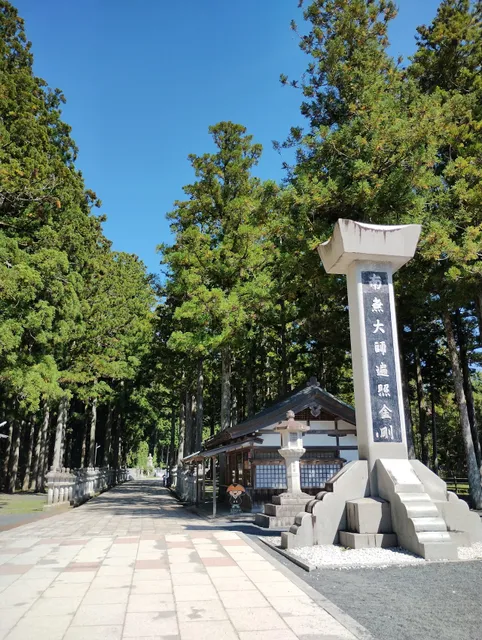
Torodo (Lantern Hall)
4.5
(48)
Open until 5:00 PM
Click for details
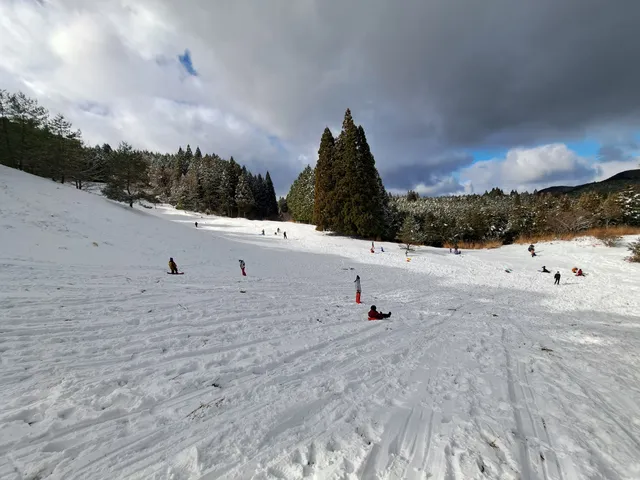
Koyasan Ski Area
4.0
(60)
Open until 5:30 PM
Click for details
Nearby restaurants of Okunoin Cemetery
Koyasan Washoku Dining Hachiyo
Wafu-ramen Miyama
Restaurant Youryu
フォレストブルー
中の橋会館
Tempu Terrace
vegan café waira tequila ikora
かすうどんの河内屋
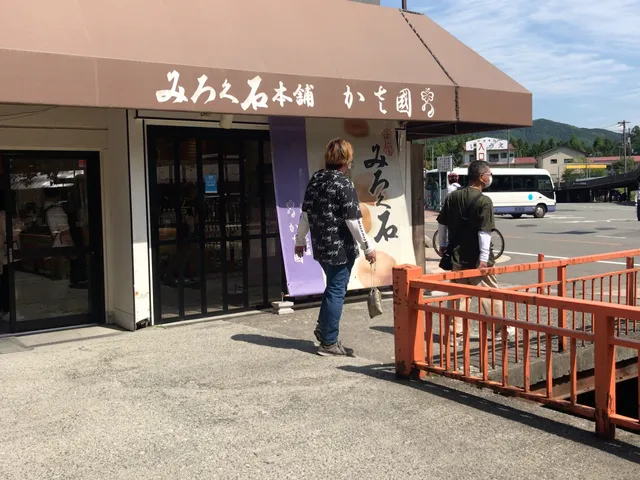
Koyasan Washoku Dining Hachiyo
3.6
(147)
Open until 5:00 PM
Click for details
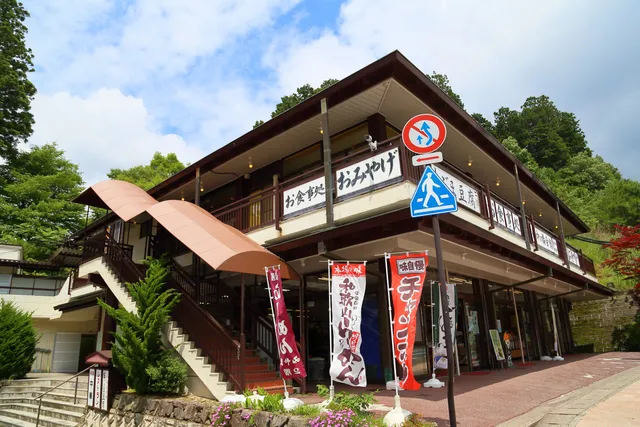
Wafu-ramen Miyama
3.3
(43)
Click for details
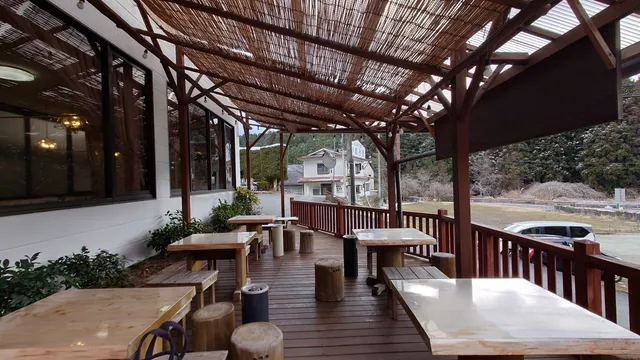
Restaurant Youryu
3.5
(103)
Closed
Click for details
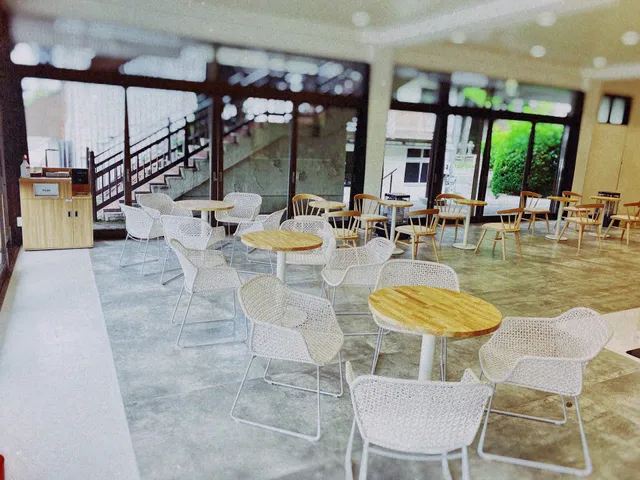
フォレストブルー
3.7
(29)
Open until 5:30 PM
Click for details
Nearby local services of Okunoin Cemetery
O-kesho Jizo Buddha
Mitsugondo
Oku-no-In
Sugatami-no-Ido Well
汗かき地蔵
Kongobu-ji Okuno-in Gokusho (Daily Offering Hall)
Grave of Daimyo Oda Nobunaga
Mizumukejizo
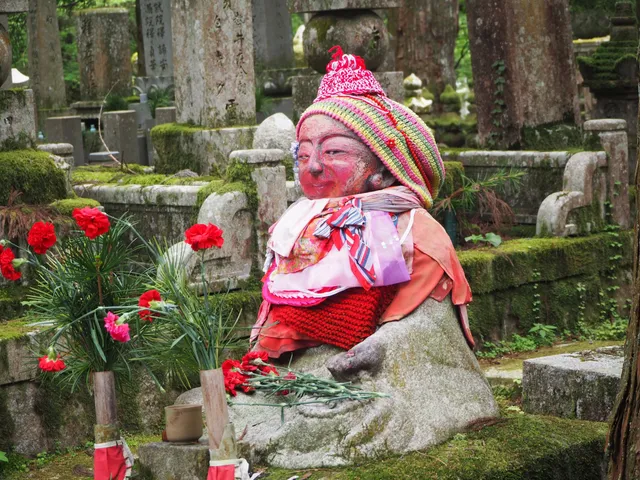
O-kesho Jizo Buddha
4.1
(32)
Click for details
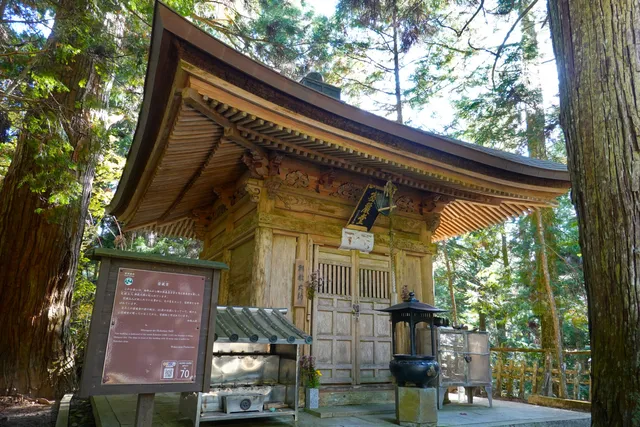
Mitsugondo
4.2
(12)
Click for details
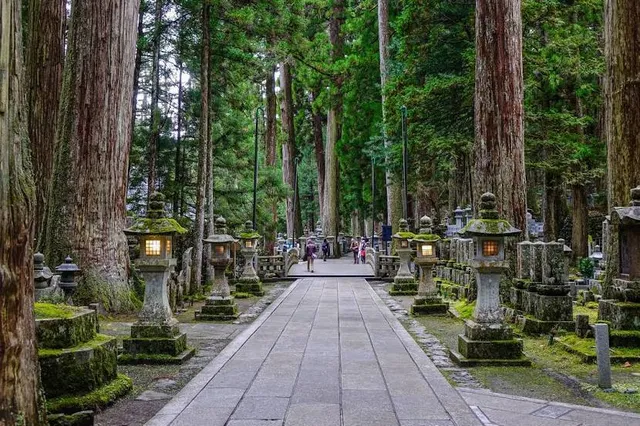
Oku-no-In
4.7
(2.8K)
Click for details
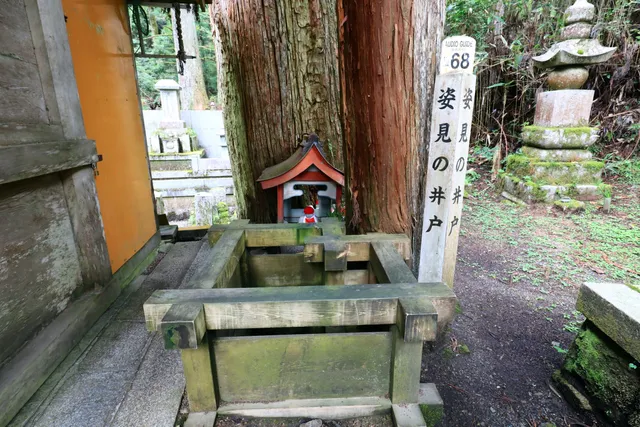
Sugatami-no-Ido Well
4.3
(26)
Click for details