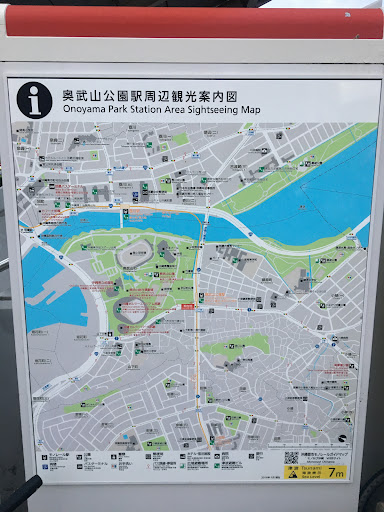
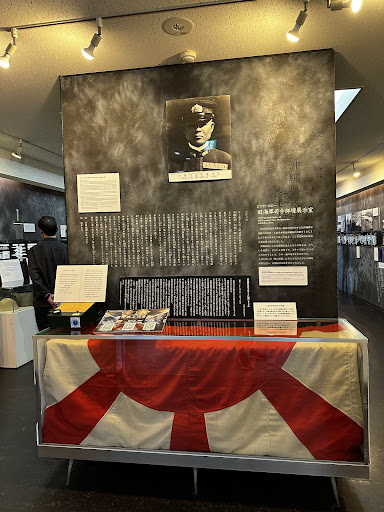
Former Japanese Navy Underground Headquarters things to do, attractions, restaurants, events info and trip planning

Basic Info
Former Japanese Navy Underground Headquarters
236 Tomigusuku, Okinawa 901-0241, Japan
4.4(1.7K)
Open until 5:00 PM


tickets
Save
spot
spot
Ratings & Description
Info
Cultural
Accessibility
attractions: Navy Headquarters Underground Park, Okinawa Karate Hall, Sumirejido Park, Tomigusuku Castle Site, restaurants: 鶏白湯らーめん鶏寅, Yappari Steak, お結び珈琲 訓, Yayoiken Oroku Branch, Ichigen, Yakiniku Kobo Dan, 純喫茶ゼスト, Good morning Bakery, スナック·BB, Magic Chicken Okinawa, local businesses: Japanese Naval Headquarters Visitor Center, Navy Headquarters Underground Park, Okinawa Craft Industry Promotion Center, Miyasato Jozosho
 Learn more insights from Wanderboat AI.
Phone
+81 98-850-4055
Website
kaigungou.ocvb.or.jp
Open hoursSee all hours
Thu9 a.m. - 5 p.m.Open
Plan your stay

Pet-friendly Hotels in Tomigusuku
Find a cozy hotel nearby and make it a full experience.

Affordable Hotels in Tomigusuku
Find a cozy hotel nearby and make it a full experience.

The Coolest Hotels You Haven't Heard Of (Yet)
Find a cozy hotel nearby and make it a full experience.

Trending Stays Worth the Hype in Tomigusuku
Find a cozy hotel nearby and make it a full experience.
Reviews
Live events
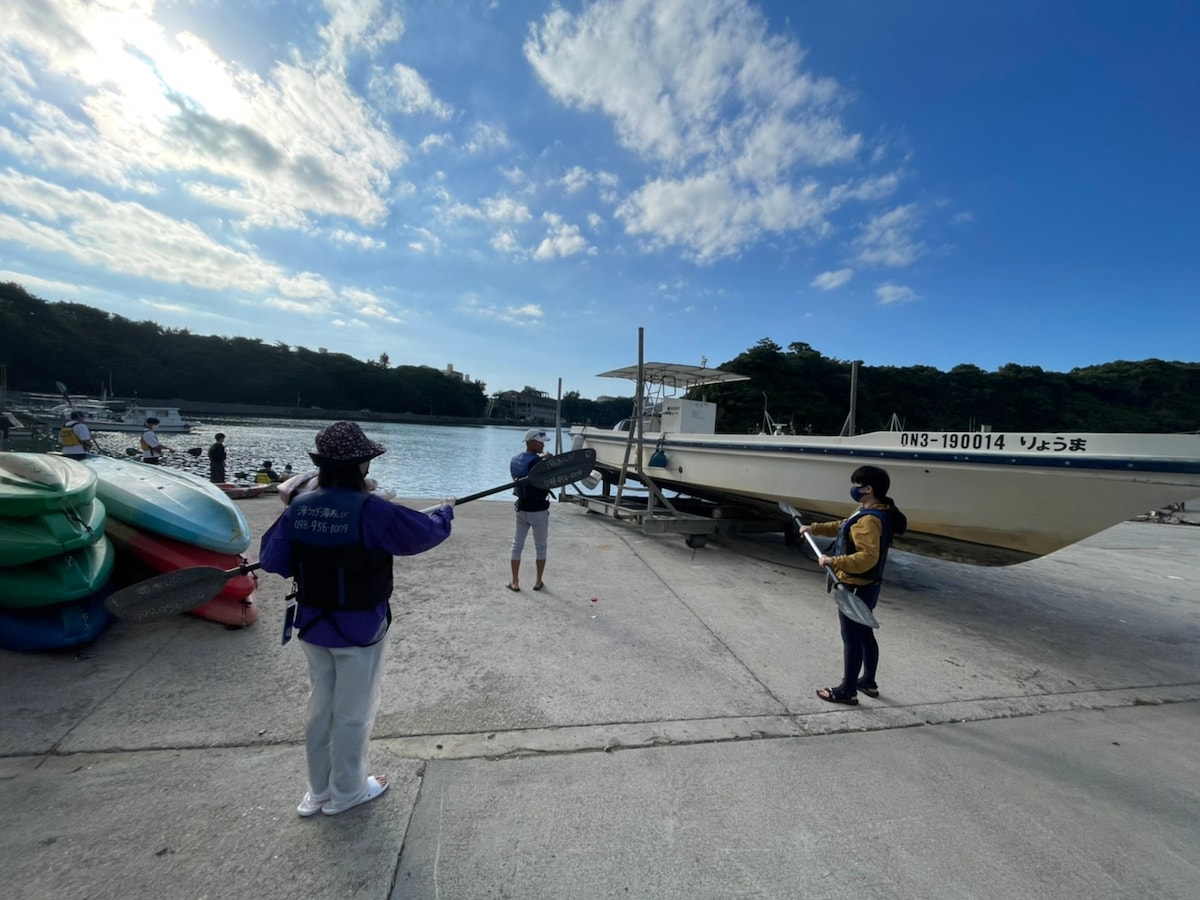
Kayak tour of the mangroves
Thu, Feb 26 • 3:00 PM
904-0204, Okinawa, Kadena, Nakagami District, Japan
View details
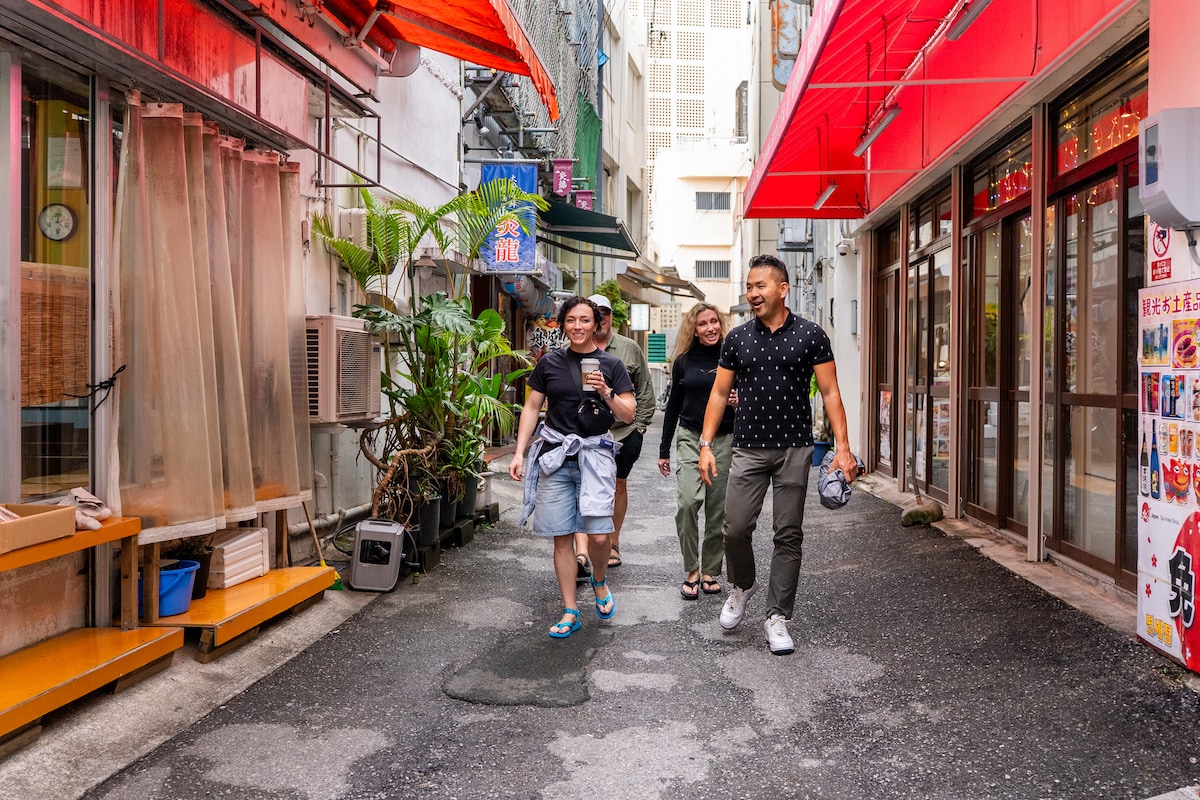
Hidden Okinawa Food Walk Tour
Fri, Feb 27 • 10:30 AM
900-0013, Okinawa, Naha, Japan
View details
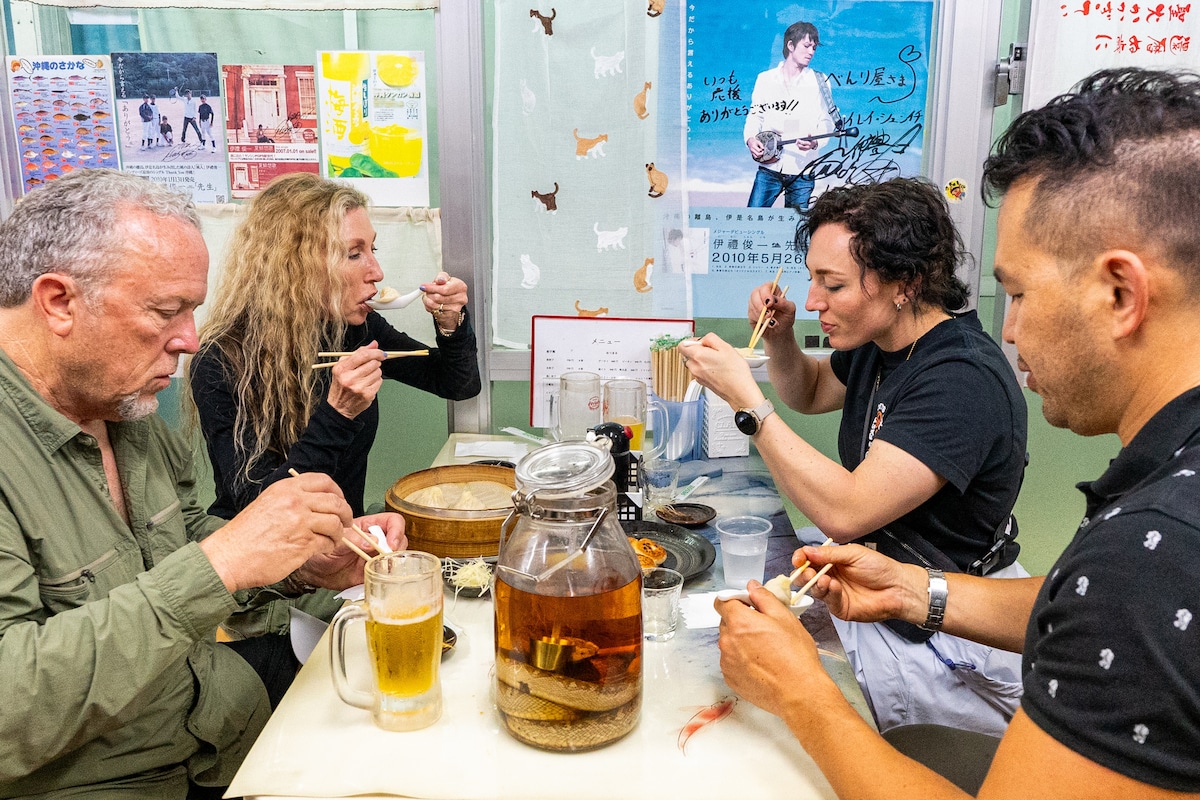
Okinawan night izakaya food tour
Thu, Feb 26 • 5:00 PM
902-0067, Okinawa, Naha, Japan
View details
Nearby attractions of Former Japanese Navy Underground Headquarters
Navy Headquarters Underground Park
Okinawa Karate Hall
Sumirejido Park
Tomigusuku Castle Site
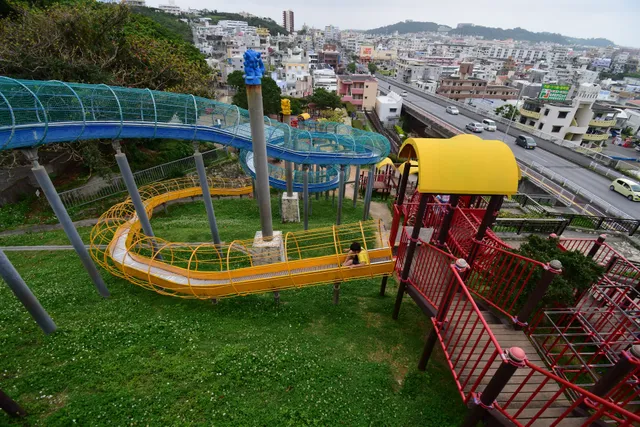
Navy Headquarters Underground Park
4.1
(685)
Open until 5:00 PM
Click for details

Okinawa Karate Hall
4.4
(304)
Open until 12:00 AM
Click for details
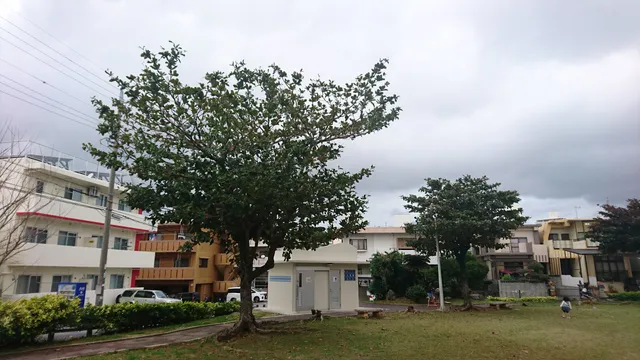
Sumirejido Park
3.6
(13)
Open until 12:00 AM
Click for details
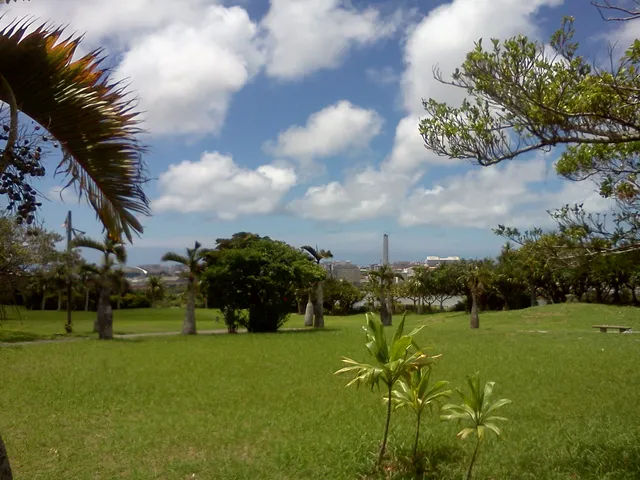
Tomigusuku Castle Site
3.8
(22)
Open 24 hours
Click for details
Nearby restaurants of Former Japanese Navy Underground Headquarters
鶏白湯らーめん鶏寅
Yappari Steak
お結び珈琲 訓
Yayoiken Oroku Branch
Ichigen
Yakiniku Kobo Dan
純喫茶ゼスト
Good morning Bakery
スナック·BB
Magic Chicken Okinawa
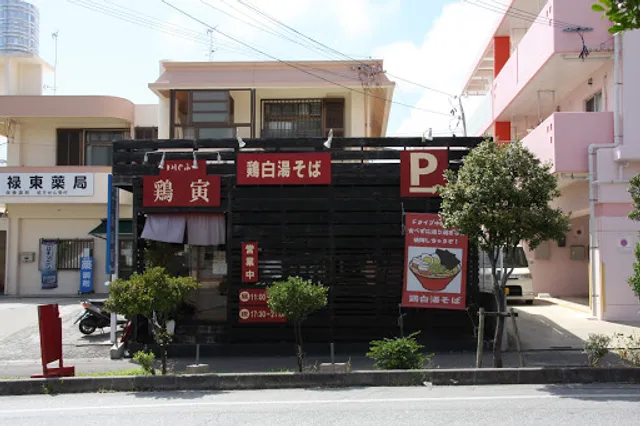
鶏白湯らーめん鶏寅
4.4
(235)
Closed
Click for details
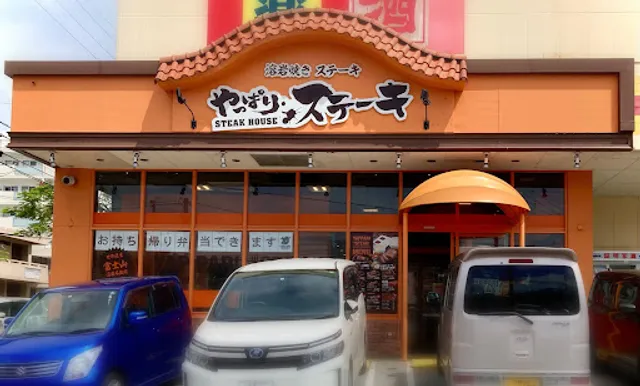
Yappari Steak
3.9
(161)
Open until 10:00 PM
Click for details
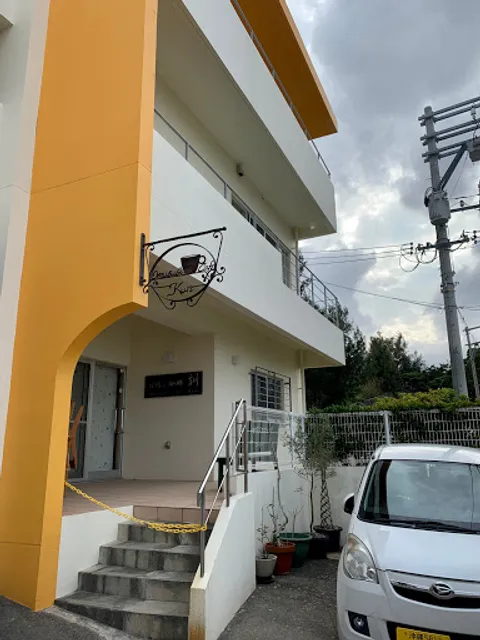
お結び珈琲 訓
3.5
(3)
$$
Open until 12:00 AM
Click for details
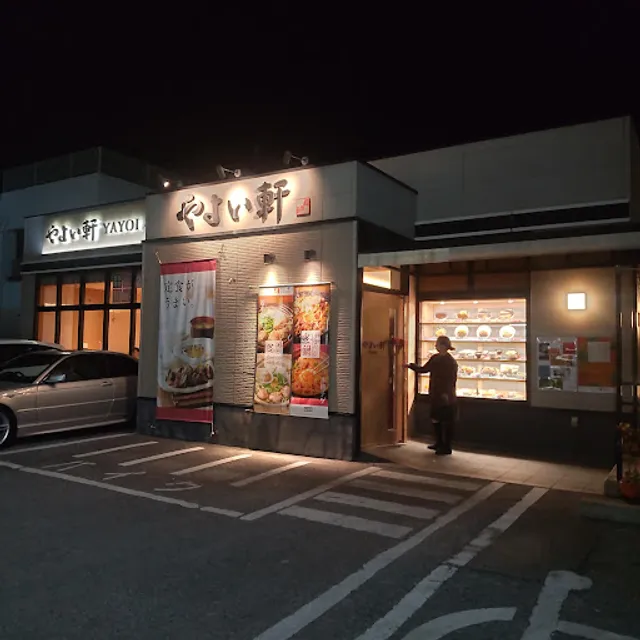
Yayoiken Oroku Branch
3.9
(332)
Open until 11:00 PM
Click for details
Nearby local services of Former Japanese Navy Underground Headquarters
Japanese Naval Headquarters Visitor Center
Navy Headquarters Underground Park
Okinawa Craft Industry Promotion Center
Miyasato Jozosho
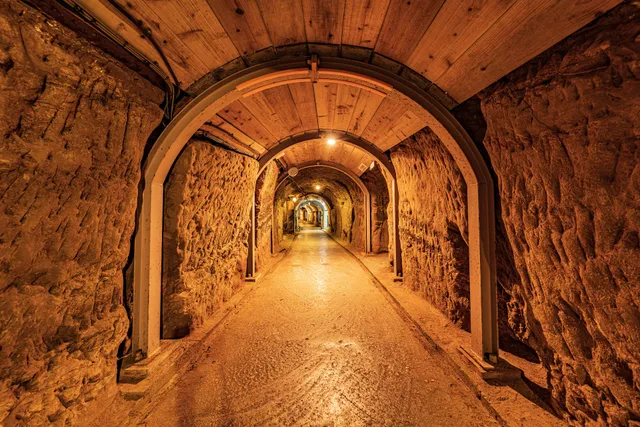
Japanese Naval Headquarters Visitor Center
4.5
(115)
Click for details
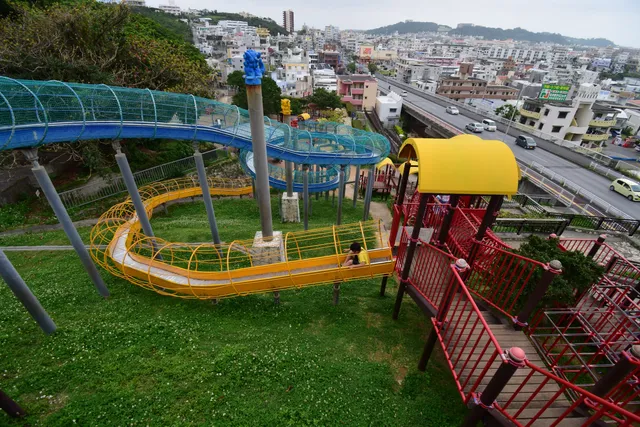
Navy Headquarters Underground Park
4.0
(549)
Click for details
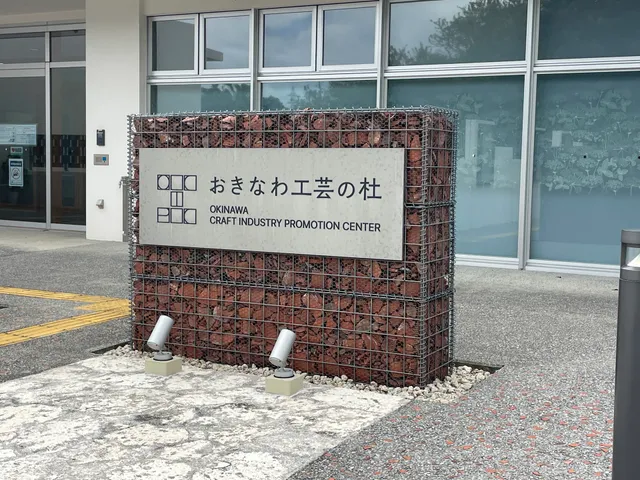
Okinawa Craft Industry Promotion Center
4.4
(82)
Click for details
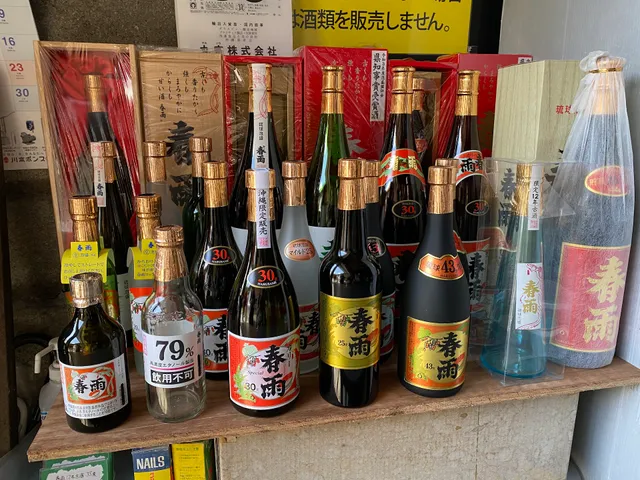
Miyasato Jozosho
4.7
(12)
Click for details