Amman Citadel things to do, attractions, restaurants, events info and trip planning
Basic Info
Amman Citadel
K. Ali Ben Al-Hussein St. 146, Amman, Jordan
4.5(8.7K)
Closed

tickets
Save
spot
spot
Ratings & Description
Info
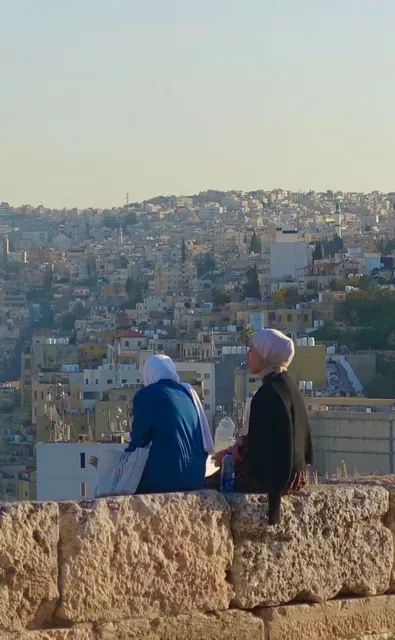
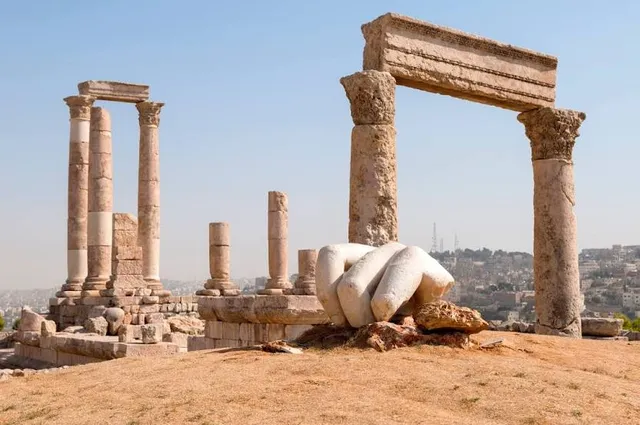
The Amman Citadel is an archeological site at the center of downtown Amman, the capital of Jordan. The L-shaped hill is one of the seven hills that originally made up Amman. The Citadel has a long history of occupation by many great civilizations.
Cultural
Outdoor
Accessibility
attractions: Roman Temple of Hercules, The Hashemite Plaza, Roman Theater, Umayyad Palace, Byzantine Church, Grand Husseini Mosque, Hercules' Hand, Ayyubid Medieval Watchtower, Roman Nymphaeum, The Duke's Diwan, restaurants: Rouhi AlAqili Restaurant, Pasha Rooftop, AlQuds Restaurant, Hashem Restaurant, Chipsy Jo, Faisal Cafe - Restaurant, Shahrazad Restaurant, Almathaq Jo Restaurants, Ajwa'a Restaurant, Anwar Mecca Restaurant, local businesses: Jordan Archaeological Museum, Mirador of Roman Theatre, Souk Jara
 Learn more insights from Wanderboat AI.
Phone
+962 6 463 8795
Website
culture.gov.jo
Open hoursSee all hours
Tue8 AM - 7 PMClosed
Plan your stay

Pet-friendly Hotels in Amman
Find a cozy hotel nearby and make it a full experience.

Affordable Hotels in Amman
Find a cozy hotel nearby and make it a full experience.

The Coolest Hotels You Haven't Heard Of (Yet)
Find a cozy hotel nearby and make it a full experience.

Trending Stays Worth the Hype in Amman
Find a cozy hotel nearby and make it a full experience.
Reviews
Live events
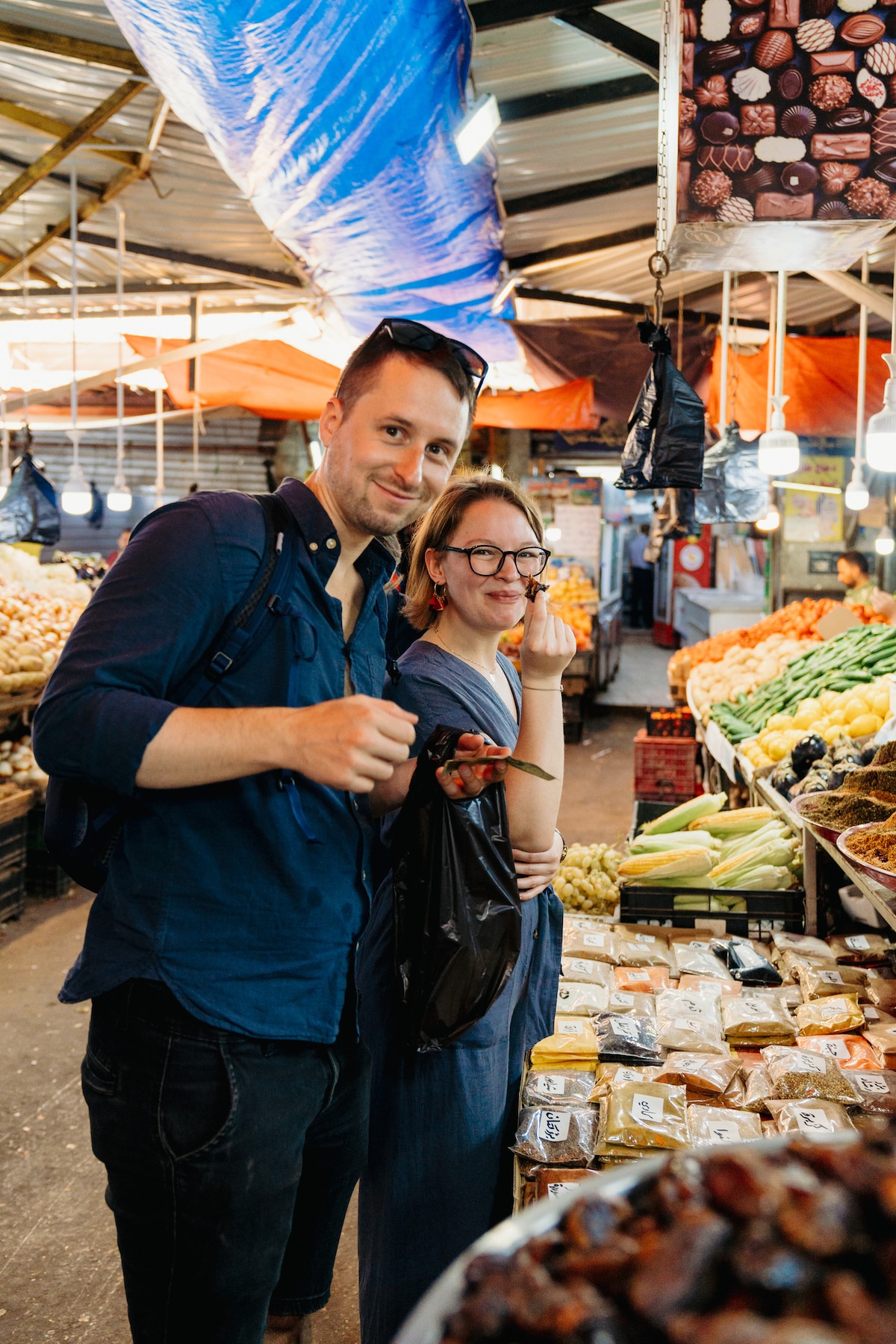
Eat like a local in Amman
Tue, Feb 24 • 7:30 PM
Amman, Amman Governorate 11110, Jordan
View details

Alternative Downtown Tour Ramadan version
Tue, Feb 24 • 2:00 PM
Amman, Amman Governorate -, Jordan
View details
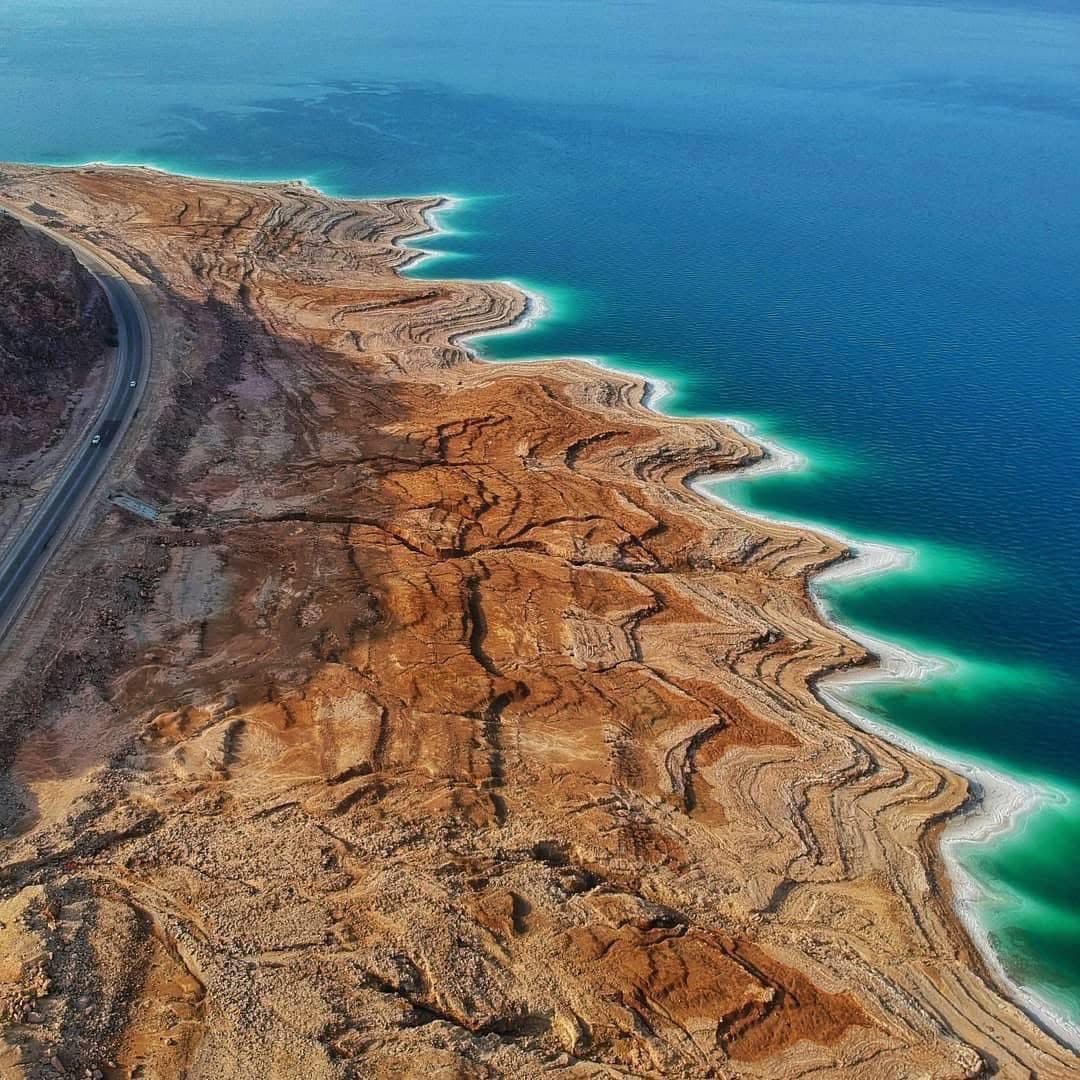
Day trip to Madaba, Mount Nebo and the Dead Sea
Tue, Feb 24 • 7:30 AM
Amman, Amman Governorate, Jordan
View details
Nearby attractions of Amman Citadel
Roman Temple of Hercules
The Hashemite Plaza
Roman Theater
Umayyad Palace
Byzantine Church
Grand Husseini Mosque
Hercules' Hand
Ayyubid Medieval Watchtower
Roman Nymphaeum
The Duke's Diwan
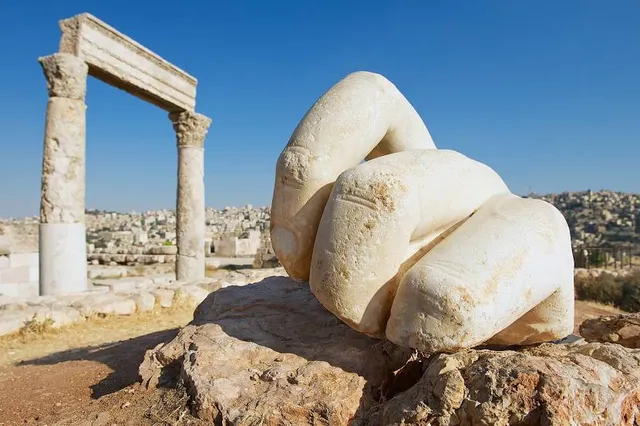
Roman Temple of Hercules
4.6
(1.2K)
Closed
Click for details
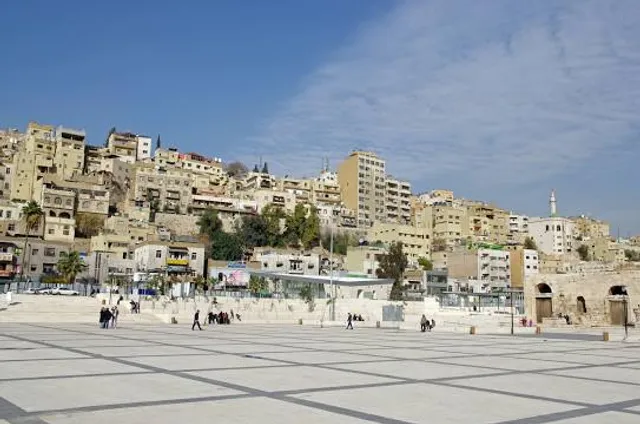
The Hashemite Plaza
4.3
(10.9K)
Closed
Click for details
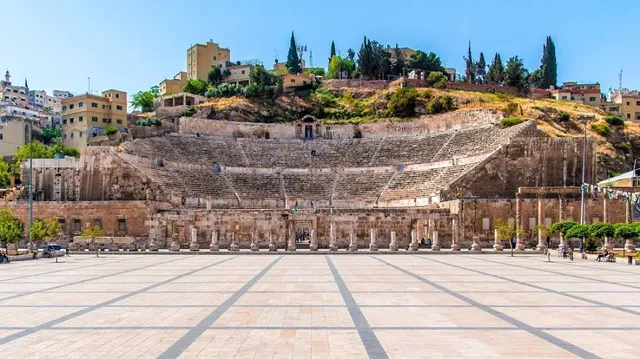
Roman Theater
4.5
(8.2K)
Open 24 hours
Click for details
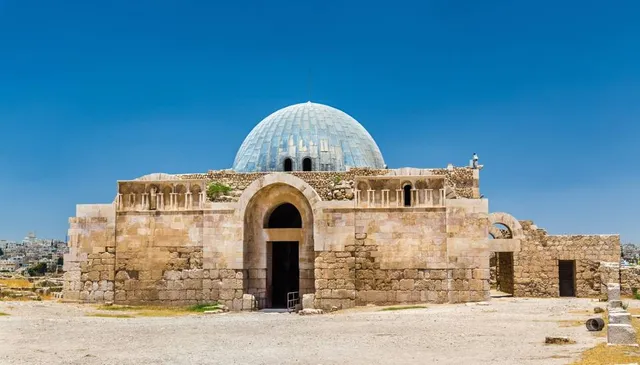
Umayyad Palace
4.5
(320)
Closed
Click for details
Nearby restaurants of Amman Citadel
Rouhi AlAqili Restaurant
Pasha Rooftop
AlQuds Restaurant
Hashem Restaurant
Chipsy Jo
Faisal Cafe - Restaurant
Shahrazad Restaurant
Almathaq Jo Restaurants
Ajwa'a Restaurant
Anwar Mecca Restaurant
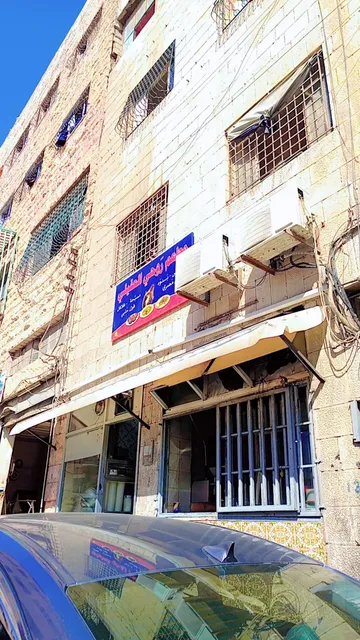
Rouhi AlAqili Restaurant
4.5
(796)
Closed
Click for details

Pasha Rooftop
4.5
(224)
Closed
Click for details
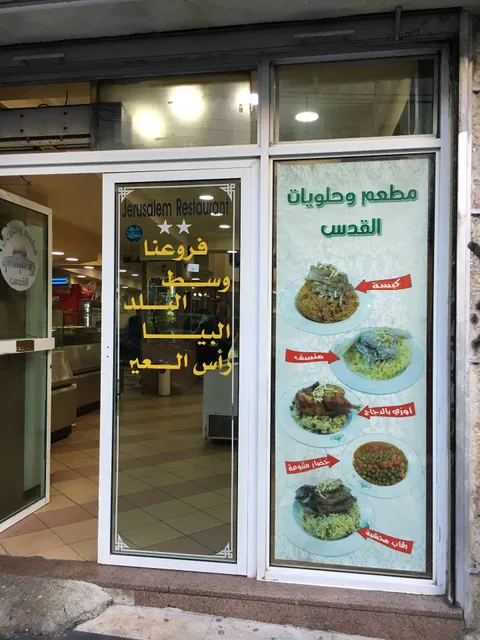
AlQuds Restaurant
3.9
(2.4K)
Closed
Click for details
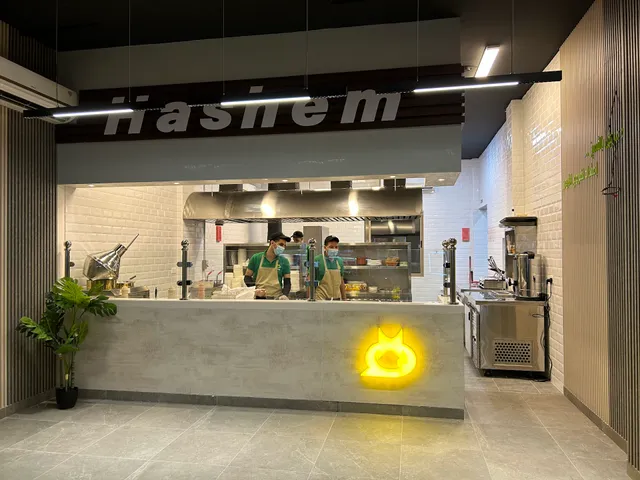
Hashem Restaurant
4.1
(9.3K)
Open until 12:00 AM
Click for details
Nearby local services of Amman Citadel
Jordan Archaeological Museum
Mirador of Roman Theatre
Souk Jara
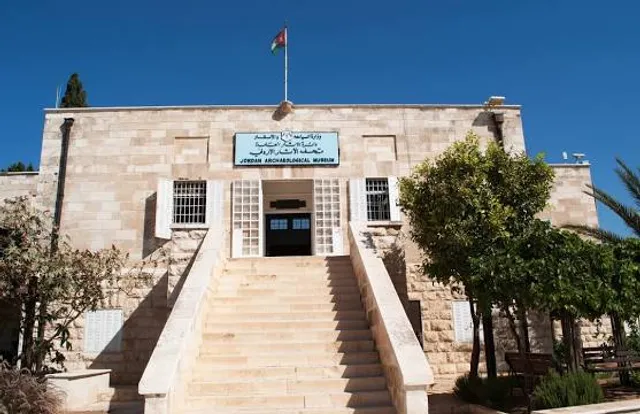
Jordan Archaeological Museum
4.4
(411)
Click for details
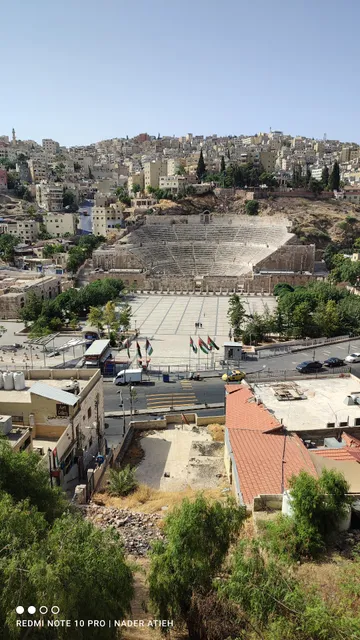
Mirador of Roman Theatre
4.4
(9)
Click for details
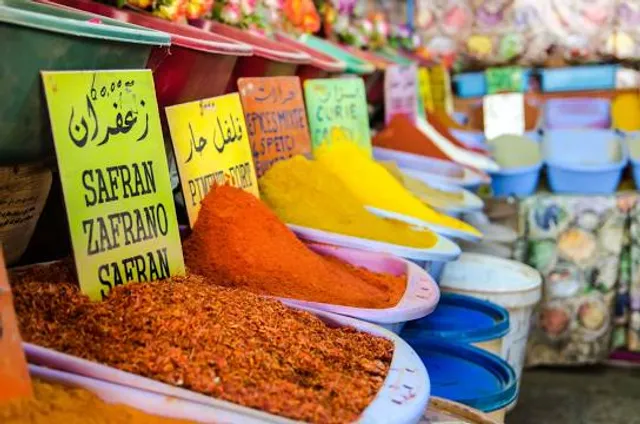
Souk Jara
4.3
(12)
Click for details