HTML SitemapExplore
logo
Find Things to DoFind The Best Restaurants

Temple of Artemis — Attraction in Jarash

Name
Temple of Artemis
Description
The Temple of Artemis or Artemision, also known as the Temple of Diana, was a Greek temple dedicated to an ancient, local form of the goddess Artemis. It was located in Ephesus. By 401 AD it had been ruined or destroyed. Only foundations and fragments of the last temple remain at the site.
Nearby attractions
Archaeological Site of Jerash
7VJR+GJ2, Jerash, Jordan
Nymphaeum
7VJR+6VP, Jerash, Jordan
The North Theater
166 32, Jerash, Jordan
Oval Plaza
20 47, Jerash, Jordan
Southern Theatre
7VGQ+MPC, Jerash, Jordan
Temple of Zeus
20 67, Jerash, Jordan
Propylaeum of the Sanctuary of Zeus
7VGR+R79, Jerash, Jordan
Hippodrome
20 72, Jerash, Jordan
Nearby restaurants
Nearby hotels
Hadrian's arch Hotel
شارع الميدان, Jerash 26110, Jordan
Full panorama archaeological site
ظهرالسرو, Jerash, Jordan
Celestia Boutique Inn
Queen Noor St 1-24, Jerash 00962, Jordan
Moon valley site jarash
yafa street, Jerash 26110, Jordan
Panorama Jerash HOTEL 2
ظهر السرو ، مقابل مدخل المدرج الجنوبي, Jerash 26110, Jordan
Huseein rooms
ظهر السرو, Jerash, Jordan
Dream House Hotel
الهاشمي, Jerash 26110, Jordan
Nature house apt
7VPM+39, Jerash, Jordan
Jerash Dibeen Eco Farm House
Opposite to Dibeen forest reserve جرش, Jordan
Related posts
Keywords
Temple of Artemis tourism.Temple of Artemis hotels.Temple of Artemis bed and breakfast. flights to Temple of Artemis.Temple of Artemis attractions.Temple of Artemis restaurants.Temple of Artemis travel.Temple of Artemis travel guide.Temple of Artemis travel blog.Temple of Artemis pictures.Temple of Artemis photos.Temple of Artemis travel tips.Temple of Artemis maps.Temple of Artemis things to do.
Temple of Artemis things to do, attractions, restaurants, events info and trip planning
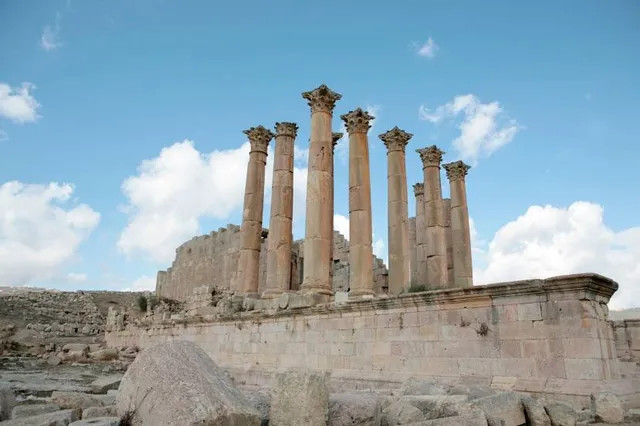
Temple of Artemis
JordanJarashTemple of Artemis

Basic Info

Temple of Artemis

7VJR+Q97, Jerash, Jordan
4.7(410)
Closed
Save
spot

Ratings & Description

Info

The Temple of Artemis or Artemision, also known as the Temple of Diana, was a Greek temple dedicated to an ancient, local form of the goddess Artemis. It was located in Ephesus. By 401 AD it had been ruined or destroyed. Only foundations and fragments of the last temple remain at the site.

Cultural
Outdoor
Scenic
attractions: Archaeological Site of Jerash, Nymphaeum, The North Theater, Oval Plaza, Southern Theatre, Temple of Zeus, Propylaeum of the Sanctuary of Zeus, Hippodrome, restaurants:
logoLearn more insights from Wanderboat AI.
Website
it.123rf.com
Open hoursSee all hours
Wed8 AM - 5 PMClosed

Plan your stay

hotel
Pet-friendly Hotels in Jarash
Find a cozy hotel nearby and make it a full experience.

hotel
Affordable Hotels in Jarash
Find a cozy hotel nearby and make it a full experience.

hotel
The Coolest Hotels You Haven't Heard Of (Yet)
Find a cozy hotel nearby and make it a full experience.

hotel
Trending Stays Worth the Hype in Jarash
Find a cozy hotel nearby and make it a full experience.

Reviews

Nearby attractions of Temple of Artemis

Archaeological Site of Jerash

Nymphaeum

The North Theater

Oval Plaza

Southern Theatre

Temple of Zeus

Propylaeum of the Sanctuary of Zeus

Hippodrome
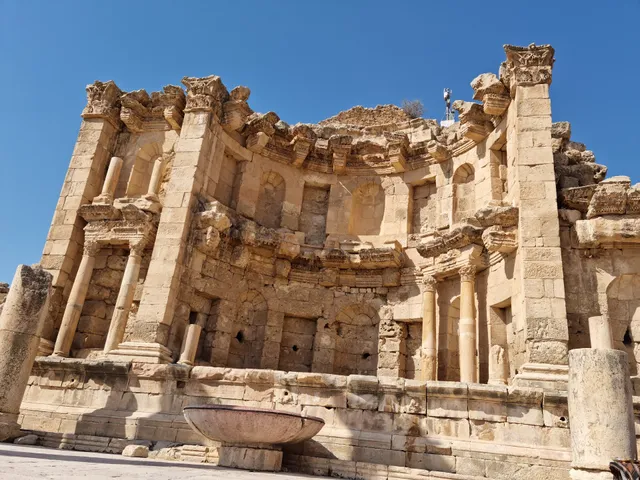
Archaeological Site of Jerash

Archaeological Site of Jerash

4.6

(8.2K)

Open 24 hours
Click for details
Nymphaeum

Nymphaeum

4.7

(204)

Open 24 hours
Click for details
The North Theater

The North Theater

4.8

(65)

Open 24 hours
Click for details
Oval Plaza

Oval Plaza

4.7

(614)

Closed
Click for details
Get the Appoverlay
Get the AppOne tap to find yournext favorite spots!
Wanderboat LogoWanderboat

Your everyday Al companion for getaway ideas

CompanyAbout Us
InformationAI Trip PlannerSitemap
SocialXInstagramTiktokLinkedin
LegalTerms of ServicePrivacy Policy

Get the app

© 2025 Wanderboat. All rights reserved.
logo

Reviews of Temple of Artemis

4.7
(410)
avatar
3.0
28w

Jerash – A Walk Through Ancient Rome in Jordan!

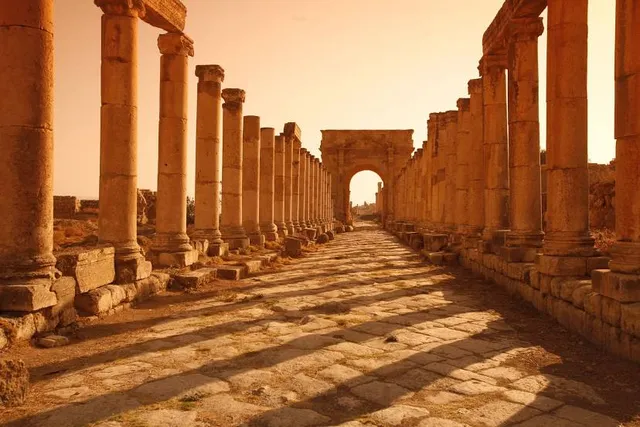
Jerash is honestly one of the coolest historical spots I’ve visited in Jordan. If you’re into Roman architecture, ancient history, or just love wandering through places that feel like time froze — this place is for you.

The entry fee is 10 JD, but if you have the Jordan Pass, it’s completely free (which is a big plus). I’d recommend visiting in spring or autumn — the weather’s way more comfortable, and you can actually enjoy walking around without the harsh sun. Try to go in the morning around 8 or 9 AM — it’s quiet, peaceful, and the lighting is great for photos too.

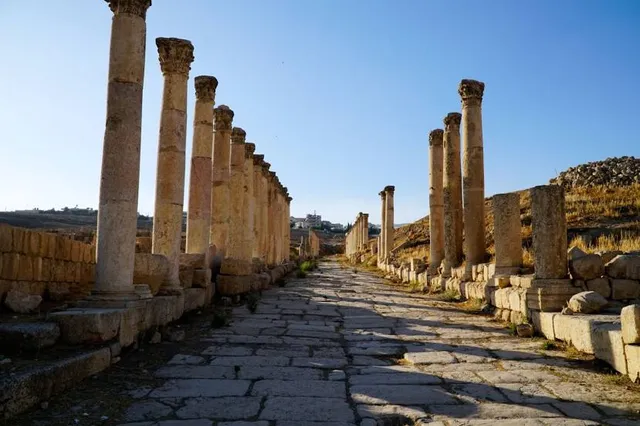
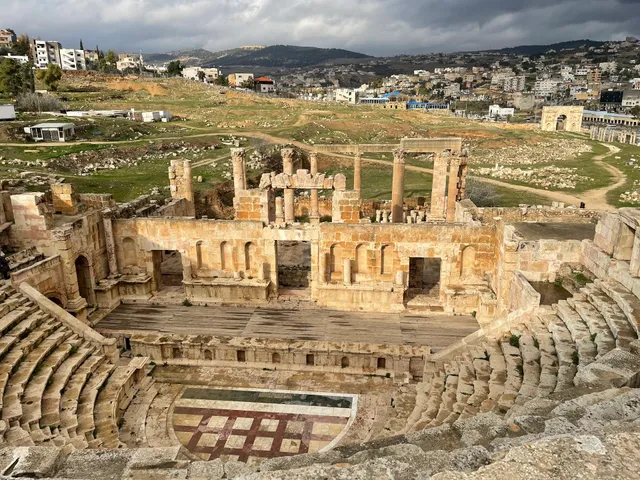
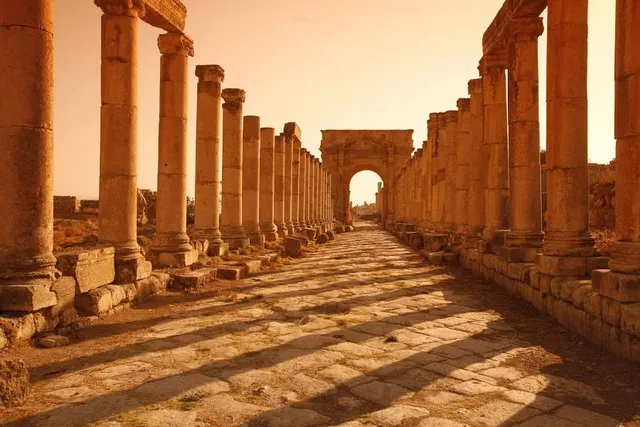
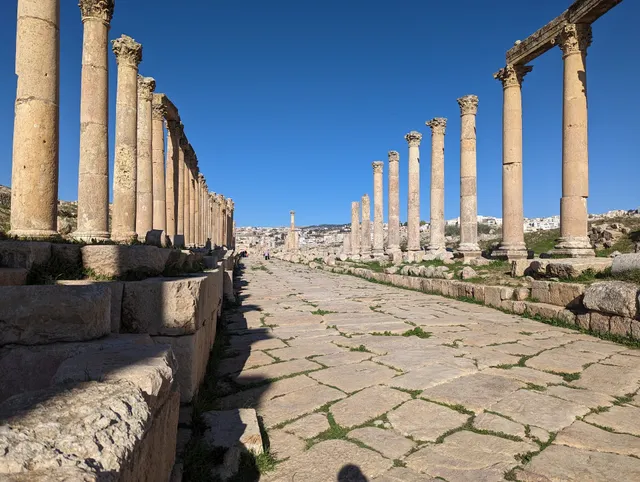
The place itself is massive and super well-preserved. You’ve got everything from colonnaded streets to amphitheaters, temples, and this huge oval-shaped forum that just blows your mind. Hard to believe this was a full-blown Roman city centuries ago — it was part of the Decapolis, and really boomed between the 1st and 3rd centuries AD.

Give yourself at least 2-3 hours to explore at a relaxed pace. There are guides around if you want one, or you can just walk around and take it all in.

One tip: wear good walking shoes — the stones are uneven, and it’s a big site. Totally worth every step though.

Jerash was one of those places that surprised me — didn’t expect to love it as much as I did. It’s like stepping into a slice of Rome, right in the...

   Read more
avatar
4.0
6y

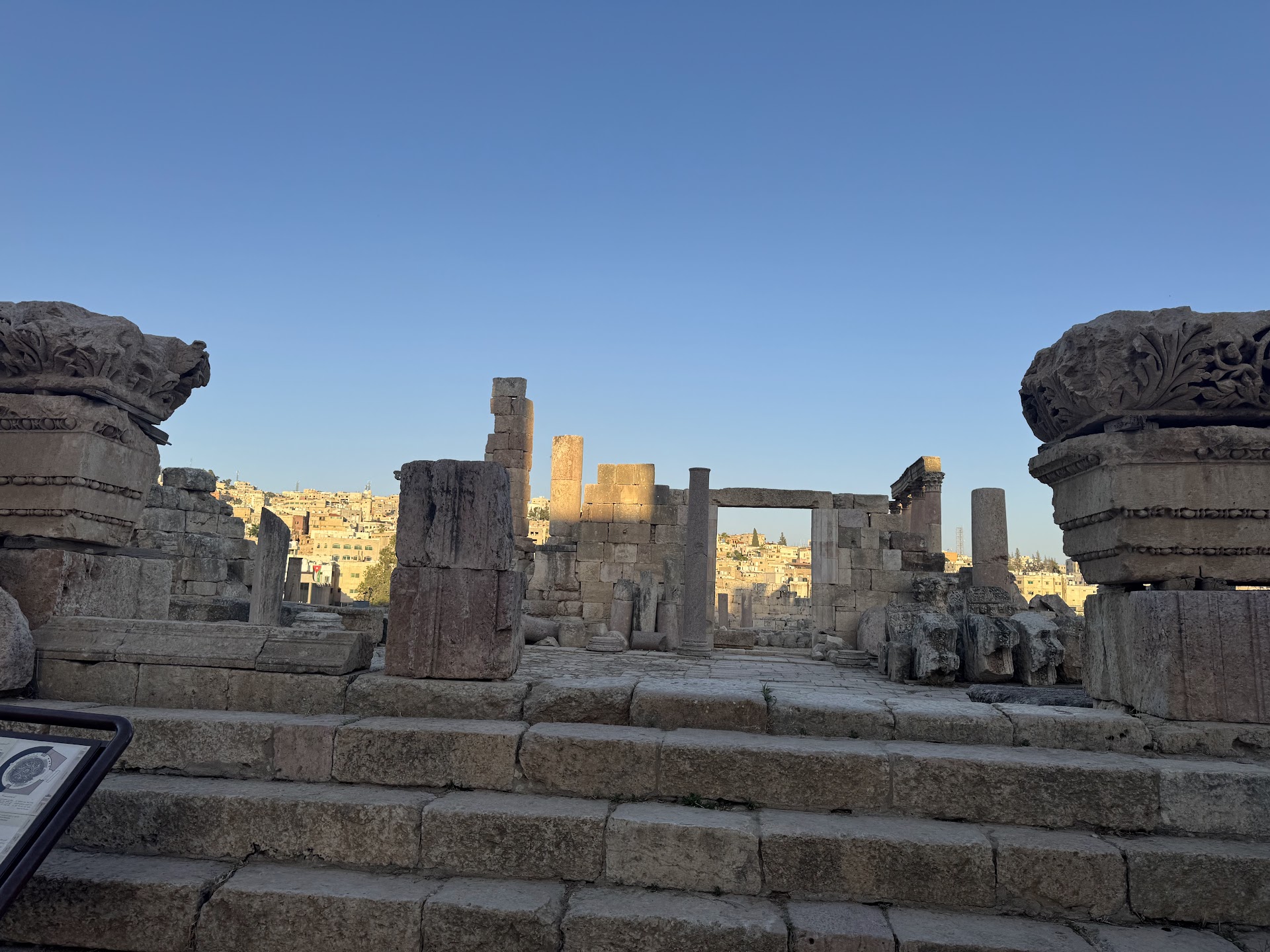
Temple of Artemis. Whenever visiting any place of attraction, I read the information boards installed by tourism / archaeological authorities, giving information about function, purpose and other details about that place. I have found that this not only adds to your knowledge but also adds to your enjoyment as you understand many things about the site you are seeing. At Temple of Artemis also, I made it a point to photograph and read the boards. This is what I learned about the Temple of Artemis. "The temple was built as a shrine to Artemis, who was patron Goddess of Gerasa. It lies inside large courtyard of the sanctuary. Construction of the temple began in 2nd centaury AD, however it was never finished and only 12 columns out of planned 32 were erected. The temple sits on extensive system of underground vaults, the exact purpose if which is not known. At the back is an Adytum, or an inner shrine where only the roman priests would be permitted. It comprises a niche for a deity and two side chambers. One of the chambers has staircase leading down to the vault. While the second has a staircase leading up to the roof, indicating that there may have been an altar at the top. The temple was used in later times as well, possibly as a church in Byzantine era, by potters during Umayyad times, and in 12th century as fort by...

   Read more
avatar
5.0
6y

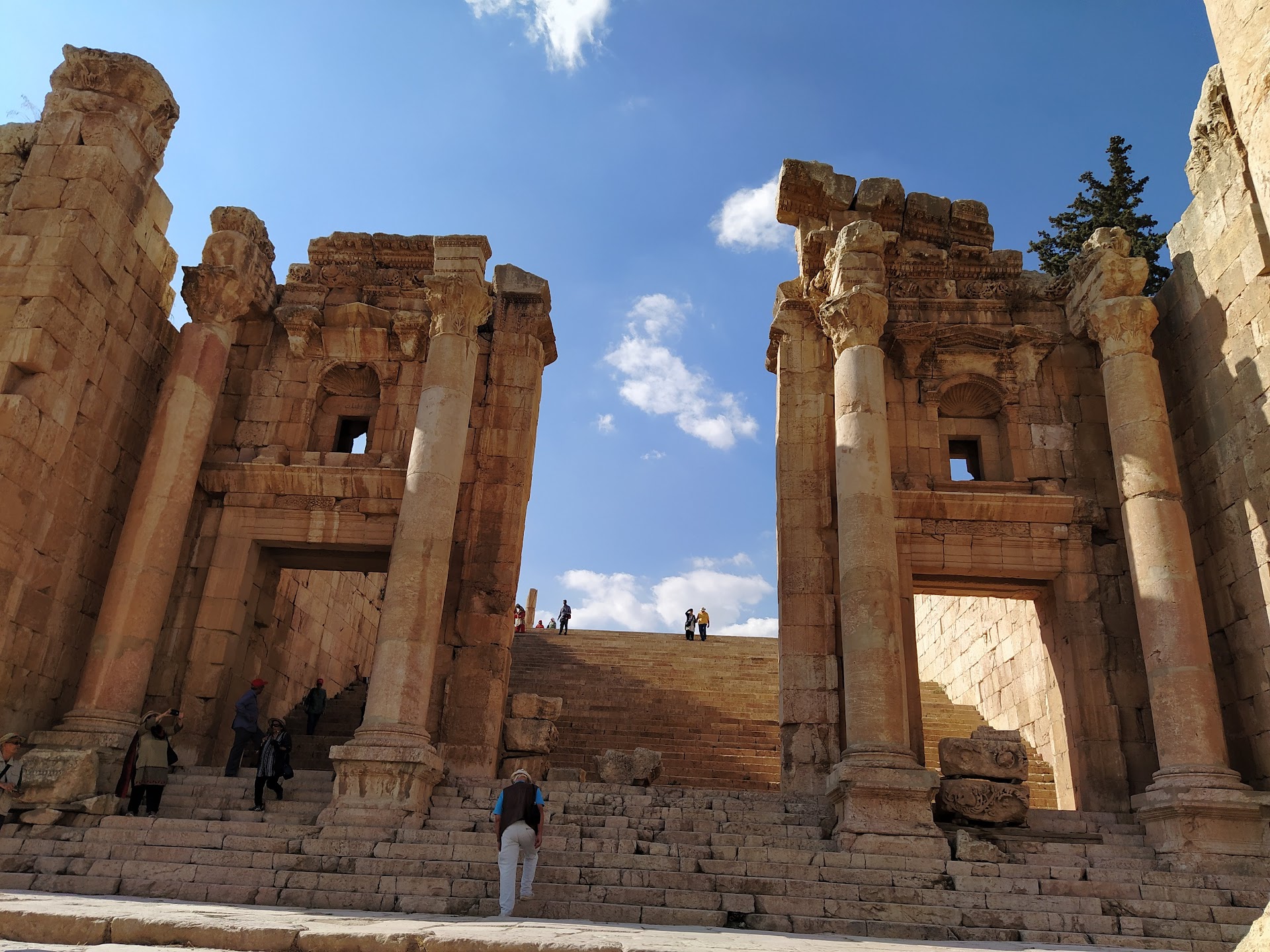
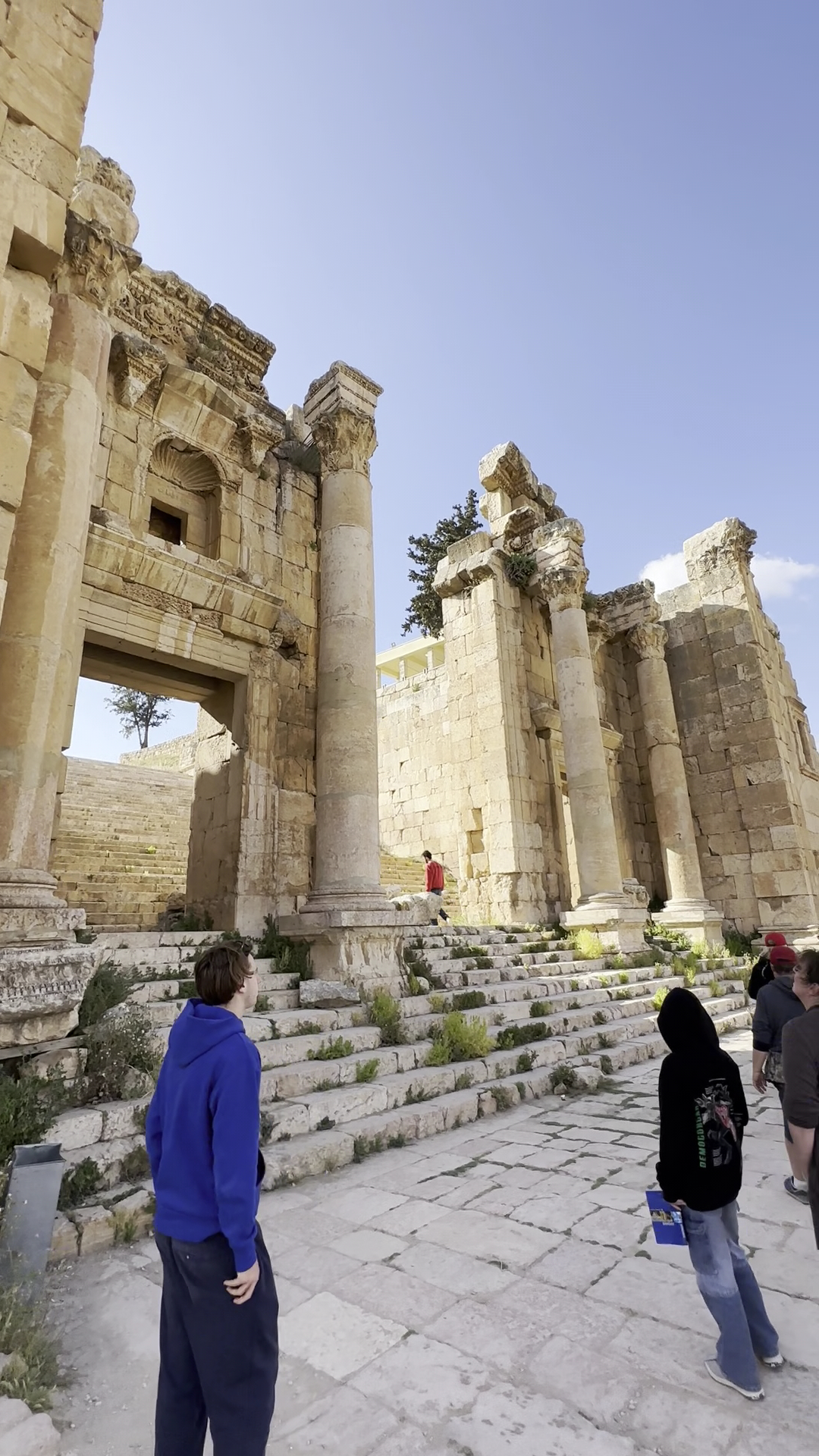
لى الغرب من هذا الجسر يبدأ درج تذكاري يوصل إلى بوابه ثلاثية تفتح على مستطيل طويل معمد أو شارع بطول 38 م عرض 11م بقي من أعمدتها الجنوبية سبعة أعمدة لا تزال واقفة حتى الوقت الحاضر، وينتهي هذا المستطيل في الغرب بدرج بسيط للدخول إلى ساحة فريدة على شكل فراشة بعرض 11 م من الشرق و 19 م من الغرب وتفتح من الغرب باتجاه شارع الكاردو. وكانت هذه الساحة تحتوي على نوافير أما في الوسط فهي معمده، والجزء الأوسط من جداريها الشمالي والجنوبي يحتوي على حنية نصف دائرية في كل منهما ويحفها عمودان. هذا البناء الأصلي والذي يعود بتاريخه إلى القرن الثاني الميلادي حول في العصر البيزنطي إلى كنيسة تسمى كنيسة المدخل Propylaeum Church لأنها تقع في مدخل المعبد ، Propylaeuمن ساحة المدخل يعبر الطريق المقدس شارع الكاردو. خمس درجات توصل من أعلى الكاردو في الغرب إلى الأعمدة الأربعة الكورنثية الضخمة التي تؤشر على واجهه مدخل المعبد، تبلغ قياسات هذه الأعمدة 16 م ارتفاعاً وبقطر 1.4 م وعلى كل جانب من هذه الأعمدة يوجد 13 عمود اصغر لتؤشر على طول مبني المعبد 120 م يحيط ببوابه المعبد من كل جانب سبعة دكاكين بطابقين. بعد تجاوز الأعمدة الكورنثية الأربعة الضخمة نصل إلى ممر مسقوف 19.5* 14.8 م، ثم بواسطة درج من عشرة درجات نصل إلى مدخل البوابة الثلاثية التذكارية والتي بنيت بسمك حوالي مترين وبمدخل أوسط بعرض 5 م وارتفاع حوالي 9 م وبمدخلين جانبيين يعلو كل منهما كوة. والجزء العلوي من البوابة مزخرف بمنحوتات نباتية . بعد دخول البوابة يبدأ الصعود من خلال درج تذكاري يحتوي على سبع طبقات من الدرجات في كل طبقة سبع درجات بعرض 19م ومغلق من الجانبين بجدار، بعد ذلك نصل إلى الساحة الأولى التي تحتوي في منتصفها على مذبح، وربما كانت محاطة بالأعمدة ثم يصعد من هذه الساحة عن طريق درج ضخم بعرض 105م بثلاث مستويات من الدرجات للوصول إلى ساحة معبد ارتميس المقدسة التي تحيط بالمعبد والتي تحيط بها الأعمدة الكورنثية على صفين وتبلغ مساحتها 161*121م، تبلغ عدد الأعمدة في الجهتين الشمالية والجنوبية لكل واحدة منهما 36 عموداً وفي كل من الجانبي الآخرين 26 عموداً. على بعد حوالي 20 م أمام المعبد توجد بقايا مباني ، جزء منها عبارة عن أساسات المذبح الذي يعود في تاريخه إلى القرن الثاني الميلادي أما باقي المباني فهي إضافات متأخرة لمشاغل صناعة الفخار في العصرين البيزنطي والأموي . للمعبد أدراج تصعد إليه، وهو مبنى على مصطبة بعرض 22.6 م وبطول 40 م، وجدرانه الجانبية تبرز إلى الأمام 13.75 باتجاه الشرق لتحيط بالدرج المركزي الذي يوصل إلى المعبد والذي كان يتكون من طبقتي أو ثلاث طبقات من الدرجات ويقع مكان الدرج الحديث الذي وضع لمرور الزوار. الجدران التأسيسية في المعبد مختلفة السماكة من 2.4 -7 م ، وتحتوي على غرف ذات عقود برميلية وممرات يمكن الوصول إليها من خلال أبواب داخلية في المنطقة الجنوبية والشمالية الشرقية من المعبد. ويمكن مشاهدة هذه العقود من خلال حفرة في الأرضية، وهذه الغرف والممرات ربما استخدمت كمخازن للمعبد. الجانبين الشمالي والجنوبي للمعبد يحتويان على 11 عموداً بارتفاع 13 م لكل عمود في كل جانب وفي كل من الجانبين الشرقي والغربي 6 أعمدة والمدخل المسقوف للمعبد من الشرق يحتوي على ثلاثة صفوف من الأعمدة بسمك 1.5م لكل عمود. ومن هذا المدخل المسقوف نصل إلى غرفة قدس الأقداس Cella، ومدخل المعبد بعرض 5 م وارتفاع 9 م يحف به كوتان. تبلغ قياسات الغرفة المقدسة 13.37 24.15 م وهي مزخرفة من الداخل بالكوات، وكانت الجدران مغطاة بالألواح الرخامية والتي لا تزال ثقوب التعليق الخاصة بها موجودة على الواجهة. في منتصف الغرفة المقدسة تقريباً توجد درجتان تصعدان إلى مستوى جديد يرتفع حوالي نصف متر ليبدأ من هنالك درج صغير يوصل إلى كوة كبيرة 42 م في الجدار الغربي على ارتفاع حوالي 2 م عن ارضية الغرفة تواجه الداخل إلى الغرفة، وكانت تحتوي على تمثال الإلهة ارتميس إلهة المدينة، ويعلو الكوة قوسان فوق بعضهما بعضاً وبينهما مسافة، ويحف بالكوة بابان صغيران. يؤرخ المعبد إلى القرن الثاني الميلادي، وتوجد شواهد معمارية على أن المعبد لم يكتمل بناؤ بشكل كامل ولم يستخدم. أعيد استخدام المعبد في العصر البيزنطي وكذلك الأموي، واستخدم كقلعة في العصر الأيوبي دمرت من قبل الصليبين في القرن الثاني...

   Read more
Page 1 of 7
Previous
Next

Posts

SONICK THUKKANISONICK THUKKANI
Jerash – A Walk Through Ancient Rome in Jordan! Jerash is honestly one of the coolest historical spots I’ve visited in Jordan. If you’re into Roman architecture, ancient history, or just love wandering through places that feel like time froze — this place is for you. The entry fee is 10 JD, but if you have the Jordan Pass, it’s completely free (which is a big plus). I’d recommend visiting in spring or autumn — the weather’s way more comfortable, and you can actually enjoy walking around without the harsh sun. Try to go in the morning around 8 or 9 AM — it’s quiet, peaceful, and the lighting is great for photos too. The place itself is massive and super well-preserved. You’ve got everything from colonnaded streets to amphitheaters, temples, and this huge oval-shaped forum that just blows your mind. Hard to believe this was a full-blown Roman city centuries ago — it was part of the Decapolis, and really boomed between the 1st and 3rd centuries AD. Give yourself at least 2-3 hours to explore at a relaxed pace. There are guides around if you want one, or you can just walk around and take it all in. One tip: wear good walking shoes — the stones are uneven, and it’s a big site. Totally worth every step though. Jerash was one of those places that surprised me — didn’t expect to love it as much as I did. It’s like stepping into a slice of Rome, right in the middle of Jordan.
PM VelankarPM Velankar
Temple of Artemis. Whenever visiting any place of attraction, I read the information boards installed by tourism / archaeological authorities, giving information about function, purpose and other details about that place. I have found that this not only adds to your knowledge but also adds to your enjoyment as you understand many things about the site you are seeing. At Temple of Artemis also, I made it a point to photograph and read the boards. This is what I learned about the Temple of Artemis. "The temple was built as a shrine to Artemis, who was patron Goddess of Gerasa. It lies inside large courtyard of the sanctuary. Construction of the temple began in 2nd centaury AD, however it was never finished and only 12 columns out of planned 32 were erected. The temple sits on extensive system of underground vaults, the exact purpose if which is not known. At the back is an Adytum, or an inner shrine where only the roman priests would be permitted. It comprises a niche for a deity and two side chambers. One of the chambers has staircase leading down to the vault. While the second has a staircase leading up to the roof, indicating that there may have been an altar at the top. The temple was used in later times as well, possibly as a church in Byzantine era, by potters during Umayyad times, and in 12th century as fort by the Crusaders."
Suliman Al. HuwariSuliman Al. Huwari
كان معبد أرتميس في جرش معبدًا رومانيًا في الأردن.[1] تم بناء المعبد على واحدة من أعلى النقاط وسيطر على المدينة بأكملها. لا تزال أنقاض المعبد واحدة من المعالم الأثرية الأكثر شهرة في مدينة جراسا القديمة (جرش). كان أرتميس آلهة راعي المدينة وكان يحظى بتقدير كبير من قبل السكان الهلنستيين في جيراسا، في حين فضل الجزء السامي من السكان زيوس. تم الانتهاء من بناء المعبد في عام 150 م، في عهد الإمبراطور أنطونيوس بيوس. كان للمبنى رواق سداسي مع اثني عشر عمودًا، لا يزال أحد عشر منها قائمًا. يتم الاحتفاظ بشكل جيد بتزيين الأعمدة. كان لجدران المعبد ثلاثة مداخل مزينة بثلاثة أعمدة كورنثية. من المفترض أن معبد أرتميس كان أجمل وأهم المعابد في جيراسا القديمة، التي تحتوي على ألواح رخامية راقية وصنم عبادة غني داخل سيلا. إذا كان لا يزال قيد الاستخدام بحلول القرن الرابع، كان المعبد قد أغلق أثناء اضطهاد الوثنيين في أواخر الإمبراطورية الرومانية. في أوائل القرن الثاني عشر، تم تحويل المعبد إلى قلعة من قبل حامية متمركزة في المنطقة من قبل ظاهر الدين طغتكين، عندما استولى بلدوين الثاني ملك القدس على القلعة وحرقها في عام 1121-1122 م. لا تزال الوجوه الداخلية لجدران المعبد تظهر بوضوح تأثير الحريق الكبير. تم التنقيب عن المعبد إلى جانب الآثار الأخرى في منطقة جيراسا، بواسطة كلارنس ستانلي فيشر وبعثته في الثلاثينيات. كان معبد أرتميس في جرش معبدًا رومانيًا في الأردن.[1] تم بناء المعبد على واحدة من أعلى النقاط وسيطر على المدينة بأكملها. لا تزال أنقاض المعبد واحدة من المعالم الأثرية الأكثر شهرة في مدينة جراسا القديمة (جرش). كان أرتميس آلهة راعي المدينة وكان يحظى بتقدير كبير من قبل السكان الهلنستيين في جيراسا، في حين فضل الجزء السامي من السكان زيوس. تم الانتهاء من بناء المعبد في عام 150 م، في عهد الإمبراطور أنطونيوس بيوس. كان للمبنى رواق سداسي مع اثني عشر عمودًا، لا يزال أحد عشر منها قائمًا. يتم الاحتفاظ بشكل جيد بتزيين الأعمدة. كان لجدران المعبد ثلاثة مداخل مزينة بثلاثة أعمدة كورنثية. من المفترض أن معبد أرتميس كان أجمل وأهم المعابد في جيراسا القديمة، التي تحتوي على ألواح رخامية راقية وصنم عبادة غني داخل سيلا. إذا كان لا يزال قيد الاستخدام بحلول القرن الرابع، كان المعبد قد أغلق أثناء اضطهاد الوثنيين في أواخر الإمبراطورية الرومانية. في أوائل القرن الثاني عشر، تم تحويل المعبد إلى قلعة من قبل حامية متمركزة في المنطقة من قبل ظاهر الدين طغتكين، عندما استولى بلدوين الثاني ملك القدس على القلعة وحرقها في عام 1121-1122 م. لا تزال الوجوه الداخلية لجدران المعبد تظهر بوضوح تأثير الحريق الكبير. تم التنقيب عن المعبد إلى جانب الآثار الأخرى في منطقة جيراسا، بواسطة كلارنس ستانلي فيشر وبعثته في الثلاثينيات. كان معبد أرتميس في جرش معبدًا رومانيًا في الأردن.[1] تم بناء المعبد على واحدة من أعلى النقاط وسيطر على المدينة بأكملها. لا تزال أنقاض المعبد واحدة من المعالم الأثرية الأكثر شهرة في مدينة جراسا القديمة (جرش). كان أرتميس آلهة راعي المدينة وكان يحظى بتقدير كبير من قبل السكان الهلنستيين في جيراسا، في حين فضل الجزء السامي من السكان زيوس. تم الانتهاء من بناء المعبد في عام 150 م، في عهد الإمبراطور أنطونيوس بيوس. كان للمبنى رواق سداسي مع اثني عشر عمودًا، لا يزال أحد عشر منها قائمًا. يتم الاحتفاظ بشكل جيد بتزيين الأعمدة. كان لجدران المعبد ثلاثة مداخل مزينة بثلاثة أعمدة كورنثية. من المفترض أن معبد أرتميس كان أجمل وأهم المعابد في جيراسا القديمة، التي تحتوي على ألواح رخامية راقية وصنم عبادة غني داخل سيلا. إذا كان لا يزال قيد الاستخدام بحلول القرن الرابع، كان المعبد قد أغلق أثناء اضطهاد الوثنيين في أواخر الإمبراطورية الرومانية. في أوائل القرن الثاني عشر، تم تحويل المعبد إلى قلعة من قبل حامية متمركزة في المنطقة من قبل ظاهر الدين طغتكين، عندما استولى بلدوين الثاني ملك القدس على القلعة وحرقها في عام 1121-1122 م. لا تزال الوجوه الداخلية لجدران المعبد تظهر بوضوح تأثير الحريق الكبير. تم التنقيب عن المعبد إلى جانب الآثار الأخرى في منطقة جيراسا، بواسطة كلارنس ستانلي فيشر وبعثته في الثلاثينيات.
See more posts
See more posts
hotel
Find your stay

Pet-friendly Hotels in Jarash

Find a cozy hotel nearby and make it a full experience.

Jerash – A Walk Through Ancient Rome in Jordan! Jerash is honestly one of the coolest historical spots I’ve visited in Jordan. If you’re into Roman architecture, ancient history, or just love wandering through places that feel like time froze — this place is for you. The entry fee is 10 JD, but if you have the Jordan Pass, it’s completely free (which is a big plus). I’d recommend visiting in spring or autumn — the weather’s way more comfortable, and you can actually enjoy walking around without the harsh sun. Try to go in the morning around 8 or 9 AM — it’s quiet, peaceful, and the lighting is great for photos too. The place itself is massive and super well-preserved. You’ve got everything from colonnaded streets to amphitheaters, temples, and this huge oval-shaped forum that just blows your mind. Hard to believe this was a full-blown Roman city centuries ago — it was part of the Decapolis, and really boomed between the 1st and 3rd centuries AD. Give yourself at least 2-3 hours to explore at a relaxed pace. There are guides around if you want one, or you can just walk around and take it all in. One tip: wear good walking shoes — the stones are uneven, and it’s a big site. Totally worth every step though. Jerash was one of those places that surprised me — didn’t expect to love it as much as I did. It’s like stepping into a slice of Rome, right in the middle of Jordan.
SONICK THUKKANI

SONICK THUKKANI

hotel
Find your stay

Affordable Hotels in Jarash

Find a cozy hotel nearby and make it a full experience.

Get the Appoverlay
Get the AppOne tap to find yournext favorite spots!
Temple of Artemis. Whenever visiting any place of attraction, I read the information boards installed by tourism / archaeological authorities, giving information about function, purpose and other details about that place. I have found that this not only adds to your knowledge but also adds to your enjoyment as you understand many things about the site you are seeing. At Temple of Artemis also, I made it a point to photograph and read the boards. This is what I learned about the Temple of Artemis. "The temple was built as a shrine to Artemis, who was patron Goddess of Gerasa. It lies inside large courtyard of the sanctuary. Construction of the temple began in 2nd centaury AD, however it was never finished and only 12 columns out of planned 32 were erected. The temple sits on extensive system of underground vaults, the exact purpose if which is not known. At the back is an Adytum, or an inner shrine where only the roman priests would be permitted. It comprises a niche for a deity and two side chambers. One of the chambers has staircase leading down to the vault. While the second has a staircase leading up to the roof, indicating that there may have been an altar at the top. The temple was used in later times as well, possibly as a church in Byzantine era, by potters during Umayyad times, and in 12th century as fort by the Crusaders."
PM Velankar

PM Velankar

hotel
Find your stay

The Coolest Hotels You Haven't Heard Of (Yet)

Find a cozy hotel nearby and make it a full experience.

hotel
Find your stay

Trending Stays Worth the Hype in Jarash

Find a cozy hotel nearby and make it a full experience.

كان معبد أرتميس في جرش معبدًا رومانيًا في الأردن.[1] تم بناء المعبد على واحدة من أعلى النقاط وسيطر على المدينة بأكملها. لا تزال أنقاض المعبد واحدة من المعالم الأثرية الأكثر شهرة في مدينة جراسا القديمة (جرش). كان أرتميس آلهة راعي المدينة وكان يحظى بتقدير كبير من قبل السكان الهلنستيين في جيراسا، في حين فضل الجزء السامي من السكان زيوس. تم الانتهاء من بناء المعبد في عام 150 م، في عهد الإمبراطور أنطونيوس بيوس. كان للمبنى رواق سداسي مع اثني عشر عمودًا، لا يزال أحد عشر منها قائمًا. يتم الاحتفاظ بشكل جيد بتزيين الأعمدة. كان لجدران المعبد ثلاثة مداخل مزينة بثلاثة أعمدة كورنثية. من المفترض أن معبد أرتميس كان أجمل وأهم المعابد في جيراسا القديمة، التي تحتوي على ألواح رخامية راقية وصنم عبادة غني داخل سيلا. إذا كان لا يزال قيد الاستخدام بحلول القرن الرابع، كان المعبد قد أغلق أثناء اضطهاد الوثنيين في أواخر الإمبراطورية الرومانية. في أوائل القرن الثاني عشر، تم تحويل المعبد إلى قلعة من قبل حامية متمركزة في المنطقة من قبل ظاهر الدين طغتكين، عندما استولى بلدوين الثاني ملك القدس على القلعة وحرقها في عام 1121-1122 م. لا تزال الوجوه الداخلية لجدران المعبد تظهر بوضوح تأثير الحريق الكبير. تم التنقيب عن المعبد إلى جانب الآثار الأخرى في منطقة جيراسا، بواسطة كلارنس ستانلي فيشر وبعثته في الثلاثينيات. كان معبد أرتميس في جرش معبدًا رومانيًا في الأردن.[1] تم بناء المعبد على واحدة من أعلى النقاط وسيطر على المدينة بأكملها. لا تزال أنقاض المعبد واحدة من المعالم الأثرية الأكثر شهرة في مدينة جراسا القديمة (جرش). كان أرتميس آلهة راعي المدينة وكان يحظى بتقدير كبير من قبل السكان الهلنستيين في جيراسا، في حين فضل الجزء السامي من السكان زيوس. تم الانتهاء من بناء المعبد في عام 150 م، في عهد الإمبراطور أنطونيوس بيوس. كان للمبنى رواق سداسي مع اثني عشر عمودًا، لا يزال أحد عشر منها قائمًا. يتم الاحتفاظ بشكل جيد بتزيين الأعمدة. كان لجدران المعبد ثلاثة مداخل مزينة بثلاثة أعمدة كورنثية. من المفترض أن معبد أرتميس كان أجمل وأهم المعابد في جيراسا القديمة، التي تحتوي على ألواح رخامية راقية وصنم عبادة غني داخل سيلا. إذا كان لا يزال قيد الاستخدام بحلول القرن الرابع، كان المعبد قد أغلق أثناء اضطهاد الوثنيين في أواخر الإمبراطورية الرومانية. في أوائل القرن الثاني عشر، تم تحويل المعبد إلى قلعة من قبل حامية متمركزة في المنطقة من قبل ظاهر الدين طغتكين، عندما استولى بلدوين الثاني ملك القدس على القلعة وحرقها في عام 1121-1122 م. لا تزال الوجوه الداخلية لجدران المعبد تظهر بوضوح تأثير الحريق الكبير. تم التنقيب عن المعبد إلى جانب الآثار الأخرى في منطقة جيراسا، بواسطة كلارنس ستانلي فيشر وبعثته في الثلاثينيات. كان معبد أرتميس في جرش معبدًا رومانيًا في الأردن.[1] تم بناء المعبد على واحدة من أعلى النقاط وسيطر على المدينة بأكملها. لا تزال أنقاض المعبد واحدة من المعالم الأثرية الأكثر شهرة في مدينة جراسا القديمة (جرش). كان أرتميس آلهة راعي المدينة وكان يحظى بتقدير كبير من قبل السكان الهلنستيين في جيراسا، في حين فضل الجزء السامي من السكان زيوس. تم الانتهاء من بناء المعبد في عام 150 م، في عهد الإمبراطور أنطونيوس بيوس. كان للمبنى رواق سداسي مع اثني عشر عمودًا، لا يزال أحد عشر منها قائمًا. يتم الاحتفاظ بشكل جيد بتزيين الأعمدة. كان لجدران المعبد ثلاثة مداخل مزينة بثلاثة أعمدة كورنثية. من المفترض أن معبد أرتميس كان أجمل وأهم المعابد في جيراسا القديمة، التي تحتوي على ألواح رخامية راقية وصنم عبادة غني داخل سيلا. إذا كان لا يزال قيد الاستخدام بحلول القرن الرابع، كان المعبد قد أغلق أثناء اضطهاد الوثنيين في أواخر الإمبراطورية الرومانية. في أوائل القرن الثاني عشر، تم تحويل المعبد إلى قلعة من قبل حامية متمركزة في المنطقة من قبل ظاهر الدين طغتكين، عندما استولى بلدوين الثاني ملك القدس على القلعة وحرقها في عام 1121-1122 م. لا تزال الوجوه الداخلية لجدران المعبد تظهر بوضوح تأثير الحريق الكبير. تم التنقيب عن المعبد إلى جانب الآثار الأخرى في منطقة جيراسا، بواسطة كلارنس ستانلي فيشر وبعثته في الثلاثينيات.
Suliman Al. Huwari

Suliman Al. Huwari

See more posts
See more posts