Nymphaeum things to do, attractions, restaurants, events info and trip planning
Basic Info
Nymphaeum
7VJR+6VP, Jerash, Jordan
4.7(196)
Closed
Save
spot
spot
Ratings & Description
Info
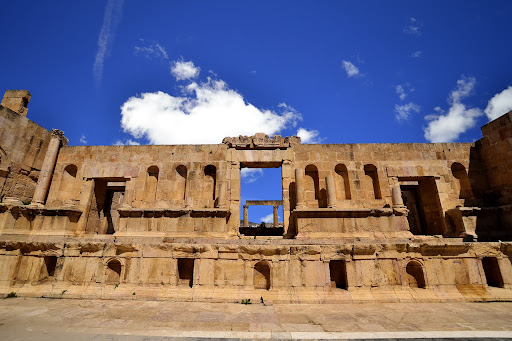
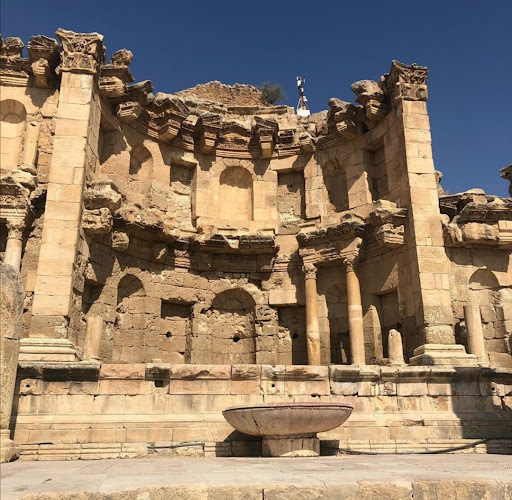
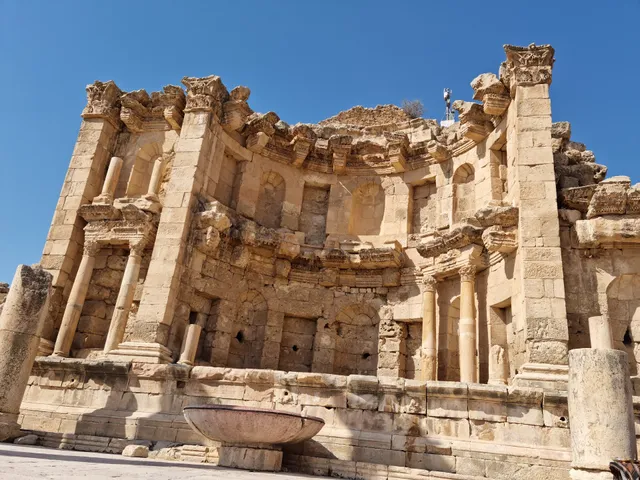
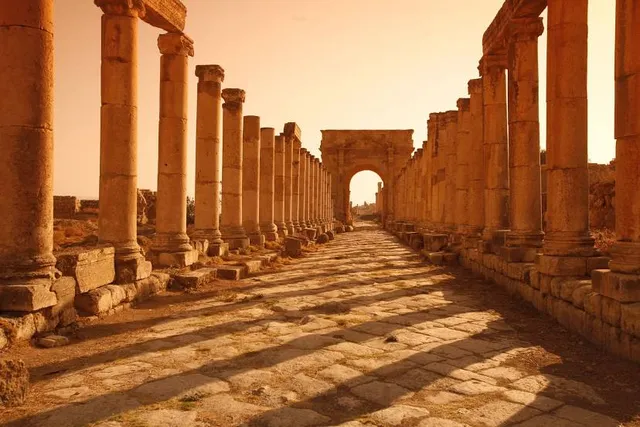
A nymphaeum or nymphaion, in ancient Greece and Rome, was a monument consecrated to the nymphs, especially those of springs. These monuments were originally natural grottoes, which tradition assigned as habitations to the local nymphs.
Cultural
Scenic
Family friendly
attractions: Archaeological Site of Jerash, Temple of Artemis, Oval Plaza, The North Theater, Southern Theatre, Temple of Zeus, Propylaeum of the Sanctuary of Zeus, Hippodrome, Arch of Hadrian, Jerash Ancient City Ruins, restaurants: , local businesses: Jerash Archaeological Museum, The Archaeological Site of Jerash
 Learn more insights from Wanderboat AI.
Website
saaih.com
Open hoursSee all hours
Thu8 AM - 5 PMClosed
Plan your stay

Pet-friendly Hotels in Jarash
Find a cozy hotel nearby and make it a full experience.

Affordable Hotels in Jarash
Find a cozy hotel nearby and make it a full experience.

The Coolest Hotels You Haven't Heard Of (Yet)
Find a cozy hotel nearby and make it a full experience.

Trending Stays Worth the Hype in Jarash
Find a cozy hotel nearby and make it a full experience.
Reviews
Nearby attractions of Nymphaeum
Archaeological Site of Jerash
Temple of Artemis
Oval Plaza
The North Theater
Southern Theatre
Temple of Zeus
Propylaeum of the Sanctuary of Zeus
Hippodrome
Arch of Hadrian
Jerash Ancient City Ruins
Archaeological Site of Jerash
4.6
(8.2K)
Closed
Click for details
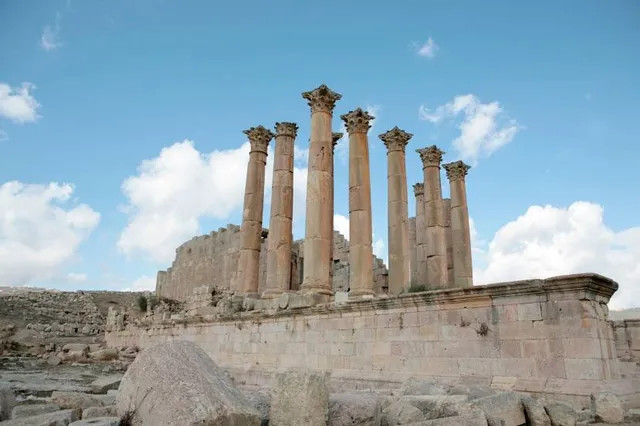
Temple of Artemis
4.7
(418)
Closed
Click for details
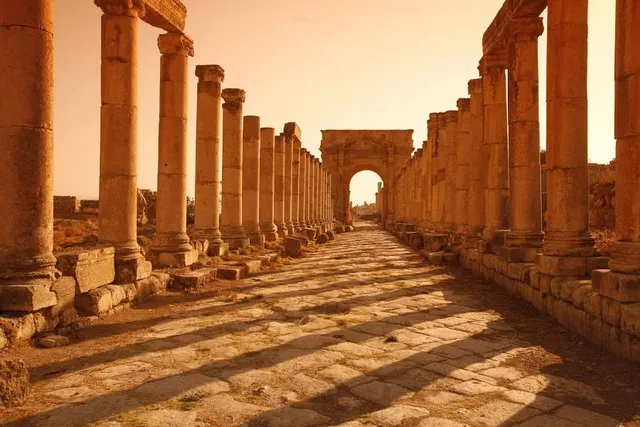
Oval Plaza
4.7
(626)
Closed
Click for details
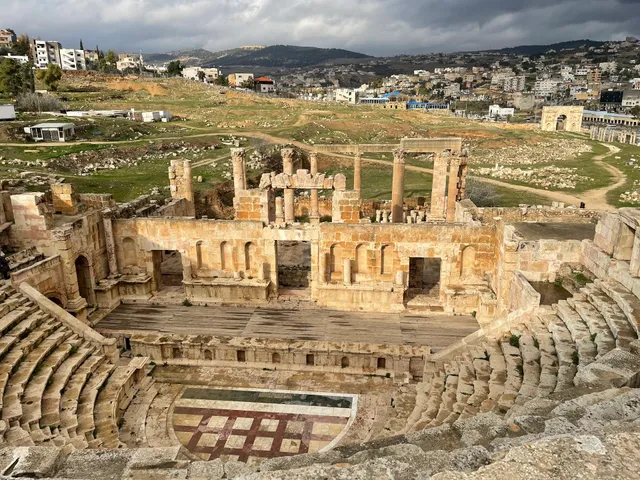
The North Theater
4.8
(69)
Open 24 hours
Click for details
Nearby local services of Nymphaeum
Jerash Archaeological Museum
The Archaeological Site of Jerash
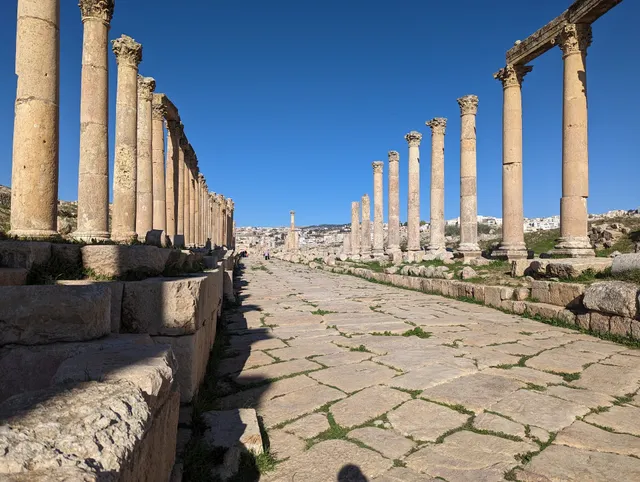
Jerash Archaeological Museum
4.6
(354)
Click for details
The Archaeological Site of Jerash
4.6
(7.7K)
Click for details