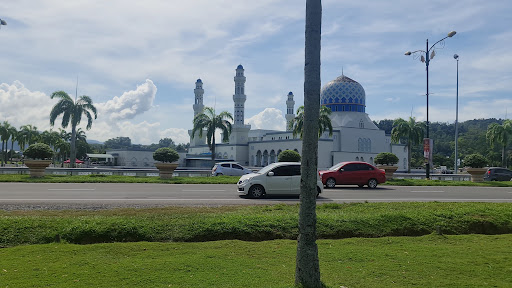
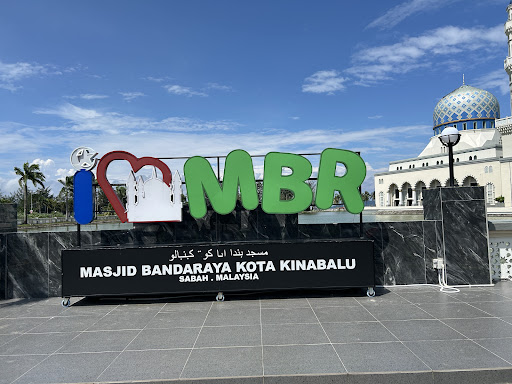
Kota Kinabalu Floating Mosque things to do, attractions, restaurants, events info and trip planning
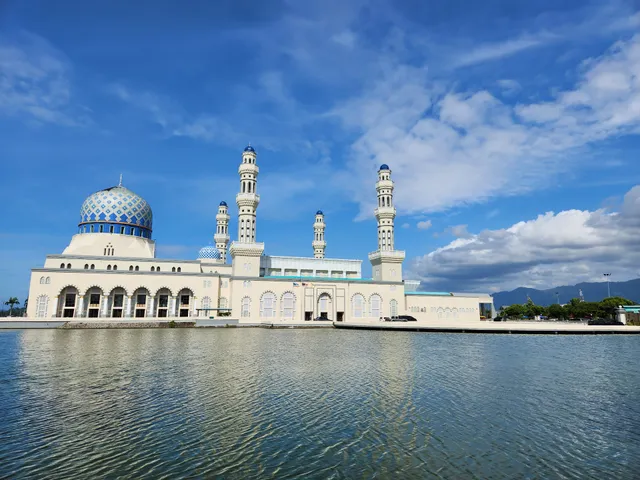
Basic Info
Kota Kinabalu Floating Mosque
43, Jalan Pasir, Kampung Likas, 88858 Kota Kinabalu, Sabah, Malaysia
4.3(361)
Closed
Save
spot
spot
Ratings & Description
Info
Cultural
Scenic
Family friendly
Accessibility
attractions: Masjid Bandaraya Kota Kinabalu, Taman Awam Teluk Likas, Kota Kinabalu, Sabah., restaurants: Restaurant D’KL, Kampung Likas, Kota Kinabalu, Rumah Makan KAK LONG, Bismillah Curry House, KakJu Nasi Kukus, Kolombong Fish Head Curry & Cafe, Yoyo Cafe, KFC Plaza Juta, Pizza Hut Restaurant Plaza Juta, Kedai Kopi Seng Loong, Restoran Amin Maju, local businesses: Floating Mosque (Kota Kinabalu City Mosque), Likas Bay, Wisma Sidang Injil Borneo Sabah, Likas Bay Beach 2
 Learn more insights from Wanderboat AI.
Phone
+60 10-955 8182
Open hoursSee all hours
Sun8 AM - 5 PMClosed
Plan your stay

Pet-friendly Hotels in Borneo
Find a cozy hotel nearby and make it a full experience.

Affordable Hotels in Borneo
Find a cozy hotel nearby and make it a full experience.

The Coolest Hotels You Haven't Heard Of (Yet)
Find a cozy hotel nearby and make it a full experience.

Trending Stays Worth the Hype in Borneo
Find a cozy hotel nearby and make it a full experience.
Reviews
Live events

Mari Mari Cultural Village
Mon, Feb 23 • 10:00 AM
88450, Kota Kinabalu, Sabah, Malaysia
View details
Nearby attractions of Kota Kinabalu Floating Mosque
Masjid Bandaraya Kota Kinabalu
Taman Awam Teluk Likas, Kota Kinabalu, Sabah.

Masjid Bandaraya Kota Kinabalu
4.5
(3.4K)
Closed
Click for details
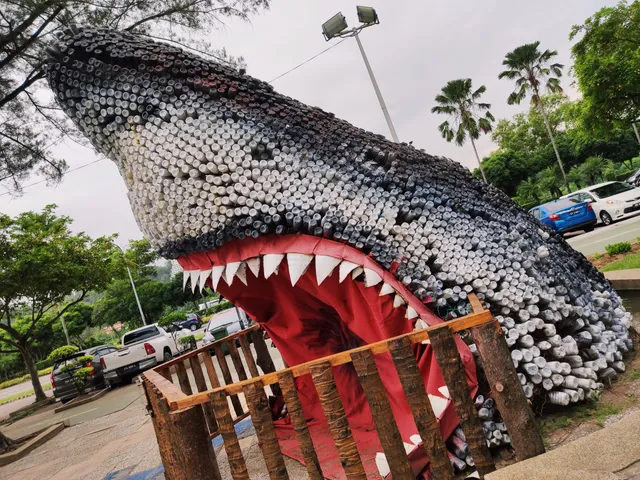
Taman Awam Teluk Likas, Kota Kinabalu, Sabah.
4.3
(853)
Open until 12:00 AM
Click for details
Nearby restaurants of Kota Kinabalu Floating Mosque
Restaurant D’KL, Kampung Likas, Kota Kinabalu
Rumah Makan KAK LONG
Bismillah Curry House
KakJu Nasi Kukus
Kolombong Fish Head Curry & Cafe
Yoyo Cafe
KFC Plaza Juta
Pizza Hut Restaurant Plaza Juta
Kedai Kopi Seng Loong
Restoran Amin Maju
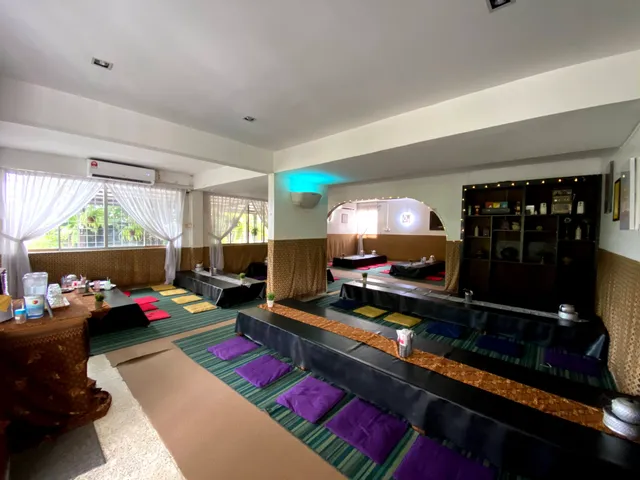
Restaurant D’KL, Kampung Likas, Kota Kinabalu
4.3
(91)
Closed
Click for details
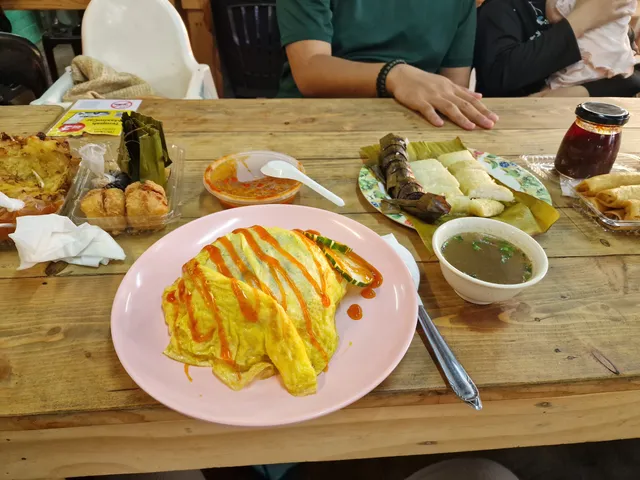
Rumah Makan KAK LONG
4.5
(3)
Closed
Click for details
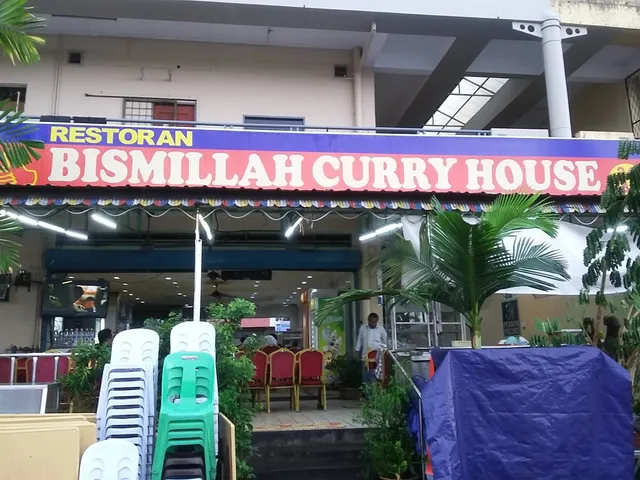
Bismillah Curry House
3.8
(225)
Open until 12:00 AM
Click for details
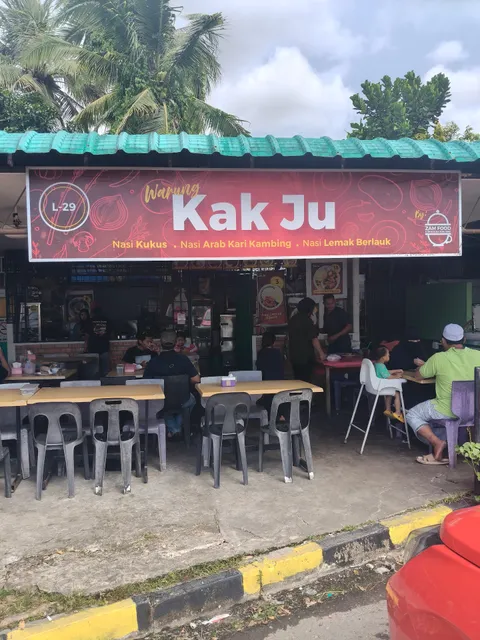
KakJu Nasi Kukus
4.5
(1)
Closed
Click for details
Nearby local services of Kota Kinabalu Floating Mosque
Floating Mosque (Kota Kinabalu City Mosque)
Likas Bay
Wisma Sidang Injil Borneo Sabah
Likas Bay Beach 2
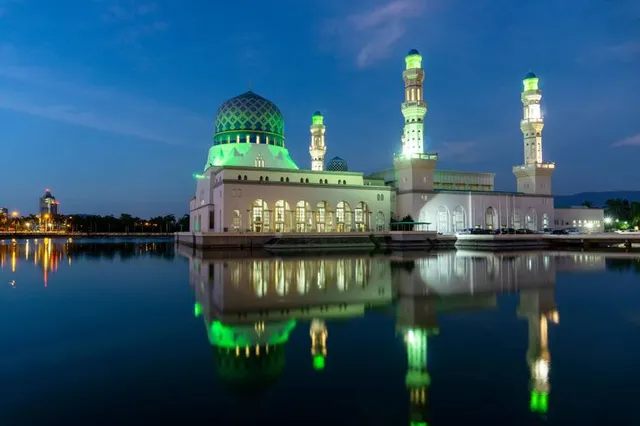
Floating Mosque (Kota Kinabalu City Mosque)
4.4
(266)
Click for details

Likas Bay
4.2
(64)
Click for details
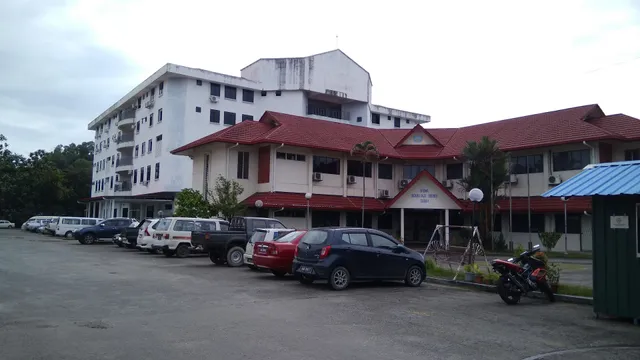
Wisma Sidang Injil Borneo Sabah
4.7
(33)
Click for details
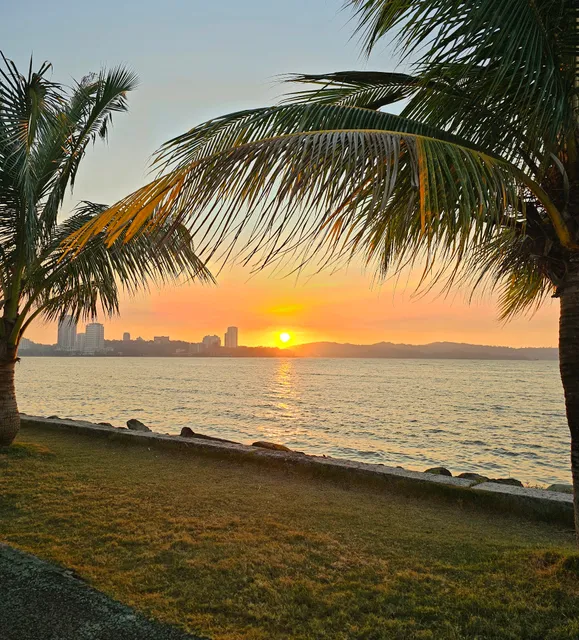
Likas Bay Beach 2
4.3
(109)
Click for details