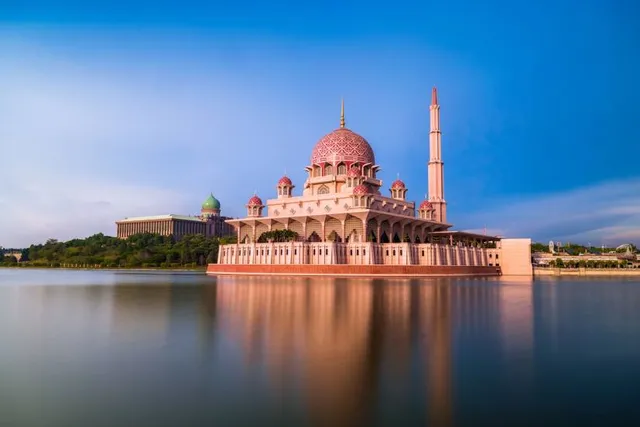
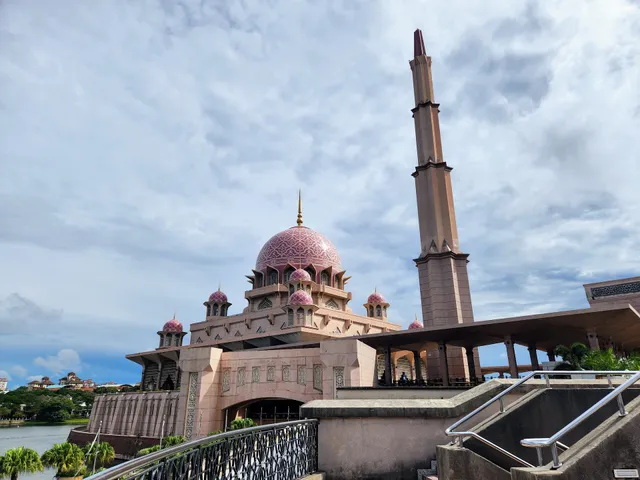
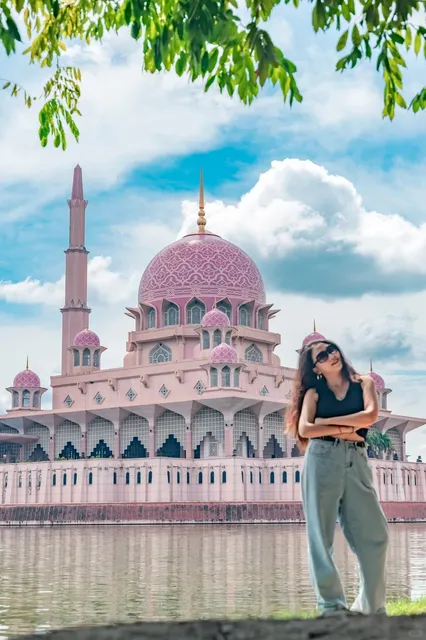
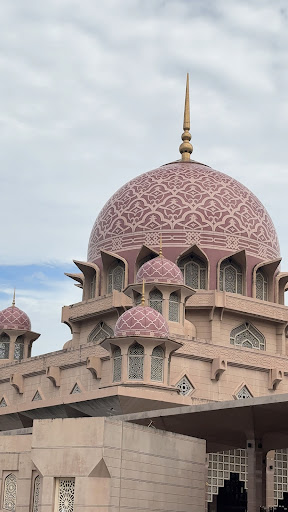
The Putra Mosque, also known as Masjid Putra in Malay, is an architectural marvel and a symbol of religious and cultural significance in Malaysia. Located in the heart of Putrajaya, the administrative capital of Malaysia, this mosque is a testament to the country's rich heritage and commitment to harmonious coexistence.
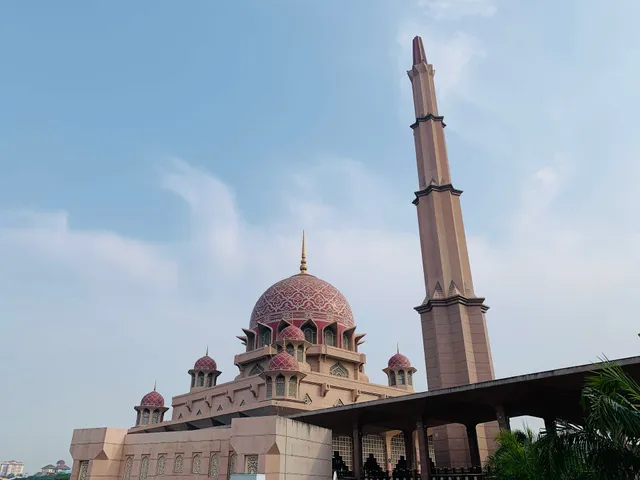
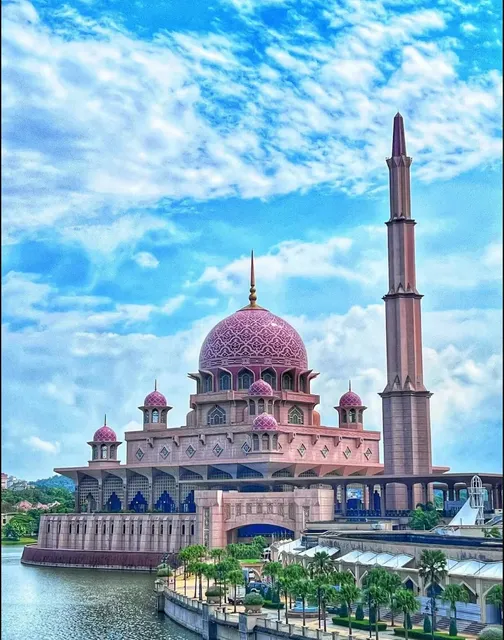
One of the most striking features of the Putra Mosque is its stunning pink-domed structure. The pink hue of the mosque is a distinctive departure from the traditional white or cream-colored domes commonly seen in Islamic architecture, and it adds a unique character to the mosque's appearance. This choice of color reflects Malaysia's culture and identity, as pink is associated with warmth, hospitality, and love, which are all values deeply ingrained in the Malaysian way of life.
The mosque's architecture is a seamless blend of modern and traditional Islamic design elements. Its grandeur is showcased in the use of rose-tinted granite, which not only gives the mosque its captivating color but also symbolizes strength and endurance. The mosque's complex features elegant arches, intricate Islamic calligraphy, and a large prayer hall that can accommodate thousands of worshippers.
Moreover, the Putra Mosque is surrounded by lush, beautifully landscaped gardens and a man-made lake. The serene surroundings enhance the spiritual experience of visitors and provide a peaceful escape from the bustling city life. The mosque's open design, with its vast courtyard and pristine environment, invites people of all backgrounds to come and admire its beauty, fostering unity and understanding among diverse communities.
The Putra Mosque is more than just an architectural gem; it plays a significant role in fostering interfaith dialogue and promoting tolerance and understanding. It welcomes visitors from all walks of life, whether they come for prayer, to admire the stunning architecture, or simply to gain a deeper understanding of the Islamic culture. This openness reflects Malaysia's values of inclusivity and mutual respect.
In addition to its cultural and architectural significance, the Putra Mosque holds an important place in the hearts of the local Muslim community. It serves as a place of worship and a center for religious and educational activities, where people gather to seek spiritual solace and engage in religious studies.
The Putra Mosque is not just a place of worship; it's a symbol of Malaysia's commitment to preserving its cultural heritage while embracing modernity. Its unique design, welcoming atmosphere, and its role in promoting interfaith dialogue make it a source of pride for the nation. For visitors and locals alike, the Putra Mosque is a source of inspiration, reflection, and a powerful reminder of the beauty that emerges when tradition and progress harmonize.
Wonderful place to visit. Tourist are mostly welcomed. Please visit with...
Read morePutrajaya (commonly misspelled "Putra Jaya") is Malaysia’s modern federal administrative centre, located about 25–30 km south of Kuala Lumpur .
🏙️ Highlights of Putrajaya
Architectural Marvels
Putra Mosque: Known as the “Pink Mosque,” it features rose‑tinted granite, a 50 m-high dome, and can host up to 15,000 worshippers .
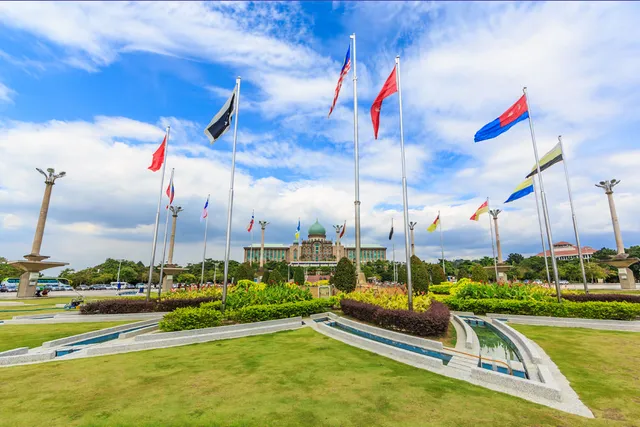
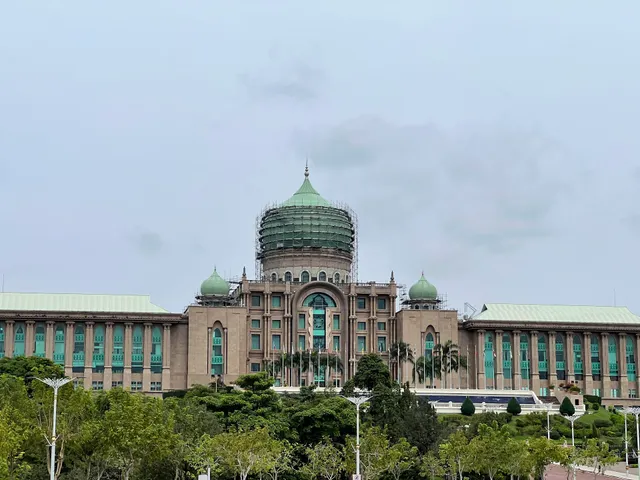
Perdana Putra: The prime minister’s office complex, with a grand green dome, opened in 1999 .
Iron Mosque (Masjid Tuanku Mizan Zainal Abidin): A stunning metallic‑steel mosque, noted for its sleek wire‑mesh structure and fan‑free cooling .
Bridges & Monuments
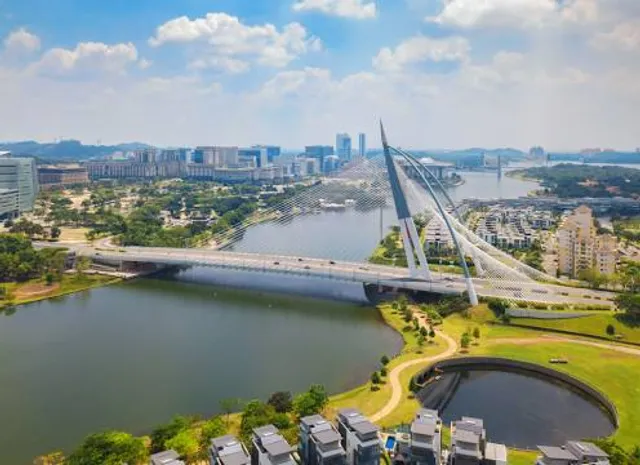
Seri Wawasan Bridge: A futuristic cable‑stayed bridge shaped like a sailing ship .
Millennium Monument: A 68 m‑tall obelisk, with etched markers of Malaysian history, lit up at night as a guiding beacon .
Putrajaya Landmark: The city’s official landmark, located in Putra Perdana Park—the highest point in Precinct 1 .
Natural & Recreational Attractions
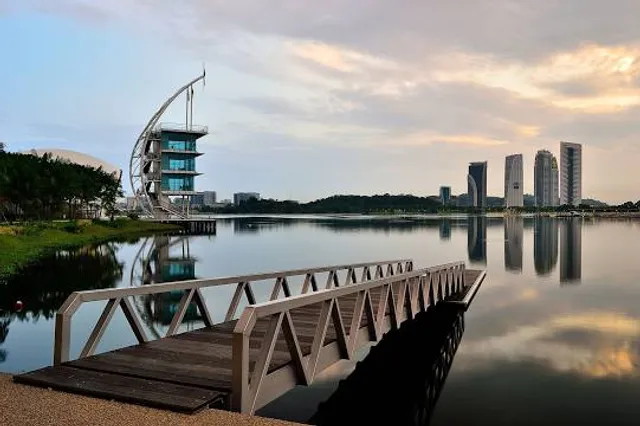
Putrajaya Lake: A 650‑hectare man‑made lake used for cooling, boating, fishing, watersports, and large‑scale events like SEA Games and powerboat races .
Botanical Garden: Spanning 93 ha across five themed zones (e.g., Palm Hill, Explorer’s Trail), with paddle boats and bike rentals .
Wetlands Park: Asia’s largest constructed freshwater wetland (335 ha), home to diverse birdlife and cycling paths .
🌿 Why Visit Putrajaya?
Planned “intelligent garden city” – featuring lush green spaces, wide boulevards, and elegant bridges .
Accessibility – roughly 30–45 minutes by taxi, MRT Line, or shuttle from KL and KLIA .
Ideal for day trips – calm atmosphere on weekends, enriched with culture, architecture, and nature .
🧭 Suggested Itinerary for a Day Trip
Morning: Start at the Pink Mosque and Perdana Putra; admire the lakeside views.
Midday: Walk across Seri Wawasan Bridge to the Iron Mosque, stroll through Anjung Floria or Putrajaya Square.
Afternoon: Relax at Botanical Garden or take a boat cruise on the lake.
Sunset: Head to the Millennium Monument or Putrajaya Landmark for scenic views.
Planning tip: bring sun protection, water, and appropriate dress when visiting mosques .
📊 Fun Fact
Putrajaya features what is considered the world’s largest roundabout, officially known as Persiaran Sultan Salahuddin Abdul Aziz Shah—an ellipse encircling central parks and landmarks, stretching about 2 miles in circumference .
✅ Summary
Putrajaya offers a peaceful, visually striking retreat from the hustle of Kuala Lumpur. Its blend of innovative architecture, serene lakes, and green spaces makes it well worth a visit. Whether you're interested in urban planning, photography, or cultural exploration, it’s a rewarding and...
Read moreRising majestically from the shores of the serene Putrajaya Lake, Masjid Putra stands as a breathtaking symbol of Malaysia’s Islamic faith and architectural ambition. More than just a place of worship, this magnificent pink-domed mosque is a cornerstone of tourism in the nation's intelligent garden city, offering visitors a profound experience of peace, beauty, and cultural grandeur. Its strategic location adjacent to the Prime Minister’s office complex and the striking Putra Perdana precinct underscores its central role in the modern identity of Malaysia.
The mosque’s design is a masterful blend of traditional and modern influences, primarily drawing inspiration from Persian and Mughal architectural styles. The most striking feature is its immense rose-tinted granite dome, the colour symbolising serenity and creating a warm, welcoming glow, especially at sunset. Flanking this central dome is a 116-meter-high minaret, one of the tallest in the region, whose design echoes the minaret of the Sheikh Omar mosque in Baghdad. The main prayer hall is equally impressive, adorned with intricate calligraphy and geometric patterns, and capable of accommodating over 15,000 worshippers.
For tourists, a visit to Masjid Putra is a multi-sensory journey. The sheer scale of the structure is awe-inspiring from the outside, but the true tranquillity is found within its courtyards and by its reflective pools. Non-Muslim visitors are welcomed outside of prayer times and provided with modest attire to ensure respectful entry. The interior offers a cool, quiet sanctuary, where the play of light through stained-glass windows illuminates the rich carpets and detailed craftsmanship. Many choose to take an angkasawan (a small boat) onto the lake to capture the perfect photograph of the mosque’s stunning reflection on the water’s surface.
A trip to Putrajaya is incomplete without witnessing Masjid Putra. It is not merely a photo opportunity but an invitation to appreciate Malaysian culture and spirituality. Whether admiring its Persian-inspired façade, enjoying the calm of its surroundings, or simply marvelling at its harmonious integration with the lake and cityscape, the mosque leaves an indelible impression of grace and majesty, making it an unmissable highlight for any visitor...
Read more