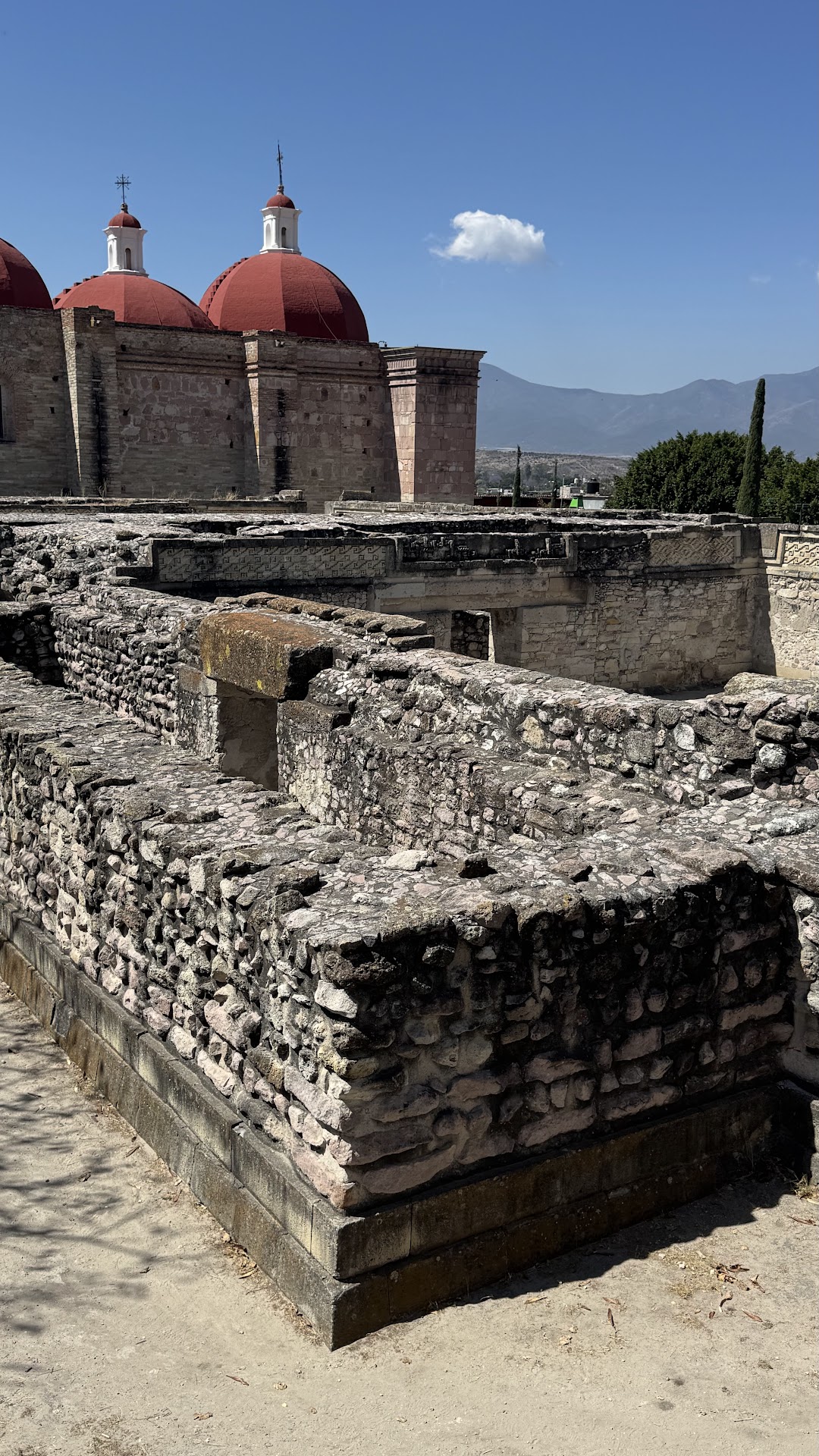
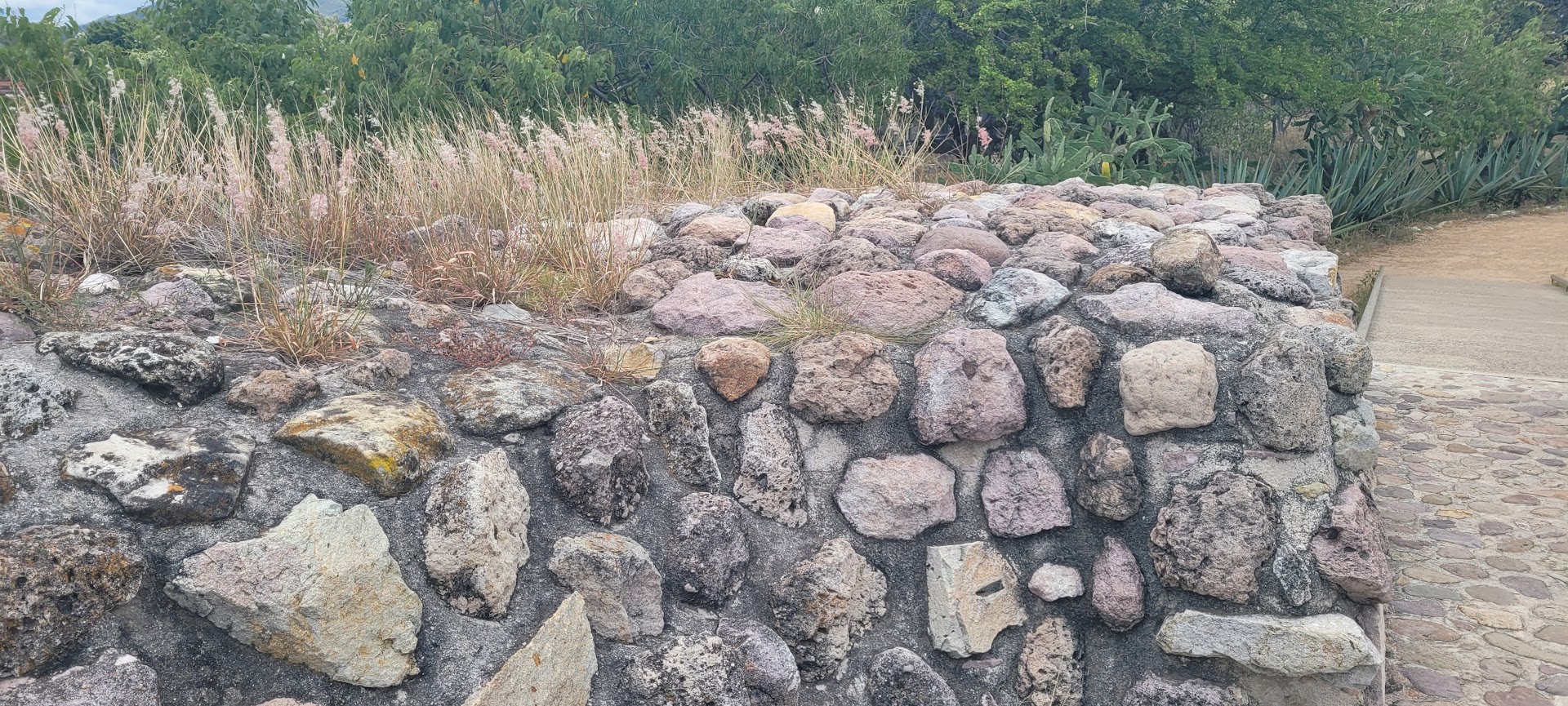
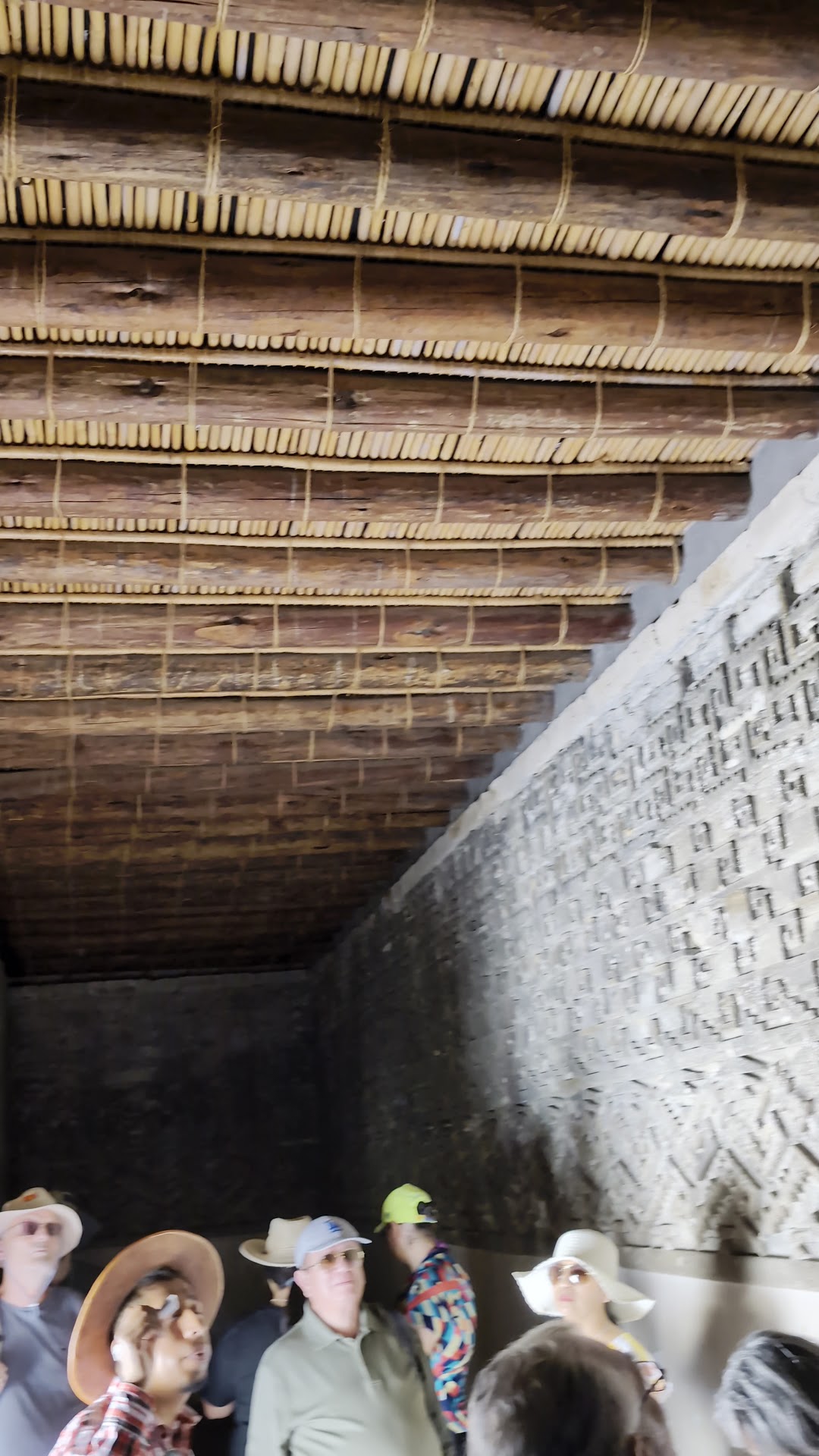
ZONA ARQUEOLÓGICA DE MITLA things to do, attractions, restaurants, events info and trip planning
Basic Info
ZONA ARQUEOLÓGICA DE MITLA
Vila de, Cam. Nacional, San Pablo, Centro, 70438 San Pablo Villa de Mitla, Oax., Mexico
4.6(6.5K)
Closed


tickets
Save
spot
spot
Ratings & Description
Info
Cultural
Outdoor
Family friendly
attractions: , restaurants: Origen Maíz, Antojitos Doña Chabe, Yälnadoo, Litho's Fast Food and Drinks, Hotel y Restaurante La Zapoteca, La Casita, Café y Mezcal, La Ofrenda, vas a querer?, angelos pizza, FRIJOLITOS PIZZA, local businesses: MUSEO ERVIN FRISSELL
 Learn more insights from Wanderboat AI.
Phone
+52 951 568 0316
Open hoursSee all hours
Fri10 a.m. - 4:30 p.m.Closed
Plan your stay

Pet-friendly Hotels in Oaxaca
Find a cozy hotel nearby and make it a full experience.

Affordable Hotels in Oaxaca
Find a cozy hotel nearby and make it a full experience.

The Coolest Hotels You Haven't Heard Of (Yet)
Find a cozy hotel nearby and make it a full experience.

Trending Stays Worth the Hype in Oaxaca
Find a cozy hotel nearby and make it a full experience.
Reviews
Live events
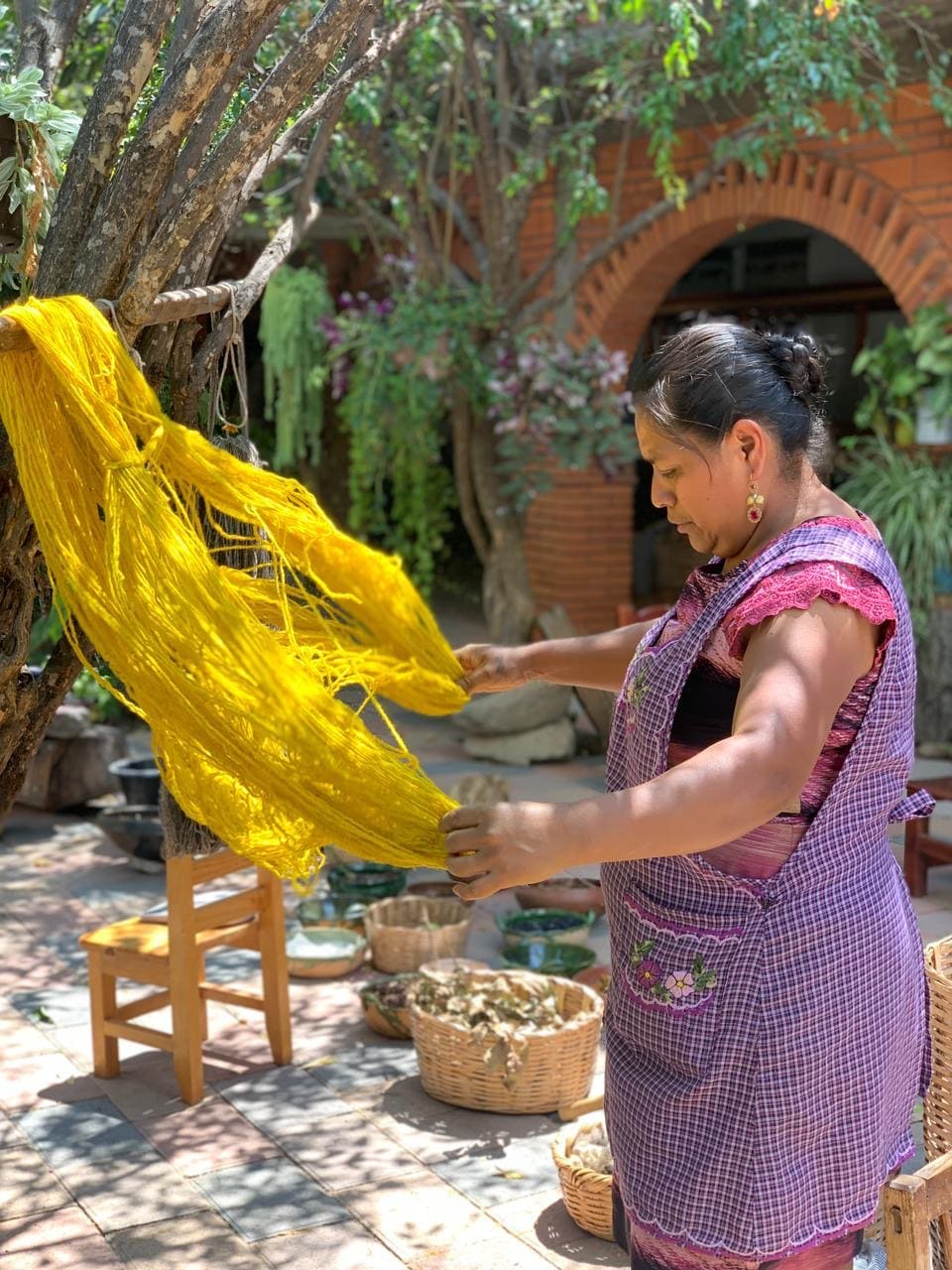
Discover the Rugs of Teotitlán del Valle
Fri, Feb 20 • 9:30 AM
70420, Teotitlán del Valle, Oaxaca, Mexico
View details
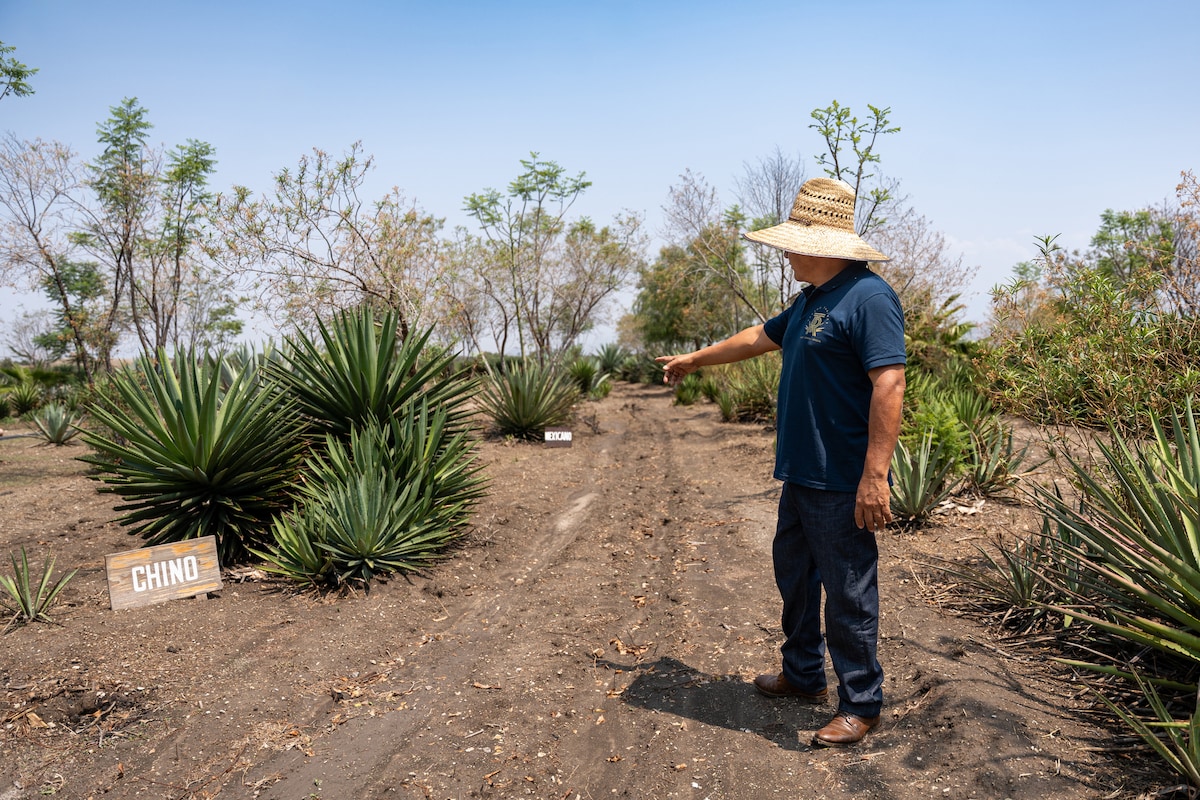
Discover the Excellence of Mezcal Amarás
Fri, Feb 20 • 9:00 AM
70403, Monte Cristo, Oaxaca, Mexico
View details
Nearby restaurants of ZONA ARQUEOLÓGICA DE MITLA
Origen Maíz
Antojitos Doña Chabe
Yälnadoo
Litho's Fast Food and Drinks
Hotel y Restaurante La Zapoteca
La Casita, Café y Mezcal
La Ofrenda
vas a querer?
angelos pizza
FRIJOLITOS PIZZA
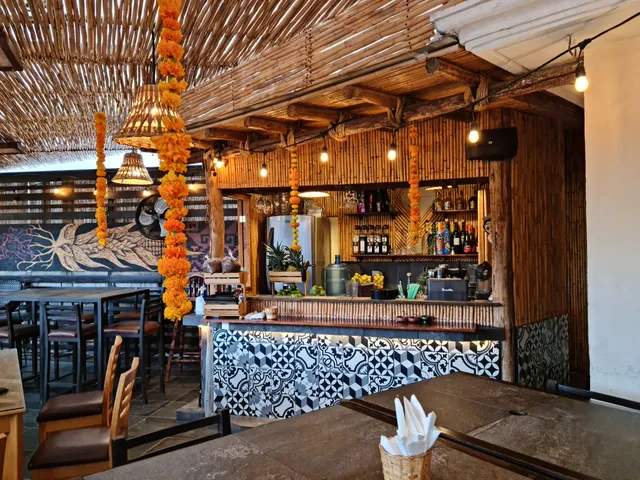
Origen Maíz
4.5
(149)
Closed
Click for details
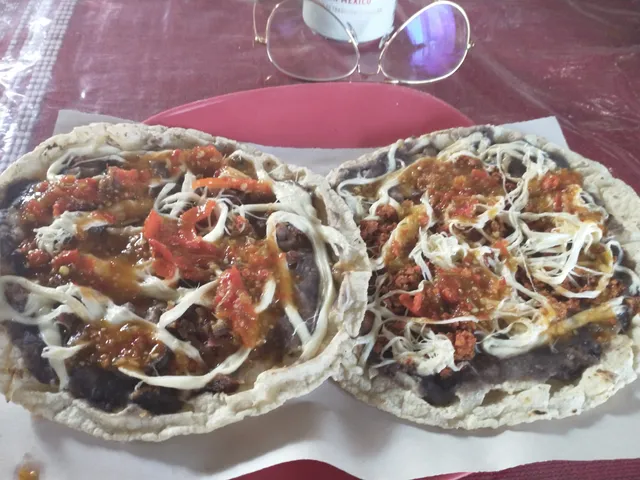
Antojitos Doña Chabe
4.7
(47)
Closed
Click for details
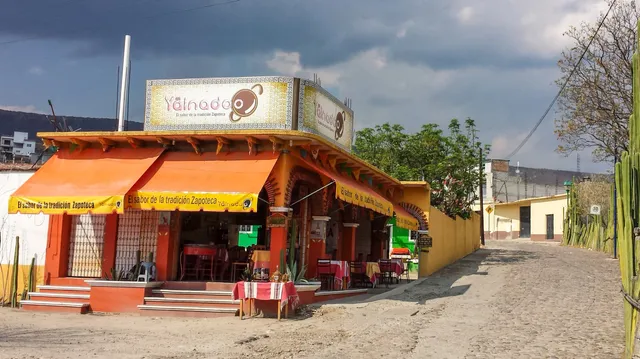
Yälnadoo
4.4
(149)
Closed
Click for details

Litho's Fast Food and Drinks
5.0
(1)
Click for details
Nearby local services of ZONA ARQUEOLÓGICA DE MITLA
MUSEO ERVIN FRISSELL
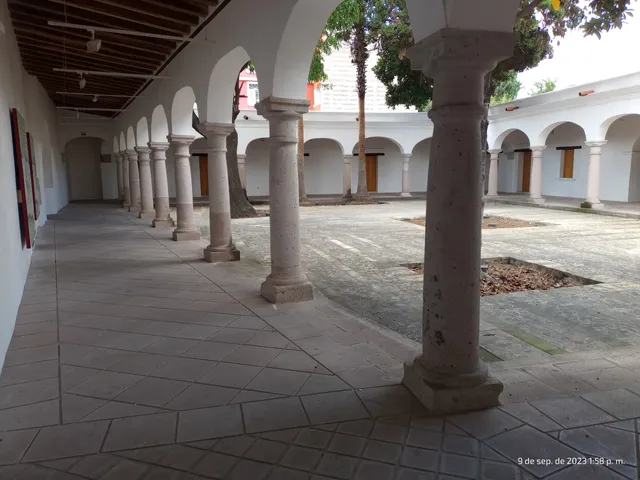
MUSEO ERVIN FRISSELL
4.1
(17)
Click for details