Capilla del Rosario, Templo de Santo Domingo things to do, attractions, restaurants, events info and trip planning
Basic Info
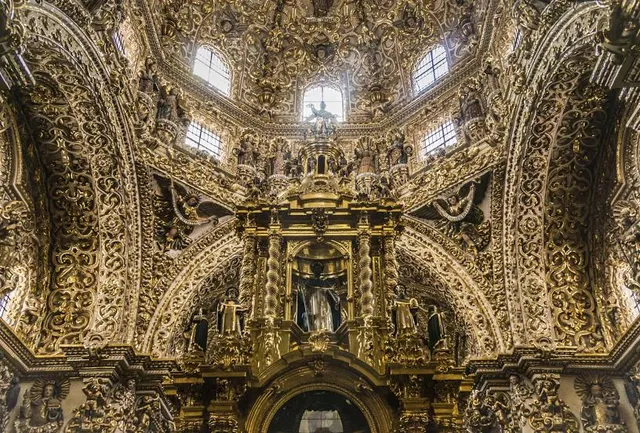
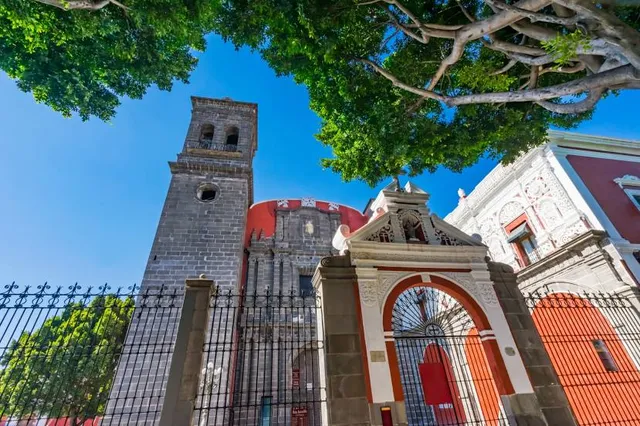
Capilla del Rosario, Templo de Santo Domingo
Av. 4 Pte., Centro histórico de Puebla, 72000 Heroica Puebla de Zaragoza, Pue., Mexico
4.7(4.2K)
Open 24 hours
Save
spot
spot
Ratings & Description
Info
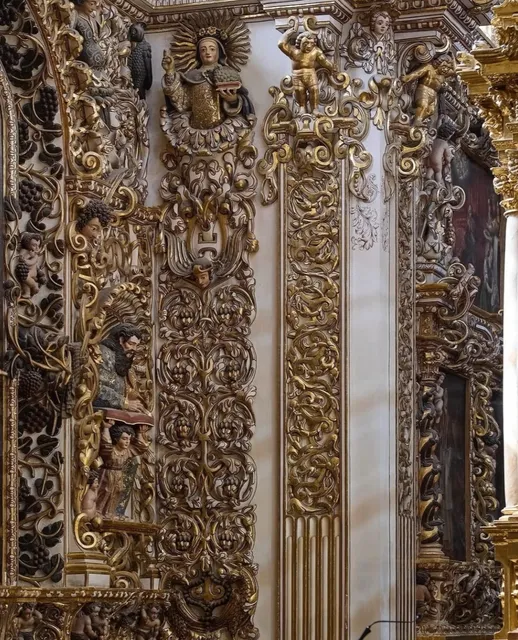
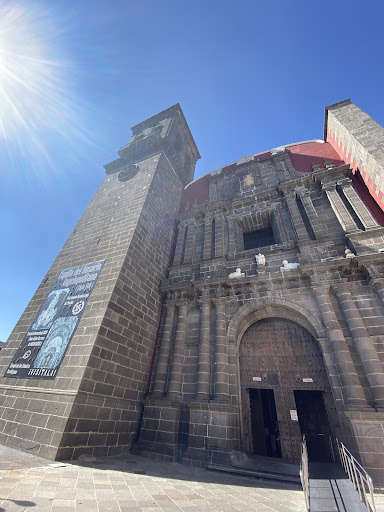
The Chapel of the Virgen del Rosario is the chapel attached to the Church of Santo Domingo in the city of Puebla, Puebla, Mexico.
Cultural
Accessibility
attractions: Zócalo de Puebla, Fundación José Luis Bello y Zetina y Museo, Catedral de Puebla, Museo Regional De La Revolución Mexicana Casa De Los Hermanos Serdán, Pasaje del Ayuntamiento, Municipal Art Gallery Palace, Museo Universitario Casa de los Muñecos, Museo "José Luis Bello y González", Chapel UDLAP Art, Museo San Pedro de Arte, restaurants: Saborcito Corazón, Saborcito corazón - 6 Ote Calle Dulces, El Viejo Rosario, Fast Food de la Victoria, La California, Tacos Chingones- Saborcito corazón, Café Tres Gallos, Café Ramcafé La Victoria I Cafe en grano y molido, Don Pastor Victoria, La Moreliana Special, local businesses: Centro Comercial La Victoria, Plaza Puebla, Fajas Colombianas BELLÍSSIMA Distribuidor, Pasaje del Ayuntamiento, Dulces Tentaciones, Colibrí, Puebla City Hall, Tortitas de Santa Clara, Puebla La Churrería, Room Regidores the Municipality of Puebla
 Learn more insights from Wanderboat AI.
Phone
+52 221 644 0524
Website
capilladelrosariopuebla.com.mx
Plan your stay

Pet-friendly Hotels in Puebla
Find a cozy hotel nearby and make it a full experience.

Affordable Hotels in Puebla
Find a cozy hotel nearby and make it a full experience.

The Coolest Hotels You Haven't Heard Of (Yet)
Find a cozy hotel nearby and make it a full experience.

Trending Stays Worth the Hype in Puebla
Find a cozy hotel nearby and make it a full experience.
Reviews
Live events
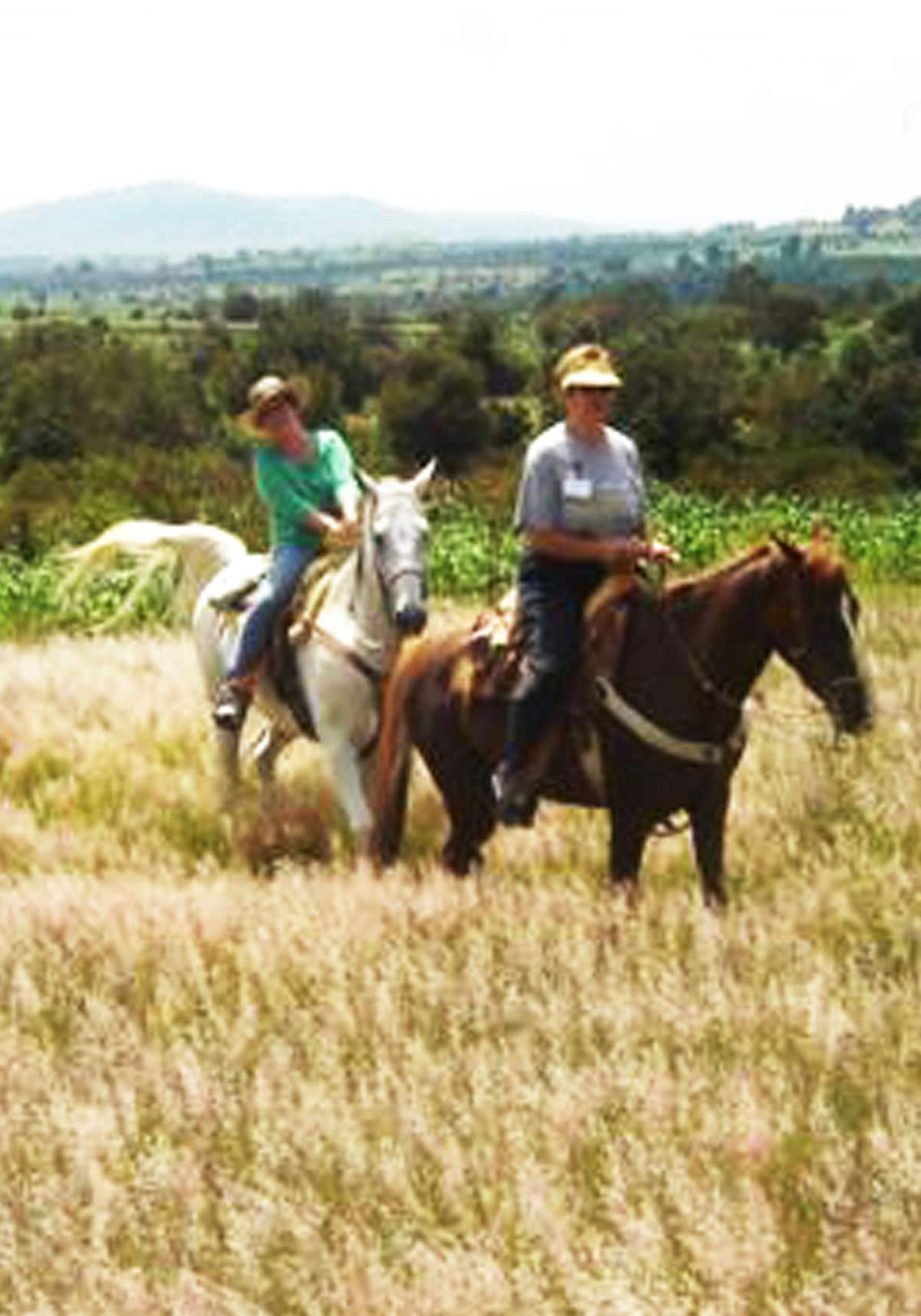
Horseback riding at the foot of the volcanoes
Tue, Feb 24 • 9:00 AM
74180, Calpan, Puebla, Mexico
View details
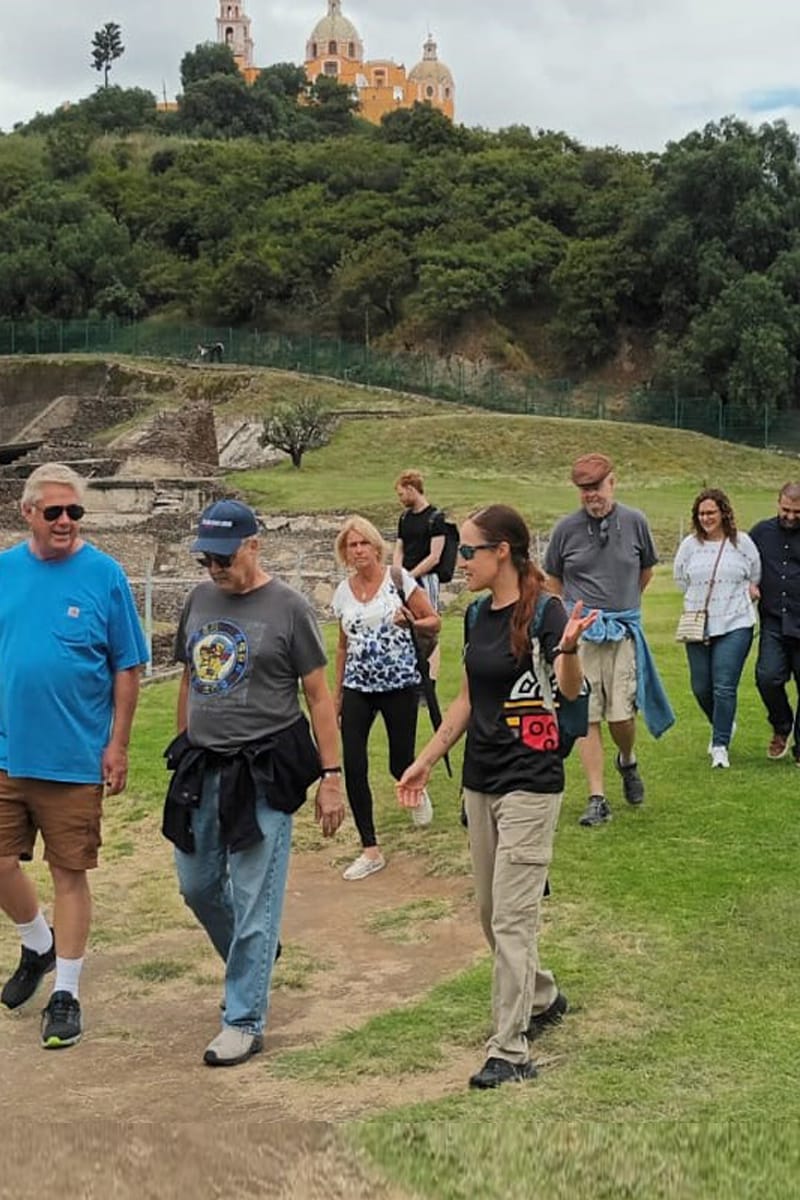
Explore Cholula with an archaeologist
Tue, Feb 24 • 10:30 AM
72810, San Andrés Cholula, Puebla, Mexico
View details

Jazzland
Sat, Feb 28 • 8:30 PM
Av 22 Ote 1204, Barrio del Alto, 72000
View details
Nearby attractions of Capilla del Rosario, Templo de Santo Domingo
Zócalo de Puebla
Fundación José Luis Bello y Zetina y Museo
Catedral de Puebla
Museo Regional De La Revolución Mexicana Casa De Los Hermanos Serdán
Pasaje del Ayuntamiento
Municipal Art Gallery Palace
Museo Universitario Casa de los Muñecos
Museo "José Luis Bello y González"
Chapel UDLAP Art
Museo San Pedro de Arte
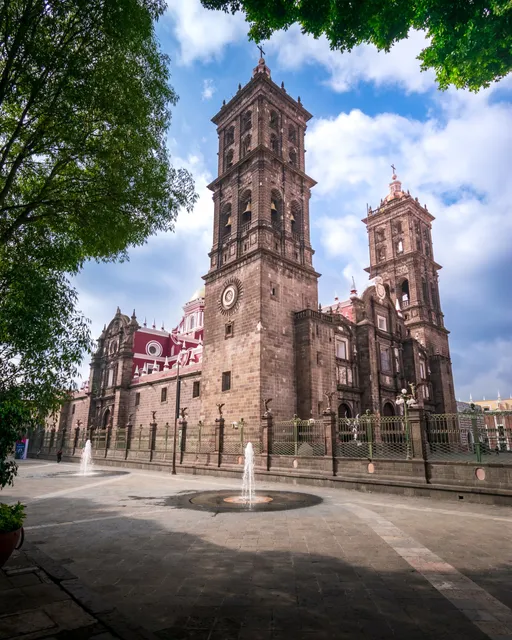
Zócalo de Puebla
4.7
(34K)
Open until 12:00 AM
Click for details
Fundación José Luis Bello y Zetina y Museo
4.7
(403)
Open until 12:00 AM
Click for details
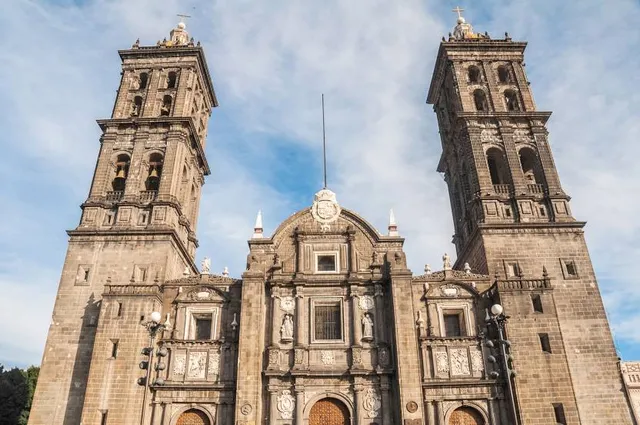
Catedral de Puebla
4.8
(7.7K)
Closed
Click for details
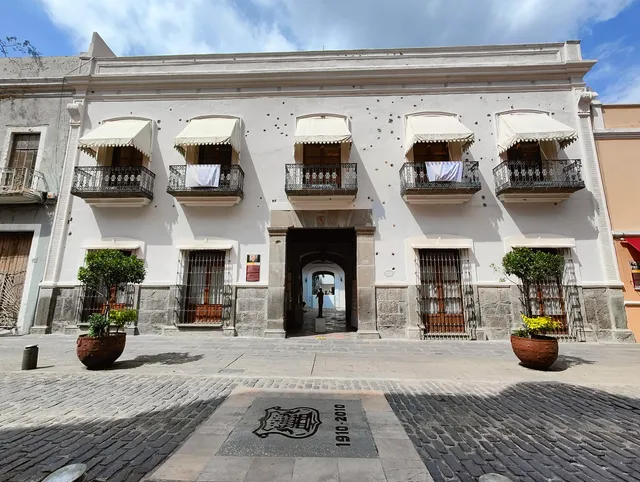
Museo Regional De La Revolución Mexicana Casa De Los Hermanos Serdán
4.7
(2.2K)
Open until 12:00 AM
Click for details
Nearby restaurants of Capilla del Rosario, Templo de Santo Domingo
Saborcito Corazón
Saborcito corazón - 6 Ote Calle Dulces
El Viejo Rosario
Fast Food de la Victoria
La California
Tacos Chingones- Saborcito corazón
Café Tres Gallos
Café Ramcafé La Victoria I Cafe en grano y molido
Don Pastor Victoria
La Moreliana Special
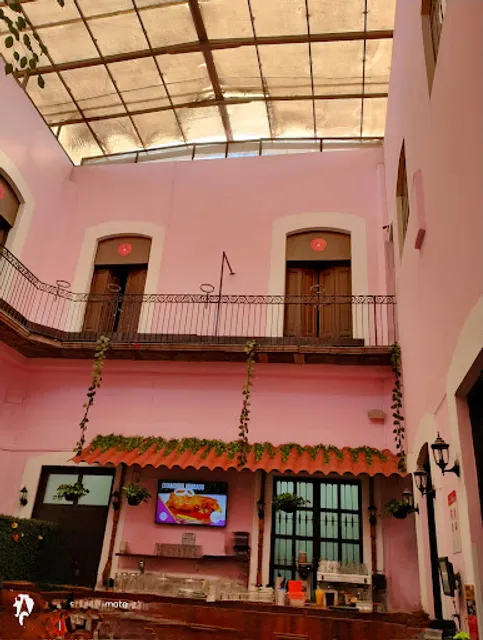
Saborcito Corazón
4.4
(4.1K)
Closed
Click for details
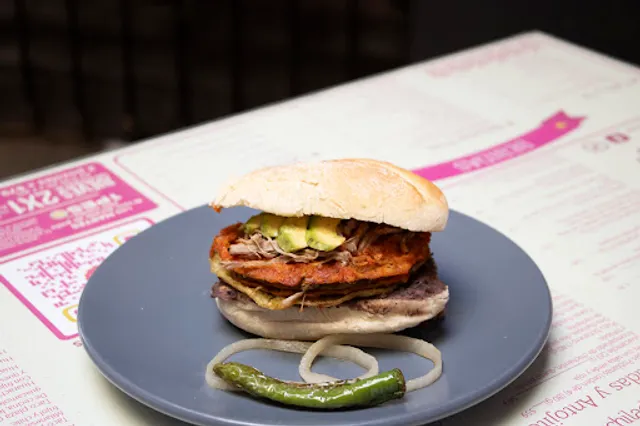
Saborcito corazón - 6 Ote Calle Dulces
4.7
(1.6K)
Closed
Click for details
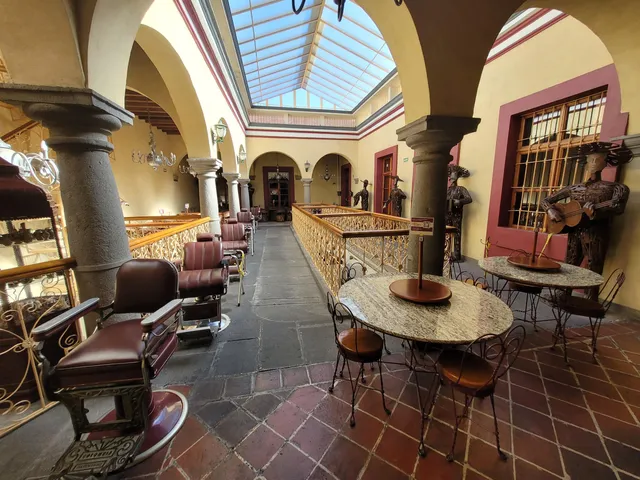
El Viejo Rosario
4.4
(3.4K)
Closed
Click for details

Fast Food de la Victoria
4.5
(339)
Closed
Click for details
Nearby local services of Capilla del Rosario, Templo de Santo Domingo
Centro Comercial La Victoria
Plaza Puebla
Fajas Colombianas BELLÍSSIMA Distribuidor
Pasaje del Ayuntamiento
Dulces Tentaciones
Colibrí
Puebla City Hall
Tortitas de Santa Clara
Puebla La Churrería
Room Regidores the Municipality of Puebla

Centro Comercial La Victoria
4.3
(8.5K)
Click for details
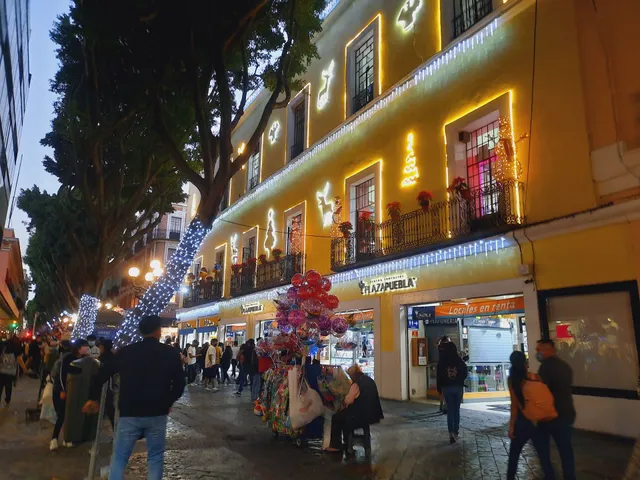
Plaza Puebla
4.2
(157)
Click for details

Fajas Colombianas BELLÍSSIMA Distribuidor
4.9
(316)
Click for details
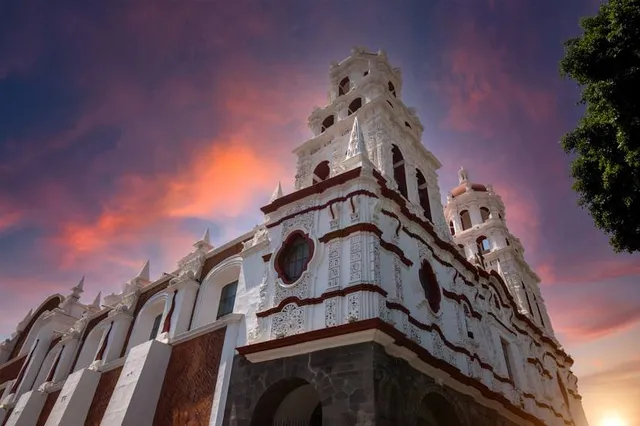
Pasaje del Ayuntamiento
4.5
(229)
Click for details