Chichén Itzá, one of the most iconic and well-preserved archaeological sites in Mexico, stands as a testament to the ingenuity, artistry, and astronomical knowledge of the ancient Maya civilization. Located in the heart of the Yucatán Peninsula, this UNESCO World Heritage Site and one of the New Seven Wonders of the World draws millions of visitors each year, all eager to explore its enigmatic ruins and uncover the secrets of a once-thriving metropolis.
Founded around the 6th century AD, Chichén Itzá quickly became one of the most important political, economic, and religious centers of the Maya world. Its name, meaning "at the mouth of the well of the Itzá," reflects its strategic location near two large cenotes, which provided a vital water source and made the city a hub of trade and pilgrimage. The city flourished between the 9th and 12th centuries, during which time it became a melting pot of Maya, Toltec, and other Mesoamerican cultures, as evidenced by the diverse architectural styles and influences found throughout the site.
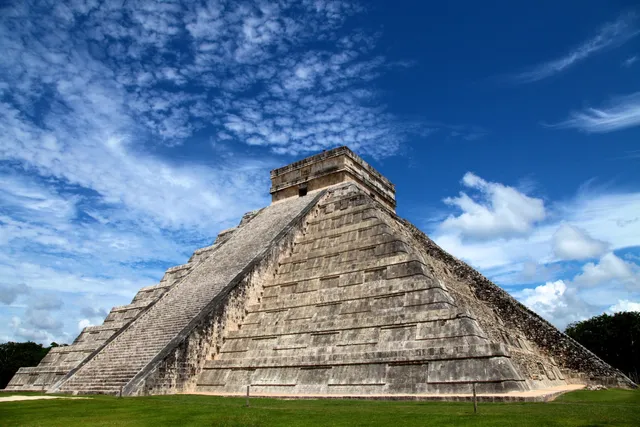
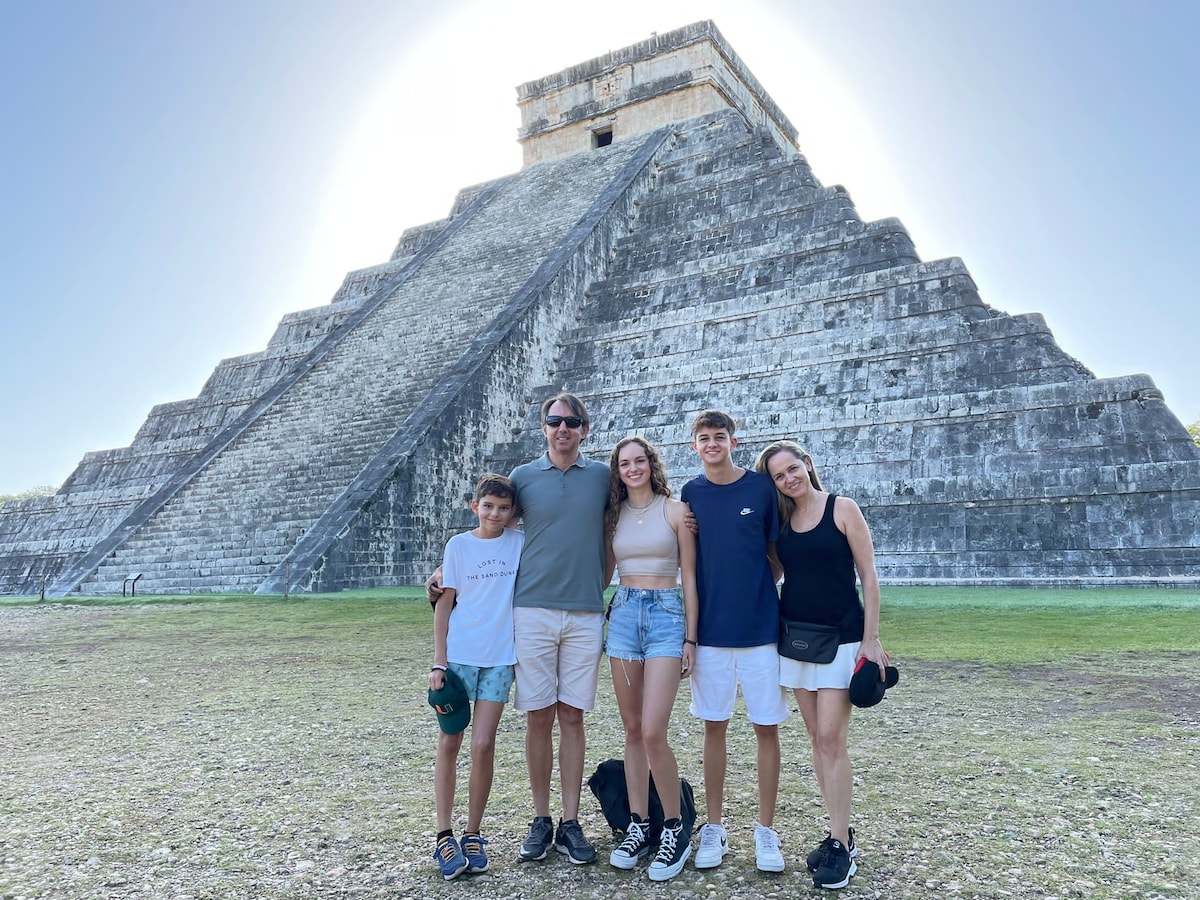
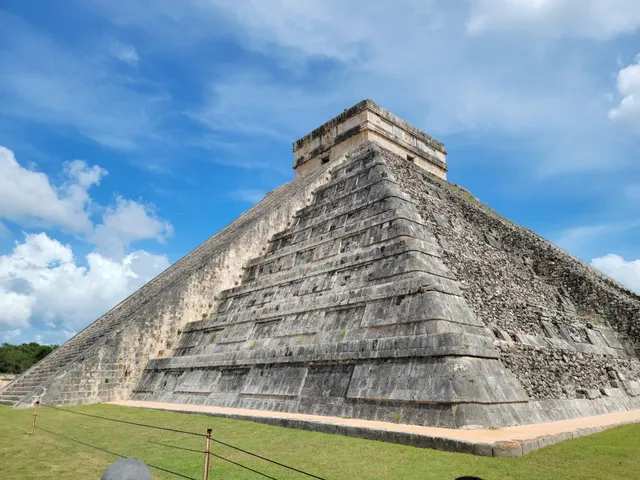
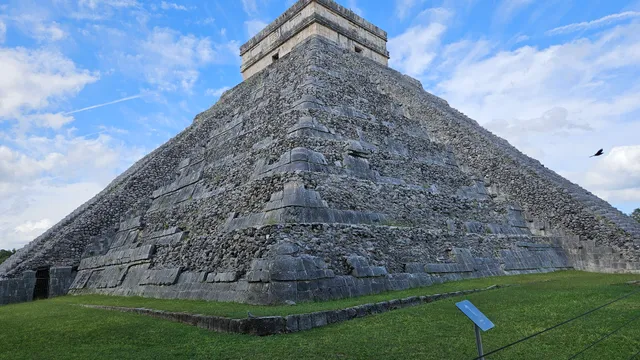
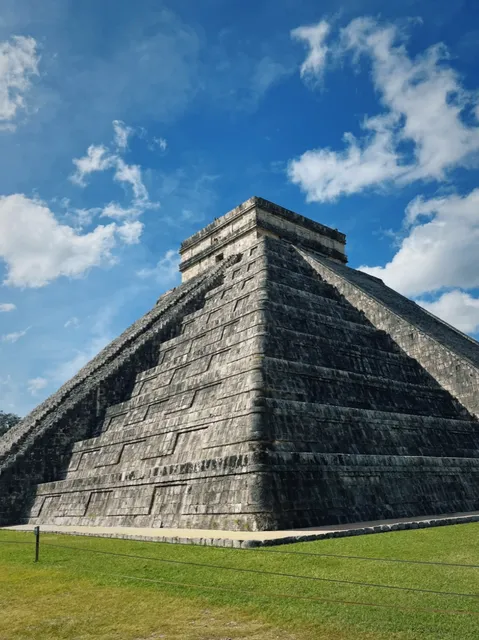
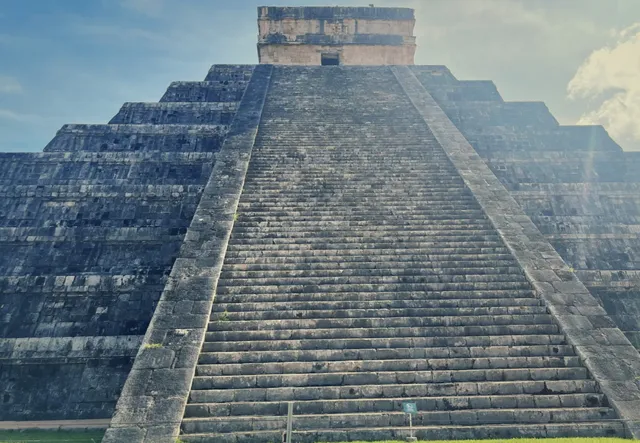
The most iconic structure at Chichén Itzá is El Castillo, also known as the Temple of Kukulcán. This imposing step pyramid, dedicated to the feathered serpent god Kukulcán, dominates the site and is a marvel of ancient engineering and astronomy. Standing at 98 feet tall, El Castillo is meticulously designed to align with the sun's movements. During the spring and autumn equinoxes, the setting sun casts a series of shadows on the pyramid’s steps, creating the illusion of a serpent slithering down the side of the temple—a breathtaking spectacle that continues to draw crowds from around the world.
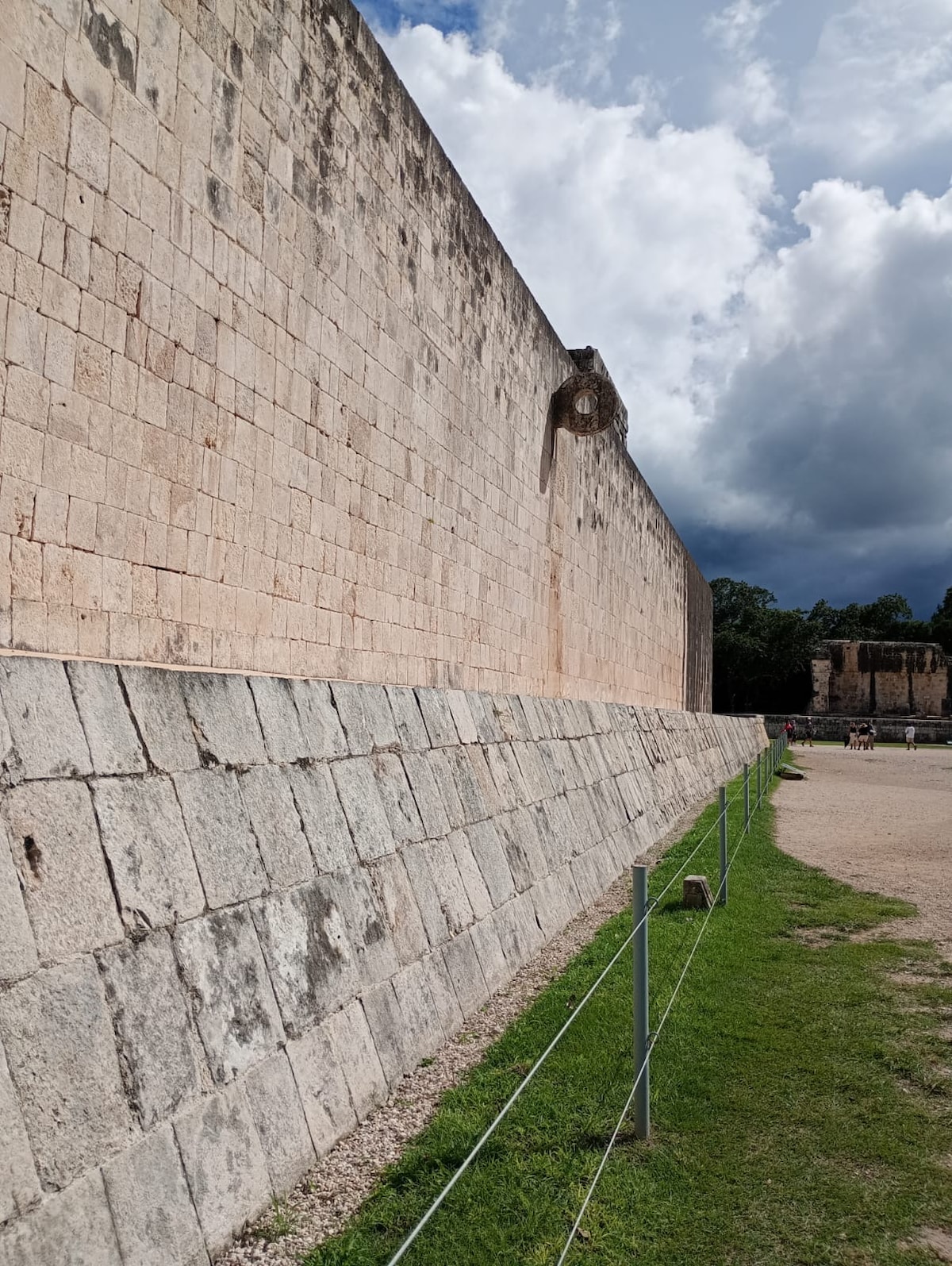
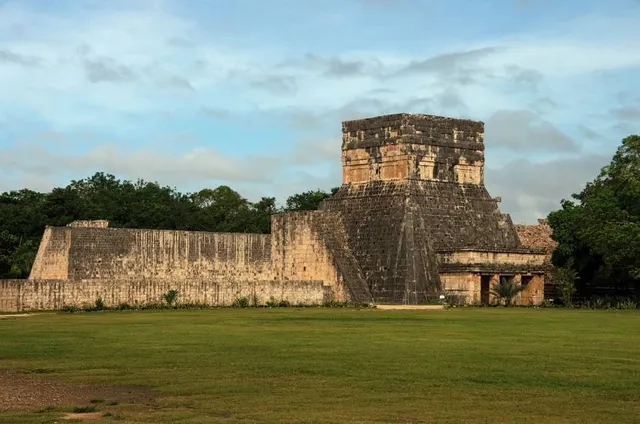
Another fascinating feature of Chichén Itzá is the Great Ball Court, the largest and most impressive of its kind in Mesoamerica. Measuring 545 feet in length and 225 feet in width, the ball court was the site of a ritualistic game known as pok-ta-pok. This game, played with a rubber ball that had to be passed through stone hoops, was not merely a sport but a deeply symbolic event that represented the cosmic struggle between good and evil. The echoes of history can still be felt as you stand within the court’s towering stone walls, imagining the intensity and significance of the games that once took place here.
The Sacred Cenote, located at the northern edge of Chichén Itzá, was a site of immense spiritual importance to the Maya. This large, natural sinkhole was believed to be a gateway to the underworld, and as such, it was the focus of numerous religious ceremonies and sacrifices. Archaeological excavations have uncovered a wealth of offerings from the cenote’s depths, including gold, jade, and even human remains, which were likely sacrifices made to appease the gods in times of drought or crisis.
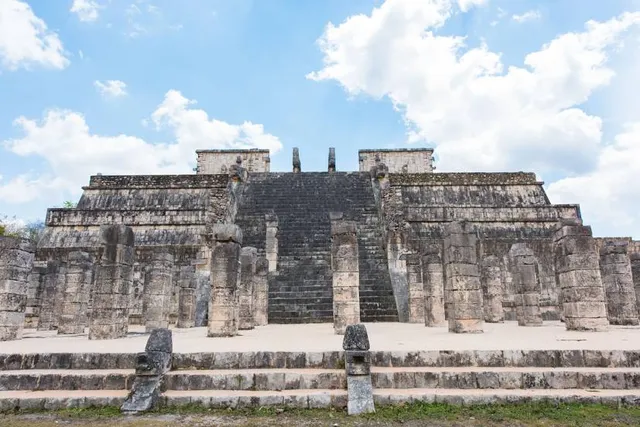
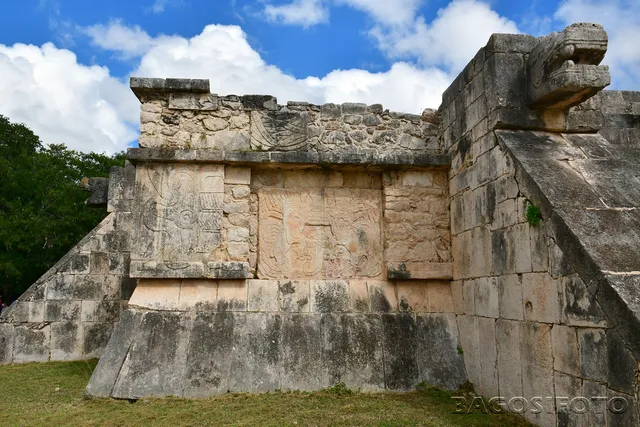
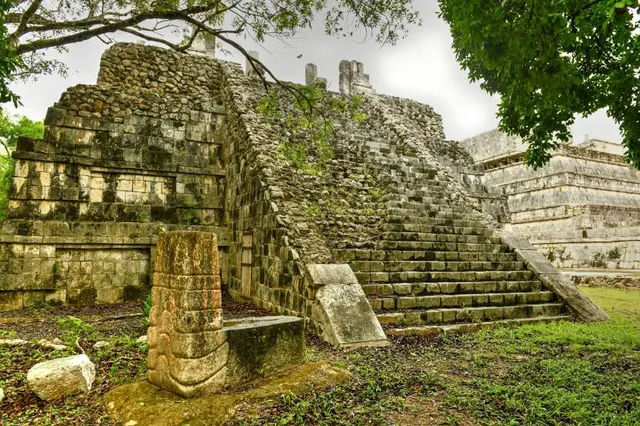
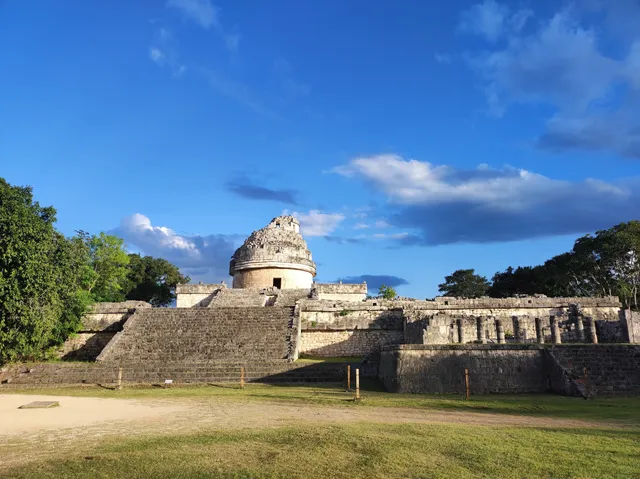
Chichén Itzá is more than just a collection of ancient ruins; it is a living testament to the Maya's advanced understanding of mathematics, astronomy, and architecture. The site’s intricate carvings, monumental structures, and strategic layout all reflect a civilization that was deeply in tune with the natural world and the cosmos. As you wander through the site, from the majestic Temple of the Warriors to the intricate carvings of the Temple of the Jaguars, you gain a profound appreciation for the cultural and scientific achievements of the Maya people.
Visiting Chichén Itzá is a journey back in time, offering a unique opportunity to connect with the legacy of one of the ancient world’s most sophisticated civilizations. Whether you’re marveling at the astronomical precision of El Castillo, feeling the weight of history in the Great Ball Court, or contemplating the spiritual significance of the Sacred Cenote, Chichén Itzá invites you to explore, learn, and be inspired by the enduring brilliance of the Maya....
Read moreThe ruins were great, but everything else was a disaster!
We booked this tour because my girlfriend had never been and wanted to visit the historic site.
We booked the plus package and as promised, transportation was sent an picked us up from our hotel. The email that we received said someone would be there are 8:10 to pick us up, but then we received a text through WhatsApp saying it would be at 7:50. Then they didn't show up until 8:10. While this is not overly important, this type of communication issue sets the tone for the whole trip.
First, we were placed on a full bus and told that the trip would take between 2 and 2.5 hours. This matched what the website said so we were ok with it. Five minutes before the bus left, my girlfriend and I were called off the bus and placed on a nearly empty bus. Without informing us, this new bus stopped and picked up at another 6-8 locations diverting all the way to Tulum before even heading towards Chichen Itza. This added 2 hours, turning our acceptable 2.5 hour drive into a 4.5 hour drive...
Next, we changed out itinerary to go to the Cenote first, this was a good choice because there was no one there and it made the experience much more enjoyable. We even had about 10 minutes where we got to speak one on one with our guide Hector, who was extremely knowledgeable.
This is where things really went off the rails - We then went to a "little town of 200 people and participated in a Mayan cleansing ritual". This is where you are supposed to have your buffet lunch and get to "experience" Mayan culture. Remember, because our itinerary had been changed we were now off schedule and more than 2 hours behind because of all the people that we had picked up.
When we arrived at the village the Shaman went through the cleansing ritual and asked my girlfriend and I to participate. When the ritual was over, our guide told us that the Shaman had some words for us and us alone...the words were will you buy this statue for 3000 pesos...I swear, you cannot make this up. When we said no, he tried to make a deal...two statues for the same price...
Now, we are hungry, two hours behind schedule, and they sequester us in the gift shop for 30 minutes before taking us to a chocolate store and keeping us in there for another 20 minutes, trying to sell us chocolate and coffee the whole time. Everyone was hungry and ready to eat. When they finally let us to the "buffet" we were given about 30 minutes to eat what we could before being herded back to the bus.
Next to Chichen Itza...The ruins were beautiful and a testament to the Mayan culture. An amazing feat of engineering and art that cannot be described in words or pictures alone...but, what can be described is the pure irritation you will experience in fighting off the literally hundreds of vendors that are all selling the same things and blowing jaguar calls nonstop. (One parent let their child buy one and thankfully stopped them from continually blowing it when we got back on the bus)
Two hours at the ruins and we were herded back onto the bus to visit a small historic town for 20 minutes. The town was nice, but was ultimately only good for a picture of the church and the park.
Now for our 4.5 hour return trip where we were dropped off several blocks from our hotel and had to walk back. By this point we were so frustrated and irritated because we had found out that the bus we were originally on had returned 4 hours earlier being on schedule with no issues...
Overall, the trip was miserable and not worth the price or the experience. 100% would not recommend unless you are going straight there and...
Read more(Note: I write these reviews in part for my own nationwide business clients, for travel and activity inspiration. Follow me for more! I’m a financial planner - CFP®️practitioner - with a focus on retirement wealth strategies, primarily serving businesswomen and LGBTQ individuals. #VirtualPlanningCraftedWithCare®️)
I really want to give this one 5 stars because of how meaningful it was for me to visit this ancient site. But unfortunately I had to take off a star because it was CRAWLING with tourists and VENDORS. The entire place was surrounded with locals selling identical mass produced items. Very little of it was locally produced, though we did find some if you look carefully.
It took away from the experience to have so many people trying to sell you crap right around the perimiter of this beautfil place.
That said, it was a gorgeous site. It was awesome to do this with a guide, because she gave us a lot of historical information (while sitting in the shade) and then brought us over to view things in detail and take photos. I'll say though that the best picture I took was from a little bit away while I was under some trees. It's hard to get photos too up close because of people in the way.
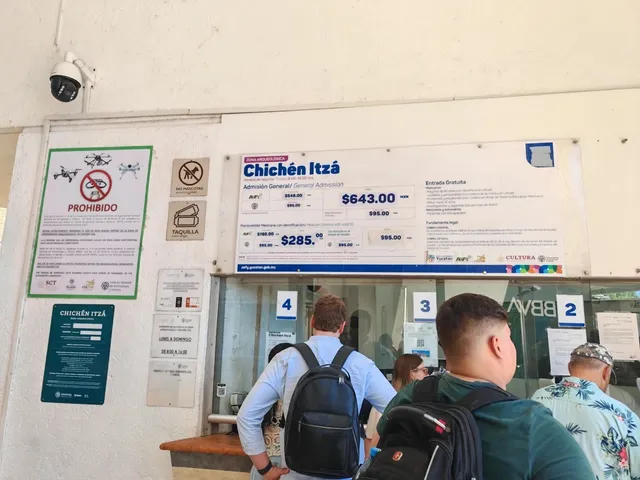
Some tips: When entering, avoid the first line of "guides" that are trying to sell you combo tickets to a bunch of things you may not want or have time to see. These guys basically upcharge you to find the parking area, which you can't miss, and then buy your tickets for you. Save your money and spend it on a registered tour guide by the Mexican Tourism Board. Well worth it!
Bring a reusable bottle for water (I had my Yeti). You cannot enter with any plastic. Keep that in mind if you have snacks. This is to keep trash from the site. You can't bring cigarettes or lighters either.
Consider bringing sun screen or an umbrella for shade. There is limited shade on the site and it is scorching hot.
Bring toilet paper! They have restrooms but most have no paper and not toilet seats. Plan accordingly.
Overall, this is a great, affordable toursit destination that will offer you both mental and physicall stimulation. Appropriate for all ages and generally speaking, Mexico is LGBTQ friendly. However, if you have mobility concerns... this may be a problem. To get into the site you'll need to climb a big flight of stairs to the entrance. After that, it's mostly flat, but some areas have tree roots and rocks that you need to step over. Not great for wheelchairs or anyone using...
Read more