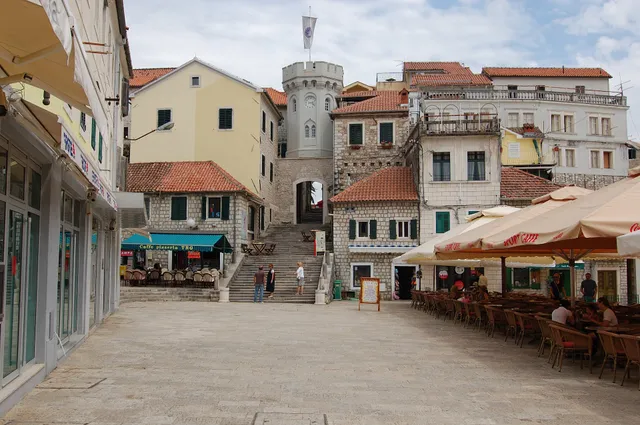
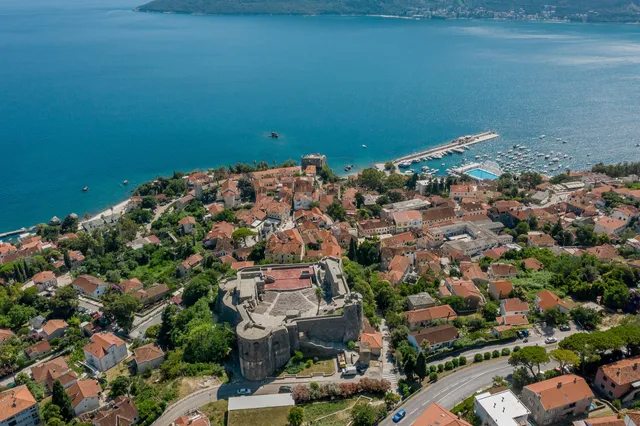
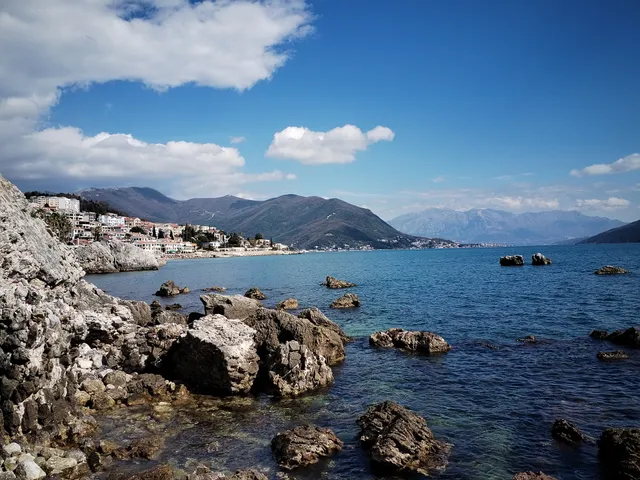
was not fiction but historical truth was the defense of the siege of Castelnuovo, current Hercec Novi on the coast of Montenegro in 1539, in which the Spanish Tercio of Sarmiento in charge of the Field Master Don Pedro Sarmiento, formed by veterans of the extinct Tercio of Lombardy of about 3500 to 4000 soldiers, resisted the onslaught by land and sea of 50,000 Ottomans among which was the Turkish elite infantry, the Jenizaros, commanded by the same Barbarossa, lieutenant of Soliman the Magnificent for more than three weeks . Almost all of the four thousand Janissaries and another 16,000 Ottoman soldiers died in the assault on Castelnuovo. On August 7, 1539 surrounded by the Ottoman army, the last Spanish soldiers fought back to back until exhaustion. At the end of that day, Castelnuovo was completely in Ottoman hands. Dying the captains and the Field Master D Pedro Sarmiento. Among the Spanish defenders only two hundred men survived, mostly wounded. Half of the prisoners were executed to quench the desire for revenge of the Ottoman troops, who were very enraged at the high losses suffered in the capture of Castelnuovo. Te rest of the few Spanish survivors were sent to Constantinople as slaves, although twenty-five of them starred in a feat six years later, when they managed to escape from prison and navigate to the Italian port of Messina. Thanks to the Spanish heroes of Castelnuovo, Solimam the Magnificent had to delay his plans for invasion of Europe, giving time to Emperor Charles I of Spain and the Holy League to reorganize. The feat of the Tercio of Sarmiento in Castelnuovo was admired throughout Christian Europe, composing songs, poems and glosses for his brave soldiers like the following: Glorious heroes, well, heaven He gave you more part that denied you the earth, it’s good that for so much war trophy Your bones are shown on the ground. If it is fair to wish, if honest zeal in courageous heart it is locked, I already seem to see, or that it be earth for you our Hesperia, or it is raised in flight. Not for revenge, no, you didn't let To the living enjoy so much glory, You took her in your blood; But to prove that memory Of the happy death you attained, You must envy more than victory
—Soneto 217 by Gutierre de Cetina (1520–1557) entitled «To the bones of the dead Spaniards in...
Read moreDurante el reinado de Carlos V en el siglo XVI, aquí en Europa, las guerras contra los turcos eran frecuentes con el fin de no dejarles avanzar hacia la Europa Central. Precisamente, en 1538 se llegó a crear la Santa Liga compuesta principalmente por italianos, incluso el Papa, franceses, austriacos y sobre todo españoles para evitar que el imperio otomano se extendiera por Europa. En aquella época, Nápoles y Sicilia, que eran reinos españoles, lograron arrebatar a Barbarroja la fortaleza de Castelnuovo en la costa Dálmata, hoy Herceg-Novi, en Montenegro. Después de vencer a los turcos, quedó defendida por 3000 soldados españoles del tercio de Nápoles bajo el mando de Andrés de Sarmiento. En julio de1539 Barbarroja dispuso los preparativos para tratar de recuperar la fortaleza, tanto por tierra como por mar. Sus recursos eran 130 galeras y 70 galeotas auxiliares tripuladas por 20.000 marinos veteranos. Un ejército de 30.000 hombres dirigidos por El Ulema de Bosnia se desplegó por tierra. A pesar de su gran superioridad y de que los defensores españoles no disponían de alimentos frescos y víveres suficientes, los primeros asaltos fueron un fracaso para los musulmanes que tuvieron muchas bajas y se vieron obligados a retirarse. Nuevamente, días después, Barbarroja vuelve a atacar a la fortaleza con más efectivos, pero mientras tanto, la Santa Liga se había disuelto debido a las desavenencias entre todos sus miembros y en Castelnuovo no podrán recibir refuerzos ni víveres como estaba previsto. Durante varios días los gigantescos cañones turcos bombardearon la fortaleza y los españoles quedaron reducidos a 600 hombres. En ese momento, Barbarroja, ofrece una rendición honrosa para aquellos hombres que habían resistido el gran asedio, pero Sarmiento se negó a aceptarla y le respondió con la célebre frase “que viniesen cuando quisiesen”. Cuando los turcos asaltaron las ruinas, los supervivientes se batieron cuerpo a cuerpo, espada en mano con los musulmanes, y obligaron a los españoles a rendirse. Sarmiento y todos sus capitanes murieron en los últimos combates, tras lo cual los 200 españoles que aún quedaban vivos se rindieron. Al menos la mitad de ellos fueron degollados para satisfacer a la tropa musulmana y alrededor de sólo 100 hombres fueron llevados a Constantinopla como prisioneros. La valentía demostrada por el tercio de Sarmiento causó amplia admiración en toda Europa, e incluso, la gesta fue cantada y escrita por poetas de la época. Seis años después, el 22 de junio de 1545, llegó al puerto de Mesina una galeota de la que desembarcaron un grupo de prisioneros escapados de las prisiones de Constantinopla, entre ellos 25 supervivientes de Castelnuovo, dos de los cuales, los de mayor graduación, fueron nombrados “Varones de Castelnuovo” por las autoridades españolas en Sicilia. Al parecer, uno de ellos, se quedó en Sicilia dando lugar a la rama de los descendientes Castelnuovo de aquella zona, y el otro, se fue a la Toscana dando lugar a la otra rama de descendientes. De ahi proviene...
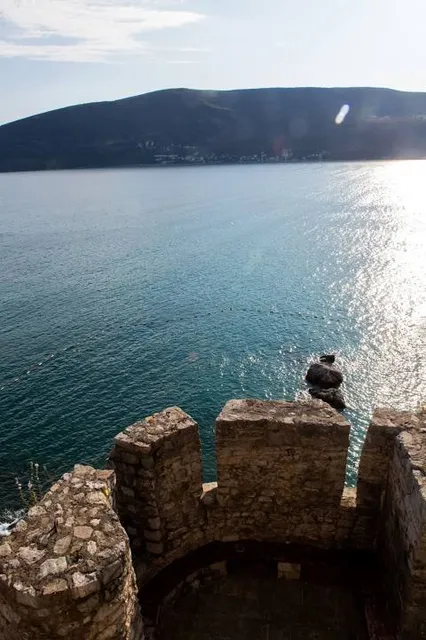
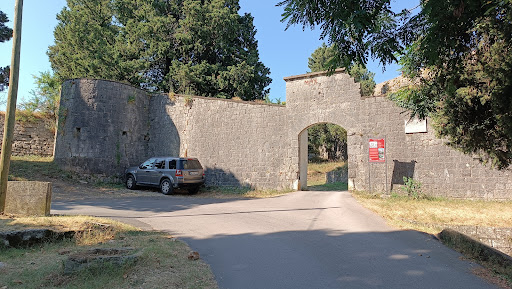
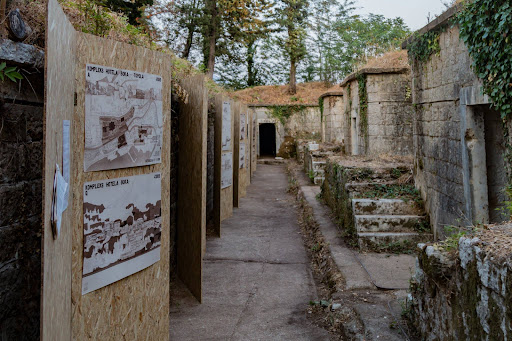
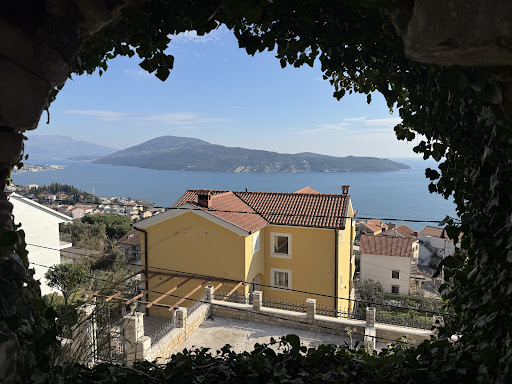
Read moreA majestic view from the fortress. Unfortunately it is totally forgotten by the city authorities. Poorly maintained even though it can be a great tourist attraction. The entrance is free.
This is a great place to visit on a hill hike. It is very peaceful and great for anyone who wants to excape noise from the city. One can even come by car but that would be a pitty mistake. Coming here by walking is always a good exercise and adventure, because there are so many different walkways that lead to it. Everyone who comes to Herceg Novi ought to visit Španjola fortress.
Even though the place is generaly safe, parents should keep a good eye on their kids because upper floor is not secured by nets or fence, and kids could fall from the tall fortress walls. Another danger for kids could be the old draw-well and snakes in the...
Read more