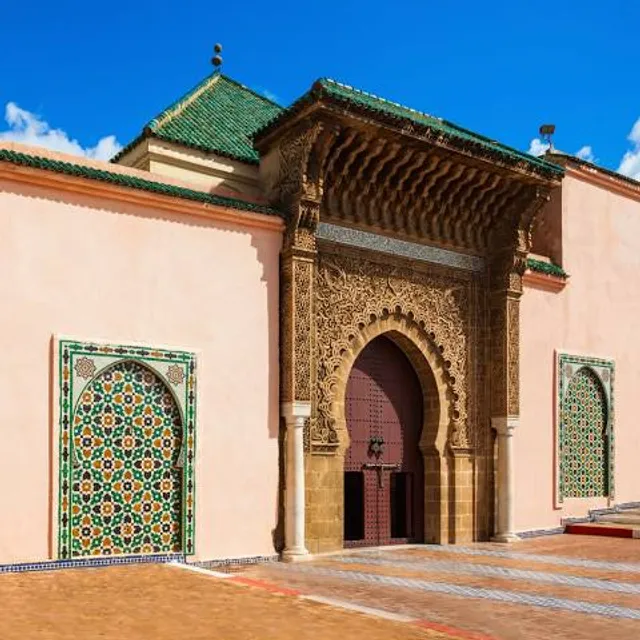
🇲🇦 أشهد أن لا إله إلا الله وأشهد أن محمد رسول الله Moulay Ismail Mausoleum in Meknes: An Architectural Masterpiece and Symbol of the Alawite Dynasty The Mausoleum of Moulay Ismail in Meknes stands as a prominent historical and religious landmark, and one of the most significant mausoleums in Morocco. This magnificent edifice, located in the heart of the Ismaili city, reflects the grandeur of Sultan Moulay Ismail, who ruled Morocco for over half a century (1672-1727), unified the country, and established Meknes as the capital of his empire. Foundation and Construction The construction of Moulay Ismail's mausoleum began during the Sultan's reign and was completed after his death. It is said that Sultan Moulay Ismail himself oversaw the building of significant portions of the mausoleum during his lifetime. Moulay Ismail meticulously chose the mausoleum's location, ensuring it would be an integral part of the vast royal palace he constructed in Meknes. Subsequent generations of Alawite sultans continued the work of expansion and ornamentation, particularly during the reign of Sultan Sidi Mohammed ibn Abdallah (18th century), who added numerous exquisite improvements and decorations. Architectural and Decorative Significance The Moulay Ismail Mausoleum is considered an architectural masterpiece par excellence, embodying the pinnacle of Moroccan architectural art from the Alawite era. The mausoleum features: Spacious Courtyards: The mausoleum encompasses several expansive courtyards adorned with traditional mosaic tiles (zellige) and fountains. Main Hall: This is the hall containing the tomb of Sultan Moulay Ismail, surrounded by the tombs of some of his family members. This hall is distinguished by a breathtakingly ornate wooden ceiling, marble columns, and walls covered with zellige and intricate plaster carvings. Rich Ornamentation: The mausoleum is renowned for its rich decorations that blend authentic Andalusian and Moroccan art, ranging from intricate carvings on wood and plaster, to colorful zellige covering the walls and floors, and grand chandeliers. Historical Relics: The mausoleum also houses a water clock gifted by King Louis XIV of France to Moulay Ismail, symbolizing the diplomatic relations between Morocco and Europe during that period. Religious and Symbolic Importance Tomb of the Founding Sultan: The mausoleum is considered a sacred place and a pilgrimage site for Moroccans. It enshrines the remains of one of Morocco's greatest sultans, who unified the country, laid the foundations of the modern Alawite state, and built Meknes into an imposing capital. Visits and Prayers: Many Moroccans visit the site for blessings and prayers, especially during religious occasions. Symbol of Power: The mausoleum symbolizes the strength and continuity of the Alawite dynasty, reflecting Moulay Ismail's influence in his time. The Mausoleum Today Today, the Moulay Ismail Mausoleum remains a major tourist destination in Meknes, where visitors from all over the world can explore its architectural grandeur and rich history. Despite being a religious shrine, its doors are open to non-Muslim visitors (though access to the main tomb chamber itself is usually restricted to Muslims, it can be viewed from outside), making it a living testament to Morocco's cultural tolerance and coexistence. The mausoleum is meticulously preserved as part of Morocco's...
Read moreMausoleum of Moulay Isma'il is a historic Islamic funerary complex in Meknes, Morocco. It encompasses the tomb of Sultan Moulay Ismail, who governed Morocco from 1672 until his death in 1727, and is situated within the confines of his citadel. It is a notable historic and religious site in the city.
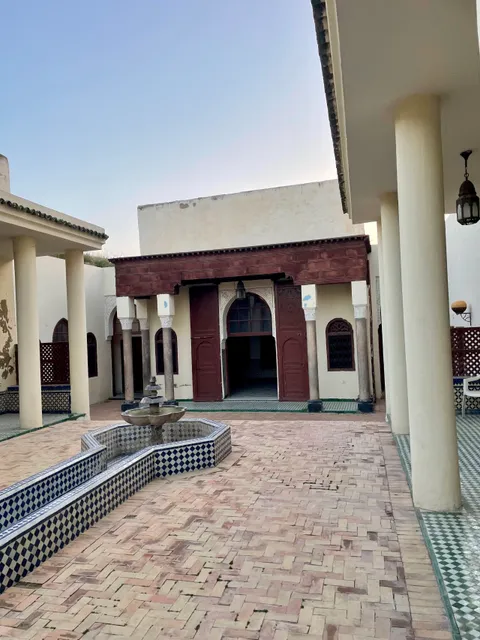
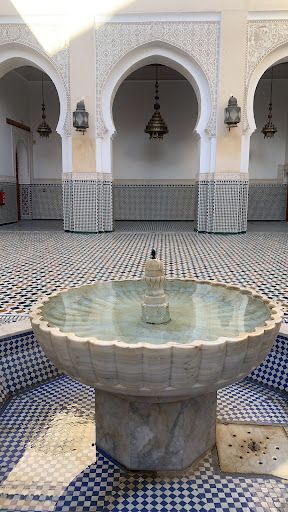
The funerary complex consists of various courtyards and chambers. The main central courtyard, located on the west side of the tomb chamber, is sparsely decorated except for a central fountain and pavement. The western and eastern sides of the courtyard are occupied by these horseshoe arches.
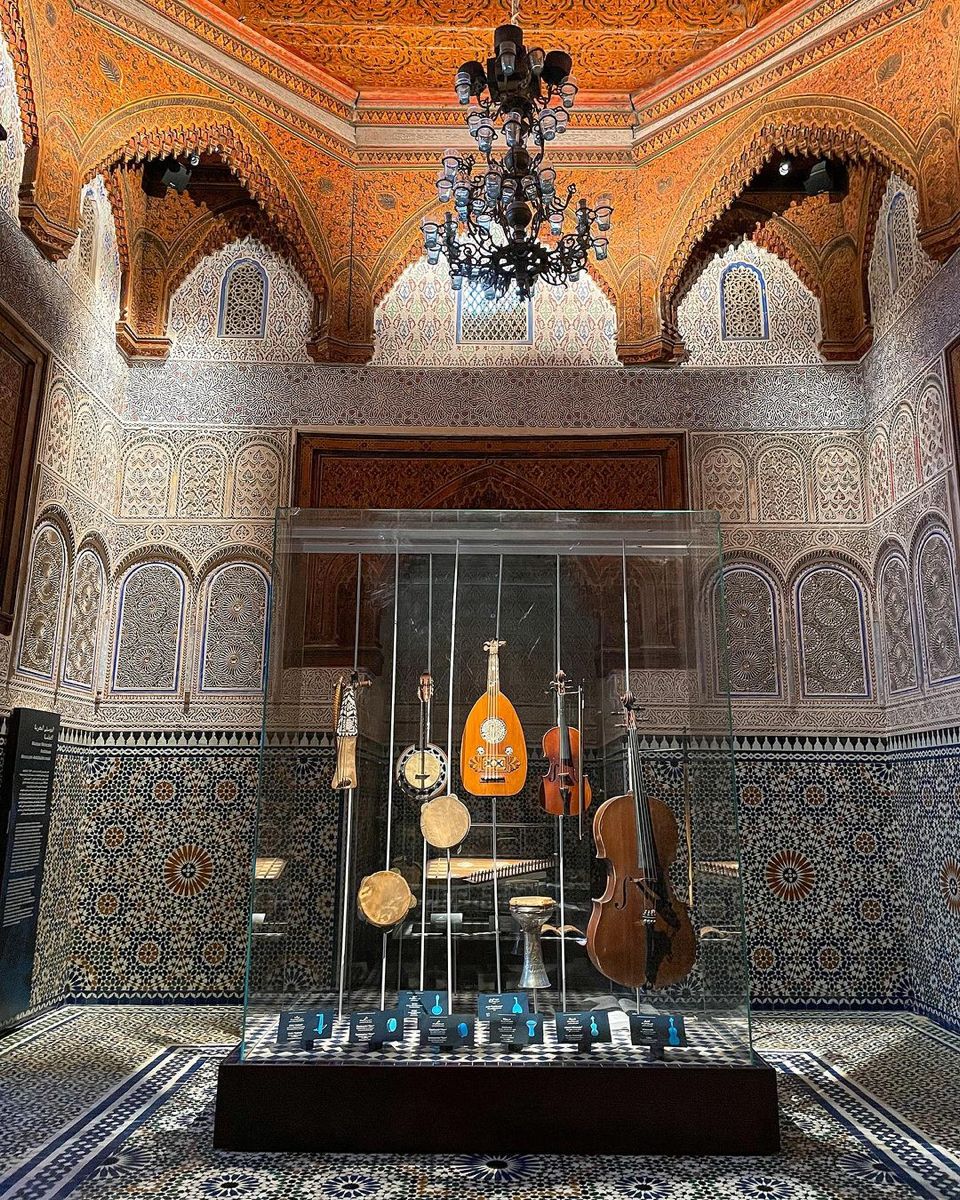
Behind the courtyard's eastern wall are the mausoleum chamber and adjoining rooms. An indoor patio or courtyard covered by a high amazingly beautiful cupola ceiling. The pavement and lower walls are decorated with zellij tilework that feature circular or radiating geometric patterns, typical of Moroccan architecture. At the center of the patio is an ornate fountain, and while the cupola ceiling above primarily features painted and carved wood. The wooden cupola ceiling and stucco-carved walls of the patio are remarkably stunning. The cupola is high enough to allow for windows that bring in natural light. Its beauty undoubtedly mesmerizes thousands of visitors.
The mausoleum is a square chamber which holds the tombstones of Moulay Isma'il. The royal tombstones are made of marble and are richly carved with Arabic calligraphic inscriptions.
Similar to other Moroccan cultural landmarks, images merely offer a glimpse of its beauty. To experience its beauty in its entirety, an on-site visit is required. Time constraints, such as what I experienced with my tour group; limited the capture and sharing of only a few essential aspects of The Mausoleum of...
Read moreThe Mausoleum is the resting place of the second king of the Alaouite dynasty, Moulay Ismail. Famous as for many reasons depending which perspective of history you are reading from.
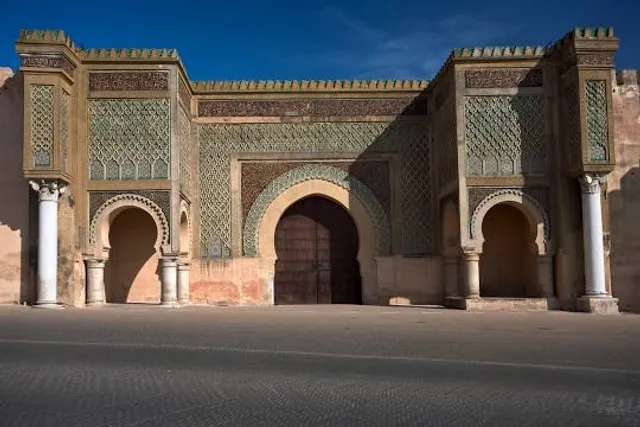
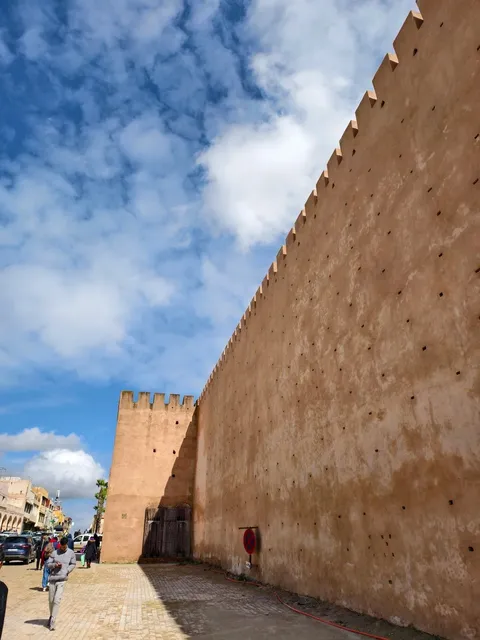
The mausoleum is situated within the high walls of the palace, accessible most easily from Bab Mansour.
The Mausoleum is currently under refurbishment (13/06/2018) and is expected to be reopen for the public in late October.
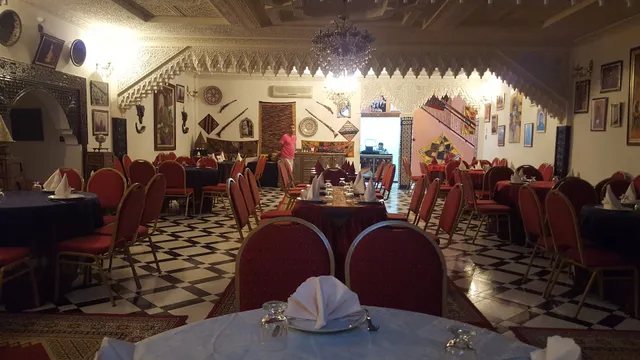
There are a few souvenir shops opposite the Mausoleum, horse and buggy service offering a tour of the palace and a few over priced restaurants. Within a hundred yards of the Mausoleum there is the Palace golf course and also the dungeons (20 MD entrance fee).
The mausoleum should be a delight once fully...
Read more