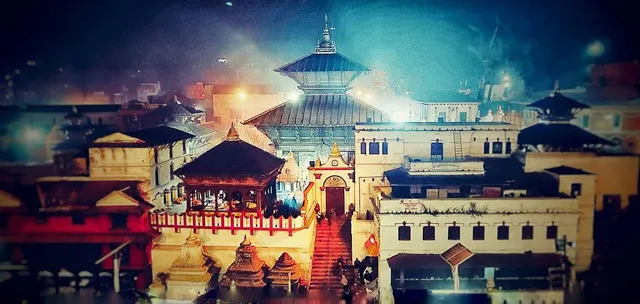
A holy site for the departed; a place for getting your feet grounded. As a non-Hindu or non-Nepali, you will feel an admiration for the Nepali Hindu people, especially on how they pay respects to their dearly departed. And this is shown here in Pashupatinath. You will feel a certain melancholy taking over - an emotion quite difficult to explain, quite enigmatic.
In addition to Boudhanath Stupah and Patan Durbar Square, Pashupatinath is probably the one of the top 3 sites to visit in Kathmandu.
It is my second time in Kathmandu and in Pashupatinath. It warrants another visit as it very interesting. There are multiple entrances to this holy site, and on my second visit, I entered the west gate wherein the walk to the main areas and temple is longer than the main entrance. Nevertheless, upon entering the gate, I was welcomed by people from all walks of life – from the simple, middle class to the exorbitant, higher-class people from the Nepali society. I was enamored by the diversity, and as a photographer, opportunities to take street and portrait photography are abound. The Nepali people do not really mind being photographed; some of them seem to enjoy posing for my camera J
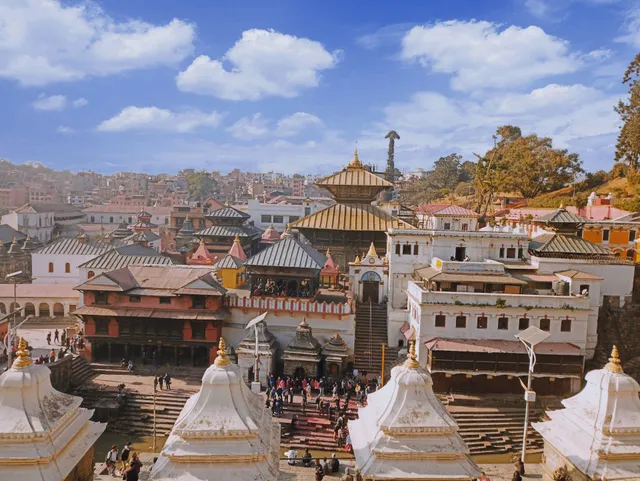
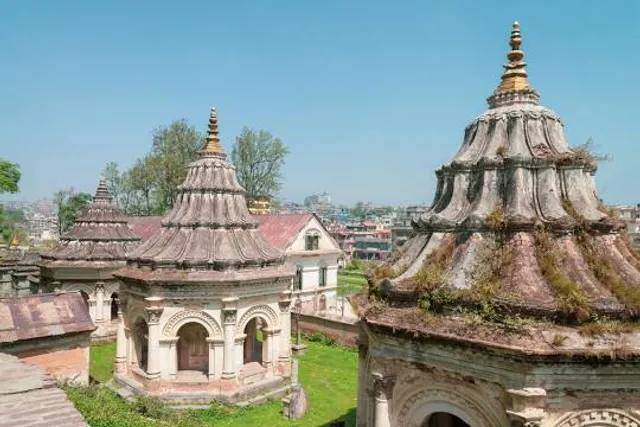
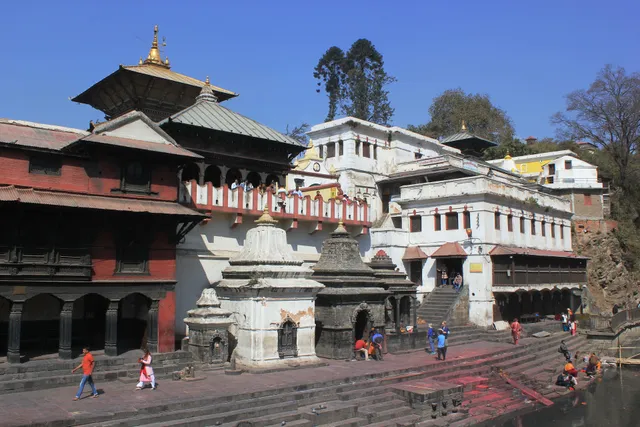
There are two main sections, in my own observation: these are the ghaats or the riverside cremation sites (or where the cremation takes place) as well as the main Hindu temple. Though I am not allowed to enter the said Hindu temple, since I am not Hindu, you can enter the plaza of the said main temple only. The said plaza is huge – color me impressed! I saw a lot of local Nepalis lounging and having family picnics in the said plaza, having a great time. According to the tour guide (whom I hired at the main gate of this site) families are gathered here as most of them commemorate the anniversary of the passing of their loved ones, and they celebrate it within the Pashupatinath temple grounds. All the ladies wore traditional dresses and I am at awe: they adorned themselves with huge golden bangles, ornate jewelry, and even flowers as well. What is very peculiar is their bindi – the red paint or powder on the center of the forehead. It is peculiar since the bindis I saw were very intricate. Some of them look elaborate: liberal or copious amounts of the red or yellow color powder are applied on their foreheads. Some are even mostly applied to their faces’ entirety.
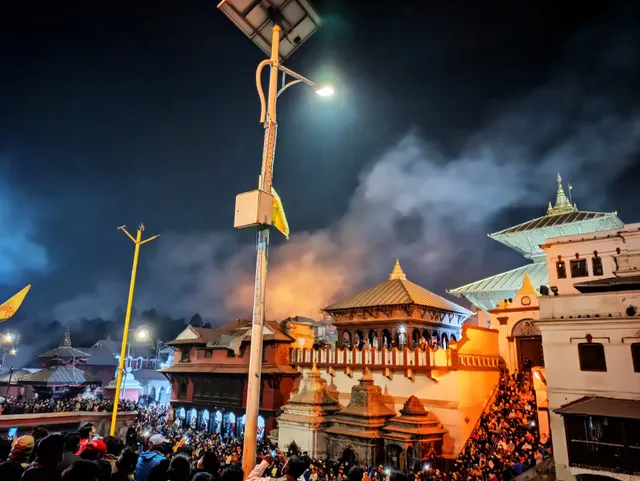
The cremation areas or sites (ghaats by the river) are very ethereal. All people, even the tourists, need to behave and pay respect to the ghaat sites since bodies of the departed are being burned according to Hindu faith. And witnessing family members gathered around the body of their loved one was very surreal. Some family members were literally wailing or crying loudly – and according to my tour guide, these people get really emotional. The reason for this is that upon passing away, bodies need to be burned ASAP or within the day of their passing according to Hindu faith, unlike in most countries wherein there is a period of gathering for days before interment. And of course, probably witnessing the cremation of your loved one whom you just saw laughing yesterday and immediately cremated the next day is very painful to watch or experience.
In a nutshell, this is not similar to Varanasi in India which I visited as well. Though it is way smaller than Varanasi, Pashupatinath is much more ‘condensed’, with a very narrow river. One positive aspect of this site versus Varanasi is that, due to how concentrated the areas are for cremation as well as the places for worship, Pashupatinath is a more picturesque site; the holy temples and structures surrounding the river and cremation sites make it ideal for photography.
So when you are in Kathmandu or if you have a day or 2 to spare before your Nepali trek, visiting Pashupatinath should be in your must visit list. You will feel blessed and your soul will...
Read moreHere’s a heartfelt and spiritually evocative review of the Pashupatinath Temple in Kathmandu: with its Sandhya Aarti
⸻
Review: Pashupatinath Temple – A Sacred Pulse of Kathmandu
Visiting Pashupatinath Temple is not just a journey to a religious site—it’s an encounter with the eternal. Nestled on the banks of the sacred Bagmati River, this centuries-old temple is one of the most revered shrines dedicated to Lord Shiva, and the spiritual energy here is deeply palpable.
The moment you enter, the scent of incense, the rhythmic chants of priests, and the sound of temple bells draw you inward. Despite the crowds and rituals, there’s a strange, humbling silence within—the kind that makes you feel connected to something far greater than yourself.
Pashupatinath isn’t just a temple—it’s a living spiritual center. From early morning aartis to evening prayers, every ritual carries the weight of centuries of devotion. Watching sadhus in saffron robes, cremation ceremonies by the riverside, and the calm, timeless face of the main lingam deep within the sanctum, one feels both the fragility and the continuity of life.
There’s a sacred rhythm in this space that mirrors the flow of the Bagmati—sometimes gentle, sometimes intense—but always moving, always connecting. Pashupatinath reminds you that spirituality is not just found in silence and solitude, but in the fire, the ashes, the chants, and the unwavering devotion of the people who come here seeking grace.
It’s a place where life and death meet. Where the material world fades, and the spiritual takes form. A visit to Pashupatinath stays with you, long after you leave—like a quiet prayer echoing in your heart.
Certainly! Here’s a vivid and spiritually rich description of the evening aarti at Pashupatinath Temple:
⸻
The Evening Aarti at Pashupatinath – A Divine Symphony on the Bagmati
As the sun begins to set behind the ancient city of Kathmandu, a mystical energy awakens at the banks of the Bagmati River, right in front of the majestic Pashupatinath Temple. Every evening, as dusk falls, the temple comes alive with the soulful and sacred Sandhya Aarti—a mesmerizing ritual that feels like a bridge between heaven and earth.
Priests dressed in traditional attire, dhotis and angavastrams, gather along the riverfront with large brass lamps in hand. The air fills with the deep tones of conch shells, rhythmic damaru drums, and chanting of mantras in praise of Lord Shiva—especially in his form as Pashupati, the Lord of all beings.
As the aarti begins, the flames of the multi-tiered oil lamps swirl in synchronized movements, symbolizing the dance of the cosmos and the cyclical nature of creation and destruction. The priests perform with a beautiful, meditative grace—each motion deliberate, every chant resonant with devotion. The smoke from incense and the glow of the lamps shimmer over the water, creating a sacred atmosphere that feels suspended in time.
Devotees sit in silent reverence or sing along with folded hands. Some offer small diyas (oil lamps) into the river, watching them drift gently downstream as if carrying prayers into the infinite.
The Pashupatinath evening aarti is not just a ritual—it’s an experience that touches something deep within. It is devotion in motion, a moment where the spiritual becomes visible, where fire becomes prayer, and where silence and sound coexist in...
Read morePashupatinath Temple, located on the banks of the sacred Bagmati River in Kathmandu, Nepal, is one of the most significant Hindu temples in the world. It holds immense religious and cultural importance, attracting pilgrims and visitors from across the globe. Here's a deeper look into this revered site:
Spiritual Significance:
Lord Pashupati: The temple is dedicated to Lord Pashupati, a manifestation of Lord Shiva, considered the protector of animals and the lord of all living beings. Sacred River: The Bagmati River, flowing beside the temple, is considered holy, and cremation ceremonies are performed along its banks, adding to the temple's spiritual significance. Jyotirlinga: Pashupatinath is considered one of the holiest of Shiva temples and is counted among the twelve Jyotirlingas (though this is debated, it holds immense importance). Moksha: Hindus believe that dying and being cremated on the banks of the Bagmati River leads to liberation (moksha). Architectural and Cultural Heritage:
Pagoda Style: The temple's main structure is built in the pagoda style, with a gilded roof and intricate carvings. Four Entrances: The temple has four entrances, each facing a cardinal direction, and the main shrine houses a lingam with four faces, representing the four directions. Rituals and Ceremonies: The temple is a center for various Hindu rituals and ceremonies, including daily aartis (worship ceremonies) and special pujas (prayers). Sadhus and Ascetics: The temple grounds are often frequented by sadhus (Hindu holy men), adding to the spiritual atmosphere. Festivals: Maha Shivaratri is the most significant festival celebrated at Pashupatinath, attracting hundreds of thousands of devotees. Visiting Pashupatinath:
Non-Hindus: While non-Hindus are not allowed to enter the main temple complex, they can observe the rituals and ceremonies from the eastern bank of the Bagmati River. Cremation Ceremonies: The cremation ceremonies along the Bagmati River are a significant part of the temple's atmosphere and can be a moving experience. It is important to observe these ceremonies with respect and sensitivity. Photography: Photography is generally allowed in the temple complex, but it's essential to be respectful of the rituals and ceremonies. Security: Like any major religious site, Pashupatinath has security measures in place. The Experience:
Visiting Pashupatinath is a powerful and transformative experience. The sights, sounds, and smells of the temple create an immersive atmosphere that leaves a lasting impression. Whether you are a devout Hindu, a cultural enthusiast, or simply a curious traveler, Pashupatinath offers a glimpse into the heart of Hindu spirituality and Nepali culture. It is a place where life and death intertwine, where ancient traditions continue to thrive, and where the divine is...
Read more