A Fun and Informative Experience
I recently visited the Royal Aruba Aloe Company Museum and Factory Tour and had a great time! The tour was both fun and very informative, offering a fascinating look at the history and process behind Aruba’s famous aloe products.
Tour Details and Tips
Tour Length: The guided tour itself is about 20 minutes long. We did have to wait about 10 minutes before our group started, but that gave us a chance to look around. Plenty to Explore: While waiting, I appreciated that there was a lot of interesting material on the walls to read about the history of aloe and the company itself—perfect for anyone who likes to soak up extra information.
Best Order: I highly recommend doing the tour before shopping in the store. You’ll be much more informed about the products and what makes them special after seeing the process firsthand.
Great for Curious Adults – Maybe Not for Young Kids
While I thoroughly enjoyed learning about the history of aloe in Aruba and how it’s harvested and processed, I would say that this tour is not particularly suited for children under 12—unless they have a genuine interest in history or the science behind aloe. The content is well-presented but might not capture younger children’s attention.
Surprising Facts and Skilled Guides
The guides did an excellent job explaining how aloe is grown, harvested, and processed into health products. I was surprised to discover just how many uses aloe has, and I was even more surprised to learn that the company only makes skincare products—no aloe drinks! Another interesting takeaway: if you see a product labeled as “100% aloe” (other than theirs), it’s probably not authentic.
Easy Logistics and Comfortable Setting
Getting to the facility was easy—plenty of parking, light traffic, and the location is straightforward to find. The tour itself is mostly indoors (with a bit of walking outside), so you stay comfortable even in Aruba’s heat.
Free and Easy to Join
One of the best parts: the tour is free! Just sign up when you arrive at the facility.
Overall Impression
If you’re looking for a unique, educational experience on Aruba, I’d definitely recommend this tour—especially for adults or anyone interested in local history, science, or natural health products. A hidden gem that’s well...
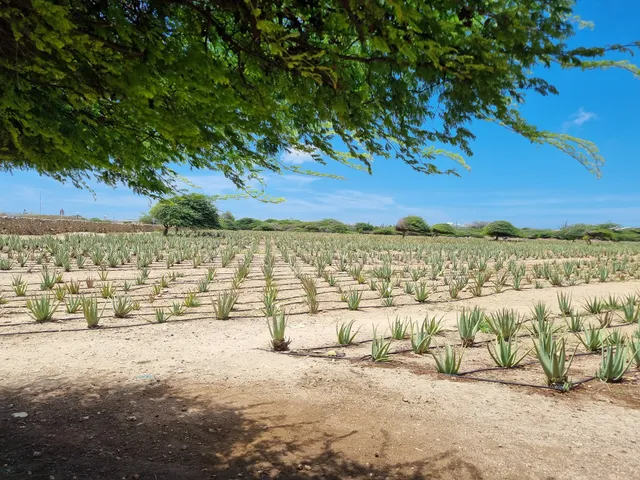
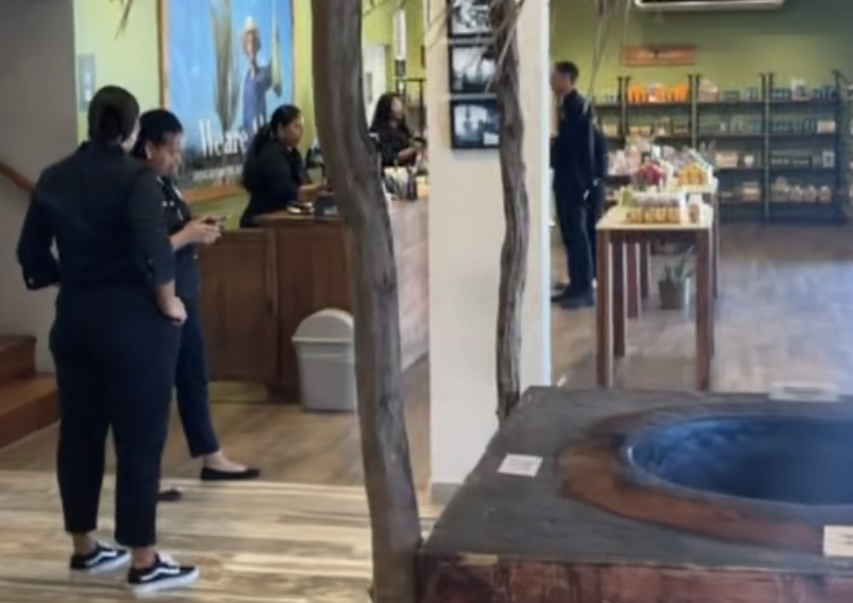
Read moreWe were excited to tour Aruba Aloe and learn more about their products and processes. When we arrived, a tour had just finished, and we were told to wait a few minutes for the next one. While waiting, we explored the gift shop and museum side of the building, which gave us time to browse their products and read about the aloe grown on-site.
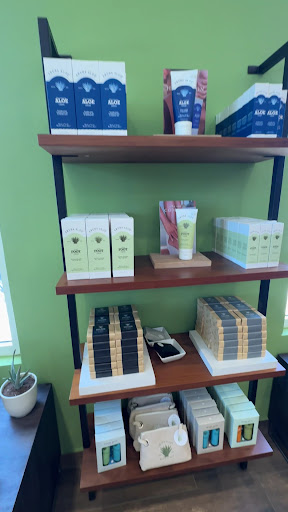
We were then informed that the next tour would be in German, so we would have to wait even longer. During this time, we took a closer look at the products and began to understand why the tours were free. The cost of their products seemed high, especially considering the use of synthetic ingredients in almost every product they sell.
For a company that highlights its commitment to sustainability, the inclusion of so many synthetic ingredients was disappointing. While they do not explicitly claim to be 100% natural, their commitment to sustainability implies a higher standard. Many of their products contain synthetic surfactants and preservatives, such as Sodium Laureth Sulfate, PEG-7 Glyceryl Cocoate, and Methylchloroisothiazolinone. These ingredients raise concerns due to potential impurities, allergenic properties, and environmental risks.
Natural aloe is known for its healing properties, but when combined with synthetic ingredients derived from petroleum or those that harm aquatic ecosystems, the final product feels at odds with the brand’s ethos. At $69 USD for a three-pack of 8.5-ounce aloe gels (and less when ordered online USD $62.00 ), the price might be justified if the formulas avoided such additives and relied solely on natural alternatives. However, given that they operate 16 retail shops on a 6 x 22-mile island, the inflated prices appear to cover the free tours and extensive retail presence, rather than reflect the quality of the products themselves.
While Aruba Aloe does include some beneficial natural extracts like aloe vera from their own farms, sage, rosemary, and lemongrass, the presence of synthetic ingredients diminishes the overall appeal. If your goal is to obtain the healing properties of pure aloe, you might be better off growing your own aloe vera (you can buy them At Trader Joes world wide for USD $5.99 a plant ) and extracting the gel yourself.
We ultimately decided to...
Read moreI visited the Aruba Aloe Museum today, hoping to learn about local products and maybe even take some souvenirs home, but I left feeling extremely disrespected. The entire experience was unsettling and disappointing.
When my boyfriend and I walked in, we weren’t greeted at all—no “hello,” no “welcome.” The staff stood near the register chatting with each other, occasionally glancing over but never acknowledging us. We felt ignored and unwelcome. Yet, when a white family walked in shortly after, the staff immediately greeted them with smiles, offered them a tour, and even walked over to engage with them. The difference in treatment was painfully obvious and, frankly, disrespectful.
Things got worse when we tried the product samples. As we stood by the sink trying the scrubs, a staff member sent another employee to monitor us. This person stood right next to us, watching but not offering any assistance or engaging with us in any meaningful way. The message was clear, and it felt as if we were being treated like we didn’t belong.
Feeling uncomfortable, my boyfriend asked to speak to a supervisor. By the time the manager arrived, we were already on our way out. It’s a shame because I really wanted to support this local business, but after such a negative experience, they won’t be getting my USD.
This was meant to be a welcoming experience, especially for tourists, but it left a bad taste. I hope the management reconsiders how they treat their guests, regardless of...
Read more