🏛️ Lahore Museum – A Timeless Journey Through History
Location: Shahrah-e-Quaid-e-Azam (formerly Mall Road), Lahore, Punjab, Pakistan Established: 1865; relocated to current site in 1894 Architectural Style: Indo-Saracenic (a blend of Mughal and British Colonial) Website: [lahoremuseum.punjab.gov.pk]
🏰 Architectural Grandeur
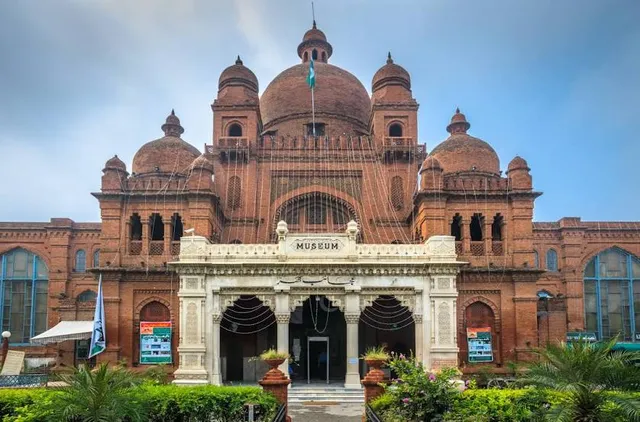
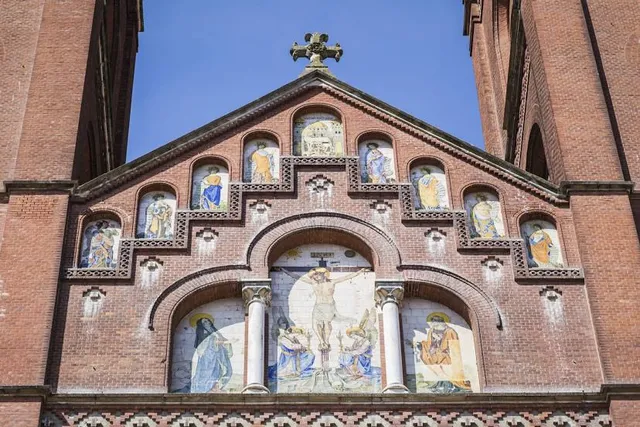
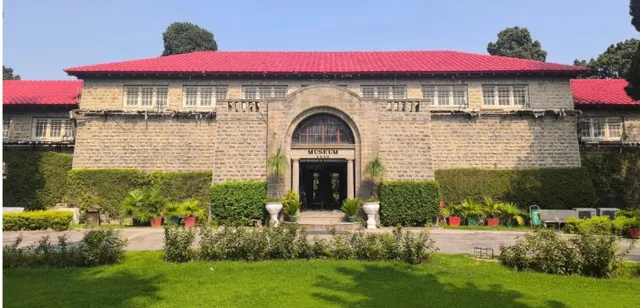
The Lahore Museum's striking red-brick façade and domed towers exemplify the Indo-Saracenic architectural style. Designed by Sir Ganga Ram, the building's design harmoniously blends Mughal and British colonial elements, making it a landmark on Lahore's historic Mall Road. The museum's grandeur has earned it literary fame as the "Wonder House" in Rudyard Kipling's novel Kim.
🖼️ Diverse Collections
Housing over 60,000 artifacts, the Lahore Museum offers a comprehensive glimpse into South Asia's rich cultural tapestry. Key highlights include:
Gandhara Art Gallery: Features Greco-Buddhist sculptures from the ancient Gandhara region, including the renowned Fasting Buddha statue.
Indus Valley Civilization: Displays seals, pottery, and tools from one of the world's earliest urban cultures.
Islamic & Mughal Art: Exhibits intricate calligraphy, manuscripts, and Mughal-era artifacts.
Sikh & Hindu Artifacts: Showcases religious symbols, manuscripts, and ceremonial items.
Coin Collection: Boasts over 40,000 coins spanning various dynasties, including Indo-Greek, Mughal, and British.
Ethnological Gallery: Highlights cultural artifacts from regions like Swat, reflecting Pakistan's diverse heritage.
Modern Art: Features contemporary works, including murals by renowned artists like Sadequain.
🖌️ Notable Artworks
"Evolution of Mankind" by Sadequain: A monumental mural depicting humanity's journey towards enlightenment.
"Polo Players" by Ismail Gulgee: A mosaic crafted from lapis lazuli, showcasing the traditional sport of polo.
Gold Coin of Mughal Emperor Akbar: A rare oblong coin minted during Akbar's reign, inscribed with Islamic calligraphy.
🧭 Visitor Experience
Visitors often commend the museum's well-organized galleries and informative displays. One reviewer noted:
"Well organized and furnished. But needs urgent upgrade. They have interesting collections. I was lucky to have the curator showing me around out of kindness and passion for her work."
While the museum offers a rich historical experience, some areas may benefit from modernization and digital enhancements.
📍 Accessibility
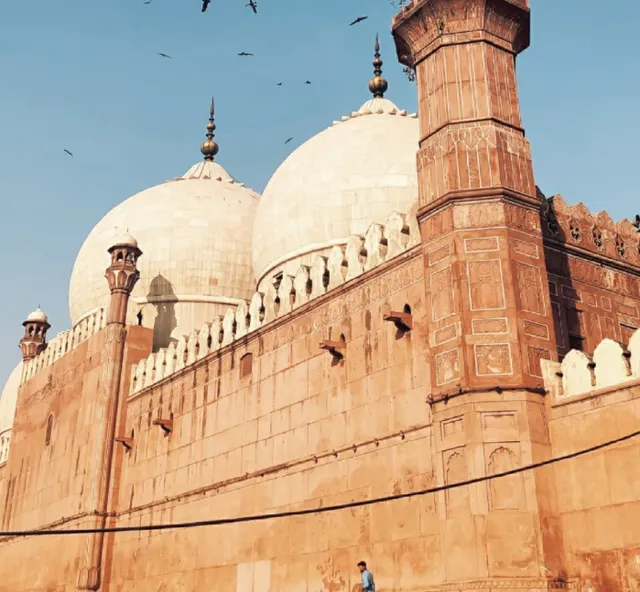
Located in the heart of Lahore, the museum is easily accessible via public transport, including the Lahore Metrobus. Its proximity to other attractions like the Lahore Fort and Badshahi Mosque makes it a convenient stop for tourists.
✅ Final Thoughts
The Lahore Museum stands as a testament to Pakistan's rich cultural heritage. Its vast collections, architectural beauty, and historical significance make it a must-visit destination for history enthusiasts, students, and tourists alike. Whether you're a local resident or a visitor, the museum offers a captivating journey...
Read moreOverview** Founded in 1865 during British colonial rule, Lahore Museum is Pakistan’s oldest and largest museum. Housed in a striking Mughal-Gothic building designed by Sir Ganga Ram, it sits opposite the iconic Lahore Fort on Shahrah-e-Quaid-e-Azam (The Mall). The museum preserves over 20,000 artifacts spanning 5,000 years of South Asian history, art, and culture.
Key Collections & Highlights Gandhara Civilization Gallery Must-see: Exquisite Buddhist sculptures, stupa relics, and intricate stone carvings (1st–5th century CE). Star artifact: The "Fasting Buddha" – a hauntingly serene Gandhara-era statue.
Islamic Art & Calligraphy Rare Qurans from the Mughal era, illuminated manuscripts, and miniature paintings. Showstopper: Emperor Aurangzeb’s personal Quran.
Mughal & Sikh Era Artifacts Weaponry, armor, jewelry, and paintings showcasing Lahore’s golden age. Tip: Don’t miss Ranjit Singh’s embellished coin collection.
Ethnological Gallery Traditional Punjabi crafts, textiles, musical instruments, and vibrant folk art.
Indus Valley Civilization Terracotta figurines, seals, and tools from Harappa and Mohenjo-Daro.
Contemporary Pakistani Art Modern paintings and sculptures by prominent artists like Sadequain.
Visitor Experience Atmosphere: The grand red-brick building evokes colonial-era grandeur, with high ceilings and arched galleries. Natural light floods the central hall. Crowds: Weekdays are quieter; weekends attract families and students. Guides: Hire an official guide (₹500–800 PKR) for deeper insights – worth it! Time Needed: 3–4 hours minimum to appreciate the major galleries.
Pros & Cons
| Pros | Cons |
|---|---|
| ✔️ World-class Gandhara collection | ❌ Poor signage (labels often lack English details) |
| ✔️ Architectural splendor | ❌ Inconsistent AC (some galleries get hot) |
| ✔️ Affordable entry (₹50 PKR) | ❌ Under renovation (parts may be closed) |
| ✔️ Central location (near Anarkali, Fort) | ❌ Crowded weekends |
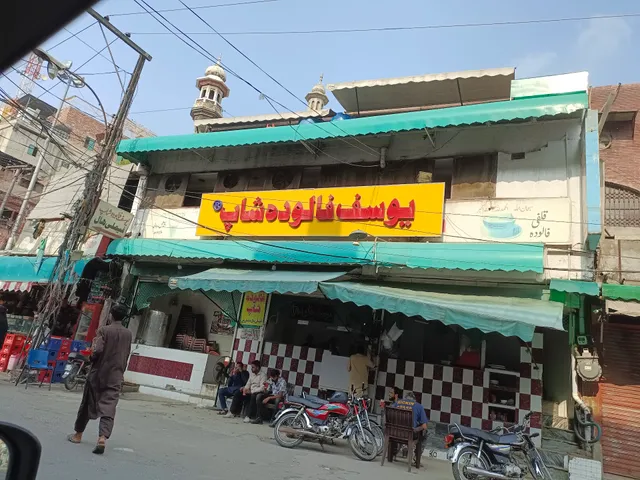
Practical Tips Hours: 9:00 AM – 4:30 PM (closed Sundays). Entry Fee: ₹50 PKR (adults); ₹20 PKR (students). Photography: Free (no flash); tripods require permission. Nearby Eats: Try Andaaz Restaurant (Mughlai cuisine) or Cuckoo’s Den (rooftop views). Combine With: Visit Lahore Fort (across the road) and Badshahi Mosque (10-min walk).
Final Verdict Lahore Museum is a cultural treasure trove – especially for history buffs and art lovers. While it needs modernization (lighting, signage), its unparalleled Gandhara collection and architectural charm make it essential viewing. 4/5 stars.
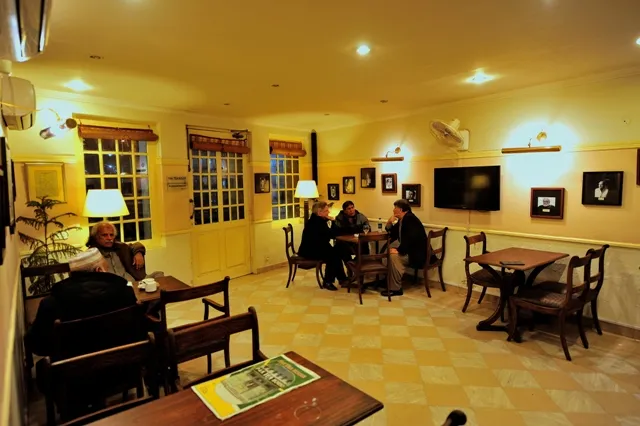
💡 Insider Tip: Start early, focus on Gandhara/Islamic galleries first, and end with the rooftop café for chai!
Have a...
Read moreThe Lahore Museum stands as a venerable institution, a testament to the rich and diverse history that has unfolded across the Indian subcontinent, particularly within the region of Punjab. Housed in a magnificent colonial-era building, the museum's collection is both extensive and meticulously curated, offering visitors a profound journey through time. From the ancient Indus Valley Civilizations, represented by fascinating artifacts like pottery and seals, to the grandeur of the Mughal Empire, showcased through intricate miniature paintings, calligraphy, and weaponry, each gallery tells a compelling story. The Buddhist art from Gandhara, in particular, is a highlight, featuring stunning sculptures that blend Hellenistic and Indian artistic traditions, reflecting the unique cultural crossroads that Lahore once was. Beyond its impressive archaeological and historical exhibits, the Lahore Museum also dedicates significant space to ethnological displays, providing insights into the traditional lifestyles, crafts, and attire of various communities across Pakistan. This aspect of the museum offers a vibrant and tangible connection to the living heritage of the land. Furthermore, the museum's numismatic collection is noteworthy, tracing the economic and political shifts through centuries of coinage. While some areas might benefit from more modern interactive displays, the sheer depth and quality of the artifacts on display more than compensate, offering a deeply enriching experience for history enthusiasts and casual visitors alike. In essence, a visit to the Lahore Museum is an indispensable experience for anyone seeking to understand the layered history and cultural tapestry of Pakistan. It serves not just as a repository of relics but as a living narrative of human civilization in this part of the world. The calm and contemplative atmosphere within its walls provides a perfect setting for reflection and learning, making it a true intellectual and aesthetic pleasure. It's a place where one can spend hours, continually discovering new facets of the past and gaining a deeper appreciation for the artistic and historical legacies...
Read more