HTML SitemapExplore
logo
Find Things to DoFind The Best Restaurants

Masjid Mahabat Khan — Attraction in Peshawar City Tehsil

Name
Masjid Mahabat Khan
Description
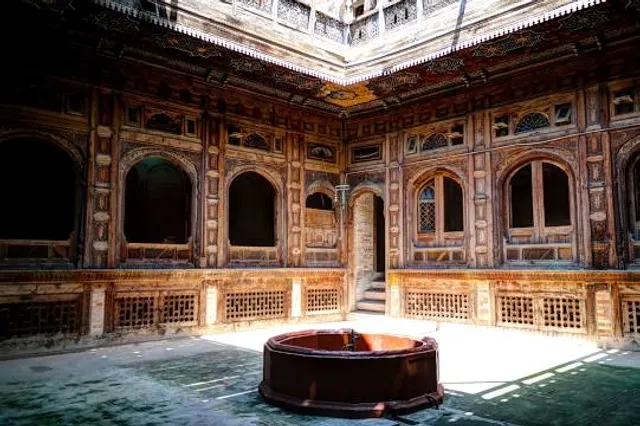
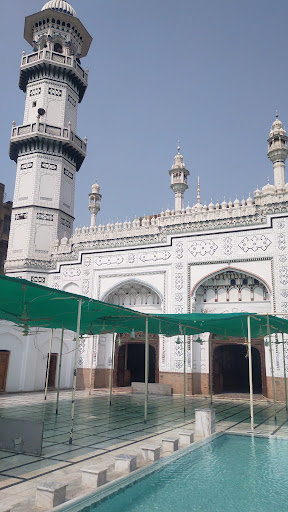
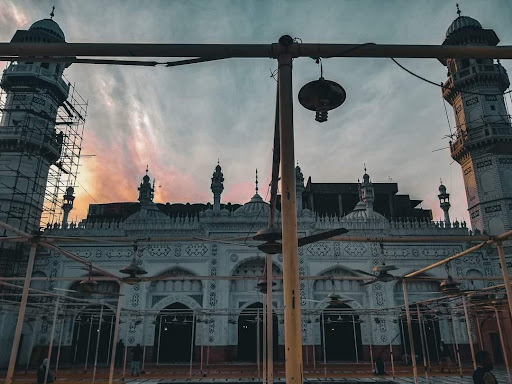
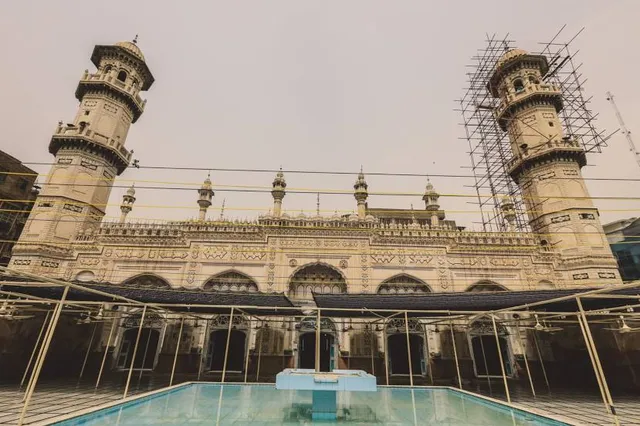
The Mahabat Khan Mosque, sometimes spelt Mohabbat Khan Mosque, is a 17th-century Mughal-era mosque in Peshawar, Pakistan. The mosque was built in 1630, and named after the Mughal governor of Peshawar, Nawab Mohabat Khan Kamboh, father of Nawab Khairandesh Khan Kamboh.
Nearby attractions
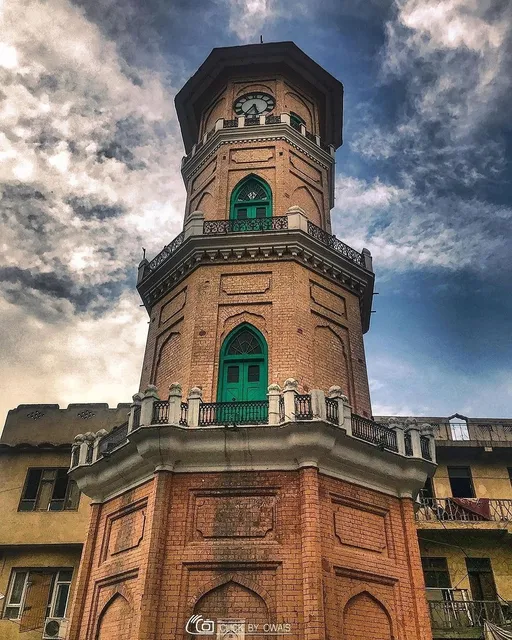
Sir Cunningham Clock Tower
2H5G+W79، Sarafa Bazar Rd, Qadimi Shehr, Mohallah Baqir Shah, Peshawar, Pakistan
Kabuli Gate Qissa Khwani Bazar
2H59+FH3, 2H59+9F3, Main Gate, between Khyber Bazaar, And Rd, Qissa Khwani Bazaar Pipal Mandi, Peshawar, Pakistan
Sethi House Museum
Mohallah Sethiyan, Chowk Yadgar Rd, Peshawar, 25000, Pakistan
Chacha Younis Park
Opposite govt high school no 2 adjacent Peshawar chamber of commerce gt Peshawar, Pakistan
Nearby restaurants
Nisar Charsi Tikka
Shop No 40، 2H48+6F9, Mohalla Jangi Namak Mandi, Peshawar, 25000, Pakistan
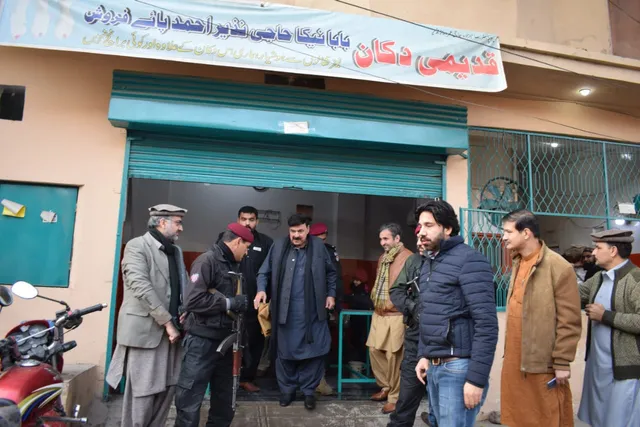
قدیمی شاپ بابا نیکا پائے فروش
Golghatree, near Tahsil goh, Mohalla Sheikhul Islam, Peshawar, 25000, Pakistan
Sakhi Jan Restaurant
2H57+8M8, Bajori Rd, Khyber Bazar, Qissa Khawani, Peshawar, Khyber Pakhtoonkhwa, Shoba, Peshawar, Pakistan
Bacha Shinwari Tikka
2H38+XF5, Shah Qabool colony Namak Mandi, Peshawar, Pakistan
Nearby hotels
Fort Continental Hotel Peshawar
Firdous Chowk, Shahi Bagh, Peshawar, Pakistan
Related posts
Pakistan Travel | ▲ Peshawar: Where History Whispers
Keywords
Masjid Mahabat Khan tourism.Masjid Mahabat Khan hotels.Masjid Mahabat Khan bed and breakfast. flights to Masjid Mahabat Khan.Masjid Mahabat Khan attractions.Masjid Mahabat Khan restaurants.Masjid Mahabat Khan travel.Masjid Mahabat Khan travel guide.Masjid Mahabat Khan travel blog.Masjid Mahabat Khan pictures.Masjid Mahabat Khan photos.Masjid Mahabat Khan travel tips.Masjid Mahabat Khan maps.Masjid Mahabat Khan things to do.
Masjid Mahabat Khan things to do, attractions, restaurants, events info and trip planning
Masjid Mahabat Khan
PakistanKhyber PakhtunkhwaPeshawar City TehsilMasjid Mahabat Khan

Basic Info

Masjid Mahabat Khan

2H6F+782, Andar Shehr Mohallah Baqir Shah, Peshawar, Pakistan
4.7(1.4K)
Open until 9:00 PM
Save
spot

Ratings & Description

Info

The Mahabat Khan Mosque, sometimes spelt Mohabbat Khan Mosque, is a 17th-century Mughal-era mosque in Peshawar, Pakistan. The mosque was built in 1630, and named after the Mughal governor of Peshawar, Nawab Mohabat Khan Kamboh, father of Nawab Khairandesh Khan Kamboh.

Cultural
Accessibility
attractions: Sir Cunningham Clock Tower, Kabuli Gate Qissa Khwani Bazar, Sethi House Museum, Chacha Younis Park, restaurants: Nisar Charsi Tikka, قدیمی شاپ بابا نیکا پائے فروش, Sakhi Jan Restaurant, Bacha Shinwari Tikka
logoLearn more insights from Wanderboat AI.
Open hoursSee all hours
Sun8 AM - 9 PMOpen

Plan your stay

hotel
Pet-friendly Hotels in Peshawar City Tehsil
Find a cozy hotel nearby and make it a full experience.

hotel
Affordable Hotels in Peshawar City Tehsil
Find a cozy hotel nearby and make it a full experience.

hotel
The Coolest Hotels You Haven't Heard Of (Yet)
Find a cozy hotel nearby and make it a full experience.

hotel
Trending Stays Worth the Hype in Peshawar City Tehsil
Find a cozy hotel nearby and make it a full experience.

Reviews

Nearby attractions of Masjid Mahabat Khan

Sir Cunningham Clock Tower

Kabuli Gate Qissa Khwani Bazar

Sethi House Museum

Chacha Younis Park
Sir Cunningham Clock Tower

Sir Cunningham Clock Tower

4.4

(1.7K)

Open 24 hours
Click for details
Kabuli Gate Qissa Khwani Bazar

Kabuli Gate Qissa Khwani Bazar

4.5

(961)

Open until 12:00 AM
Click for details
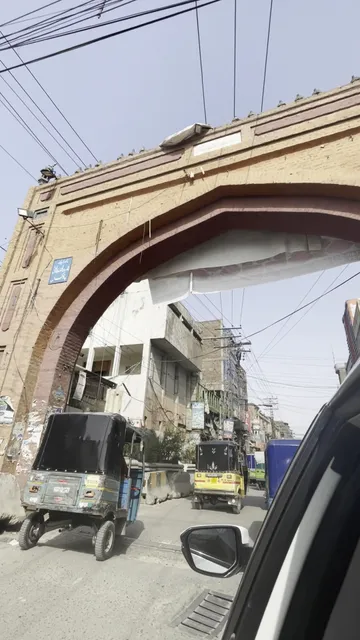
Sethi House Museum

Sethi House Museum

4.5

(172)

Open 24 hours
Click for details
Chacha Younis Park

Chacha Younis Park

3.9

(862)

Open until 11:00 PM
Click for details

Nearby restaurants of Masjid Mahabat Khan

Nisar Charsi Tikka

قدیمی شاپ بابا نیکا پائے فروش

Sakhi Jan Restaurant

Bacha Shinwari Tikka
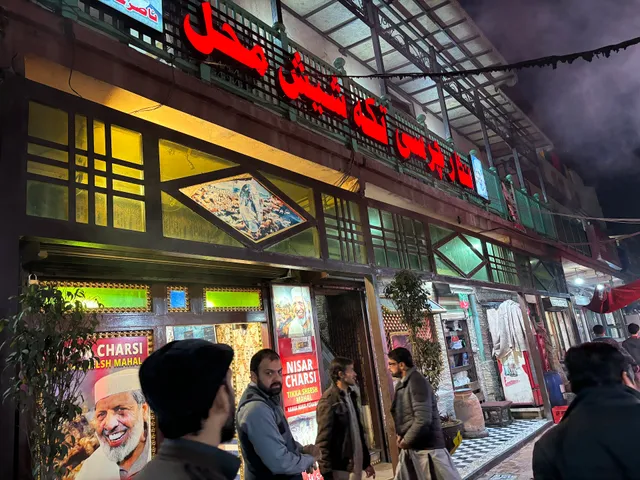
Nisar Charsi Tikka

Nisar Charsi Tikka

4.1

(4.8K)

$$

Click for details
قدیمی شاپ بابا نیکا پائے فروش

قدیمی شاپ بابا نیکا پائے فروش

4.0

(211)

Click for details
Sakhi Jan Restaurant

Sakhi Jan Restaurant

4.0

(66)

Click for details
Bacha Shinwari Tikka

Bacha Shinwari Tikka

4.4

(15)

Click for details
Get the Appoverlay
Get the AppOne tap to find yournext favorite spots!
Wanderboat LogoWanderboat

Your everyday Al companion for getaway ideas

CompanyAbout Us
InformationAI Trip PlannerSitemap
SocialXInstagramTiktokLinkedin
LegalTerms of ServicePrivacy Policy

Get the app

© 2025 Wanderboat. All rights reserved.
logo

Reviews of Masjid Mahabat Khan

4.7
(1,442)
avatar
5.0
7y

Mahabat Khan Mosque مہابت خان مسجد‬ MKmosque.jpg The white marble façade of the mosque is one of the most iconic sights in Peshawar Basic information Location Pakistan Peshawar, Pakistan Affiliation Islam Architectural description Architectural type Mosque Completed 1670 Minaret(s) 2 functional, 8 decorative The Mahabat Khan Mosque (Pashto and Urdu: مہابت خان مسجد‎), sometimes spelt Mohabbat Khan Mosque, is a 17th-century Mughal-era mosque in Peshawar, Pakistan. The mosque was built in 1630, and named after the Mughal governor of Peshawar, Nawab Mahabat Khan bin Ali Mardan Khan, known alternatively as Mahabat Khan and Ali Mardan Khan. The mosque's white marble façade is considered to be one of Peshawar's most iconic sights. The mosque was built between 1660 and 1670, on what was the highest point in the old city

The minarets of the Mohabbat Khan Mosque were frequently used in Sikh times for hanging prisoners. Five people per day were hanged from the minarets to correspond to the Sunni Islamic practice of praying five times per day, `as a substitute for the gallows’. Following the Soviet invasion of Afghanistan, refugee tribal elders would congregate in the mosque in order to forge unity amongst Afghans against the Soviets.

The mosque's ceiling is embellished with elegant red frescoes in geometrics and floral motifs.

The mosque’s exterior was finished in white marble.

The mosque's interior is decorated with Mughal frescoes. The prayer hall occupies the west side. The hall is flanked by two tall minarets, which are divided into three sections. The façade of the prayer hall is also capped by 6 smaller decorative minarets that flank the mosque's 5 arched entryways, with an additional 2 minarets flanking the set of 6. The prayer hall is capped by 3 fluted domes. The roofline rises from the outer edges, towards the centre by a series of four small incremental height increases. The roofline is embellished with numerous merlons.[6] The top of the mosque's white marble façade is capped by cavettos, or concave moulding.

5 arched portals offer entry into the main prayer hall. The central arch is the tallest, and features cusped arches typical of the Mughal style. The central arch is flanked by two slightly shorter un-cusped arches, that are designed in the Persian and Central Asian style. These arches are flanked by a smaller arch decorated in a similar style, and row of 7 small arched portals are found above the tip of each arch. The three central arched portals are embellished with muqarnas above the row of 7 mini-arched portals, while the outermost arches are instead decorated with ghalib kari, or a network of ribs made of stucco and plaster that are applied to curved surfaces in the archways for decorative purposes. Archways into the mosque are also flanked by vegetal motifs along their upper curves, which unlike the green motifs at Badshahi Mosque, are multi-coloured.

Both the interior and exterior feature panels embellished with floral motifs and Quranic calligraphy. The interior of the prayer hall is sheltered beneath the three low fluted domes and is eloquently painted with floral and...

   Read more
avatar
4.0
4y

Mahabat Khan Mosque a beautiful mosque and a master peace of Muslim architecture, Mahabat Khan Mosque Is most popular for new comers in peshawar, and attracts tourist, every year many tourists come to see it.  Mohabbat Khan Mosque, is 17th-century Mughal-era mosque in Peshawar, Pakistan. The mosque was built in 1630, and named after the Mughal governor of Peshawar, Nawab Mahabat Khan bin Ali Mardan Khan, known alternatively as Mahabat Khan and Ali Mardan Khan. The mosque's white marble façade is considered to be one of Peshawar's most iconic sights. The mosque was built between 1660 and 1670, on what was the highest point in the old city. substitute for the gallows. Following the Soviet invasion of Afghanistan, refugee tribal elders would congregate in the mosque in order to forge unity amongst Afghans against the Soviets. The mosque is 30,155 square feet in size. Its open courtyard has a centrally-located ablution pool and a single row of rooms lining the exterior walls. The prayer hall occupies the west side. The hall is flanked by two tall minarets, which are divided into three sections.The façade of the prayer hall is also capped by 6 smaller decorative minarets that flank the mosque's 5 arched entryways, with an additional 2 minarets flanking the set of 6. The prayer hall is capped by 3 fluted domes. The roofline rises from the outer edges, towards the centre by a series of four small incremental height increases. The roofline is embellished with numerous merlons.  The top of the mosque's white marble façade is capped by cavettos, or concave moulding. Five arched portals offer entry into the main prayer hall. The central arch is the tallest, and features cusped arches typical of the Mughal style. The central arch is flanked by two slightly shorter un-cusped arches, that are designed in the Persian and Central Asian style. These arches are flanked by a smaller arch decorated in a similar style, and row of seven small arched portals are found above the tip of each arch. The three central arched portals are embellished with muqarnas above the row of seven mini-arched portals, while the outermost arches are instead decorated with ghalib kari, or a network of ribs made of stucco and plaster that are applied to curved surfaces in the archways for decorative purposes. Archways into the mosque are also flanked by vegetal motifs along their upper curves, which unlike the green motifs at Badshahi Mosque, are multi-coloured. Arcitecture show touch of Persia in particular, had a strong regional style which was heavily influenced by Persian architectural styles.and also show turkish arcitecture style . Earlier mosques, such as the Wazir Khan Mosque, were adorned. Mosque is so bea Both the interior and exterior feature panels embellished with floral motifs and Quranic calligraphy. The interior of the prayer hall is sheltered beneath the three low fluted domes and is eloquently painted with floral and...

   Read more
avatar
5.0
7y

Very beautiful masjid. The Masjid was built between 1660 and 1670, on what was the highest point in the old city.

The minarets of the Mohabbat Khan Masjid were frequently used in Sikh times for hanging prisoners. Five people per day were hanged from the minarets to correspond to the Sunni Islamic practice of praying five times per day, as a substitute for the gallows’. Following the Soviet invasion of Afghanistan, refugee tribal elders would congregate in the mosque in order to forge unity amongst Afghans against the Soviets.

The prayer hall occupies the west side. The hall is flanked by two tall minarets, which are divided into three sections. The façade of the prayer hall is also capped by 6 smaller decorative minarets that flank the mosque's 5 arched entryways, with an additional 2 minarets flanking the set of 6. The prayer hall is capped by 3 fluted domes. The roofline rises from the outer edges, towards the centre by a series of four small incremental height increases. The roofline is embellished with numerous merlons. The top of the mosque's white marble façade is capped by cavettos, or concave moulding.

5 arched portals offer entry into the main prayer hall. The central arch is the tallest, and features cusped arches typical of the Mughal style. The central arch is flanked by two slightly shorter un-cusped arches, that are designed in the Persian and Central Asian style. These arches are flanked by a smaller arch decorated in a similar style, and row of 7 small arched portals are found above the tip of each arch. The three central arched portals are embellished with muqarnas above the row of 7 mini-arched portals, while the outermost arches are instead decorated with ghalib kari, or a network of ribs made of stucco and plaster that are applied to curved surfaces in the archways for decorative purposes. Archways into the mosque are also flanked by vegetal motifs along their upper curves, which unlike the green motifs at Badshahi Mosque, are multi-coloured.

Both the interior and exterior feature panels embellished with floral motifs and Quranic calligraphy. The interior of the prayer hall is sheltered beneath the three low fluted domes and is eloquently painted with floral and...

   Read more
Page 1 of 7
Previous
Next

Posts

Pakistan Travel | ▲ Peshawar: Where History Whispers
Phoenix Wright Phoenix Wright
Pakistan Travel | ▲ Peshawar: Where History Whispers
Kamal ud DinKamal ud Din
The Mahabbat Khan Mosque, located in Peshawar's old city in Pakistan, is a significant historical and architectural landmark. Built in the early 17th century during the Mughal era, it was commissioned by Mahabbat Khan, a prominent Mughal governor and a member of Emperor Jahangir's court. The mosque is renowned for its impressive Mughal architecture and intricate craftsmanship. It features a grand prayer hall, adorned with elegant frescoes and calligraphy that reflect the artistic excellence of the period. The mosque's design includes a spacious courtyard surrounded by elegant arched colonnades and a large central dome, characteristic of Mughal mosque architecture. The Mahabbat Khan Mosque is distinguished by its use of red sandstone, which imparts a warm, rich hue to the structure. The facade is decorated with intricate geometric patterns and floral motifs, showcasing the high level of artistry achieved during the Mughal era. The mosque's interior is equally stunning, with beautifully tiled floors and intricately designed prayer niches. The mosque is not only a place of worship but also a historical monument that provides insight into the architectural and cultural heritage of the Mughal period. Its location in the old city of Peshawar places it within a historically rich area, adding to its significance. Overall, the Mahabbat Khan Mosque is a remarkable example of Mughal architecture and an important cultural landmark in Peshawar. Its historical significance, combined with its architectural beauty, makes it a must-visit site for those interested in the rich heritage of the region.
Adnan KhanAdnan Khan
The historic mosque located near the yadgar chawok, in the sona bazar street, with glorious building vast enough for hundreds of prayers at a single time! The inside of the mosque is very clean and well furnished and there is calm once you entered inside! A real place of peace and worship! The best time to visit Mosque is after Fajar prayer (around 7.00 AM-12.00 PM), the surrounding market is not fully opened hence you can easily visit the place. The architecture is really beautiful, the authorities are working on restoration but the restoration work is not according to the standards (I think some of the responsibility is on tourists as well to not destroy things). The Mahabat Khan Mosque (Urdu, Pashto: مہابت خان مسجد) is a 17th-century mosque in Peshawar, Khyber Pakhtunkhwa, Pakistan. It is named after the Mughal governor of Peshawar Nawab Mahabbat Khan who served under Emperors Shah Jehan and Aurangzeb and who was the grandson of Nawab Dadan Khan (a former governor of Lahore). The name of the Masjid and the governor who built is often mispronounced as 'Muhabbat Khan' ('Love Khan') by the public majority instead of the correct pronunciation 'Mahabat Khan' ('Awe-inspiring Khan'). The Mosque was built in 1630. Its open courtyard has a centrally-located ablution pool and a single row of rooms lining the exterior walls. The prayer hall, flanked by two tall minarets, occupies the west side. According to the turn-of-the-century Gazetteer for Pakhtunkhwa, the minarets were frequently used inSikh times ‘as a substitute for the gallows.
See more posts
See more posts
hotel
Find your stay

Pet-friendly Hotels in Peshawar City Tehsil

Find a cozy hotel nearby and make it a full experience.

Pakistan Travel | ▲ Peshawar: Where History Whispers
Phoenix Wright

Phoenix Wright

hotel
Find your stay

Affordable Hotels in Peshawar City Tehsil

Find a cozy hotel nearby and make it a full experience.

Get the Appoverlay
Get the AppOne tap to find yournext favorite spots!
The Mahabbat Khan Mosque, located in Peshawar's old city in Pakistan, is a significant historical and architectural landmark. Built in the early 17th century during the Mughal era, it was commissioned by Mahabbat Khan, a prominent Mughal governor and a member of Emperor Jahangir's court. The mosque is renowned for its impressive Mughal architecture and intricate craftsmanship. It features a grand prayer hall, adorned with elegant frescoes and calligraphy that reflect the artistic excellence of the period. The mosque's design includes a spacious courtyard surrounded by elegant arched colonnades and a large central dome, characteristic of Mughal mosque architecture. The Mahabbat Khan Mosque is distinguished by its use of red sandstone, which imparts a warm, rich hue to the structure. The facade is decorated with intricate geometric patterns and floral motifs, showcasing the high level of artistry achieved during the Mughal era. The mosque's interior is equally stunning, with beautifully tiled floors and intricately designed prayer niches. The mosque is not only a place of worship but also a historical monument that provides insight into the architectural and cultural heritage of the Mughal period. Its location in the old city of Peshawar places it within a historically rich area, adding to its significance. Overall, the Mahabbat Khan Mosque is a remarkable example of Mughal architecture and an important cultural landmark in Peshawar. Its historical significance, combined with its architectural beauty, makes it a must-visit site for those interested in the rich heritage of the region.
Kamal ud Din

Kamal ud Din

hotel
Find your stay

The Coolest Hotels You Haven't Heard Of (Yet)

Find a cozy hotel nearby and make it a full experience.

hotel
Find your stay

Trending Stays Worth the Hype in Peshawar City Tehsil

Find a cozy hotel nearby and make it a full experience.

The historic mosque located near the yadgar chawok, in the sona bazar street, with glorious building vast enough for hundreds of prayers at a single time! The inside of the mosque is very clean and well furnished and there is calm once you entered inside! A real place of peace and worship! The best time to visit Mosque is after Fajar prayer (around 7.00 AM-12.00 PM), the surrounding market is not fully opened hence you can easily visit the place. The architecture is really beautiful, the authorities are working on restoration but the restoration work is not according to the standards (I think some of the responsibility is on tourists as well to not destroy things). The Mahabat Khan Mosque (Urdu, Pashto: مہابت خان مسجد) is a 17th-century mosque in Peshawar, Khyber Pakhtunkhwa, Pakistan. It is named after the Mughal governor of Peshawar Nawab Mahabbat Khan who served under Emperors Shah Jehan and Aurangzeb and who was the grandson of Nawab Dadan Khan (a former governor of Lahore). The name of the Masjid and the governor who built is often mispronounced as 'Muhabbat Khan' ('Love Khan') by the public majority instead of the correct pronunciation 'Mahabat Khan' ('Awe-inspiring Khan'). The Mosque was built in 1630. Its open courtyard has a centrally-located ablution pool and a single row of rooms lining the exterior walls. The prayer hall, flanked by two tall minarets, occupies the west side. According to the turn-of-the-century Gazetteer for Pakhtunkhwa, the minarets were frequently used inSikh times ‘as a substitute for the gallows.
Adnan Khan

Adnan Khan

See more posts
See more posts