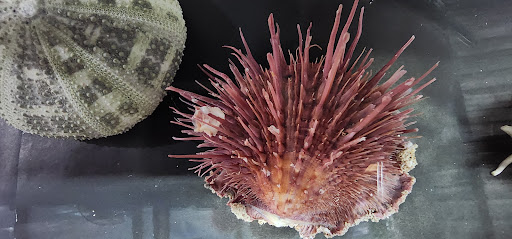
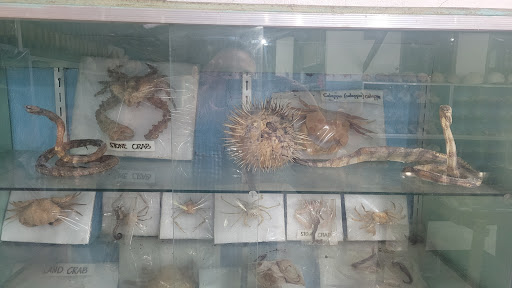
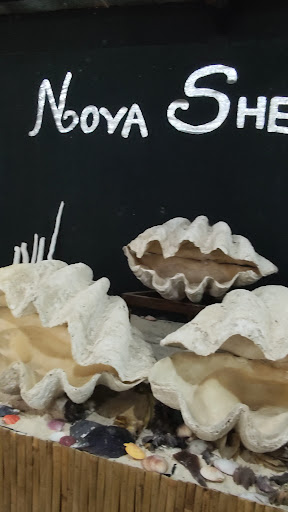
Nova Shell Museum things to do, attractions, restaurants, events info and trip planning
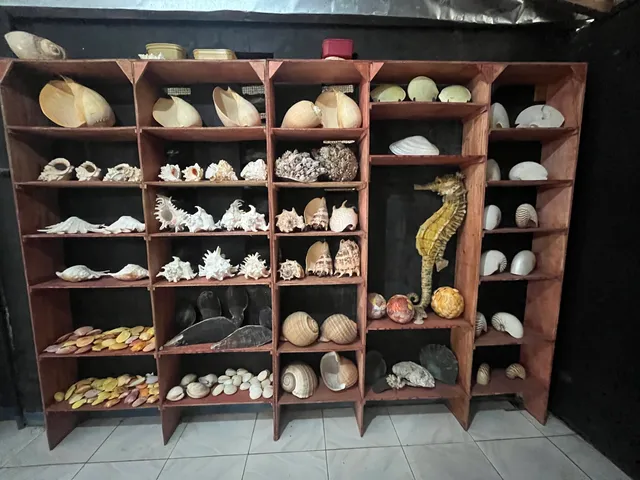
Basic Info
Nova Shell Museum
Teofilo Arcay St, Poblacion, Panglao, Bohol, Philippines
3.9(248)
Closed
Save
spot
spot
Ratings & Description
Info
Cultural
Scenic
Family friendly
Accessibility
attractions: Panglao Watchtower, Panglao Island Sunset View Boulevard, restaurants: RU-TEA PANGLAO (RU- Tea Milktea), D'Best Cafe Shop, La Poblacion Rooftop Bar Lounge and Restaurant, ubeco, ZION LECHON MANOK, MrCoffee, suan restaurant 수안, FLORENCIAS FOOD HOUSE, OOh La La Resto Bar, local businesses: St. Augustine Parish Church, Panglao Island Area
 Learn more insights from Wanderboat AI.
Phone
+63 926 606 9412
Open hoursSee all hours
Tue9 AM - 12 PM, 1 - 4:30 PMClosed
Plan your stay

Pet-friendly Hotels in Panglao
Find a cozy hotel nearby and make it a full experience.

Affordable Hotels in Panglao
Find a cozy hotel nearby and make it a full experience.

The Coolest Hotels You Haven't Heard Of (Yet)
Find a cozy hotel nearby and make it a full experience.

Trending Stays Worth the Hype in Panglao
Find a cozy hotel nearby and make it a full experience.
Reviews
Live events
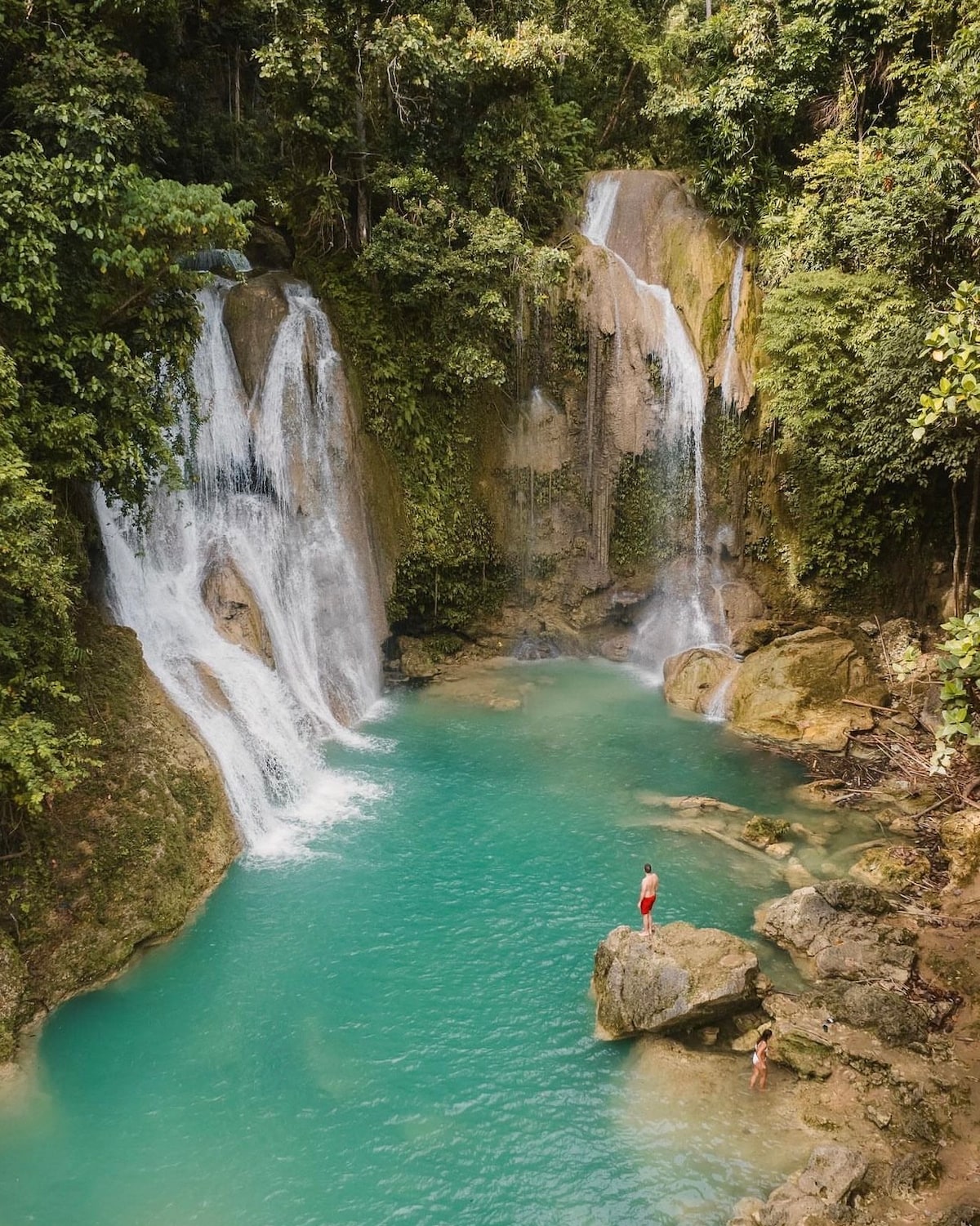
See Bohols Countryside & Waterfalls by Scooter
Wed, Feb 11 • 8:00 AM
Loboc, Central Visayas, Philippines
View details
Nearby attractions of Nova Shell Museum
Panglao Watchtower
Panglao Island Sunset View Boulevard
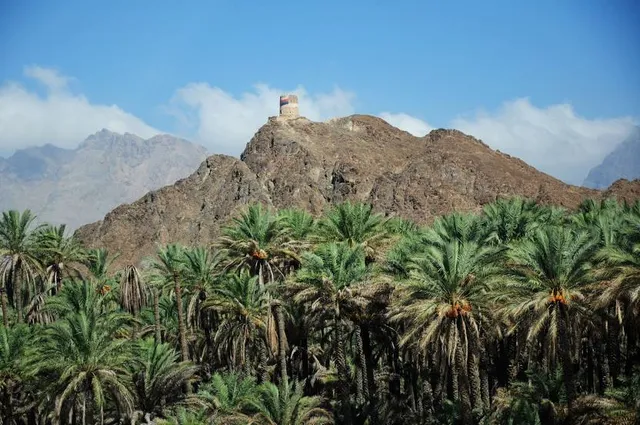
Panglao Watchtower
4.3
(259)
Open 24 hours
Click for details
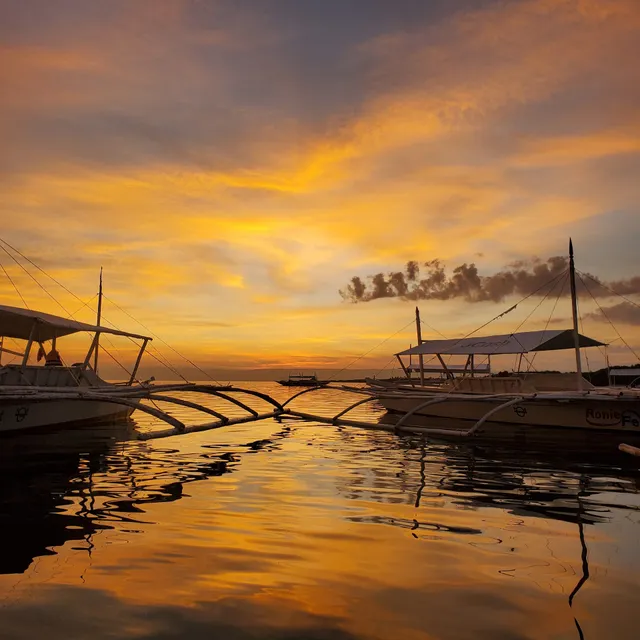
Panglao Island Sunset View Boulevard
4.4
(23)
Open 24 hours
Click for details
Nearby restaurants of Nova Shell Museum
RU-TEA PANGLAO (RU- Tea Milktea)
D'Best Cafe Shop
La Poblacion Rooftop Bar Lounge and Restaurant
ubeco
ZION LECHON MANOK
MrCoffee
suan restaurant 수안
FLORENCIAS FOOD HOUSE
OOh La La Resto Bar
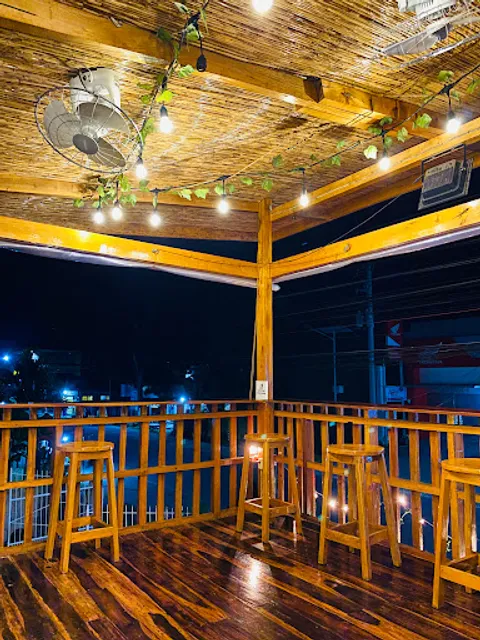
RU-TEA PANGLAO (RU- Tea Milktea)
4.9
(74)
Open until 10:30 PM
Click for details
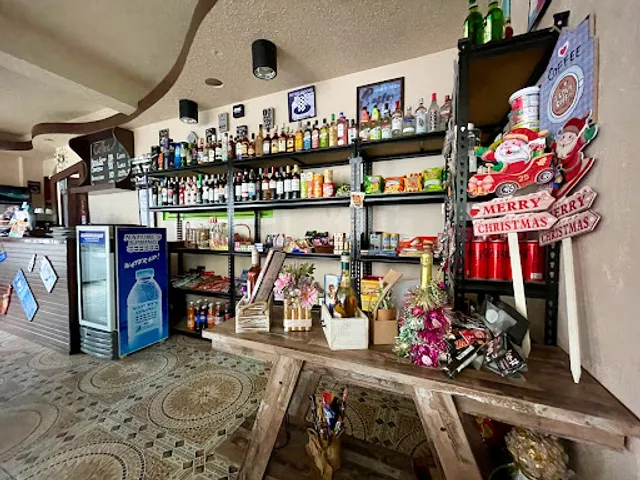
D'Best Cafe Shop
4.3
(71)
Open until 8:00 PM
Click for details
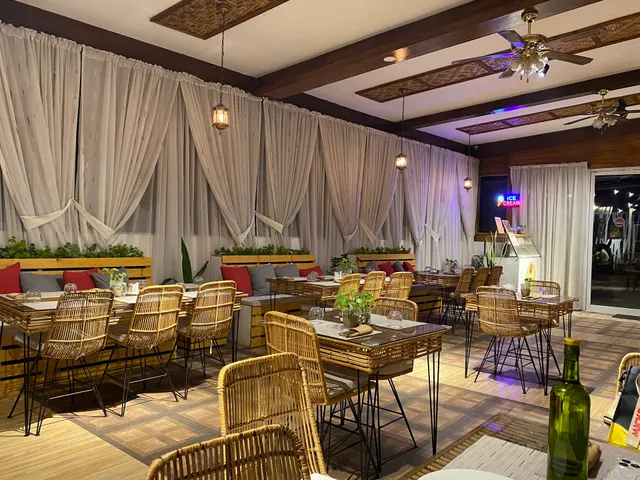
La Poblacion Rooftop Bar Lounge and Restaurant
4.3
(37)
Click for details
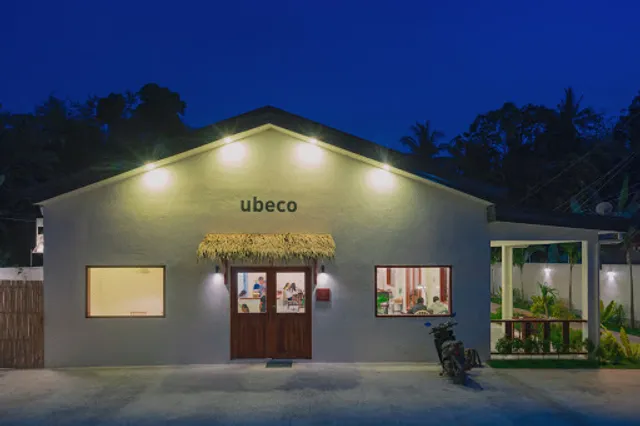
ubeco
4.7
(775)
Open until 10:00 PM
Click for details
Nearby local services of Nova Shell Museum
St. Augustine Parish Church
Panglao Island Area
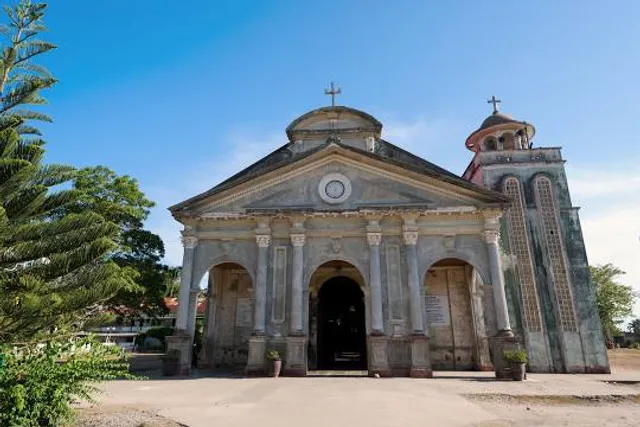
St. Augustine Parish Church
4.5
(155)
Click for details
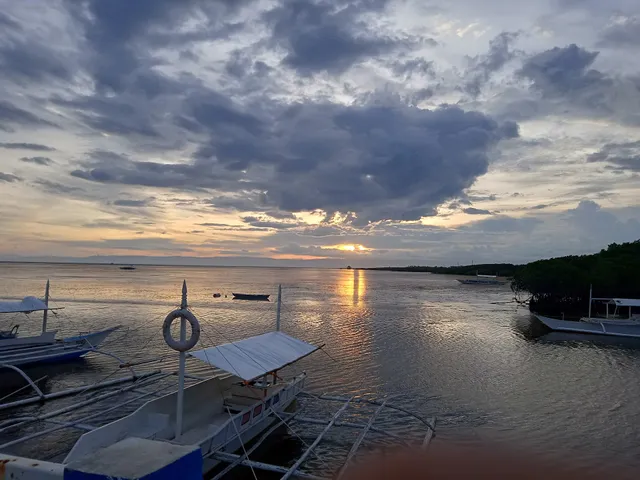
Panglao Island Area
4.1
(12)
Click for details