HTML SitemapExplore
logo
Find Things to DoFind The Best Restaurants

New Barracks - Westerplatte Walkable Ruins — Attraction in Gdansk

Name
New Barracks - Westerplatte Walkable Ruins
Description
Nearby attractions
Westerplatte Museum
mjr. Henryka Sucharskiego 70, 80-601 Gdańsk, Poland
Westerplatte
80-001 Gdańsk, Poland
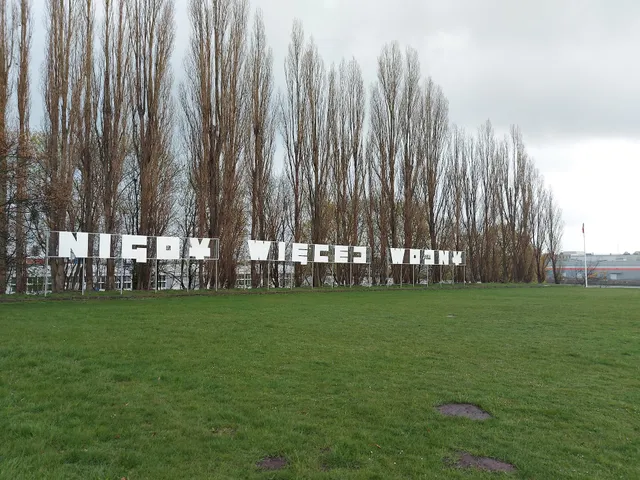
"No More War" Sign
mjr. Henryka Sucharskiego 77, Gdańsk, Poland
Wartownia 1
mjr. Henryka Sucharskiego 70, 80-601 Gdańsk, Poland
Placówka "Fort"
80-601 Gdańsk, Poland
Fragment wieży czołgowej
Unnamed Road, Gdańsk, Poland
Plaques Commemorating the Defenders of Westerplatte
mjr. Henryka Sucharskiego 70, 80-601 Gdańsk, Poland
Promenada Westerplatte
mjr. Henryka Sucharskiego 70, 80-601 Gdańsk, Poland
Fragments of a Tank Turret
Westerplatte, Gdańsk, Poland
Peace Wharf
80-601 Gdańsk, Poland
Nearby restaurants
Perła Bałtyku. Restauracja
Oliwska 65, 80-563 Gdańsk, Poland
New Port Restaurant & Pierogi
Wilków Morskich 16B, 80-541 Gdańsk, Poland
Nearby hotels
Apartament Nowy Port Oliwska Przystań
Oliwska 43B/1, 80-563 Gdańsk, Poland
Related posts
Keywords
New Barracks - Westerplatte Walkable Ruins tourism.New Barracks - Westerplatte Walkable Ruins hotels.New Barracks - Westerplatte Walkable Ruins bed and breakfast. flights to New Barracks - Westerplatte Walkable Ruins.New Barracks - Westerplatte Walkable Ruins attractions.New Barracks - Westerplatte Walkable Ruins restaurants.New Barracks - Westerplatte Walkable Ruins travel.New Barracks - Westerplatte Walkable Ruins travel guide.New Barracks - Westerplatte Walkable Ruins travel blog.New Barracks - Westerplatte Walkable Ruins pictures.New Barracks - Westerplatte Walkable Ruins photos.New Barracks - Westerplatte Walkable Ruins travel tips.New Barracks - Westerplatte Walkable Ruins maps.New Barracks - Westerplatte Walkable Ruins things to do.
New Barracks - Westerplatte Walkable Ruins things to do, attractions, restaurants, events info and trip planning
New Barracks - Westerplatte Walkable Ruins
PolandPomeranian VoivodeshipGdanskNew Barracks - Westerplatte Walkable Ruins

Basic Info

New Barracks - Westerplatte Walkable Ruins

80-001 Gdańsk, Poland
4.7(632)
Open 24 hours
Save
spot

Ratings & Description

Info

Cultural
Outdoor
Scenic
Family friendly
attractions: Westerplatte Museum, Westerplatte, "No More War" Sign, Wartownia 1, Placówka "Fort", Fragment wieży czołgowej, Plaques Commemorating the Defenders of Westerplatte, Promenada Westerplatte, Fragments of a Tank Turret, Peace Wharf, restaurants: Perła Bałtyku. Restauracja, New Port Restaurant & Pierogi
logoLearn more insights from Wanderboat AI.
Website
historia.trojmiasto.pl

Plan your stay

hotel
Pet-friendly Hotels in Gdansk
Find a cozy hotel nearby and make it a full experience.

hotel
Affordable Hotels in Gdansk
Find a cozy hotel nearby and make it a full experience.

hotel
The Coolest Hotels You Haven't Heard Of (Yet)
Find a cozy hotel nearby and make it a full experience.

hotel
Trending Stays Worth the Hype in Gdansk
Find a cozy hotel nearby and make it a full experience.

Reviews

Nearby attractions of New Barracks - Westerplatte Walkable Ruins

Westerplatte Museum

Westerplatte

"No More War" Sign

Wartownia 1

Placówka "Fort"

Fragment wieży czołgowej

Plaques Commemorating the Defenders of Westerplatte

Promenada Westerplatte

Fragments of a Tank Turret

Peace Wharf

Westerplatte Museum

Westerplatte Museum

4.7

(4K)

Open until 12:00 AM
Click for details
Westerplatte

Westerplatte

4.7

(9.6K)

Open 24 hours
Click for details
"No More War" Sign

"No More War" Sign

4.9

(106)

Open until 12:00 AM
Click for details
Wartownia 1

Wartownia 1

4.6

(281)

Open 24 hours
Click for details

Things to do nearby

Explore Gdansk by kayak – Winter Edition
Fri, Dec 5 • 11:00 AM
80-863, Gdańsk, Pomeranian Voivodeship, Poland
View details

Gdynia Walking Tour
Gdynia Walking Tour
Mon, Dec 8 • 2:00 PM
81-547, Gdynia, Pomeranian Voivodeship, Poland
View details
The Jazz Room: Podróż do serca Nowego Orleanu
Sun, Dec 7 • 5:00 PM
Świętego Ducha 2, Gdańsk, 80-834
View details

Nearby restaurants of New Barracks - Westerplatte Walkable Ruins

Perła Bałtyku. Restauracja

New Port Restaurant & Pierogi
Perła Bałtyku. Restauracja

Perła Bałtyku. Restauracja

4.6

(719)

$

Open until 8:00 PM
Click for details
New Port Restaurant & Pierogi

New Port Restaurant & Pierogi

4.5

(209)

Click for details
Get the Appoverlay
Get the AppOne tap to find yournext favorite spots!
Wanderboat LogoWanderboat

Your everyday Al companion for getaway ideas

CompanyAbout Us
InformationAI Trip PlannerSitemap
SocialXInstagramTiktokLinkedin
LegalTerms of ServicePrivacy Policy

Get the app

© 2025 Wanderboat. All rights reserved.
logo

Reviews of New Barracks - Westerplatte Walkable Ruins

4.7
(632)
avatar
5.0
5y

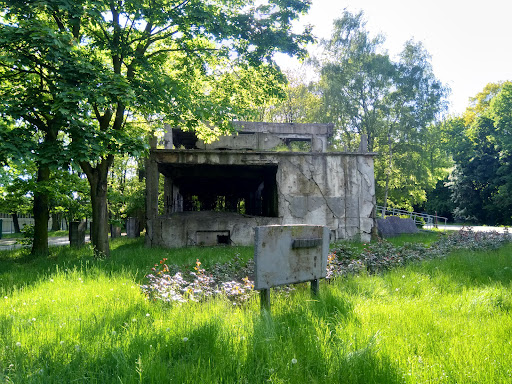
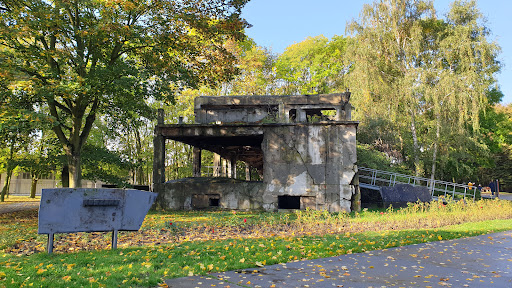
The new barracks were constructed in 1934–1935. The three-level building housed offices, dormitories, an armoury, a gun repair shop, ammunition and storage rooms and other facilities. Its equipment was very modern for its time. It had central heating, spacious bathrooms, a sick room and a radio station. What is very interesting the building was designed in such a way that the ceilings of the two upper floors would absorb the energy of bombs and shells hitting its roof, protecting the crew hidden in the cellar shelter. System passed the test with flying colours, as the bombs dropped from airplanes did not damage the cellar. I recommend to go around all those ruins and go also inside. You can recognize some places with holes for...

   Read more
avatar
5.0
6y

An eye-opening account of the Polish garrison stationed at Westerplatte during the invasion of Poland by Nazi Germany in 1939. They held out for 7 days despite being cut off from Polish armed forces fighting in other parts of the country and overwhelming odds from simultaneous land, air and seaborne invasions. The barracks building itself was levelled down several floors by Ju-87 Stuka dive bombers (500lb bombs), mortar fire and indirect ship naval cannon hits. Left as it was taken in 1939, there are even remnants of tiled flooring and machine gun fixings in the bunker holes. I'd highly recommend a visit to the site! It's just a short bus/taxi journey...

   Read more
avatar
5.0
24w

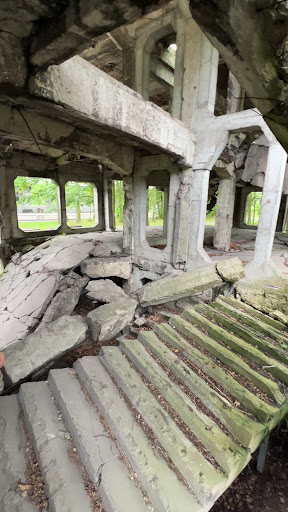
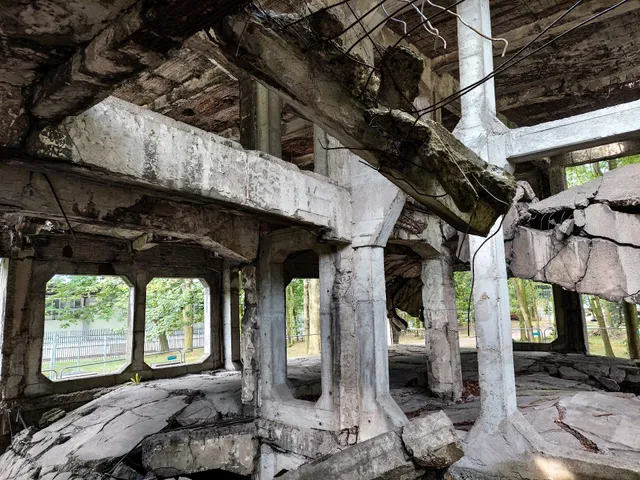
Nowe Koszary” powstały jako nowoczesny, jednopiętrowy budynek w kształcie litery T o konstrukcji żelbetonowo-szkieletowej — ściany miały aż pół metra grubości. W podziemiach znajdowały się stanowiska bojowe (wartownia nr VI), radiostacja, magazyny amunicji i elektryczność. Na parterze – pomieszczenia żołnierskie i centrala telefoniczna. Na piętrze – kancelarie, izba chorych, kwatery oficerskie. Podczas obrony Westerplatte dwa górne piętra przejęły energię bomb, chroniąc załogę w schronie – system zdał egzamin. Niemieckie bomby trafiły koszary 2 września, uszkadzając radiostację, kuchnię i instalacje, jednak podziemia pozostały funkcjonalne. Po wojnie sowieccy saperzy dokonali eksplozji niewypałów wewnątrz budynku, co silnie uszkodziło konstrukcję. Częściowo rozebrano północne skrzydło (lata 60.), a cegły użyto do budowy promenady prowadzącej do Pomnika Obrońców Westerplatte. Od 2003 koszary są objęte ochroną konserwatorską, a od 2009 ich południowe skrzydło dostępne jest dla odwiedzających; jednak ze względu na niestabilną strukturę występuje zakaz wchodzenia do wnętrza bez zabezpieczeń . Zachowane pozostałości południowego skrzydła budynku, surowe, betonowe ściany i przelotowe okna – typowy obraz wojennych ruin i saperskich detonacji. Betonowe alejki prowadzą odwiedzających bezpośrednio do obiektu, tablice pamiątkowe (1998 r.) z nazwiskami obrońców Westerplatte oraz kopia przedwojennego godła państwowego. Oznakowanie informujące o ryzyku wejścia – dostęp na własną odpowiedzialność. Miejsce jest traktowane jako trwała ruina, z ograniczonym dostępem i zabezpieczeniami (bariery, siatki ochronne. 🎖 Znaczenie historyczne • Był to centrum systemu obrony – miejsce dowodzenia przez Majora Sucharskiego i główna twierdza załogi obronnej Westerplatte . • Ruiny te są jednym z najbardziej autentycznych i wymownych świadectw bohaterskiej obrony – wraz z Wartownią nr 1, bunkrem „Fort” i Pomnikiem Obrońców tworzą spójne...

   Read more
Page 1 of 7
Previous
Next

Posts

PawełPaweł
The new barracks were constructed in 1934–1935. The three-level building housed offices, dormitories, an armoury, a gun repair shop, ammunition and storage rooms and other facilities. Its equipment was very modern for its time. It had central heating, spacious bathrooms, a sick room and a radio station. What is very interesting the building was designed in such a way that the ceilings of the two upper floors would absorb the energy of bombs and shells hitting its roof, protecting the crew hidden in the cellar shelter. System passed the test with flying colours, as the bombs dropped from airplanes did not damage the cellar. I recommend to go around all those ruins and go also inside. You can recognize some places with holes for machine guns.
Joe LanghamJoe Langham
An eye-opening account of the Polish garrison stationed at Westerplatte during the invasion of Poland by Nazi Germany in 1939. They held out for 7 days despite being cut off from Polish armed forces fighting in other parts of the country and overwhelming odds from simultaneous land, air and seaborne invasions. The barracks building itself was levelled down several floors by Ju-87 Stuka dive bombers (500lb bombs), mortar fire and indirect ship naval cannon hits. Left as it was taken in 1939, there are even remnants of tiled flooring and machine gun fixings in the bunker holes. I'd highly recommend a visit to the site! It's just a short bus/taxi journey from Gdańsk.
Robert KrawczykRobert Krawczyk
Ruiny Nowych Koszar na terenie dawnej Wojskowej Składnicy Tranzytowej na półwyspie Westerplatte to niemy świadek dramatycznej historii tego miejsca, skropionego we wrześniu 1939 roku krwią bohaterskich obrońców. Walki o ten skrawek Rzeczpospolitej Polskiej w powszechnej pamięci stanowią początek II wojny światowej i oporu Polaków przeciwko hitlerowskiemu najeźdźcy. Nowe Koszary były obiektem przystosowanym do obrony, zbudowanym ze wzmocnionego żelbetonu, a w momencie wybuchu wojny były uważane za najnowocześniejsze koszary w Polsce. Wybudowane w latach 1934-1935, na planie litery T, prawdopodobnie według projektu profesora Jana Zachwatowicza. Zostały nowocześnie wyposażone, między innymi w centralne ogrzewanie, przestronne łazienki, izbę chorych, radiostację, a także solidne meble i szafki dla żołnierzy. Budynek był trzykondygnacyjny, a najniższa z nich stanowić miała schron. Faktycznie, po nalocie i bombardowaniu w dniu 2 września 1939 roku (Luftwaffe użyła m.in. bomb 500 kg), gruzy wyższych kondygnacji przysypały strop parteru (przyziemia) i stanowiły później dodatkową ochronę dla żołnierzy przebywających w schronie. Walki o składnicę miały trwać według przedwojennych planów militarnych 12 godzin, trwały 7 dni, również dzięki możliwości wykorzystania budynku do obrony. Okna stanowiły strzelnice, niektóre były przystosowane do zamontowania broni maszynowej. Dzisiejszy wygląd jest efektem zarówno zniszczeń wojennych, jak i powojennej dewastacji (w ruinach budynku detonowano niewybuchy i niewypały, a w latach sześćdziesiątych XX wieku, podczas budowy promenady do Pomnika Obrońców Wybrzeża, rozebrano północne skrzydło koszar). Trwała ruina robi wrażenie, świadczy o przemyślanej konstrukcji obiektu. Przed koszarami ustawiono w 1999 roku tablice z nazwiskami wszystkich obrońców Westerplatte, którzy uchwałą Rady Miasta Gdańska zostali honorowymi obywatelami tego miasta. W 2003 roku miejsce wpisano na listę pomników historii.
See more posts
See more posts
hotel
Find your stay

Pet-friendly Hotels in Gdansk

Find a cozy hotel nearby and make it a full experience.

The new barracks were constructed in 1934–1935. The three-level building housed offices, dormitories, an armoury, a gun repair shop, ammunition and storage rooms and other facilities. Its equipment was very modern for its time. It had central heating, spacious bathrooms, a sick room and a radio station. What is very interesting the building was designed in such a way that the ceilings of the two upper floors would absorb the energy of bombs and shells hitting its roof, protecting the crew hidden in the cellar shelter. System passed the test with flying colours, as the bombs dropped from airplanes did not damage the cellar. I recommend to go around all those ruins and go also inside. You can recognize some places with holes for machine guns.
Paweł

Paweł

hotel
Find your stay

Affordable Hotels in Gdansk

Find a cozy hotel nearby and make it a full experience.

Get the Appoverlay
Get the AppOne tap to find yournext favorite spots!
An eye-opening account of the Polish garrison stationed at Westerplatte during the invasion of Poland by Nazi Germany in 1939. They held out for 7 days despite being cut off from Polish armed forces fighting in other parts of the country and overwhelming odds from simultaneous land, air and seaborne invasions. The barracks building itself was levelled down several floors by Ju-87 Stuka dive bombers (500lb bombs), mortar fire and indirect ship naval cannon hits. Left as it was taken in 1939, there are even remnants of tiled flooring and machine gun fixings in the bunker holes. I'd highly recommend a visit to the site! It's just a short bus/taxi journey from Gdańsk.
Joe Langham

Joe Langham

hotel
Find your stay

The Coolest Hotels You Haven't Heard Of (Yet)

Find a cozy hotel nearby and make it a full experience.

hotel
Find your stay

Trending Stays Worth the Hype in Gdansk

Find a cozy hotel nearby and make it a full experience.

Ruiny Nowych Koszar na terenie dawnej Wojskowej Składnicy Tranzytowej na półwyspie Westerplatte to niemy świadek dramatycznej historii tego miejsca, skropionego we wrześniu 1939 roku krwią bohaterskich obrońców. Walki o ten skrawek Rzeczpospolitej Polskiej w powszechnej pamięci stanowią początek II wojny światowej i oporu Polaków przeciwko hitlerowskiemu najeźdźcy. Nowe Koszary były obiektem przystosowanym do obrony, zbudowanym ze wzmocnionego żelbetonu, a w momencie wybuchu wojny były uważane za najnowocześniejsze koszary w Polsce. Wybudowane w latach 1934-1935, na planie litery T, prawdopodobnie według projektu profesora Jana Zachwatowicza. Zostały nowocześnie wyposażone, między innymi w centralne ogrzewanie, przestronne łazienki, izbę chorych, radiostację, a także solidne meble i szafki dla żołnierzy. Budynek był trzykondygnacyjny, a najniższa z nich stanowić miała schron. Faktycznie, po nalocie i bombardowaniu w dniu 2 września 1939 roku (Luftwaffe użyła m.in. bomb 500 kg), gruzy wyższych kondygnacji przysypały strop parteru (przyziemia) i stanowiły później dodatkową ochronę dla żołnierzy przebywających w schronie. Walki o składnicę miały trwać według przedwojennych planów militarnych 12 godzin, trwały 7 dni, również dzięki możliwości wykorzystania budynku do obrony. Okna stanowiły strzelnice, niektóre były przystosowane do zamontowania broni maszynowej. Dzisiejszy wygląd jest efektem zarówno zniszczeń wojennych, jak i powojennej dewastacji (w ruinach budynku detonowano niewybuchy i niewypały, a w latach sześćdziesiątych XX wieku, podczas budowy promenady do Pomnika Obrońców Wybrzeża, rozebrano północne skrzydło koszar). Trwała ruina robi wrażenie, świadczy o przemyślanej konstrukcji obiektu. Przed koszarami ustawiono w 1999 roku tablice z nazwiskami wszystkich obrońców Westerplatte, którzy uchwałą Rady Miasta Gdańska zostali honorowymi obywatelami tego miasta. W 2003 roku miejsce wpisano na listę pomników historii.
Robert Krawczyk

Robert Krawczyk

See more posts
See more posts