HTML SitemapExplore
logo
Find Things to DoFind The Best Restaurants

Opole Village Museum — Attraction in Opole

Name
Opole Village Museum
Description
Nearby attractions
Nearby restaurants
Restauracja 174
Wrocławska 174, 45-835 Opole, Poland
Opolanka - Restauracja | Wesela | Eventy | Kino Sferyczne
Żerkowicka 2k, 45-850 Opole, Poland
Nearby hotels
Hotel DeSilva Inn Opole
Technologiczna 3, 45-839 Opole, Poland
Related posts
Keywords
Opole Village Museum tourism.Opole Village Museum hotels.Opole Village Museum bed and breakfast. flights to Opole Village Museum.Opole Village Museum attractions.Opole Village Museum restaurants.Opole Village Museum travel.Opole Village Museum travel guide.Opole Village Museum travel blog.Opole Village Museum pictures.Opole Village Museum photos.Opole Village Museum travel tips.Opole Village Museum maps.Opole Village Museum things to do.
Opole Village Museum things to do, attractions, restaurants, events info and trip planning
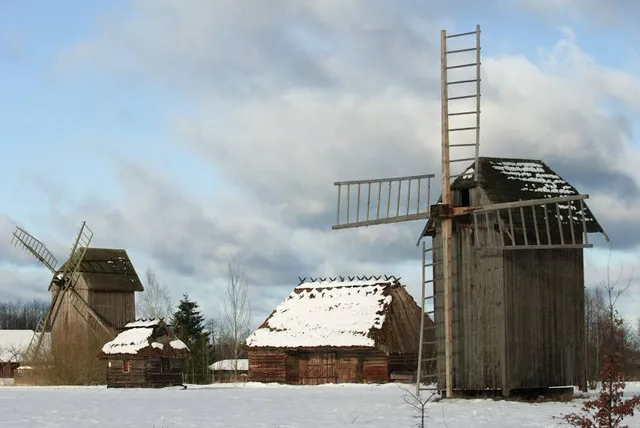
Opole Village Museum
PolandOpole VoivodeshipOpoleOpole Village Museum

Basic Info

Opole Village Museum

Wrocławska 174, 45-835 Opole, Poland
4.8(1.7K)
Open 24 hours
Save
spot

Ratings & Description

Info

Cultural
Outdoor
Family friendly
attractions: , restaurants: Restauracja 174, Opolanka - Restauracja | Wesela | Eventy | Kino Sferyczne
logoLearn more insights from Wanderboat AI.
Phone
+48 77 457 23 49
Website
muzeumwsiopolskiej.pl

Plan your stay

hotel
Pet-friendly Hotels in Opole
Find a cozy hotel nearby and make it a full experience.

hotel
Affordable Hotels in Opole
Find a cozy hotel nearby and make it a full experience.

hotel
The Coolest Hotels You Haven't Heard Of (Yet)
Find a cozy hotel nearby and make it a full experience.

hotel
Trending Stays Worth the Hype in Opole
Find a cozy hotel nearby and make it a full experience.

Reviews

Nearby restaurants of Opole Village Museum

Restauracja 174

Opolanka - Restauracja | Wesela | Eventy | Kino Sferyczne
Restauracja 174

Restauracja 174

4.1

(381)

Click for details
Opolanka - Restauracja | Wesela | Eventy | Kino Sferyczne

Opolanka - Restauracja | Wesela | Eventy | Kino Sferyczne

4.5

(152)

$$

Click for details
Get the Appoverlay
Get the AppOne tap to find yournext favorite spots!
Wanderboat LogoWanderboat

Your everyday Al companion for getaway ideas

CompanyAbout Us
InformationAI Trip PlannerSitemap
SocialXInstagramTiktokLinkedin
LegalTerms of ServicePrivacy Policy

Get the app

© 2025 Wanderboat. All rights reserved.
logo

Reviews of Opole Village Museum

4.8
(1,674)
avatar
5.0
2y

The Opole Village Museum, a hidden gem in the heart of the region. It offers a captivating journey through history of the region. Spanning across vast grounds, the museum is an immersive experience, transporting visitors back in time to the region's rich past.

One of the most outstanding features of the Opole Village Museum is its extensive collection of historical buildings and items, meticulously curated to reflect the area's cultural heritage. From traditional houses and workshops to ancient crafts and agricultural practices, the museum presents a comprehensive overview of the region's evolution through the ages.

Informative and enriching, the exhibits provide valuable insights into local customs, traditions, and ways of life. The well-researched displays showcase the dedication and commitment of the museum's curators to preserving the heritage for generations to come. The abundance of information ensures that visitors leave with a deeper understanding and appreciation of the region's history.

Families with children will find the museum exceptionally kid-friendly, thanks to the staff's warm and welcoming approach. The knowledgeable team goes the extra mile to engage young visitors, explaining complex historical concepts in a fun and accessible manner. This interactive experience not only sparks curiosity but also fosters a love for learning in children.

A significant advantage of the Opole Village Museum is its affordable ticket prices, making it an attractive option for budget-conscious travelers. The value offered far exceeds the nominal fee, making the visit all the more rewarding.

In conclusion, the Opole Village Museum stands out as a beacon of historical preservation and educational excellence. Its comprehensive exhibits, welcoming atmosphere, and accommodating staff make it an enjoyable and enriching experience for visitors of all ages. Whether you're a history buff or seeking a family-friendly adventure, this museum promises to leave a lasting impression and...

   Read more
avatar
5.0
33w

Wspaniały teren - z dużą ilością nie aż tak przecież zamierzchłej przeszłości. Bo chyba się wiele nie pomylę jeśli napisze że większość z tu prezentowanych budowli i obiektów była wykorzystywana w XX wieku - a pochodzą/zostały wykonane w IXX i XX wieku. Cóż z tego co wiem z opowiadań - na tych terenach - już po II wojnie światowej - jeszcze długo-napewno w latach od 1945 poprzez lata 1960 i początku 1970 jeździły wozy w tym wozy drabiniaste ciągnięte przez konie. Wozy te miały metalowe obręcze na kołach (jeden taki wóz - obok maszyn rolniczych prezentowany jest na terenie Muzeum, tarki do prania używane były jeszcze na początku lat 1960 nie było nawet zwykłych pralek, maszyny rolnicze w tym pługi bardzo trudne do ciągnięcia ciągnęły konie - w kuchniach - wiejskich i miejskich - były piece węglowe i oczywiście kredensy- a w pokojach tez na węgiel- kozy albo piece kaflowe. Więc wiele z obiektów które tu można zobaczyć mogły być normalnie wykorzystywane - w latach od 1945 aż po początki 1970r. W historii to nawet nie jak mgnienie oka - bo żyjące pokolenia - pamiętają ze -ludzie w lecie jak se napalili w piecu "płaszczowym" w lecie - to się kąpali w soboty. NIe było pralek, telewizorów, odkużaczy - w radiach królował Pionier - był w wersji obudowy drewnianej i z tworzywa sztucznego. UKF pojawił się dopiero około 1966r-a pierwsze radia tranzystorowe kosztowały około 30%średniej pensji. I choć są ludzie którzy to pamiętają- ale jest ich coraz mniej. Nowe pokolenia nie pamiętają jak wyglądał "świat" tak jeszcze niedawno. Niebyło ani telefonów komórkowych i komputerów/laptopów. Te - mimo że szerzej pojawiły się na przełomie IXX i XX wieku - to przecież mnóstwo osób niepamięta Świata bez nich. A jeszcze w pierwszej połowie 1970r kalkulator wielodziałaniowy z lg itp - kosztował w granicach 3 średnich pensji- I niebył do kupienia w sklepie. Podsumowując- tera gdy świat goni - gdy telefon stacjonarny to praktycznie zabytek itp itd - dobrze, że utworzono na dużym terenie - "świat - który w tak krótkim czasie - przeminął z wiatrem". A teren niedosyc, że jest duży to różnorodny roślinnie z ciekami i oczkami wodnymi. Zostałem jeno zaskoczony że nieznalazłem "co krok" informacji kiedy powstawało Muzeum ani historii jego powstania. Natomiast "co krok" można znaleśc tablice wdzięczności UE. Wychodzi na to - szczególnie jak Ktoś niezna historii powstania Muzeum że to UE sfinansowała jego powstanie. Tylko że to nieprawda! A na koniec - najlepiej w ładny dzień przyjść tutaj i zwiedzić Muzeum spokojnie conajmniej w 4-6h- szczególnie że w wielu obiektach - Pracownicy Muzeum ciekawie i z pasją opowiadają o ich historii/zwyczajach itp. Na terenie Muzeum - jest...

   Read more
avatar
5.0
4y

It's a set up of village from all over the Poland's village living style. Very nice and interesting, must visit. It has church, old style houses from 1700th century till date. Ticket are too cheap only-12zł per person. And on Monday it's free of charges. There is a artistic polish design on cups and saucers. Many events are performed over there. Parking area available. The Wsi opolskiej is situated in not far from the city. You can reached here by bus. The famous wind mill is the most attractive things for photography. Also you can enter inside the village house and see the set up - how beautifully they kept or decorated their house. Toilet are available near the ticket counter. Coffee vending machine is there. Apple garden and many more trees are planted...

   Read more
Page 1 of 7
Previous
Next

Posts

No NameNo Name
The Opole Village Museum, a hidden gem in the heart of the region. It offers a captivating journey through history of the region. Spanning across vast grounds, the museum is an immersive experience, transporting visitors back in time to the region's rich past. One of the most outstanding features of the Opole Village Museum is its extensive collection of historical buildings and items, meticulously curated to reflect the area's cultural heritage. From traditional houses and workshops to ancient crafts and agricultural practices, the museum presents a comprehensive overview of the region's evolution through the ages. Informative and enriching, the exhibits provide valuable insights into local customs, traditions, and ways of life. The well-researched displays showcase the dedication and commitment of the museum's curators to preserving the heritage for generations to come. The abundance of information ensures that visitors leave with a deeper understanding and appreciation of the region's history. Families with children will find the museum exceptionally kid-friendly, thanks to the staff's warm and welcoming approach. The knowledgeable team goes the extra mile to engage young visitors, explaining complex historical concepts in a fun and accessible manner. This interactive experience not only sparks curiosity but also fosters a love for learning in children. A significant advantage of the Opole Village Museum is its affordable ticket prices, making it an attractive option for budget-conscious travelers. The value offered far exceeds the nominal fee, making the visit all the more rewarding. In conclusion, the Opole Village Museum stands out as a beacon of historical preservation and educational excellence. Its comprehensive exhibits, welcoming atmosphere, and accommodating staff make it an enjoyable and enriching experience for visitors of all ages. Whether you're a history buff or seeking a family-friendly adventure, this museum promises to leave a lasting impression and memories to cherish.
Bibi WBibi W
Wspaniały teren - z dużą ilością nie aż tak przecież zamierzchłej przeszłości. Bo chyba się wiele nie pomylę jeśli napisze że większość z tu prezentowanych budowli i obiektów była wykorzystywana w XX wieku - a pochodzą/zostały wykonane w IXX i XX wieku. Cóż z tego co wiem z opowiadań - na tych terenach - już po II wojnie światowej - jeszcze długo-napewno w latach od 1945 poprzez lata 1960 i początku 1970 jeździły wozy w tym wozy drabiniaste ciągnięte przez konie. Wozy te miały metalowe obręcze na kołach (jeden taki wóz - obok maszyn rolniczych prezentowany jest na terenie Muzeum, tarki do prania używane były jeszcze na początku lat 1960 nie było nawet zwykłych pralek, maszyny rolnicze w tym pługi bardzo trudne do ciągnięcia ciągnęły konie - w kuchniach - wiejskich i miejskich - były piece węglowe i oczywiście kredensy- a w pokojach tez na węgiel- kozy albo piece kaflowe. Więc wiele z obiektów które tu można zobaczyć mogły być normalnie wykorzystywane - w latach od 1945 aż po początki 1970r. W historii to nawet nie jak mgnienie oka - bo żyjące pokolenia - pamiętają ze -ludzie w lecie jak se napalili w piecu "płaszczowym" w lecie - to się kąpali w soboty. NIe było pralek, telewizorów, odkużaczy - w radiach królował Pionier - był w wersji obudowy drewnianej i z tworzywa sztucznego. UKF pojawił się dopiero około 1966r-a pierwsze radia tranzystorowe kosztowały około 30%średniej pensji. I choć są ludzie którzy to pamiętają- ale jest ich coraz mniej. Nowe pokolenia nie pamiętają jak wyglądał "świat" tak jeszcze niedawno. Niebyło ani telefonów komórkowych i komputerów/laptopów. Te - mimo że szerzej pojawiły się na przełomie IXX i XX wieku - to przecież mnóstwo osób niepamięta Świata bez nich. A jeszcze w pierwszej połowie 1970r kalkulator wielodziałaniowy z lg itp - kosztował w granicach 3 średnich pensji- I niebył do kupienia w sklepie. Podsumowując- tera gdy świat goni - gdy telefon stacjonarny to praktycznie zabytek itp itd - dobrze, że utworzono na dużym terenie - "świat - który w tak krótkim czasie - przeminął z wiatrem". A teren niedosyc, że jest duży to różnorodny roślinnie z ciekami i oczkami wodnymi. Zostałem jeno zaskoczony że nieznalazłem "co krok" informacji kiedy powstawało Muzeum ani historii jego powstania. Natomiast "co krok" można znaleśc tablice wdzięczności UE. Wychodzi na to - szczególnie jak Ktoś niezna historii powstania Muzeum że to UE sfinansowała jego powstanie. Tylko że to nieprawda! A na koniec - najlepiej w ładny dzień przyjść tutaj i zwiedzić Muzeum spokojnie conajmniej w 4-6h- szczególnie że w wielu obiektach - Pracownicy Muzeum ciekawie i z pasją opowiadają o ich historii/zwyczajach itp. Na terenie Muzeum - jest darmowa ubikacja.
Kiran SuratiKiran Surati
It's a set up of village from all over the Poland's village living style. Very nice and interesting, must visit. It has church, old style houses from 1700th century till date. Ticket are too cheap only-12zł per person. And on Monday it's free of charges. There is a artistic polish design on cups and saucers. Many events are performed over there. Parking area available. The Wsi opolskiej is situated in not far from the city. You can reached here by bus. The famous wind mill is the most attractive things for photography. Also you can enter inside the village house and see the set up - how beautifully they kept or decorated their house. Toilet are available near the ticket counter. Coffee vending machine is there. Apple garden and many more trees are planted nicely. Must visit!
See more posts
See more posts
hotel
Find your stay

Pet-friendly Hotels in Opole

Find a cozy hotel nearby and make it a full experience.

The Opole Village Museum, a hidden gem in the heart of the region. It offers a captivating journey through history of the region. Spanning across vast grounds, the museum is an immersive experience, transporting visitors back in time to the region's rich past. One of the most outstanding features of the Opole Village Museum is its extensive collection of historical buildings and items, meticulously curated to reflect the area's cultural heritage. From traditional houses and workshops to ancient crafts and agricultural practices, the museum presents a comprehensive overview of the region's evolution through the ages. Informative and enriching, the exhibits provide valuable insights into local customs, traditions, and ways of life. The well-researched displays showcase the dedication and commitment of the museum's curators to preserving the heritage for generations to come. The abundance of information ensures that visitors leave with a deeper understanding and appreciation of the region's history. Families with children will find the museum exceptionally kid-friendly, thanks to the staff's warm and welcoming approach. The knowledgeable team goes the extra mile to engage young visitors, explaining complex historical concepts in a fun and accessible manner. This interactive experience not only sparks curiosity but also fosters a love for learning in children. A significant advantage of the Opole Village Museum is its affordable ticket prices, making it an attractive option for budget-conscious travelers. The value offered far exceeds the nominal fee, making the visit all the more rewarding. In conclusion, the Opole Village Museum stands out as a beacon of historical preservation and educational excellence. Its comprehensive exhibits, welcoming atmosphere, and accommodating staff make it an enjoyable and enriching experience for visitors of all ages. Whether you're a history buff or seeking a family-friendly adventure, this museum promises to leave a lasting impression and memories to cherish.
No Name

No Name

hotel
Find your stay

Affordable Hotels in Opole

Find a cozy hotel nearby and make it a full experience.

Get the Appoverlay
Get the AppOne tap to find yournext favorite spots!
Wspaniały teren - z dużą ilością nie aż tak przecież zamierzchłej przeszłości. Bo chyba się wiele nie pomylę jeśli napisze że większość z tu prezentowanych budowli i obiektów była wykorzystywana w XX wieku - a pochodzą/zostały wykonane w IXX i XX wieku. Cóż z tego co wiem z opowiadań - na tych terenach - już po II wojnie światowej - jeszcze długo-napewno w latach od 1945 poprzez lata 1960 i początku 1970 jeździły wozy w tym wozy drabiniaste ciągnięte przez konie. Wozy te miały metalowe obręcze na kołach (jeden taki wóz - obok maszyn rolniczych prezentowany jest na terenie Muzeum, tarki do prania używane były jeszcze na początku lat 1960 nie było nawet zwykłych pralek, maszyny rolnicze w tym pługi bardzo trudne do ciągnięcia ciągnęły konie - w kuchniach - wiejskich i miejskich - były piece węglowe i oczywiście kredensy- a w pokojach tez na węgiel- kozy albo piece kaflowe. Więc wiele z obiektów które tu można zobaczyć mogły być normalnie wykorzystywane - w latach od 1945 aż po początki 1970r. W historii to nawet nie jak mgnienie oka - bo żyjące pokolenia - pamiętają ze -ludzie w lecie jak se napalili w piecu "płaszczowym" w lecie - to się kąpali w soboty. NIe było pralek, telewizorów, odkużaczy - w radiach królował Pionier - był w wersji obudowy drewnianej i z tworzywa sztucznego. UKF pojawił się dopiero około 1966r-a pierwsze radia tranzystorowe kosztowały około 30%średniej pensji. I choć są ludzie którzy to pamiętają- ale jest ich coraz mniej. Nowe pokolenia nie pamiętają jak wyglądał "świat" tak jeszcze niedawno. Niebyło ani telefonów komórkowych i komputerów/laptopów. Te - mimo że szerzej pojawiły się na przełomie IXX i XX wieku - to przecież mnóstwo osób niepamięta Świata bez nich. A jeszcze w pierwszej połowie 1970r kalkulator wielodziałaniowy z lg itp - kosztował w granicach 3 średnich pensji- I niebył do kupienia w sklepie. Podsumowując- tera gdy świat goni - gdy telefon stacjonarny to praktycznie zabytek itp itd - dobrze, że utworzono na dużym terenie - "świat - który w tak krótkim czasie - przeminął z wiatrem". A teren niedosyc, że jest duży to różnorodny roślinnie z ciekami i oczkami wodnymi. Zostałem jeno zaskoczony że nieznalazłem "co krok" informacji kiedy powstawało Muzeum ani historii jego powstania. Natomiast "co krok" można znaleśc tablice wdzięczności UE. Wychodzi na to - szczególnie jak Ktoś niezna historii powstania Muzeum że to UE sfinansowała jego powstanie. Tylko że to nieprawda! A na koniec - najlepiej w ładny dzień przyjść tutaj i zwiedzić Muzeum spokojnie conajmniej w 4-6h- szczególnie że w wielu obiektach - Pracownicy Muzeum ciekawie i z pasją opowiadają o ich historii/zwyczajach itp. Na terenie Muzeum - jest darmowa ubikacja.
Bibi W

Bibi W

hotel
Find your stay

The Coolest Hotels You Haven't Heard Of (Yet)

Find a cozy hotel nearby and make it a full experience.

hotel
Find your stay

Trending Stays Worth the Hype in Opole

Find a cozy hotel nearby and make it a full experience.

It's a set up of village from all over the Poland's village living style. Very nice and interesting, must visit. It has church, old style houses from 1700th century till date. Ticket are too cheap only-12zł per person. And on Monday it's free of charges. There is a artistic polish design on cups and saucers. Many events are performed over there. Parking area available. The Wsi opolskiej is situated in not far from the city. You can reached here by bus. The famous wind mill is the most attractive things for photography. Also you can enter inside the village house and see the set up - how beautifully they kept or decorated their house. Toilet are available near the ticket counter. Coffee vending machine is there. Apple garden and many more trees are planted nicely. Must visit!
Kiran Surati

Kiran Surati

See more posts
See more posts