HTML SitemapExplore
logo
Find Things to DoFind The Best Restaurants

Castle of Campo Maior — Attraction in Campo Maior

Name
Castle of Campo Maior
Description
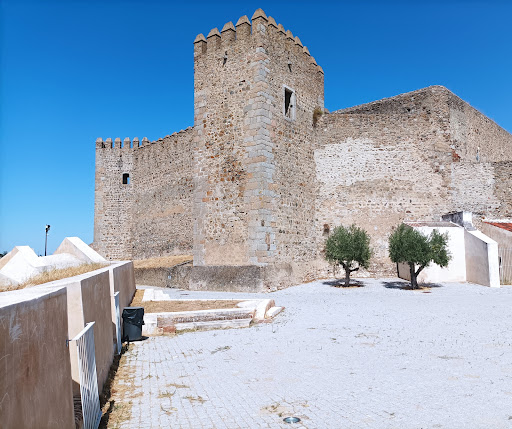
The Castle of Campo Maior is a medieval military fortification, in the civil parish of São João Bapista, municipality of Campo Maior, part of a first line of defense in the Portuguese Alentejo, oriented towards Spain, in conjunction with the military forts of Ouguela, Elvas, Olivença and Juromenha.
Nearby attractions
Lagar Museu do Palácio Visconde d' Olivã
R. de Olivença, 7370-118 Campo Maior, Portugal
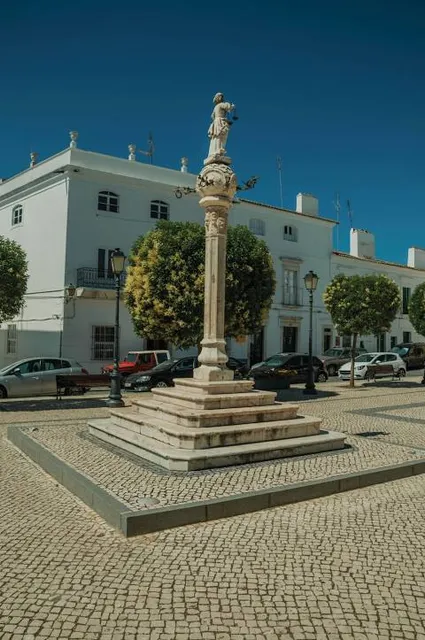
Pillory of Campo Maior
Praça da República 15, 7370-047 Campo Maior, Portugal
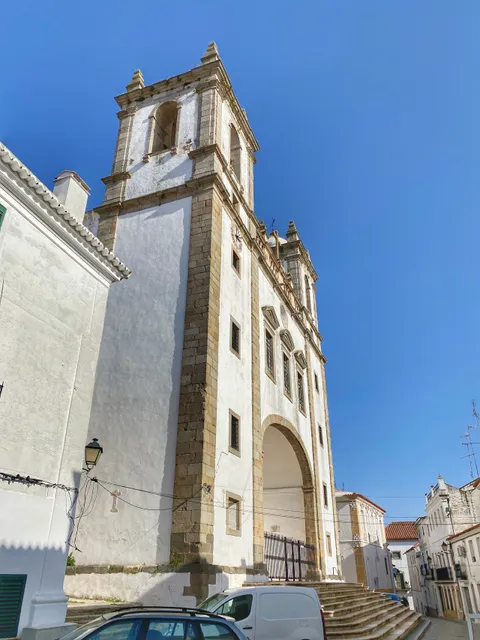
Igreja Matriz de Campo Maior
R. Dr. Luís Abranches 6, 7370-073 Campo Maior, Portugal
Nearby restaurants
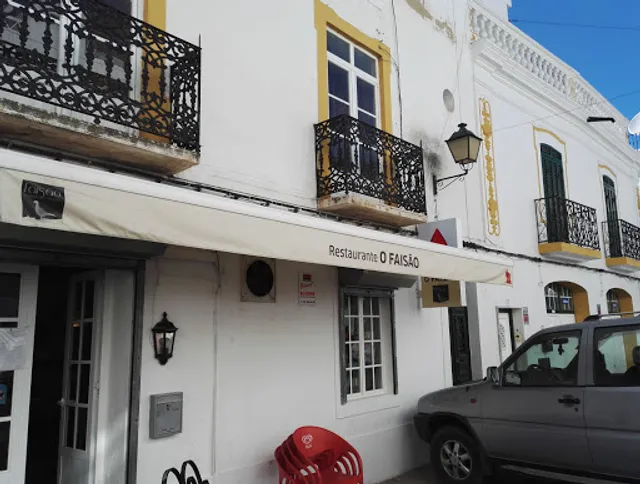
Restaurante O Faisão
Largo Dr Regala 15, 7370-044 Campo Maior, Portugal
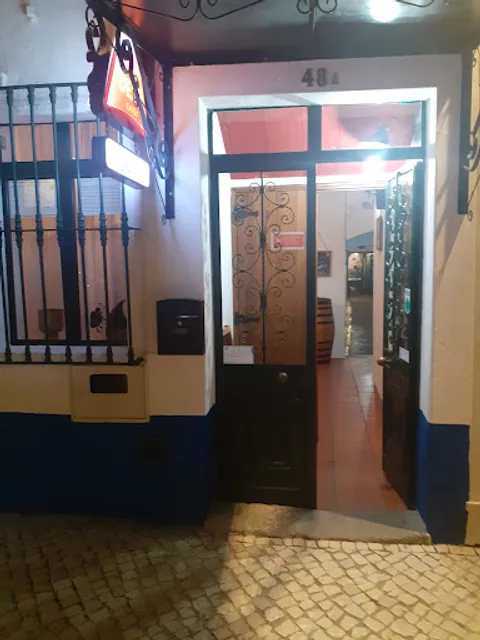
O Tarro
R. 13 de Dezembro 48A, 7370-073 Campo Maior, Portugal
Restaurante Primavera
R. 1º de Maio 3, 7370-047 Campo Maior, Portugal
Restaurante Trindade
Estr. Militar 38, 7370-052 Campo Maior, Portugal
Taberna O Ministro
Av. dos Combatentes da Grande Guerra 2A, 7370-052 Campo Maior, Portugal
Azeitona - tapas.bar
Av. da Liberdade S/N, 7370-071 Campo Maior, Portugal
Pizzaria Cardoso
R. Dr Afonso Costa 3A, 7370-029 Campo Maior, Portugal
Pizzaria lagartini
R. 25 de Abril 42, 7370-029 Campo Maior, Portugal
Aperta restaurante
R. Dr. Tello da Gama 81-75, Campo Maior, Portugal
Nearby hotels
Palacete Encanto Maior
R. Dr. Luís Abranches 12, 7370-048 Campo Maior, Portugal
Vintagehouse
R. Dr. Luís Abranches n16A, 7370-048 Campo Maior, Portugal
Related posts
Keywords
Castle of Campo Maior tourism.Castle of Campo Maior hotels.Castle of Campo Maior bed and breakfast. flights to Castle of Campo Maior.Castle of Campo Maior attractions.Castle of Campo Maior restaurants.Castle of Campo Maior travel.Castle of Campo Maior travel guide.Castle of Campo Maior travel blog.Castle of Campo Maior pictures.Castle of Campo Maior photos.Castle of Campo Maior travel tips.Castle of Campo Maior maps.Castle of Campo Maior things to do.
Castle of Campo Maior things to do, attractions, restaurants, events info and trip planning
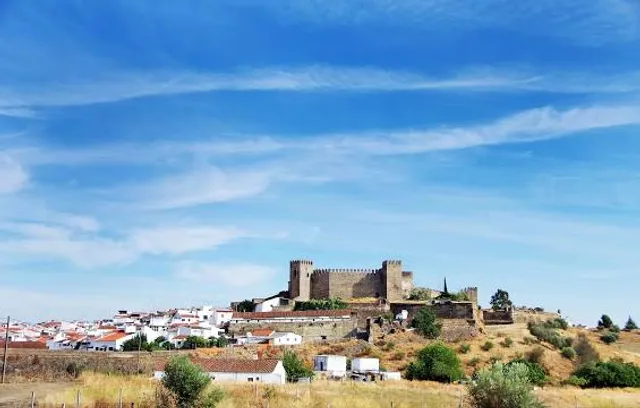
Castle of Campo Maior
PortugalCampo MaiorCastle of Campo Maior

Basic Info

Castle of Campo Maior

R. dos Quartéis 8, 7370-102 Campo Maior, Portugal
4.3(428)
Open 24 hours
Save
spot

Ratings & Description

Info

The Castle of Campo Maior is a medieval military fortification, in the civil parish of São João Bapista, municipality of Campo Maior, part of a first line of defense in the Portuguese Alentejo, oriented towards Spain, in conjunction with the military forts of Ouguela, Elvas, Olivença and Juromenha.

Cultural
Scenic
Family friendly
attractions: Lagar Museu do Palácio Visconde d' Olivã, Pillory of Campo Maior, Igreja Matriz de Campo Maior, restaurants: Restaurante O Faisão, O Tarro, Restaurante Primavera, Restaurante Trindade, Taberna O Ministro, Azeitona - tapas.bar, Pizzaria Cardoso, Pizzaria lagartini, Aperta restaurante
logoLearn more insights from Wanderboat AI.
Phone
+351 928 079 591
Website
campomaior.pt

Plan your stay

hotel
Pet-friendly Hotels in Campo Maior
Find a cozy hotel nearby and make it a full experience.
hotel
Affordable Hotels in Campo Maior
Find a cozy hotel nearby and make it a full experience.
hotel
The Coolest Hotels You Haven't Heard Of (Yet)
Find a cozy hotel nearby and make it a full experience.
hotel
Trending Stays Worth the Hype in Campo Maior
Find a cozy hotel nearby and make it a full experience.

Reviews

Nearby attractions of Castle of Campo Maior

Lagar Museu do Palácio Visconde d' Olivã

Pillory of Campo Maior

Igreja Matriz de Campo Maior

Lagar Museu do Palácio Visconde d' Olivã

Lagar Museu do Palácio Visconde d' Olivã

4.4

(63)

Open until 5:00 PM
Click for details
Pillory of Campo Maior

Pillory of Campo Maior

4.3

(54)

Open 24 hours
Click for details
Igreja Matriz de Campo Maior

Igreja Matriz de Campo Maior

4.7

(17)

Open 24 hours
Click for details

Nearby restaurants of Castle of Campo Maior

Restaurante O Faisão

O Tarro

Restaurante Primavera

Restaurante Trindade

Taberna O Ministro

Azeitona - tapas.bar

Pizzaria Cardoso

Pizzaria lagartini

Aperta restaurante

Restaurante O Faisão

Restaurante O Faisão

4.2

(325)

$$

Open until 12:00 AM
Click for details
O Tarro

O Tarro

4.4

(265)

$$

Click for details
Restaurante Primavera

Restaurante Primavera

4.3

(185)

Click for details
Restaurante Trindade

Restaurante Trindade

4.4

(306)

Click for details
Get the Appoverlay
Get the AppOne tap to find yournext favorite spots!
Wanderboat LogoWanderboat

Your everyday Al companion for getaway ideas

CompanyAbout Us
InformationAI Trip PlannerSitemap
SocialXInstagramTiktokLinkedin
LegalTerms of ServicePrivacy Policy

Get the app

© 2025 Wanderboat. All rights reserved.
logo

Reviews of Castle of Campo Maior

4.3
(428)
avatar
5.0
1y

Castle of Campo Maior

Type: Fort / Castle / Church Time spent: 60-90 min Parking: available Bike parking: not available WC: available Price: free [!]The visit is always guided - scheduled Languages: English, Portuguese Reservations[?]: just for large groups

The recently reconstructed castle attracts tourists to visit Alentejo. The visit includes a church, watching short films, interactive activities, and multiple exhibitions about the local history. It is always guided and scheduled [check the web page]. It takes 90 min, but it depends on your will to watch films and do interactive activities.

[!]Check the last entrance time.

The castle and lands were integrated into the national territory in 1297 under the Treaty of Alcanizes. To maintain the peace between Spain and Portugal, King Denis ordered the reconstruction of the fortress in 1310. These fortifications were extended during the 15th and 16th centuries.

Between the 17th and 18th centuries, the fortification was adapted for the time, obtaining the bulwarks and secondary walls, in addition to the installation of permanent military storehouses, stables, and barracks.

In 1732, an explosion in powder magazines (caused by thunderstorms) resulted in the destruction of the castle and surrounding walls of the old town around 3:00 in the morning; many of the homes around the walls were destroyed. The explosion resulted in a fire that consumed almost half of the...

   Read more
avatar
4.0
8y

Enquadramento Urbano. A magistral e as obras exteriores rodeiam completamente o Outeiro de Santa Vitória, no topo do qual se ergue o castelo, a 299 m de altitude, transformado em cidadela das fortificações abaluartadas. Em plena raia, a 10 km da linha de fronteira e a 18 km de Badajoz e de Elvas (lugares que se avistam das suas torres), a fortaleza está rodeada a N., NE. E. e SE. por edificação moderna e toda a vila se rodeia de terrenos de grande aptidão agrícola.

Descrição Fortificação abaluartada: magistral de traçado abaluartado formando polígono irregular de 10 lados com alguns troços de cortina desaparecidos; flanqueando as cortinas e partindo do sector S. e no sentido dos ponteiros do relógio, apresenta: baluarte da Boa Vista, meio baluarte de São Sebastião, Portas da Vila, meio baluarte de Lisboa, meio baluarte do Curral dos Coelhos, baluarte de Santa Cruz, baluarte do Cavaleiro ou de São João, meio baluarte do Príncipe, baluarte da Fonte do Concelho, meio baluarte de São Francisco, meio baluarte de Santa Rosa e poterna; a fortaleza ainda possui o fosso e a contra-escarpa em boa parte da sua extensão, nomeadamente de S. a NE., bem como 4 revelins; inúmeros edifícios militares têm hoje ocupação civil, conservando a traça original (armazéns, quartéis, cavalariças, habitações, etc.). Castelo e cerca urbana: o castelo possui 2 das 6 torres, de planta rectangular; as muralhas, de planta trapezoidal, estão ameadas e possuem adarve que permitem a circulação completa passando pelas torres remanescentes; também estas torres estão ameadas e, tal como as das muralhas, possuem terminação tronco-piramidal com arredondamento no topo; qualquer das torres tem sala abobadada ao nível do adarve, possuindo a torre N. uma janela com decoração renascentista; para S. estendem-se as muralhas da cerca urbana da vila velha, formando, de forma grosseira, uma meia elipse com 7 torreões (6 com planta rectangular e 1 com planta octogonal, a NE., por onde se realiza a entrada); as muralhas apresentam-se rebaixadas, tal como as torres, formando barbetas e possuindo canhoeiras; apenas uma das torres da cerca, a SO., junto a uma das portas falsas, possui ameias; a SE. a Capela do Senhor...

   Read more
avatar
2.0
3y

You can only visit the castle with a guide. If your time and the guide’s time do not match, go back where you came from. Oh, the best part is that you will be informed about this by three young ladies sitting there, paid by the government, apprently, just to look pretty. Unless you are planning to spend half a day in a city which is, essentially, a giant car park without a single square not covered with someone’s vehicle, it is a complete disappointment. Not recommended for bike tourists: it is a car heaven. Tip: the town looks magnificent from afar, on the horizon - maybe it is best to keep the ilusion...

   Read more
Page 1 of 7
Previous
Next

Posts

Oleh ShpytkoOleh Shpytko
Castle of Campo Maior Type: Fort / Castle / Church Time spent: 60-90 min Parking: available Bike parking: not available WC: available Price: free [!]The visit is always guided - scheduled Languages: English, Portuguese Reservations[?]: just for large groups The recently reconstructed castle attracts tourists to visit Alentejo. The visit includes a church, watching short films, interactive activities, and multiple exhibitions about the local history. It is always guided and scheduled [check the web page]. It takes 90 min, but it depends on your will to watch films and do interactive activities. [!]Check the last entrance time. The castle and lands were integrated into the national territory in 1297 under the Treaty of Alcanizes. To maintain the peace between Spain and Portugal, King Denis ordered the reconstruction of the fortress in 1310. These fortifications were extended during the 15th and 16th centuries. Between the 17th and 18th centuries, the fortification was adapted for the time, obtaining the bulwarks and secondary walls, in addition to the installation of permanent military storehouses, stables, and barracks. In 1732, an explosion in powder magazines (caused by thunderstorms) resulted in the destruction of the castle and surrounding walls of the old town around 3:00 in the morning; many of the homes around the walls were destroyed. The explosion resulted in a fire that consumed almost half of the town's homes.
Rui AssisRui Assis
Fantástico, bem preservado. "Depois de ocupação sucessiva por Celtas, Romanos e Muçulmanos, a vila de Campo Maior foi reconquistada no ano de 1230, integrando definitivamente o território português com o Tratado de Alcanices (1297). O castelo foi mandado construir alguns anos mais tarde, em 1310, pelo rei D. Dinis ao mesmo tempo que concedeu carta de foral à povoação. Tendo sido implantado no topo do Outeiro de Santa Vitória, a 299 m de altitude, em plena raia, a 10 km da linha de fronteira e a 18 km de Badajoz e de Elvas (lugares que se avistam das suas torres). Nos finais do século XV, pela importância estratégica de Campo Maior na defesa fronteiriça, D. João II mandou edificar um novo conjunto de muralhas que albergasse todo o perímetro urbano, que, em cerca de 200 anos, se expandira consideravelmente. Depois da Restauração da Independência, em 1640, todo o sistema defensivo do país foi reforçado, com a construção de grandes conjuntos fortificados, como Elvas, ou a reconstrução e ampliação de antigos castelos e fortalezas. Nesse contexto, em 1645, por ordem de D. João IV, iniciaram-se os trabalhos de construção da fortaleza abaluartada do Castelo de Campo Maior, sob orientações de João Cosmander, sucedido neste cargo por Nicolau de Langres. Em meados do século XVIII, depois de uma violenta tempestade e um incêndio danificarem significativamente o castelo, D. João V ordenou a sua reconstrução, transformando as antigas ruínas medievais numa fortaleza mais pequena, mas de maior operacionalidade. No interior da cerca do castelo foi ainda edificada, no século XVIII, a Capela do Senhor dos Aflitos." Fonte: fortalezasdefronteira.turismodeportugal.pt
Joao PsJoao Ps
Bonito CASTELO DE CAMPO MAIOR Situado na parte mais alta da vila, o Castelo de Campo Maior oferece ao visitante uma perspectiva privilegiada da localidade e da paisagem envolvente. Com eventual fundação islâmica, foi reconstruído durante o reinado de D. Dinis, permanecendo praticamente inalterado até aos séculos XV/XVI. Nesta época, nos reinados de D. João II e D. Manuel I, o castelo sofreu importantes alterações e obras de ampliação e remodelação. A muralha que circundava a vila no início do século XVI começava junto ao castelo e estendia-se até à Porta de Santa Maria, hoje designada Porta da Vila. Nota: A visita ao Castelo de Campo Maior é feita no âmbito da visita ao Centro Interpretativo da Fortificação Abaluartada.
See more posts
See more posts
hotel
Find your stay

Pet-friendly Hotels in Campo Maior

Find a cozy hotel nearby and make it a full experience.

Castle of Campo Maior Type: Fort / Castle / Church Time spent: 60-90 min Parking: available Bike parking: not available WC: available Price: free [!]The visit is always guided - scheduled Languages: English, Portuguese Reservations[?]: just for large groups The recently reconstructed castle attracts tourists to visit Alentejo. The visit includes a church, watching short films, interactive activities, and multiple exhibitions about the local history. It is always guided and scheduled [check the web page]. It takes 90 min, but it depends on your will to watch films and do interactive activities. [!]Check the last entrance time. The castle and lands were integrated into the national territory in 1297 under the Treaty of Alcanizes. To maintain the peace between Spain and Portugal, King Denis ordered the reconstruction of the fortress in 1310. These fortifications were extended during the 15th and 16th centuries. Between the 17th and 18th centuries, the fortification was adapted for the time, obtaining the bulwarks and secondary walls, in addition to the installation of permanent military storehouses, stables, and barracks. In 1732, an explosion in powder magazines (caused by thunderstorms) resulted in the destruction of the castle and surrounding walls of the old town around 3:00 in the morning; many of the homes around the walls were destroyed. The explosion resulted in a fire that consumed almost half of the town's homes.
Oleh Shpytko

Oleh Shpytko

hotel
Find your stay

Affordable Hotels in Campo Maior

Find a cozy hotel nearby and make it a full experience.

Get the Appoverlay
Get the AppOne tap to find yournext favorite spots!
Fantástico, bem preservado. "Depois de ocupação sucessiva por Celtas, Romanos e Muçulmanos, a vila de Campo Maior foi reconquistada no ano de 1230, integrando definitivamente o território português com o Tratado de Alcanices (1297). O castelo foi mandado construir alguns anos mais tarde, em 1310, pelo rei D. Dinis ao mesmo tempo que concedeu carta de foral à povoação. Tendo sido implantado no topo do Outeiro de Santa Vitória, a 299 m de altitude, em plena raia, a 10 km da linha de fronteira e a 18 km de Badajoz e de Elvas (lugares que se avistam das suas torres). Nos finais do século XV, pela importância estratégica de Campo Maior na defesa fronteiriça, D. João II mandou edificar um novo conjunto de muralhas que albergasse todo o perímetro urbano, que, em cerca de 200 anos, se expandira consideravelmente. Depois da Restauração da Independência, em 1640, todo o sistema defensivo do país foi reforçado, com a construção de grandes conjuntos fortificados, como Elvas, ou a reconstrução e ampliação de antigos castelos e fortalezas. Nesse contexto, em 1645, por ordem de D. João IV, iniciaram-se os trabalhos de construção da fortaleza abaluartada do Castelo de Campo Maior, sob orientações de João Cosmander, sucedido neste cargo por Nicolau de Langres. Em meados do século XVIII, depois de uma violenta tempestade e um incêndio danificarem significativamente o castelo, D. João V ordenou a sua reconstrução, transformando as antigas ruínas medievais numa fortaleza mais pequena, mas de maior operacionalidade. No interior da cerca do castelo foi ainda edificada, no século XVIII, a Capela do Senhor dos Aflitos." Fonte: fortalezasdefronteira.turismodeportugal.pt
Rui Assis

Rui Assis

hotel
Find your stay

The Coolest Hotels You Haven't Heard Of (Yet)

Find a cozy hotel nearby and make it a full experience.

hotel
Find your stay

Trending Stays Worth the Hype in Campo Maior

Find a cozy hotel nearby and make it a full experience.

Bonito CASTELO DE CAMPO MAIOR Situado na parte mais alta da vila, o Castelo de Campo Maior oferece ao visitante uma perspectiva privilegiada da localidade e da paisagem envolvente. Com eventual fundação islâmica, foi reconstruído durante o reinado de D. Dinis, permanecendo praticamente inalterado até aos séculos XV/XVI. Nesta época, nos reinados de D. João II e D. Manuel I, o castelo sofreu importantes alterações e obras de ampliação e remodelação. A muralha que circundava a vila no início do século XVI começava junto ao castelo e estendia-se até à Porta de Santa Maria, hoje designada Porta da Vila. Nota: A visita ao Castelo de Campo Maior é feita no âmbito da visita ao Centro Interpretativo da Fortificação Abaluartada.
Joao Ps

Joao Ps

See more posts
See more posts