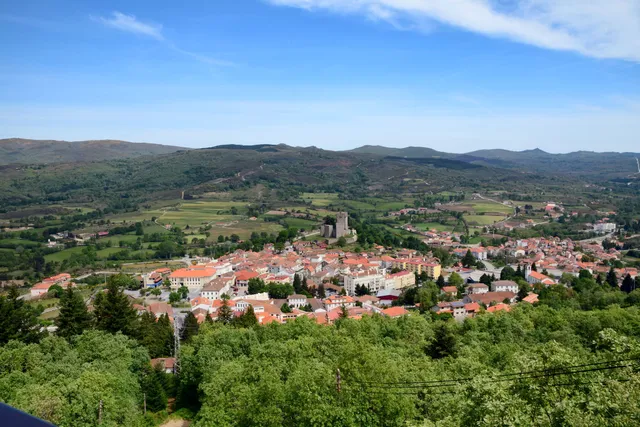
Welcome, my fellow adventurers, to the captivating town of Montalegre, nestled in the rugged hills of northern Portugal. This hidden gem, with its ancient castle perched high above the winding streets, holds secrets and stories that beckon us to explore its rich history, vibrant culture, and mouthwatering culinary delights.
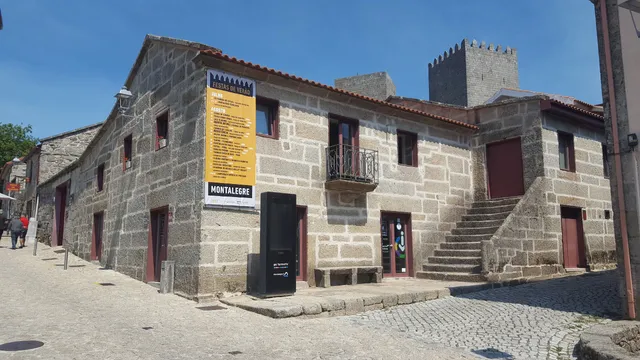
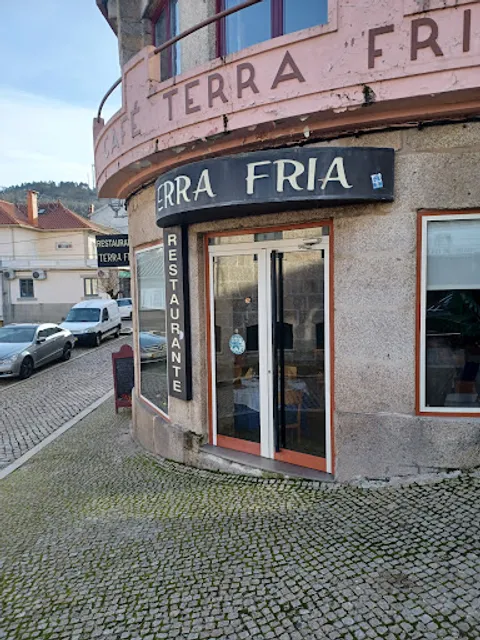
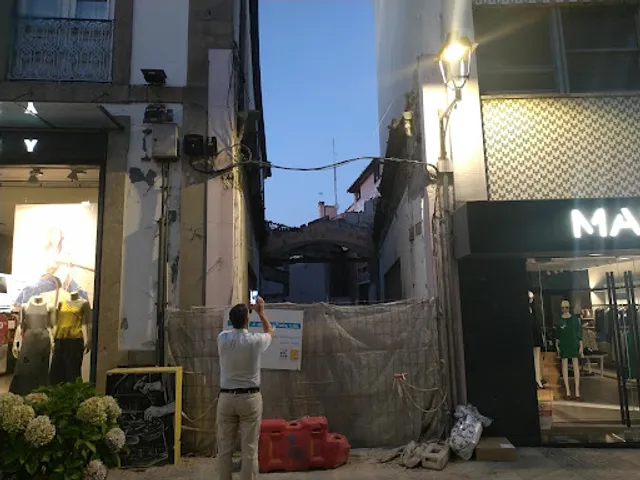
As you step into Montalegre, you're immediately enveloped by the charm of its traditional stone houses, their weathered facades standing as a testament to the passage of time. Cobblestone streets wind their way through the town, leading you to hidden squares and quaint shops where artisans ply their trade. The air is infused with the aroma of roasted chestnuts, a comforting scent that lingers on every corner, inviting you to indulge in the local flavors.
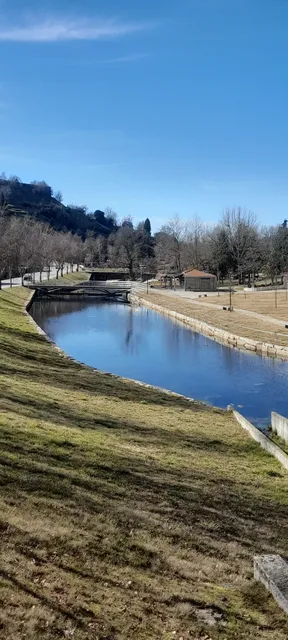
But it is the imposing Castle of Montalegre that steals the show, a majestic fortress that has stood guard over the town for centuries. Its medieval walls rise defiantly against the sky, offering breathtaking views of the surrounding countryside. As you climb the stone steps, imagine the echoes of the past, the battles fought, and the stories whispered within these ancient walls. From the ramparts, the vista unfolds before you, a patchwork of emerald-green fields, sleepy villages, and distant mountains—a scene that seems straight out of a fairytale.
In the heart of Montalegre, the town square bustles with life, a hub of activity where locals and visitors mingle. Take a seat at one of the cozy cafes and watch as the world goes by. Sip on a cup of robust Portuguese coffee or sample the local Vinho Verde, its crispness delighting your palate. Engage in conversation with the friendly residents, who exude a warmth and hospitality that is synonymous with this region. Their stories, filled with folklore and tales of tradition, offer a glimpse into the soul of Montalegre.
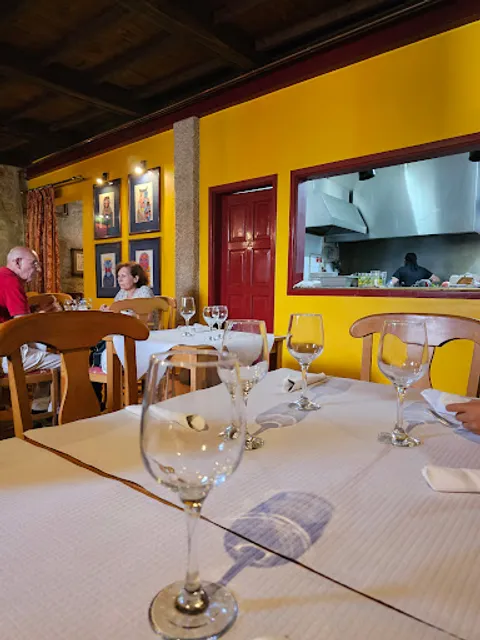
And now, my friends, let's turn our attention to the true star of the show—the culinary treasures that await us in Montalegre. The gastronomic delights of this region are a testament to the passion and reverence the locals have for their culinary heritage. The aroma of slow-cooked stews and grilled meats wafts through the air, teasing your senses and whetting your appetite.
One of the must-try dishes here is the famous Barrosã beef, sourced from the indigenous cattle that graze on the lush pastures of the region. Imagine sinking your teeth into a tender, juicy steak, the flavors of the land bursting forth with each bite. The beef is often paired with crispy, golden potatoes, lovingly fried to perfection, and accompanied by a hearty red wine sauce that elevates the dish to new heights. It's a symphony of flavors that pays homage to the agricultural traditions that have shaped Montalegre's culinary identity.
For those with a taste for adventure, indulge in the local delicacy known as "papas de sarrabulho." This hearty dish is a testament to the resourcefulness of the local people, who transformed humble ingredients into a culinary masterpiece. It combines pork, blood, and wheat, creating a rich and flavorful porridge-like dish that warms the soul and invites you to savor every spoonful.
But no culinary journey in Montalegre would be complete without a visit to the local bakeries, where sweet temptations await. Sink your teeth into the "Cavacas," delicate pastries that crumble at the touch, revealing a sweet almond-infused interior. And don't forget to sample the "Biscoitos do Cantinho," buttery biscuits that melt in your mouth, leaving a lingering sweetness that you'll carry with you long after you've left this enchanting town.
Montalegre, my friends, is a place where time seems to stand still, where history comes alive, and where flavors take center stage. So, let us immerse ourselves in the sights, sounds, and tastes of this captivating town, embracing the warmth of its people, the stories of its past, and the culinary wonders that await us at every turn. In Montalegre, we'll find a slice of Portugal's soul, an experience that will stay with us long after we bid...
Read moreO Castelo de Montalegre localiza-se na freguesia Montalegre e Padroso, Município de Montalegre, Distrito de Vila Real, em Portugal, no topo de um monte granítico, de onde se descortinam as serras do Gerês e do Larouco e o curso do rio Cávado.
O Castelo domina a Povoação, que se situa a poucos quilómetros da fronteira com a Galiza.
O Castelo de Montalegre é uma construção medieval, com planta circular irregular, que conserva apenas parte da sua muralha, rasgada por uma porta de arco quebrado, integrando uma torre e dois cubelos quadrangulares e a torre de menagem, também de planta quadrada, tendo no piso superior balcões circulares nos ângulos e rectangulares ao centro das fachadas, com matacões e coroados por merlões pentagonais.
Traço de castelo gótico, cuja muralha, há muito sem o remate terminal, era inicialmente rasgada por duas portas, uma virada a Norte e outra a Sudoeste, a única actualmente existente, de arco quebrado.
A torre de menagem surge já integrada no circuito muralhado, rasgado por seteiras estreitas a abrirem para o interior, com o primeiro pavimento sobrelevado, acedido por portal de arco quebrado, e possuindo interiormente quatro pisos, um deles abobadado e o último com túneis de acesso aos balcões curvos que se dispõem nos quatro cunhais e rectilíneos no centro de três fachadas, todos com matacões, conferindo grande riqueza decorativa à torre.
Na muralha integra-se ainda uma outra torre, com portal ao nível da praça de armas e ao nível do adarve, este actualmente sem função e possuindo arco de volta perfeita sobre impostas e com tímpano decorado, de feição mais antiga, e dois cubelos, de tamanho desigual com acesso pelo adarve.
A cisterna existente na praça de armas é extremamente profunda e alarga no fundo, onde é coberta por abóbada.
O castelo de Montalegre integra-se na segunda linha de defesa da fronteira Norte, das de mais fácil acesso ao país.
Do alto do Castelo, a vista panorâmica é Lindíssima...
Read moreЗамок Монталегре (Castelo de Montalegre) расположен в округе Вила-Реал, в нескольких километрах от Галисии. Он стоит на высоте 980 метров над уровнем моря, на вершине гранитного холма, доминируя над окрестностью. Различные артефакты, найденные археологами при раскопках, свидетельствуют о том, что этот холм использовали для возведения укрепленного поселения еще древние римляне. Португальцы же стали строить здесь крепость в конце XIII века – при короле Афонсу III и его сыне Динише, и завершили спустя 50 лет при Афонсу IV. Об этом свидетельствует эпиграфическая каменная плита, сохранившаяся у подножия южной башни. Всего было построено четыре мощных башни, соединенных стенами. Также ядро крепости окружала еще одна внешняя стена. Центром укрепления был 27-метровый донжон в готическом стиле, увенчанный пятиугольными зубцами. Такие же зубцы венчают каменные балконы в верхней части донжона Во время династического кризиса город и его крепость были захвачены Доной Беатрис, но вскоре отвоеваны королем Жоаном, первым королем из Ависской династии. В XVII веке во время Войны за Независимость, замок был модернизирован с учетом применения артиллерии. Землетрясение 1755 года, принесшее разрушения по всей стране, замок Монталегре как будто обошло стороной. Рухнул только один зубец. Сейчас замок Монталегре является Национальным монументом, в нем находится прекрасный археологический музей, в котором собраны замечательные экспонаты, свидетельствующие о древней...
Read more