Castle of Moura things to do, attractions, restaurants, events info and trip planning
Basic Info
Castle of Moura
Calçada do Castelo, 7860-009 Moura, Portugal
4.4(1.1K)
Closed
Save
spot
spot
Ratings & Description
Info
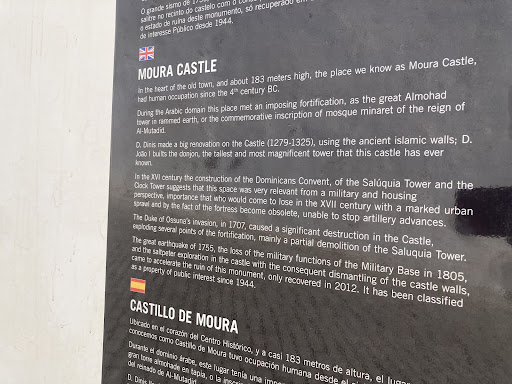
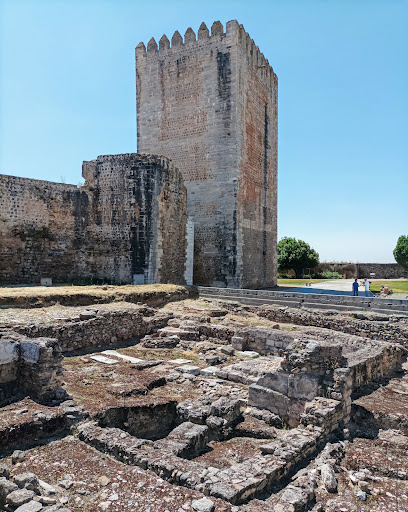
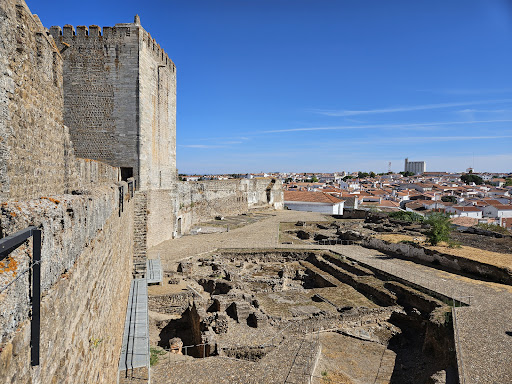
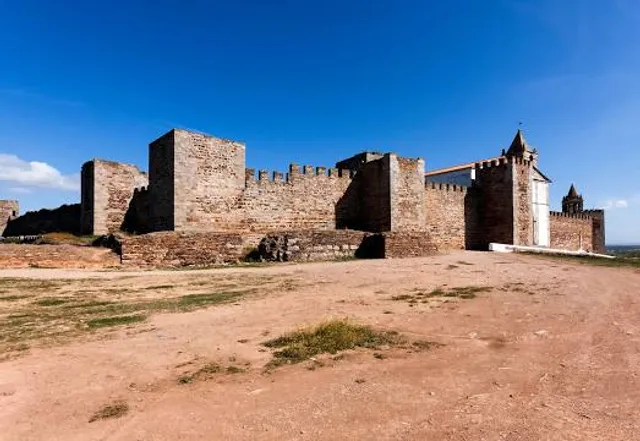
The Castle of Moura, is a Portuguese medieval castle in civil parish of Moura e Santo Amador, in the municipality of Moura, in the district of Beja.
Cultural
Outdoor
Family friendly
attractions: Posto de Turismo de Moura, Museu Alberto Gordillo - Joalharia Contemporânea, Lagar de Varas do Fojo (Museu do Azeite), restaurants: A Taberna do Liberato, O Molho, Casa Benfica Moura, Sabores da Praça, Retiro do Ernesto, Caprixus, O Vermelhudo, O Ideal - Wine and Business Restaurant, Don Paco, La Pizza, local businesses: Igreja Matriz de São João Baptista
 Learn more insights from Wanderboat AI.
Website
cm-moura.pt
Open hoursSee all hours
Tue9 AM - 5:30 PMClosed
Plan your stay

Pet-friendly Hotels in Moura
Find a cozy hotel nearby and make it a full experience.

Affordable Hotels in Moura
Find a cozy hotel nearby and make it a full experience.

The Coolest Hotels You Haven't Heard Of (Yet)
Find a cozy hotel nearby and make it a full experience.

Trending Stays Worth the Hype in Moura
Find a cozy hotel nearby and make it a full experience.
Reviews
Nearby attractions of Castle of Moura
Posto de Turismo de Moura
Museu Alberto Gordillo - Joalharia Contemporânea
Lagar de Varas do Fojo (Museu do Azeite)
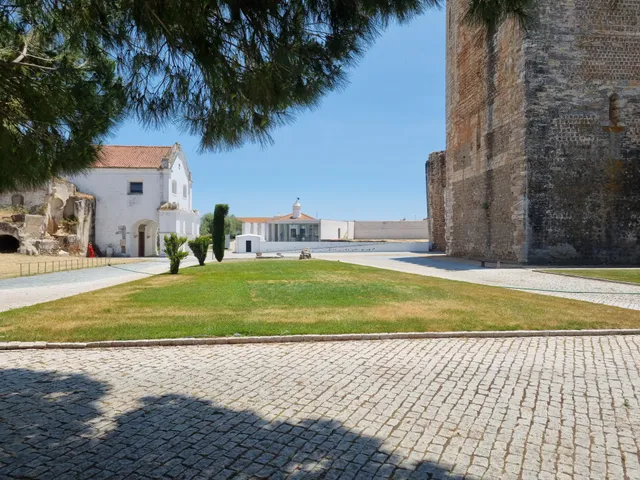
Posto de Turismo de Moura
4.6
(10)
Open 24 hours
Click for details
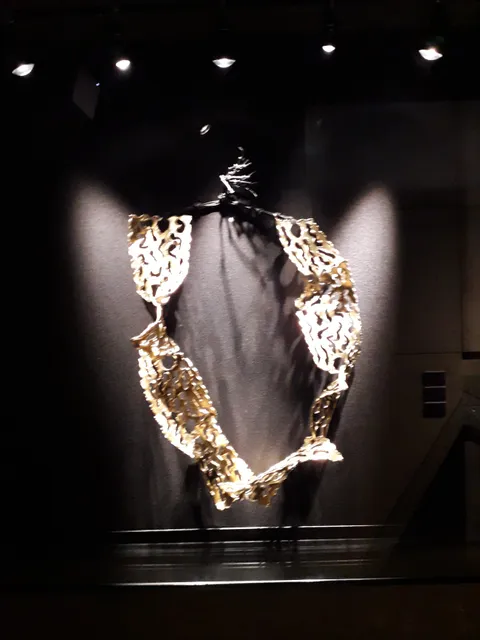
Museu Alberto Gordillo - Joalharia Contemporânea
4.7
(15)
Open until 12:00 AM
Click for details
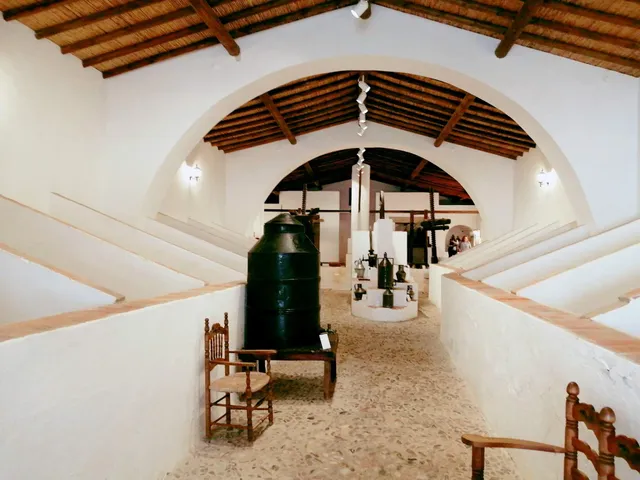
Lagar de Varas do Fojo (Museu do Azeite)
4.3
(60)
Open until 12:00 AM
Click for details
Nearby restaurants of Castle of Moura
A Taberna do Liberato
O Molho
Casa Benfica Moura
Sabores da Praça
Retiro do Ernesto
Caprixus
O Vermelhudo
O Ideal - Wine and Business Restaurant
Don Paco
La Pizza
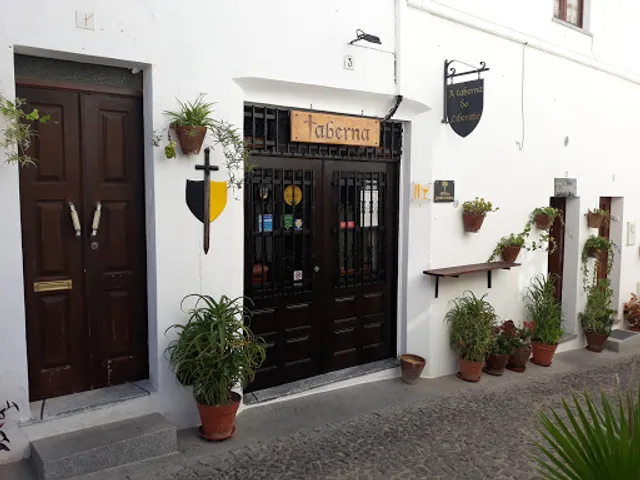
A Taberna do Liberato
4.5
(275)
Closed
Click for details
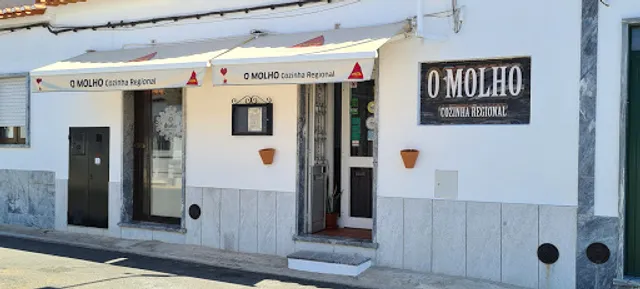
O Molho
4.7
(474)
Open until 12:00 AM
Click for details
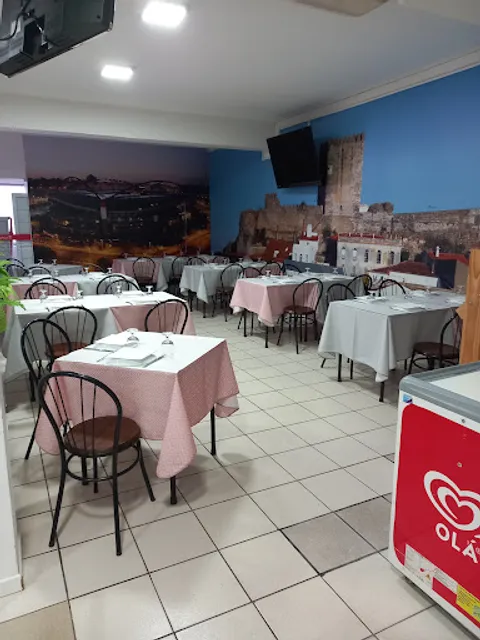
Casa Benfica Moura
4.4
(85)
$
Closed
Click for details
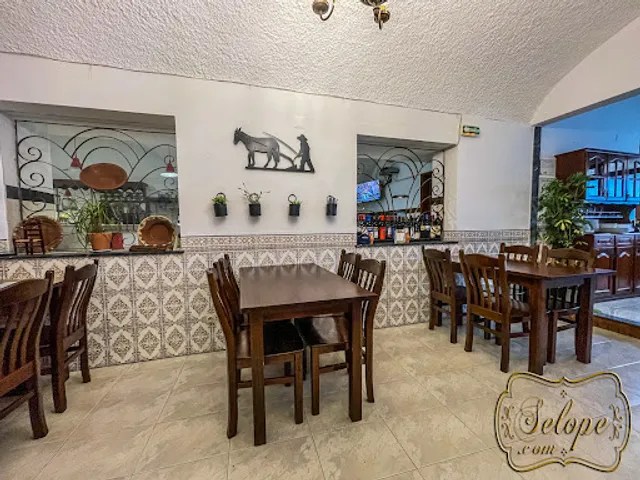
Sabores da Praça
4.3
(70)
Open until 12:00 AM
Click for details
Nearby local services of Castle of Moura
Igreja Matriz de São João Baptista
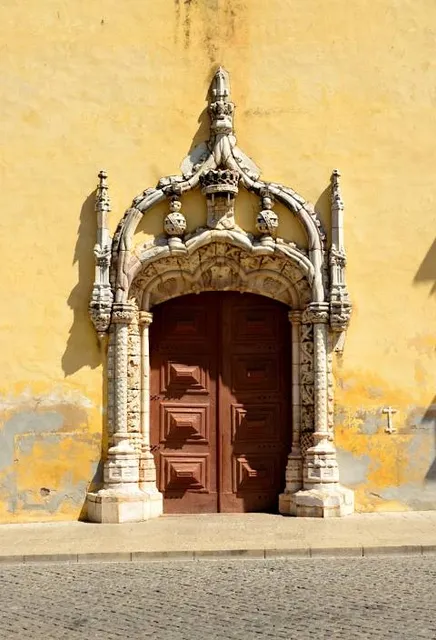
Igreja Matriz de São João Baptista
4.6
(25)
Click for details