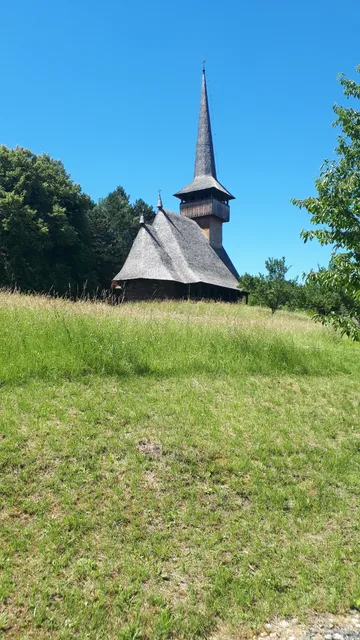
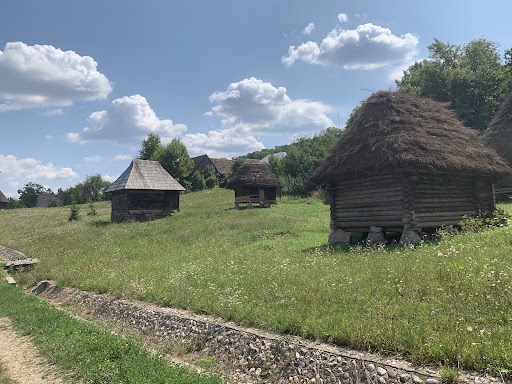
It’s a very interesting place, especially for tourists, in which they can see how Romanian houses were like in the past, in different parts of the country and for different social classes. The houses and the churches are well maintained and that’s because, like others have said, you cannot enter in most of them. Unfortunately, even though the tourism potential is great, the management of this place is average, at best. With your ticket purchase you also receive a map outlining every house and point of attraction and you get a small description of each house, as in where it came from and the year in which it was built. The problem is that even if you manage to get to all the houses you cannot enter most of them. There are several people that work there and in the summer, at least, there was one person per 5 houses which they were supposed to unlock for the tourists. We met one such person, who was very nice and even told us some history behind the church etc and he told us that the reason for the lockdown was theft. It’s very interesting because in a way they are overstaffed and understaffed at the same time. With how many houses there are you can’t have one person guarding each house because that would be absurd but they could install security cameras in each house and offer guided tours around the clock. If you were to visit this park you could stay for an hour so they could say at 13:00 there will be a guided tour, at 13:30 another tour etc but for that they should also have english speaking tours. I don’t know, you could visit this place because it’s worth it but perhaps read up on it beforehand. It’s quite unfortunate that this place isn’t more...
Read moreThe “Romulus Vuia” Ethnographic Park – Cluj-Napoca
There are places you don’t just visit, you breathe them in. The “Romulus Vuia” Ethnographic Park is one of those rare places: you walk and feel the wood creak with centuries of memory, the smell of worked earth, the echo of hands that once built and prayed. It’s not just an open-air museum—it’s a fragment of life brought back to stand before you.
The houses are not stage sets; they are real, carried here from villages across Transylvania. Doors still seem to wait for their owners to return. The farms, fences, and tools speak of a time when every gesture mattered, when survival was tied directly to the land. Here you don’t just see objects—you see stories.
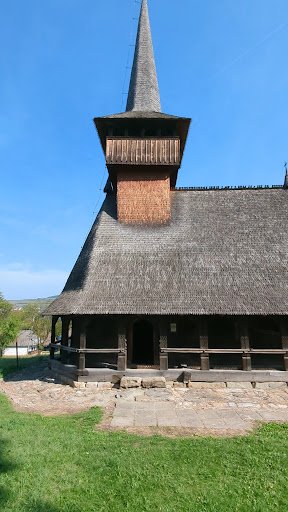
And then, the churches. Wooden ones with a quiet, stubborn strength. One was closed, but another welcomed me inside: simple, devout interiors, faded icons, and a light that filtered through like a breath. Inside, you feel an entire people—their faith, their struggle, their hope.
It’s not a flawless place, nor does it need to be. Some areas are less polished, some signs are missing. But maybe that’s the point. What stays with you is not postcard perfection, but the soul it leaves behind.
If you find yourself in Cluj, go. Not just to look, but to listen. Because among those ancient timbers and peasant walls, it isn’t only the past that speaks—it’s a reminder that we too, today, are...
Read morePe lângă secţia pavilionară, găzduită în Palatul Reduta de pe Memorandumului 21, Muzeul Etnografic al Transilvaniei include și o secţie în aer liber. Este vorba despre Parcul Etnografic Naţional ,,Romulus Vuia”, care este și primul muzeu în aer liber din Romania, înfiinţat la 1 iunie 1929. O plimbare aici echivalează cu un salt în urmă cu 200 de ani dar și cu o evadare din stresul cotidian. Situat pe Dealul Hoia din Cluj, cu o suprafață de de 75 de hectare, muzeul etnografic în aer liber îți poartă pașii într-o vreme demult uitată, când viața își urma cursul tihnit la țară, fără factorii de stres și zgomot din ziua de azi. Pe vremea când casele din muzeu erau locuite, mașinile erau care și căruțe, raiourile și televizoarele erau șezătorile și jocul din sat, telefonul era strigatul de pe deal iar cafeneaua era tinda din fața casei. Parcul a fost proiectat de către etnograful Romulus Vuia astfel încât să cuprindă gospodarii rurale originale, locuite de ţărani. În perioada 1929 – 1940, o serie de construcţii au fost transferate în Parcul Etnografic: Casa din Vidra, Troiţa din Lupșa, Gospodaria din Telciu și, în mod surprinzător poate, o stână din Poiana Sibiului împreună cu ciobanul și 75 de oi. Tot atunci, a fost deschis și restaurantul muzeului, Gaudeamus. Din păcate însă, Al Doilea Razboi Mondial a adus cu sine distrugerea majorității construcțiilor din Parcul Etnografic, la sfârșitul acestuia rămânând foarte puţine construcţii. La aproape 10 ani după război, s-a realizat o restructurare inovatoare a planului tematic al parcului, abandonată însă parţial din cauza întâmpinării unor obstacole. Prin ajustarea planului, s-au înfiinţat: Sectorul tehnic, care include instalații tehnice și ateliere țărănești încă din secolele XVIII-XX și Sectorul gospodăriilor țărănești tradiționale reprezentative pentru zone etnografice din Transilvania, cu mai multe construcţii datate în perioada secolelor XVII-XX. Printre obiectivele muzeale de interes ale Parcului Etnografic, se regăsește Biserica de lemn din satul Chirales, jud. Bistriţa-Năsăud, dar și complexele meșteșugărești de la Preuteasa și Harnicesti, cuptorul pentru ars varul din Baba, fierăriile din Rimetea și Vărzari, mai multe piue de ulei, precum și oricare dintre gospodăriile prezente, căci fiecare vine cu farmecul și caracteristicile sale. Parcul Etnografic National ,,Romulus Vuia” este o oază de liniște într-un oraș în plină dezvoltare, într-un secol al vitezei și al progresului cu orice preţ. Aici, timpul e mai „molcom” și mai răbdător. Aici, te rupi de cotidian și te scufunzi într-o lume a florilor de câmp, a casuţelor din lemn, cu prispă, a nucilor și merilor care te ascund pe timpul verii de caldura soarelui și devin opere de artă pe...
Read more