The Casino of Constanța things to do, attractions, restaurants, events info and trip planning
Basic Info
The Casino of Constanța
Bulevardul Regina Elisabeta 4, 900178 Constanța, Romania
4.4(6.2K)
Open until 12:00 AM

tickets
Save
spot
spot
Ratings & Description
Info
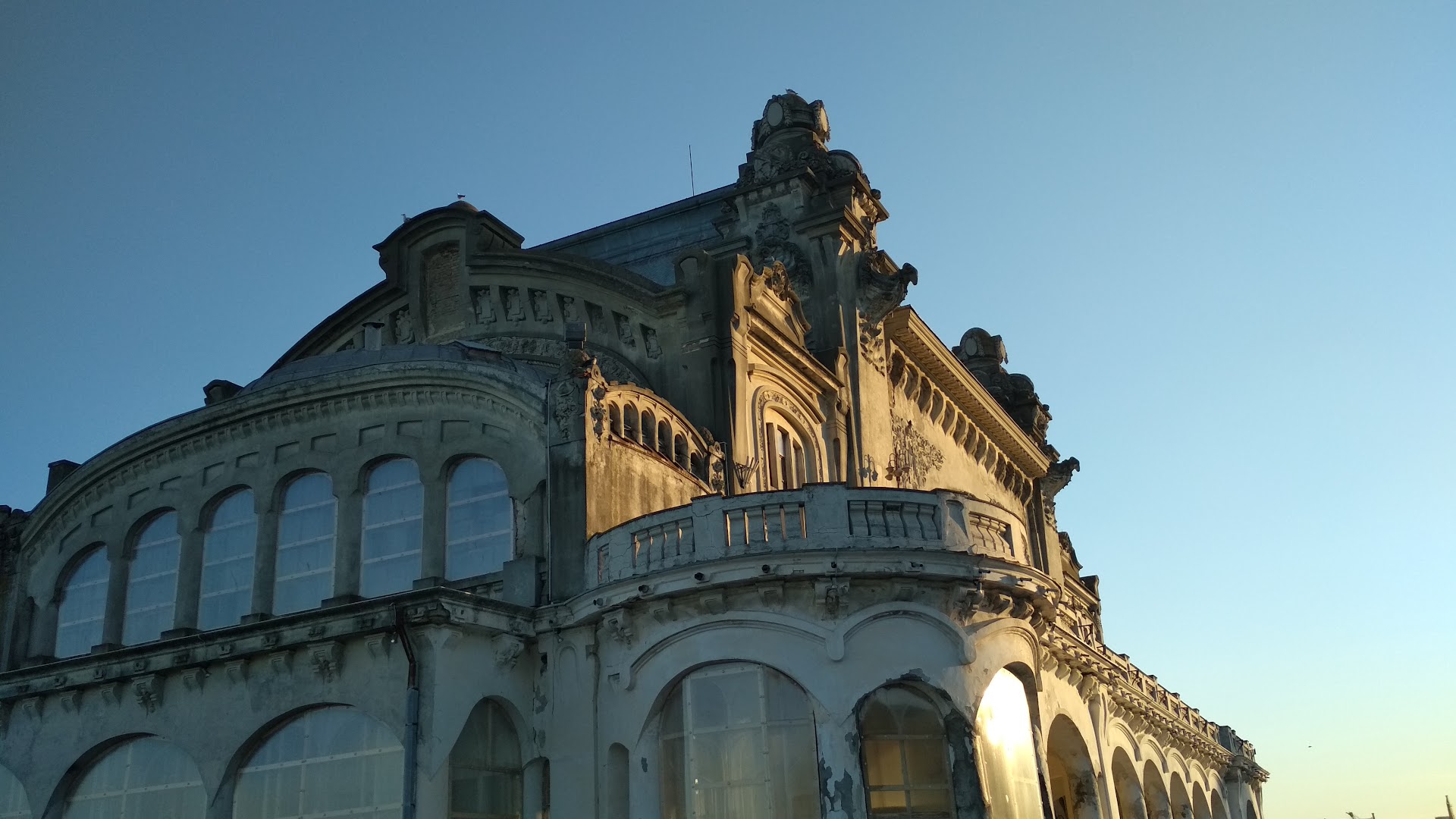
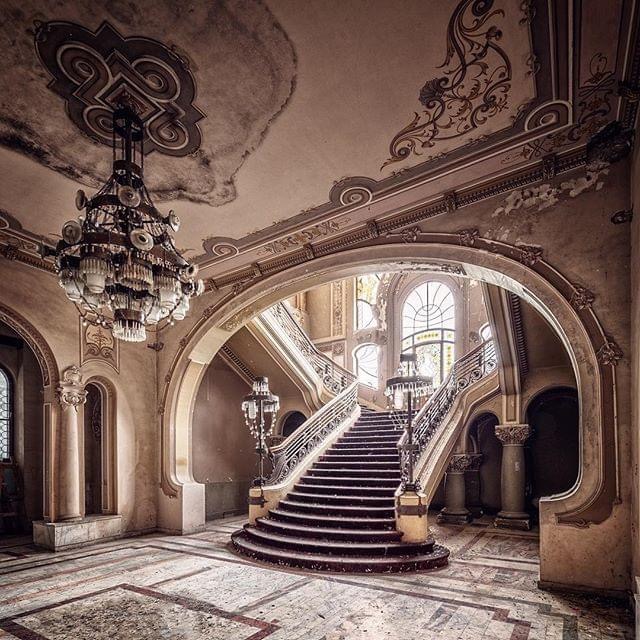
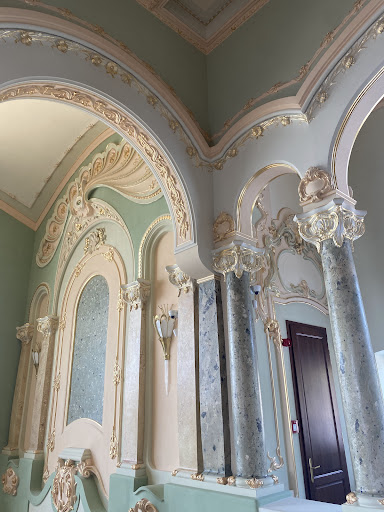
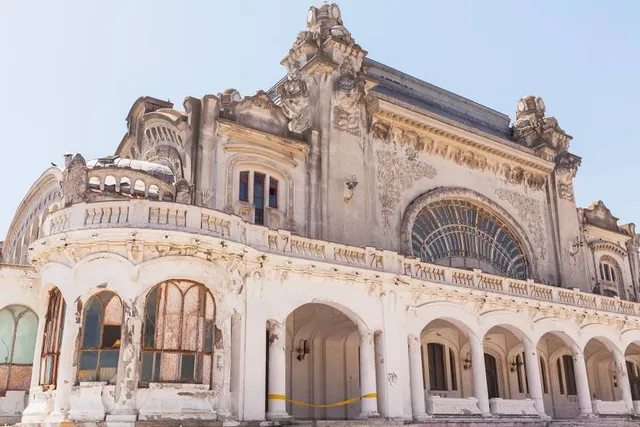
The Constanța Casino is a defunct casino located in Constanța, Romania. Designated by the Romanian Ministry of Culture and National Patrimony as a historic monument, the casino is situated on the Constanța seafront along the Black Sea in the historic Peninsulă District of the city.
Cultural
Accessibility
attractions: The Aquarium of Constanța, The Casino's Promenade, Cathedral of "Saints Peter and Paul", Headquarters of the Navy Commandment, Ovidiu Square, Museum of National History and Archeology, The House with Lions, Ovidius Statue, restaurants: Reyna, Soupizza Old Town Constanța, local businesses: Acvariu Constanța, The Great Mosque
 Learn more insights from Wanderboat AI.
Website
cazinoul.com
Open hoursSee all hours
MonClosedOpen
Plan your stay

Pet-friendly Hotels in Constanta Metropolitan Area
Find a cozy hotel nearby and make it a full experience.

Affordable Hotels in Constanta Metropolitan Area
Find a cozy hotel nearby and make it a full experience.

The Coolest Hotels You Haven't Heard Of (Yet)
Find a cozy hotel nearby and make it a full experience.

Trending Stays Worth the Hype in Constanta Metropolitan Area
Find a cozy hotel nearby and make it a full experience.
Reviews
Live events

Constanta Stories: Culture, Soul & Sea
Mon, Jan 26 • 11:30 AM
Constanța, Constanța, 900178, Romania
View details
Nearby attractions of The Casino of Constanța
The Aquarium of Constanța
The Casino's Promenade
Cathedral of "Saints Peter and Paul"
Headquarters of the Navy Commandment
Ovidiu Square
Museum of National History and Archeology
The House with Lions
Ovidius Statue
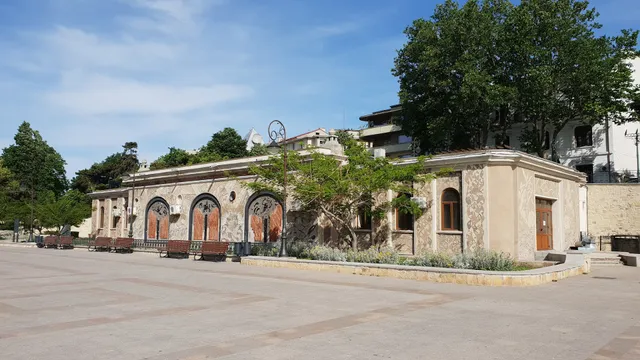
The Aquarium of Constanța
4.2
(3.3K)
Open 24 hours
Click for details
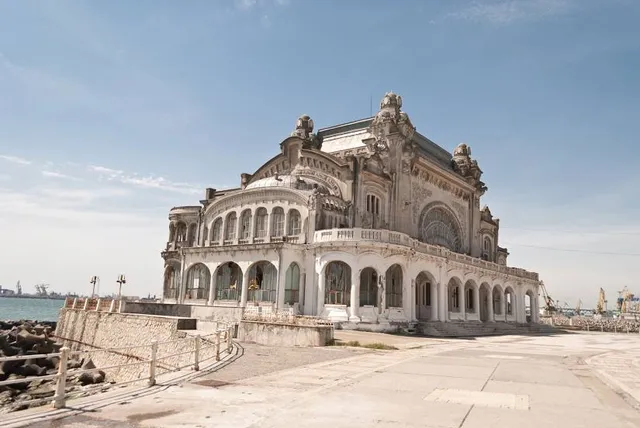
The Casino's Promenade
4.6
(6.3K)
Open until 12:00 AM
Click for details
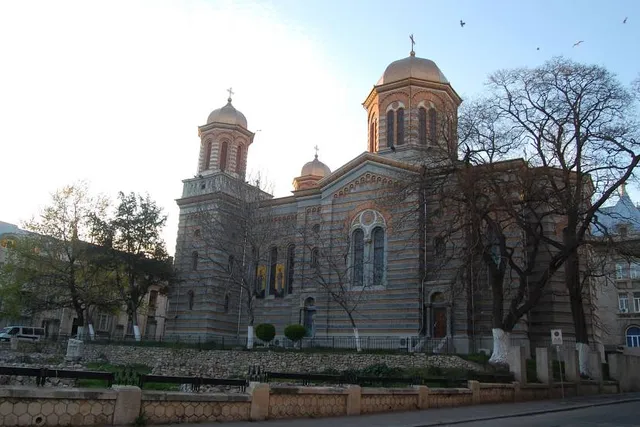
Cathedral of "Saints Peter and Paul"
4.7
(881)
Open until 7:00 PM
Click for details
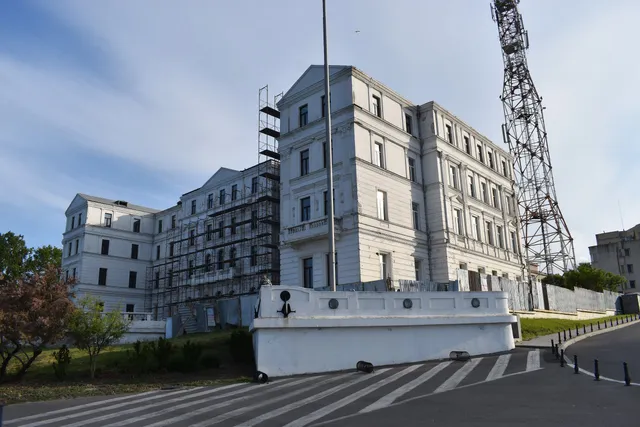
Headquarters of the Navy Commandment
4.5
(19)
Open 24 hours
Click for details
Nearby restaurants of The Casino of Constanța
Reyna
Soupizza Old Town Constanța
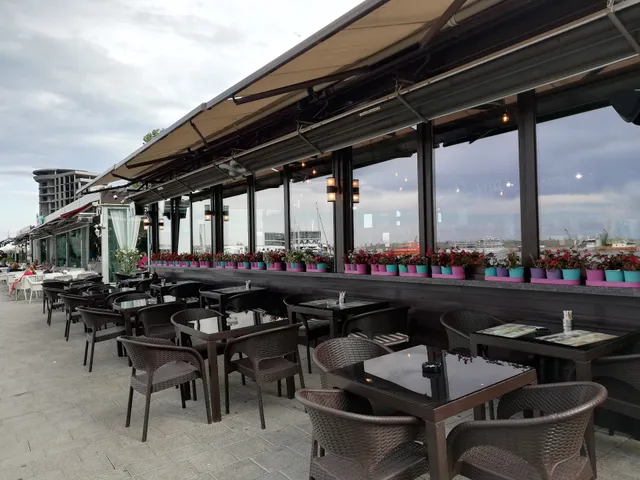
Reyna
4.3
(1.1K)
$$
Open until 12:00 AM
Click for details
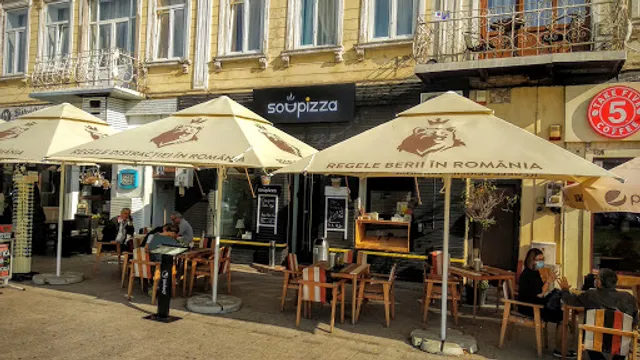
Soupizza Old Town Constanța
4.6
(324)
Open until 10:00 PM
Click for details
Nearby local services of The Casino of Constanța
Acvariu Constanța
The Great Mosque
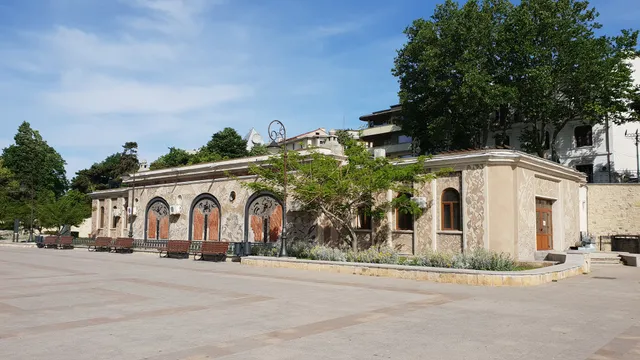
Acvariu Constanța
4.2
(3.3K)
Click for details
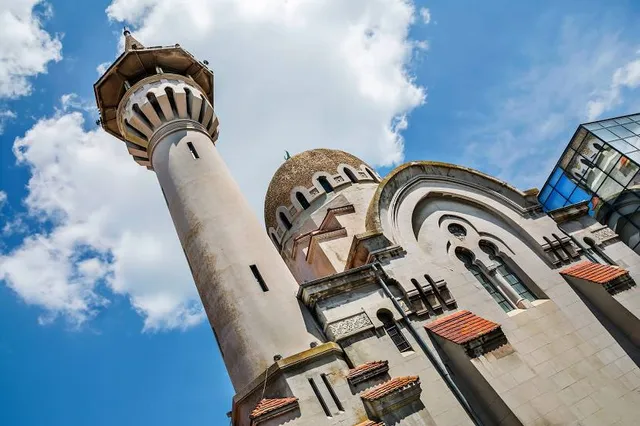
The Great Mosque
4.5
(663)
Click for details