Oradea's Grand Treasure: A Timișoara Family's Day at Muzeul Țării Crișurilor
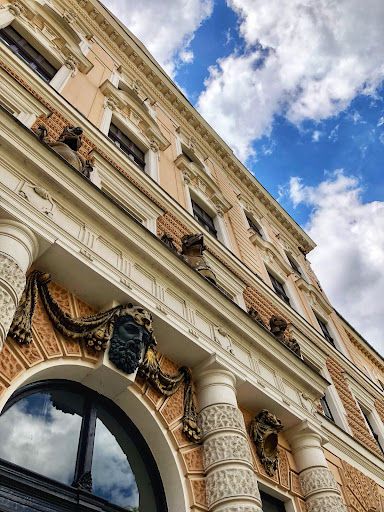
As a family of four living in Timișoara, we're always on the lookout for exciting weekend getaways that are both fun and educational for our two children. Oradea has been on our list for a while, known for its stunning Art Nouveau architecture and vibrant atmosphere. On our recent trip there, one destination stood out as an absolute must-visit: the Muzeul Țării Crișurilor (Museum of the Criș Rivers Land). And let me tell you, it exceeded all our expectations! Driving from Timișoara to Oradea is a pleasant journey, and arriving in the city immediately gives you a sense of its unique charm. But the museum itself is something else. Housed in the magnificent former Episcopal Palace, the building is an attraction in itself. Stepping through its grand entrance felt like stepping into a different era. The architecture, both inside and out, is simply breathtaking, a stunning blend of historical styles that immediately captured our attention, even before we saw the exhibits. With 2 children, our museum visits often require strategic planning – finding things that will spark their curiosity and keep them engaged. Muzeul Țării Crișurilor is perfect for this because its collections are incredibly diverse. We decided to start with the Natural History section, and that was a winning move! Dinosaurs, fossils, stuffed animals from the region and beyond – their eyes were wide with wonder. My younger one was fascinated by the sheer size of the dinosaur skeletons, while the older one loved reading the descriptions and learning about prehistoric life in this very region. It was like a real-life adventure through time and ecosystems. The displays are well-arranged and visually appealing, making complex information accessible even for younger minds. Moving on, we explored the History section. While some parts might be more suited for adults, the way the local history is presented, from ancient artifacts to more recent times, offered plenty of talking points for us as a family. We saw old tools, traditional costumes, and learned about key moments that shaped the area. It was a tangible connection to the past that you just can't get from books. What impressed us most as parents was the sheer scale and breadth of the museum. Beyond natural history and history, there are sections dedicated to art and ethnography (traditional life and customs). While we didn't spend equal time in every hall (two active kids!), we appreciated the opportunity to get a glimpse into various facets of the Criș Rivers Land's heritage. The ethnography exhibits, showing traditional houses and crafts, were particularly interesting, giving the children a look at how people lived not so long ago. Navigating the museum was surprisingly easy, despite its size. The layout is logical, and there are plenty of helpful signs. We spent a good few hours inside, and honestly, we could have spent more. The kids were engaged the entire time, moving from one fascinating display to the next. For us, coming from Timișoara, the Muzeul Țării Crișurilor was much more than just a museum visit; it was a key part of our Oradea experience. It offered a fantastic blend of education and entertainment for the whole family, all within a truly magnificent setting. If you're visiting Oradea, especially with children, make sure to put this museum on your itinerary. It's a grand treasure trove of knowledge and wonder, and a perfect way to spend a few hours learning about the rich history and nature of this beautiful corner of Romania. We highly...
Read moreAbsolute gem and a must-visit for Oradea and western Romania. It's well-curated and exhibited across natural science (lots geology and local or regional flora and fauna), history, art, ethnography, and a vivarum. Every label, sign, and board is in three languages: Romanian, English, and Hungarian. Its storytelling of how Oradea and the region around it came to be is superb and captivating, and rivals some of the best museums in the world such as the Smithsonian. The exhibitions tell great stories that pique your interest and make you want to know more about the region, the peoples, and the cultures.
There are lots of locally excavated and well-preserved big and small fossils and archeology remains that come with explanations and well-crafted reconstructions; historical photos, images, and artifacts that walk you through the evolution of the region across decades and centuries; well-crafted historical curiosity items made of very rare materials; ethnography items that come with context and stories about how they were built anf used; immersive, multimedia ethnography exhibitions that transport you into a different time and place...and many more. You could easily spend a day there. The multi-media screens in many of the rooms actually work very well, also in three languages and give you even more details about the already fascinating exhibitions.
The staff are very helpful and kind too. They communicate well in English and happily answer your questions about the exhibitions or the museum in general. And they clearly enjoy their jobs a lot. There's a staff member in every room that guides you to different rooms (not really needed because the direction signs are clear and well-marked) and if you want to talk to them, they are more than happy to and will indulge you with more fascinating accounts.
Two things to note:
Because of copyright ownership issues, you can't take photos in the art exhibition. Understandable although frustrating.
There's no locker or staffed cloakroom, so you need to take your valuables with you or just don't bring bulky things to the museum visit.
Some specialists (usually a student intern at the museum) is collecting feedback from visitors. For the person we had, she communicated well in Romanian (with the couple before us) and English. She listened with care and noted that the cloakroom / lockers situation is brought up and they've noted this as a major issue to work on.
This museum is serious about what it's doing and is already doing it very well. Highly...
Read moreA Barokk Palota jelenleg nem látogatható, mert teljes felújítás alatt van.
1762-ben alapította báró Patachich Ádám püspök, a nagyváradi római katolikus egyházmegye központjaként. A palotát és az egész barokk városnegyedet a 18. századi Európa egyik leghíresebb építésze, a bécsi Franz Anton Hillebrandttervezte, aki számos ausztriai és magyarországi (Budavári Palota, pozsonyi vár átépítése) palota és nem utolsósorban a nagyváradi Kanonok-sor alkotója is. A. J. Neumann mérnök vezette a hatalmas építkezést. A néphit úgy tartja, hogy az épületnek 365 külső ablaka az év napjaira emlékeztet, de valójában csak 282 ablaka van. Három szintjén összesen 90 szoba és három díszterem található.
A palota késő osztrák barokk stílusban épült, amely visszafogottabb és praktikusabb, mint például a túldíszített francia barokk. Az épületet a híres bécsi Belvedere-kastély kicsinyített másának szánták, részben emiatt és részben egyéb vallási konfliktusok miatt Mária Terézia elítélte az alapítót. Patachich Ádám Nagyvárad püspöke volt 1759 és 1776 között, majd a Kalocsai érsekséghez került. Ettől függetlenül a báró karizmatikus, művelt humanista volt, a művészetek felvilágosult pártolója, aki leginkább kitűnő zenei ízléséről és zenészeiről vált ismertté: nála dolgozott Michael Haydn, a híres zeneszerző, Joseph Haydn öccse mint a püspöki zenekar karmestere. A püspök alkalmazásában állt még számos híres európai zeneszerző és hegedűművész, mint pl. Wenzel Pichl és Carl Ditters von Dittersdorf, akik 1765 és 1769 között működtek Nagyváradonzenei igazgatóként.
Végül, 1771-ben Mária Terézia magyar királynő a fiával József főherceg, trónörökössel ide látogatott, hogy megbékéljen azzal a létesítménnyel, amelynek létrejöttét eredetileg nem támogatta. 1773-ban a palota rejtélyes tűzeset nyomán leégett, de a következő kinevezett püspök az eredeti terveknek megfelelően azonnal helyreállíttatta.
1855-ben új szárnyat és bejáratot építettek hozzá az eredeti épülettervvel harmóniában, grandiózus kettős lépcsősorral. Később, miután Erdélyt Romániáhozcsatolták, az egyház kezelésében maradt, de a szocialista rendszerben állami tulajdonba került.
január 17-én a püspöki palotát megyei múzeumként nyitották meg (Körösvidéki Múzeum néven), ahol számos nagyszabású régészeti, történelmi, természettudományi, néprajzi és művészeti kiállítást tartottak. A múzeum mintegy 400 000 műtárggyal rendelkezik, négy fő gyűjteményben csoportosítva: történelem és régészet, néprajz, természettudomány és képzőművészet. Híres a világszínvonalú újkőkorszaki és bronzkori gyűjteménye, de a múzeum ókori egyiptomi és görög tárgyakkal is büszkélkedhet. A néprajzi szekció talán a legnagyobb nyugat-erdélyi néprajzi kiállítás, óriási népviseleti gyűjteménnyel, paraszti használati tárgyakkal, edényekkel és festett húsvéti tojásokkal.
A római katolikus egyház 1996-ban kezdte meg törvényes úton visszaszerezni a püspöki palotát. 8 év után 2004. július 9-én a Román Legfelsőbb Bíróság kimondta: a katolikus egyház visszakapta a palota használati jogát. A múzeum akkor 5 évet kapott, hogy új helyen mutassa be értékeit. Ugyan megállapodás született a múzeum elköltöztetéséről, de 2013 végéig sem sikerült megoldani a problémát.
2017-ben a magyar kormány 1,948 milliárd forinttal támogatta az épület...
Read more