Murabba Historical Palace things to do, attractions, restaurants, events info and trip planning
Basic Info
Murabba Historical Palace
2722 King Saud Rd, Al Murabba, Riyadh 12631, Saudi Arabia
4.6(800)
Open until 12:00 AM
Save
spot
spot
Ratings & Description
Info
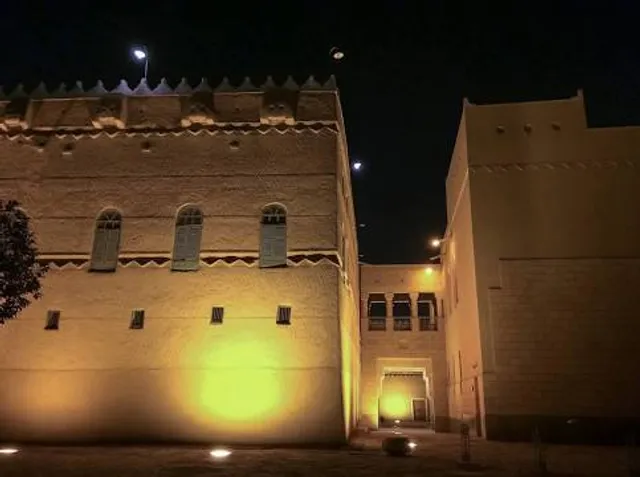
The Murabba Palace is one of the historic buildings in Al Murabba, Riyadh, Saudi Arabia. The palace is the first building that was erected outside the walls of the old city. It was named after its square with the form of 400 by 400 metres. It is one of the museums in the city.
Cultural
Scenic
Family friendly
Accessibility
attractions: The National Museum, King Abdulaziz Grand Mosque, Al Watan Park, Riyadh Water Tower, Al Madi Mosque, The Red Palace, Al Futah Park, restaurants: مخبز الأرغفة الساخنة, Mahar Fish Market, Shaik El Pizza, Pizzalia, First Cup Coffee, شيف الشاورما | shawarma chef, HUM BURGER, Al Baik, Best coffee, Kubo Food Express, local businesses: King Abdulaziz Darah, حديقة الوطن, Al-Watan Park Chalet, قصر الكبابجي للمشويات, NestO Hypermarket Villagio Mall, Villagio Mall, المعهد الملكي للفنون التقليدية | وِرث, Senyorita Beauty Salon, Sana Mall, Elite10 Hypermarket
 Learn more insights from Wanderboat AI.
Website
darah.org.sa
Open hoursSee all hours
SunClosedOpen
Plan your stay

Pet-friendly Hotels in Al Murabba District
Find a cozy hotel nearby and make it a full experience.

Affordable Hotels in Al Murabba District
Find a cozy hotel nearby and make it a full experience.

The Coolest Hotels You Haven't Heard Of (Yet)
Find a cozy hotel nearby and make it a full experience.

Trending Stays Worth the Hype in Al Murabba District
Find a cozy hotel nearby and make it a full experience.
Reviews
Live events

Candlelight: قرن من الموسيقى العربية الشهيرة
Fri, Feb 13 • 5:30 PM
7628 King Faisal Ibn Abd Al Aziz, Riyadh, 13712
View details
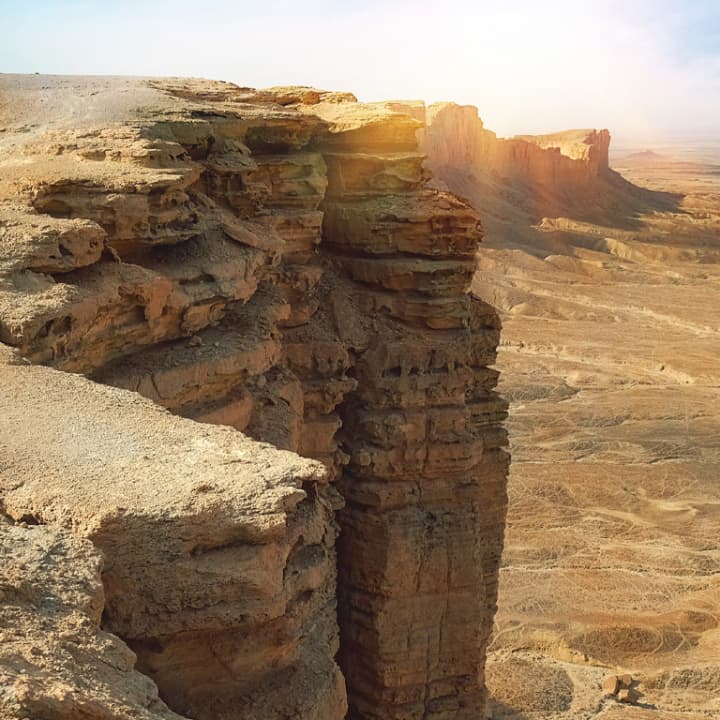
غروب الشمس على حافة العالم وزيارة كهف الخفافيش الغامضفي الرياض
Sun, Feb 8 • 8:00 AM
طريق خدمة الملك خالد، QH9G+4JV، الرياض, 13518
View details
AI Salon Riyadh
Sun, Feb 8 • 4:00 PM
AlMashtal المشتل, P St, Al Safarat, Riyadh 12523, Saudi Arabia
View details
Nearby attractions of Murabba Historical Palace
The National Museum
King Abdulaziz Grand Mosque
Al Watan Park
Riyadh Water Tower
Al Madi Mosque
The Red Palace
Al Futah Park
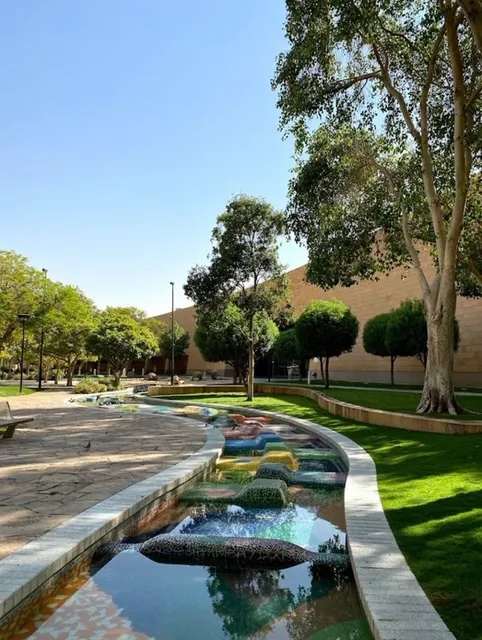
The National Museum
4.5
(7.1K)
Open until 12:00 AM
Click for details
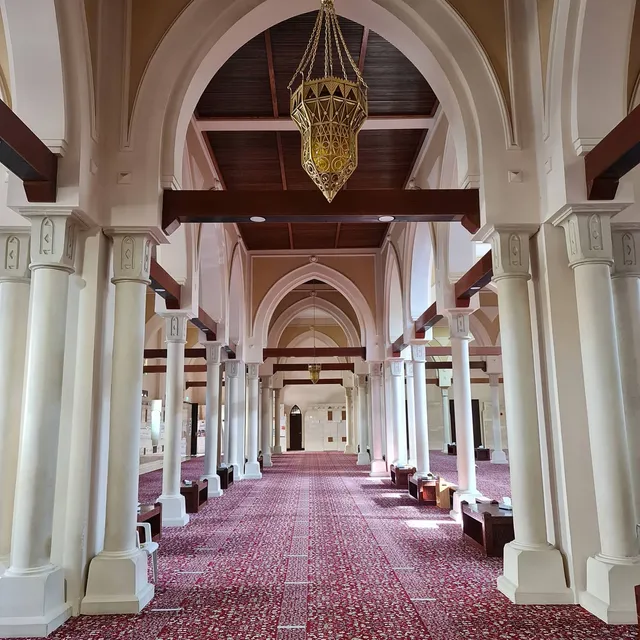
King Abdulaziz Grand Mosque
4.7
(153)
Open 24 hours
Click for details
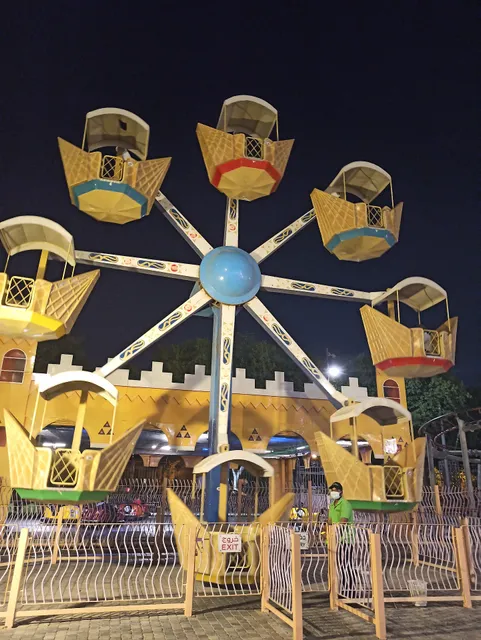
Al Watan Park
4.2
(5.1K)
Closed
Click for details
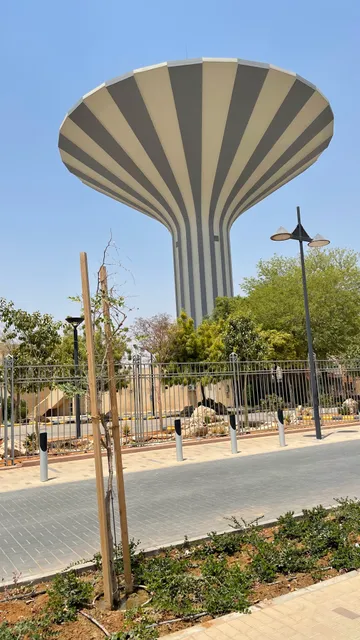
Riyadh Water Tower
4.3
(1.3K)
Open until 12:00 AM
Click for details
Nearby restaurants of Murabba Historical Palace
مخبز الأرغفة الساخنة
Mahar Fish Market
Shaik El Pizza
Pizzalia
First Cup Coffee
شيف الشاورما | shawarma chef
HUM BURGER
Al Baik
Best coffee
Kubo Food Express
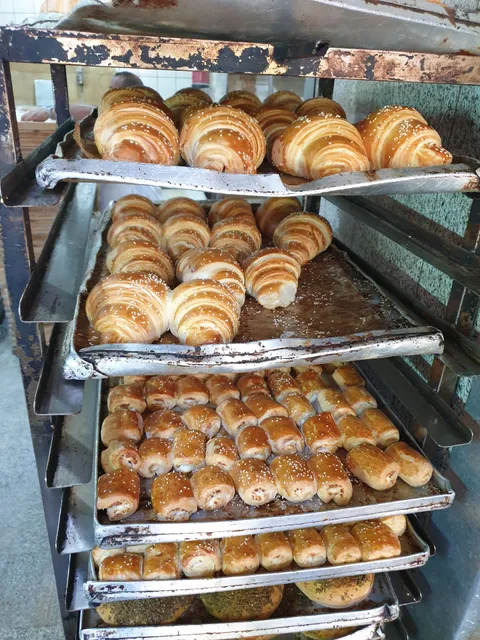
مخبز الأرغفة الساخنة
4.4
(1.7K)
Open until 12:00 AM
Click for details
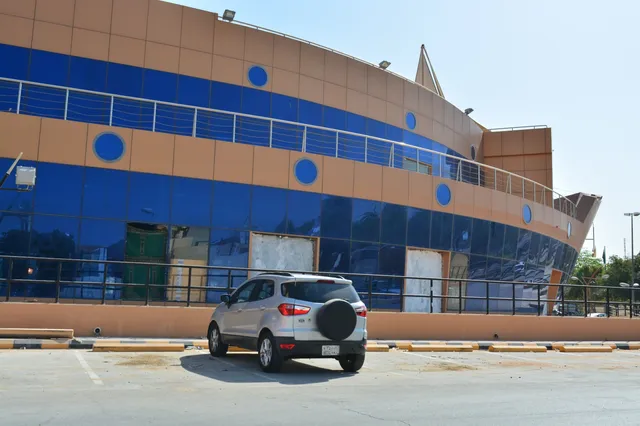
Mahar Fish Market
3.8
(383)
Open until 12:00 AM
Click for details
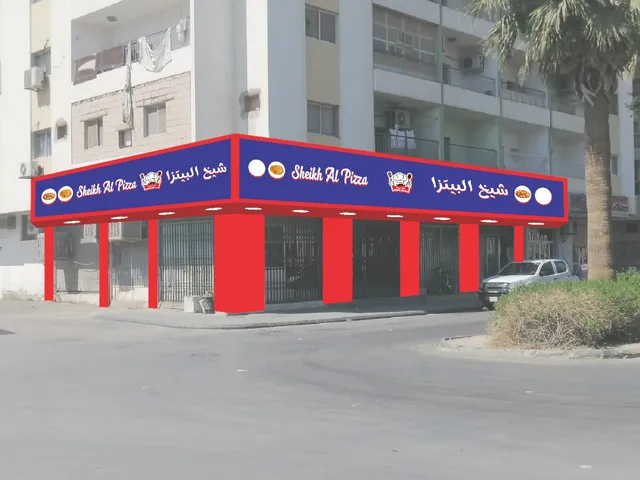
Shaik El Pizza
4.4
(1.3K)
Open until 4:00 AM
Click for details
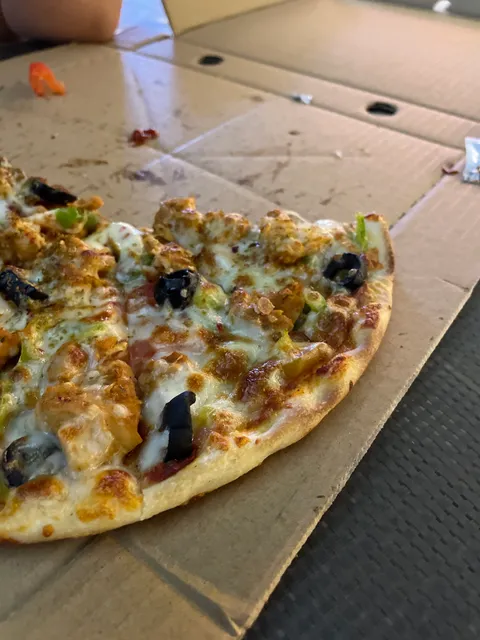
Pizzalia
3.7
(22)
Click for details
Nearby local services of Murabba Historical Palace
King Abdulaziz Darah
حديقة الوطن
Al-Watan Park Chalet
قصر الكبابجي للمشويات
NestO Hypermarket Villagio Mall
Villagio Mall
المعهد الملكي للفنون التقليدية | وِرث
Senyorita Beauty Salon
Sana Mall
Elite10 Hypermarket
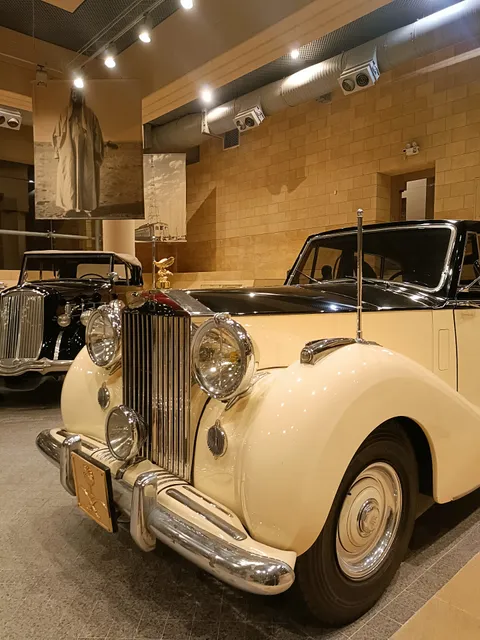
King Abdulaziz Darah
4.7
(186)
Click for details
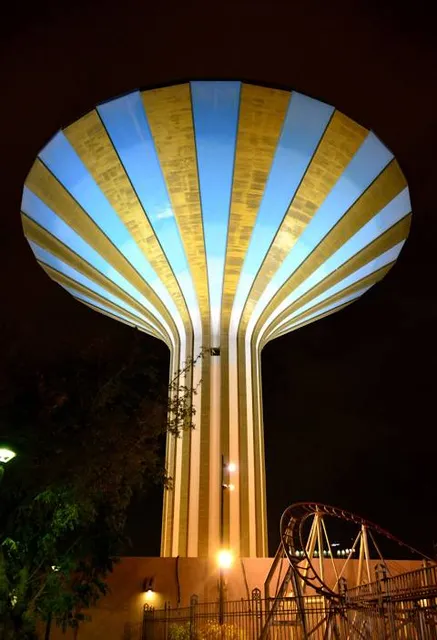
حديقة الوطن
4.2
(3.8K)
Click for details
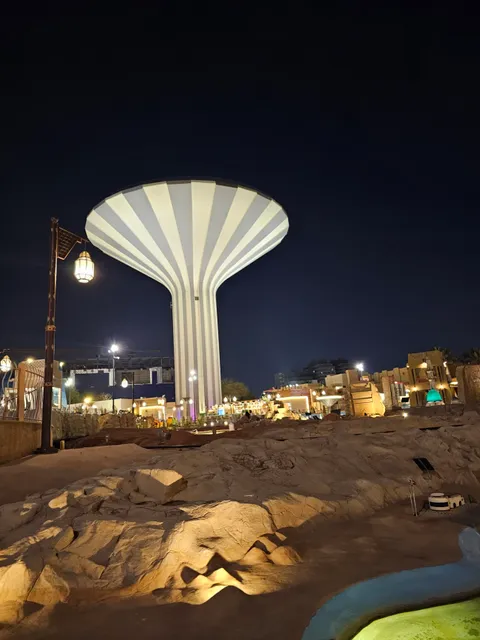
Al-Watan Park Chalet
4.4
(66)
Click for details
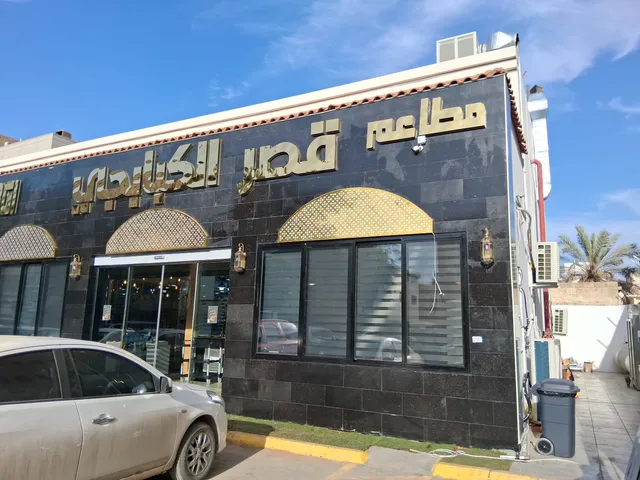
قصر الكبابجي للمشويات
4.1
(362)
Click for details